
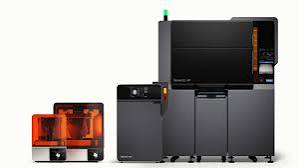


Walk into any online forum where miniature painters, jewellery designers, or dental technicians discuss their equipment, and the Phrozen name comes up more often than most other resin brands combined. That reputation was not built on marketing spend. It was built one detail-obsessed print at a time, and it explains why so many hobbyists eventually upgrade to Phrozen after outgrowing a cheaper starter machine.
What Sets Phrozen Apart From a Generic Resin Printer
A Phrozen 3D printer typically ships with a monochrome LCD screen and a light engine tuned for even exposure across the build plate. That evenness matters more than people expect. A printer with inconsistent light output produces parts that are slightly overcured near the centre and undercured at the edges, which shows up as warping or failed supports on anything with fine detail.
Phrozen’s mid-range and higher lineups also tend to use faster curing LEDs, which cuts print time noticeably compared to older UV lamp designs. For someone printing dozens of miniatures or dental models in a week, that time saving compounds fast.
Resolution and Why It Actually Matters
MarketinPhrozen 3D printerg copy throws around resolution numbers constantly, but the practical difference between a 2K and an 8K screen is easiest to see on small, detailed parts. Facial features on a 32mm miniature, engraved text on a ring pattern, or the fine channels in a dental aligner mould all benefit directly from a higher pixel density. If your work rarely goes below a few centimetres in scale, a 4K screen is usually the sensible middle ground rather than paying extra for resolution you will not visually notice.
Getting the Resin Right Matters as Much as the Printer
A common mistake among first-time resin printer owners is treating the machine as the only variable that matters. In reality, 3D printer resin formulation has just as much influence on final print quality. Standard resin is fine for display models, but tougher engineering resins hold up better for functional parts, and dental-grade or castable resins are formulated for entirely different working properties. Matching resin to project type is not optional if you want consistent results.
Temperature also plays a bigger role than most beginners realise. Resin that has been sitting in a cold room cures differently than resin at room temperature, and print failures that get blamed on the printer are often actually a resin viscosity problem.
Who Should Consider Stepping Up to Phrozen
If you are currently running a budget resin printer and hitting its ceiling, whether through inconsistent layer adhesion, slow print speeds, or a build volume too small for your projects, that is usually the signal to move up rather than tolerate the workaround. Miniature painters producing for sale, small jewellery studios, and dental labs doing in-house model work are the groups that see the clearest return on a better machine, since print failures there cost real time and material, not just frustration.
A Machine Is Still Only One Part of the Workflow
Anyone weighing up their first serious resin setup is usually better off comparing a few 3D printers side by side rather than fixating on one brand from the start. Build volume, screen life expectancy, slicer software support, and post-processing requirements all factor into whether a printer fits your actual workflow, not just your budget.
Resin printing rewards patience more than any other 3D printing method. Ventilation, careful resin storage, and consistent post-curing all matter as much as the hardware itself. Get those fundamentals right alongside a capable printer, and the jump in print quality is usually immediate and obvious.