
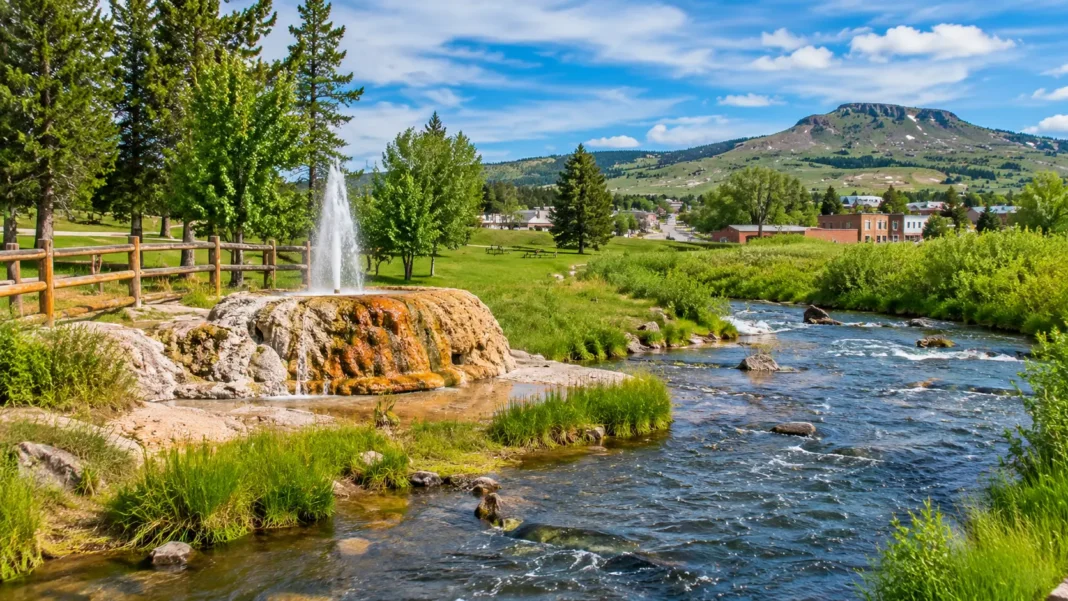


Soda Springs, Idaho, is a charming small town surrounded by beautiful mountains, natural mineral springs, and fascinating historical landmarks. Located in southeastern Idaho, this peaceful destination offers a refreshing escape from crowded tourist attractions. Visitors can discover a remarkable geyser, scenic waterways, and places connected to America’s westward migration.
Although Soda Springs is smaller than many popular Idaho vacation destinations, it offers memorable experiences for history enthusiasts, nature lovers, and road-trip travelers. The town is especially famous for its naturally carbonated springs and the Soda Springs Geyser. Nearby reservoirs, historic trails, and mountain landscapes provide additional opportunities for sightseeing and outdoor recreation.
Planning a visit to Soda Springs, Idaho, becomes easier when you understand its main attractions, seasonal weather, and surrounding destinations. Some highlights are located within town, while others require a short drive through the countryside. This guide explores the best views, interesting places to visit, and practical tips for enjoying this distinctive southeastern Idaho destination.
Where Is Soda Springs, Idaho?
Soda Springs is a small city in Caribou County, southeastern Idaho, surrounded by rolling hills, mountain ranges, and agricultural landscapes. It serves as the county seat and an important community within the region. Its location near scenic highways makes it a convenient destination for travelers exploring southeastern Idaho and neighboring states.
The city is situated along U.S. Highway 30, a route closely associated with the region’s historic transportation corridors. Nearby landscapes include the Bear River Valley and portions of the Caribou-Targhee National Forest. These surroundings provide opportunities to appreciate Idaho’s combination of rural scenery, mountain terrain, and natural geological attractions.
Soda Springs is particularly appealing to travelers who enjoy quieter destinations with distinctive local history. Unlike large resort towns, it offers a relaxed atmosphere and several attractions that can be explored in a single day. Visitors can also use the town as a starting point for longer trips around southeastern Idaho.
Visit the Famous Soda Springs Geyser
The Soda Springs Geyser is the town’s most recognizable attraction and one of Idaho’s most unusual geological features. Located in Geyser Park, this controlled geyser releases a powerful column of naturally carbonated mineral water. Its distinctive appearance and fascinating history make it an essential stop during a Soda Springs vacation.
The geyser was discovered in 1937 during a drilling project intended to access underground water. The drilling unexpectedly released pressurized carbonated water, creating a remarkable feature that later became a local landmark. Today, the geyser operates on a controlled schedule, allowing visitors to observe its impressive eruptions.
The geyser is traditionally scheduled to erupt every hour on the hour, although maintenance and operating conditions can affect the schedule. Visitors can observe it from designated viewing areas and learn about its unusual origin. Arriving shortly before a scheduled eruption provides an opportunity to explore the surrounding park and interpretive displays.
Explore Hooper Springs Park and Its Natural Mineral Water
Hooper Springs Park is another distinctive attraction located just outside central Soda Springs. The park is known for its naturally carbonated mineral spring, which contributed to the area’s historical reputation. Its peaceful setting, green spaces, and traditional spring structure create an interesting destination for travelers.
The spring was famous among nineteenth-century emigrants traveling through the region. Its naturally sparkling water attracted considerable attention because it differed from ordinary freshwater sources. Today, visitors can observe the spring and learn about its connection to the area’s geological characteristics and Oregon Trail history.
Hooper Springs Park also provides an enjoyable setting for a short outdoor break. Picnic areas and surrounding scenery make it suitable for travelers who want to relax between attractions. Although sampling the spring water is part of local tradition, visitors should check current water-quality guidance before drinking untreated natural water.
Discover the Oregon Trail History of Soda Springs
Soda Springs played an important role in the history of westward migration across the United States. During the nineteenth century, emigrants traveling along the Oregon and California Trails passed through this region. The area’s naturally carbonated springs became memorable landmarks for people completing long and demanding journeys.
Historical accounts describe travelers stopping near the springs to rest, observe their unusual characteristics, and record their experiences. The mineral water and surrounding geological formations attracted considerable curiosity. These accounts help explain why Soda Springs became an important location in the history of western exploration and settlement.
Visitors can discover interpretive signs and historical markers around Soda Springs that explain the region’s relationship with the Oregon Trail. The surrounding countryside also preserves important geographical features associated with these historic routes. Exploring these sites offers a meaningful opportunity to connect scenic sightseeing with American history.
Enjoy Beautiful Views at Sheep Rock and Soda Point
Sheep Rock, also known as Soda Point, is an impressive historical and geological landmark located west of Soda Springs. The area overlooks a dramatic bend in the Bear River, surrounded by rugged basalt formations. Its unusual landscape makes it an interesting destination for photography and scenic exploration.
The location also has historical significance because it was an important landmark for travelers moving through the region. The nearby river corridor and surrounding terrain influenced historic migration routes. Interpretive information helps visitors understand how geography shaped movement across southeastern Idaho during the nineteenth century.
Sheep Rock provides an opportunity to appreciate the natural landscape beyond the town’s mineral springs. Visitors should use designated viewpoints and follow local access guidance when exploring the area. The combination of river scenery, volcanic geology, and Oregon Trail history makes Soda Point a rewarding roadside stop.
Explore Formation Springs Preserve
Formation Springs Preserve is a remarkable natural area located a short distance from Soda Springs. Managed by The Nature Conservancy, the preserve protects unusual mineral formations, spring-fed environments, and surrounding natural habitats. Its distinctive landscape offers a different perspective on the geological features that make this region famous.
The area contains mineral-rich water and formations created through natural geological processes. Terraced deposits, pools, and surrounding vegetation contribute to its unusual appearance. These features provide interesting subjects for nature photography while illustrating the long-term relationship between groundwater and the surrounding landscape.
Visitors should check current access information and follow all conservation guidelines before exploring the preserve. Sensitive mineral formations can be damaged by walking outside designated areas. Respectful sightseeing helps protect the location’s natural characteristics and supports the preservation of this unusual southeastern Idaho environment.
Visit Alexander Reservoir for Scenic Outdoor Recreation
Alexander Reservoir is a popular recreational destination near Soda Springs, offering beautiful water views and a peaceful natural setting. The reservoir is associated with the Bear River and surrounding Idaho countryside. Its open landscapes and nearby hills make it appealing to visitors interested in outdoor scenery.
Depending on current conditions and available facilities, the reservoir provides opportunities for activities such as fishing, boating, and relaxing near the water. Visitors can also appreciate the surrounding scenery without participating in water-based recreation. The landscape offers a pleasant contrast to the town’s historical attractions and mineral springs.
Before planning recreational activities, check local regulations, water conditions, and available access points. Reservoir levels and operating conditions may change throughout the year. Families should also follow appropriate water safety precautions and remain within designated public areas while enjoying the location.
Discover the Historic Downtown Soda Springs
Historic downtown Soda Springs offers a glimpse into the city’s local culture and architectural heritage. Its streets contain traditional buildings, community landmarks, and small businesses that reflect the town’s development. Exploring the downtown area can be an enjoyable addition to visiting the nearby geyser.
Visitors can discover historical features connected to transportation, local commerce, and early settlement. The town’s historic buildings and interpretive displays help explain how Soda Springs developed around its natural mineral resources. Walking through the area also provides opportunities to appreciate its relaxed small-town atmosphere.
Downtown Soda Springs is particularly convenient because several attractions are located close together. Travelers can combine a visit to Geyser Park with nearby historical landmarks and local establishments. Supporting local businesses and taking time to explore the town can make a short visit more memorable.
Take a Scenic Drive Along the Oregon Trail–Bear Lake Scenic Byway
The Oregon Trail–Bear Lake Scenic Byway provides a wonderful opportunity to explore southeastern Idaho’s beautiful countryside. The route connects historical landmarks, natural landscapes, and communities associated with the region’s transportation history. Travelers can enjoy views of mountains, valleys, and open rural scenery along the journey.
Soda Springs is one of the communities situated along this scenic travel corridor. The surrounding roads provide access to additional historical attractions and recreational destinations. Changing landscapes make the drive interesting for travelers who enjoy photography and discovering smaller communities outside major tourist areas.
A scenic drive can be especially enjoyable during clear weather when distant mountains and valleys are visible. However, road conditions can change significantly during winter and early spring. Checking current highway information and allowing sufficient travel time helps make the journey safer and more comfortable.
Explore Caribou-Targhee National Forest
Caribou-Targhee National Forest provides extensive natural landscapes within the broader southeastern Idaho region. The forest includes mountain terrain, wooded areas, streams, and recreational settings. Its diverse scenery makes it appealing to visitors who want to experience Idaho’s outdoor environment beyond the attractions located directly in Soda Springs.
Recreational opportunities vary by location and season, including established hiking routes, camping areas, wildlife observation, and scenic exploration. Some forest areas are accessible through maintained roads, while others require more preparation. Visitors should choose activities that match their experience and current conditions.
Mountain weather can change unexpectedly, particularly at higher elevations. Travelers should review official Forest Service information about road access, trail conditions, and seasonal restrictions. Staying on designated routes and respecting wildlife habitats helps protect the natural environment while supporting a more enjoyable visit.
Best Time to Visit Soda Springs, Idaho
The best time to visit Soda Springs depends on your preferred activities and tolerance for seasonal weather. Late spring through early autumn generally provides more comfortable conditions for sightseeing and outdoor exploration. Summer often offers pleasant opportunities to enjoy parks, scenic drives, and nearby recreational areas.
Autumn can be particularly attractive because cooler temperatures and changing vegetation create beautiful countryside scenery. Spring brings a different landscape as the region transitions from winter conditions. However, mountain areas may still experience snow or limited access during parts of these shoulder seasons.
Winter transforms the region with snow-covered landscapes and colder temperatures. Although some attractions can still be viewed, road conditions and outdoor access may become more challenging. Checking local weather forecasts and transportation updates before departure helps travelers prepare for seasonal differences.
Travel Tips for Visiting Soda Springs
Planning ahead makes a Soda Springs vacation more comfortable, particularly if you intend to explore attractions outside the city. A personal vehicle can be useful because some scenic locations and recreational areas have limited public transportation options. Reviewing travel routes helps reduce unnecessary driving between destinations.
Pack clothing suitable for changing temperatures, especially when visiting during spring or autumn. Comfortable walking shoes, drinking water, and weather protection can improve outdoor sightseeing. Visitors planning to explore remote locations should also check mobile coverage and download important navigation information when appropriate.
Soda Springs is suitable for a short road-trip stop, but spending additional time allows you to explore surrounding landscapes more thoroughly. Checking geyser operating information, local facilities, and seasonal access restrictions can prevent unexpected disruptions. A flexible itinerary helps you enjoy the town’s distinctive attractions without feeling rushed.
Conclusion
Soda Springs, Idaho, is an appealing destination for travelers interested in natural wonders, historic landmarks, and peaceful mountain scenery. The famous Soda Springs Geyser and Hooper Springs Park highlight the area’s unusual geological features. Nearby historical sites provide additional insight into the region’s importance during America’s westward migration.
Visitors can also explore beautiful locations such as Sheep Rock, Formation Springs Preserve, Alexander Reservoir, and the surrounding Caribou-Targhee National Forest. These attractions offer opportunities for sightseeing, photography, and appropriate outdoor recreation. Combining several destinations creates a more complete experience of southeastern Idaho’s distinctive landscape.
Whether you are planning a weekend getaway or passing through on a longer road trip, Soda Springs offers memorable sights worth discovering. Choosing suitable travel dates, reviewing local conditions, and respecting natural areas can make your visit more enjoyable. Its combination of fascinating history and scenic surroundings makes this small Idaho town a rewarding place to explore.
Frequently Asked Questions
What is Soda Springs, Idaho, famous for?
Soda Springs is best known for its controlled geyser, naturally carbonated mineral springs, and Oregon Trail history. The town also provides access to scenic landscapes, historical landmarks, and outdoor recreational areas.
Is Soda Springs, Idaho, worth visiting?
Yes, Soda Springs is worth visiting for travelers interested in unusual geological attractions, local history, and peaceful countryside scenery. Its geyser and mineral springs make it a distinctive southeastern Idaho destination.
How often does the Soda Springs Geyser erupt?
The Soda Springs Geyser is generally scheduled to erupt every hour on the hour. However, maintenance and operating conditions may affect the schedule, so checking local visitor information is recommended.
What is the best time to visit Soda Springs, Idaho?
Late spring through early autumn generally offers comfortable conditions for sightseeing and scenic drives. Summer is particularly suitable for outdoor activities, while winter can bring snow and challenging travel conditions.
Can you visit Soda Springs, Idaho, in one day?
Yes, one day is enough to explore major attractions such as the geyser, Hooper Springs Park, and historic downtown. Additional time is useful for visiting nearby natural areas and scenic drives.