
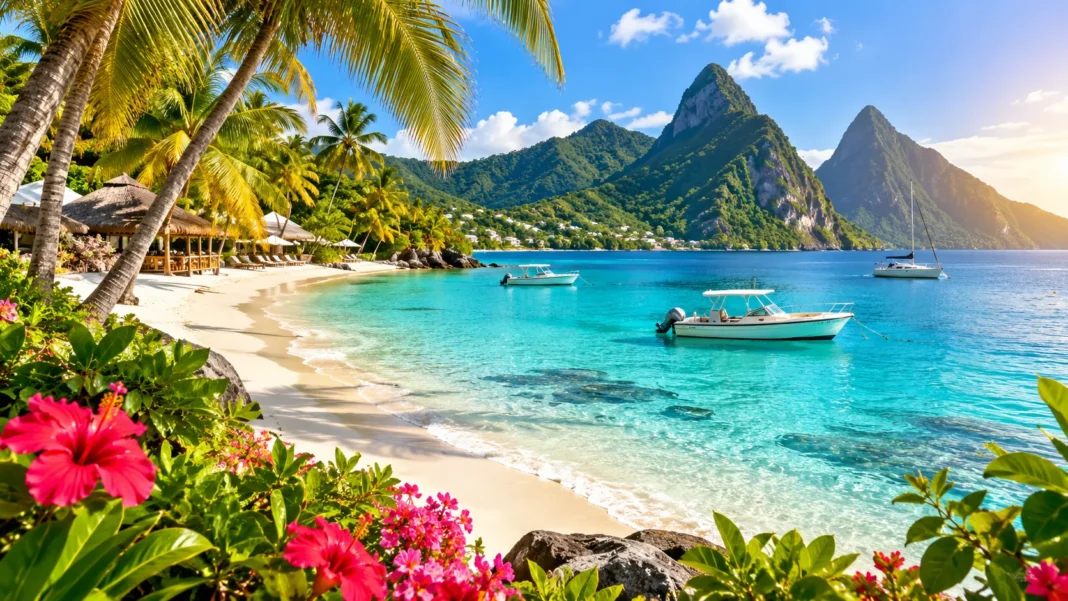


The Caribbean is one of the world’s most beautiful travel regions, famous for its turquoise waters, white sandy beaches, tropical landscapes, and colorful island cultures. With so many destinations to explore, choosing the best islands in the Caribbean can feel overwhelming. Each island offers something different, from peaceful coastal retreats to exciting outdoor adventures. Whether you enjoy beautiful beaches or cultural attractions, the Caribbean provides unforgettable experiences.
Some Caribbean islands are famous for luxurious resorts and romantic scenery, while others attract visitors with historical towns, lush rainforests, and vibrant local communities. Destinations such as Aruba, Barbados, Jamaica, and St. Lucia offer distinctive combinations of natural beauty and cultural heritage. Travelers can enjoy snorkeling, hiking, sightseeing, and traditional Caribbean cuisine. Choosing the right destination depends on your interests, travel budget, and preferred holiday experience.
Planning a Caribbean island vacation also requires understanding seasonal weather, transportation options, and accommodation availability. Although many destinations enjoy warm temperatures throughout the year, rainfall patterns and tropical storm risks vary across the region. Researching individual islands can help you find the right balance between relaxation and exploration. This guide highlights stunning Caribbean islands, their main attractions, and practical travel tips.
1. Aruba: Beautiful Beaches and Year-Round Sunshine
Aruba is one of the most popular Caribbean island destinations, known for its sunny weather, beautiful beaches, and welcoming atmosphere. Located in the southern Caribbean near Venezuela, the island features turquoise water, pale sandy beaches, and distinctive desert-like landscapes. Its relatively dry climate makes it attractive for coastal holidays. Visitors can enjoy relaxing seaside experiences alongside interesting natural and cultural attractions.
Eagle Beach is among Aruba’s most recognizable destinations, celebrated for its broad sandy shoreline and scenic divi-divi trees. Palm Beach offers resorts, restaurants, and convenient access to coastal activities. Travelers can also visit Arikok National Park to explore rugged landscapes, rock formations, and native vegetation. These attractions create a memorable contrast between the island’s beaches and its inland scenery.
Oranjestad, Aruba’s capital, offers colorful architecture, shopping streets, and historical landmarks. Visitors can discover local restaurants and learn about the island’s Dutch Caribbean heritage. Aruba is generally less exposed to direct hurricane impacts than many northern Caribbean islands, although severe weather remains possible. Its combination of beautiful scenery and varied attractions makes it an appealing tropical escape.
2. St. Lucia: Romantic Scenery and Mountain Adventures
St. Lucia is famous for its breathtaking landscapes, dramatic volcanic peaks, and beautiful coastal resorts. The island’s most recognizable landmarks are the Pitons, two impressive mountains rising above the Caribbean Sea. Their distinctive shapes create extraordinary scenery, particularly around the southwestern coast. Travelers seeking tropical landscapes, romantic surroundings, and outdoor adventures often consider St. Lucia an excellent destination.
Soufrière is one of the island’s most interesting areas, offering access to scenic viewpoints and volcanic attractions. Visitors can explore botanical gardens, admire waterfalls, and discover lush tropical vegetation. The nearby coastline provides opportunities for swimming and snorkeling where conditions are suitable. Nature enthusiasts will appreciate the island’s combination of mountainous terrain, rainforests, and clear coastal waters.
St. Lucia also offers charming fishing villages, local markets, and traditional Caribbean cuisine. Rodney Bay provides restaurants, accommodation, and convenient facilities for visitors. Travelers can enjoy coastal sightseeing while learning about the island’s cultural traditions. Although some mountain activities require guides and suitable fitness, the island offers numerous relaxing experiences for different types of travelers.
3. Barbados: Stunning Beaches and Rich Island Culture
Barbados is a beautiful Caribbean island known for its sandy beaches, historical attractions, and lively cultural traditions. Located in the eastern Caribbean, it features scenic coastlines, attractive towns, and distinctive local cuisine. The island offers a combination of modern tourism facilities and traditional communities. Visitors can enjoy comfortable coastal holidays while discovering the country’s history and natural beauty.
Carlisle Bay is a popular destination for its clear water and attractive shoreline. Bathsheba, on the island’s Atlantic coast, offers dramatic rock formations and powerful ocean scenery. Travelers interested in history can explore Bridgetown and its historic Garrison area. These locations provide opportunities to appreciate both the natural landscapes and colonial-era architecture of Barbados.
Food is another important part of the Barbados travel experience. Visitors can sample traditional dishes such as flying fish and cou-cou while exploring local dining establishments. The island also hosts cultural festivals celebrating music, dance, and community traditions. Its beautiful beaches, historical landmarks, and distinctive atmosphere make Barbados a rewarding destination for Caribbean travelers.
4. Jamaica: Waterfalls, Beaches, and Cultural Experiences
Jamaica is one of the most recognizable Caribbean destinations, famous for its beautiful beaches, mountain scenery, and influential musical heritage. The island combines lively coastal towns with tropical forests and dramatic natural attractions. Visitors can discover waterfalls, historical sites, and traditional communities during their journey. Jamaica is especially appealing to travelers interested in culture, outdoor adventures, and varied landscapes.
Negril is known for its attractive beaches and spectacular sunset views. Ocho Rios offers access to famous attractions such as Dunn’s River Falls, where visitors can admire cascading water and tropical scenery. Montego Bay provides coastal resorts, restaurants, and cultural experiences. Each destination offers a different atmosphere, allowing travelers to choose according to their interests.
Jamaica’s cultural identity is strongly associated with reggae music, local cuisine, and historical traditions. Visitors can explore museums, community markets, and important cultural landmarks. The Blue Mountains provide opportunities to appreciate cooler mountain landscapes and coffee-growing areas. Combining coastal relaxation with cultural exploration creates a memorable Jamaican island vacation.
5. Curaçao: Colorful Architecture and Clear Blue Water
Curaçao is a distinctive Caribbean island known for its colorful waterfront buildings, beautiful beaches, and fascinating cultural heritage. Located near Aruba in the southern Caribbean, it features a relatively dry landscape and numerous sheltered coastal areas. The island blends Dutch influences with local Caribbean traditions. Travelers who enjoy architecture, snorkeling, and scenic towns will find plenty to explore.
Willemstad, the capital, is famous for its colorful historic buildings and attractive harborfront. The city’s architecture reflects centuries of cultural exchange and maritime history. Visitors can walk through picturesque neighborhoods, explore museums, and discover local restaurants. The Queen Emma Bridge is another recognizable landmark connecting important parts of the historic waterfront.
Curaçao also offers beautiful snorkeling locations and quieter beaches away from its main urban areas. Playa Kenepa and other western coastal destinations are known for scenic surroundings and clear water. Christoffel National Park introduces visitors to the island’s natural landscapes. Curaçao provides a memorable combination of cultural sightseeing, coastal relaxation, and outdoor exploration.
6. Turks and Caicos: White Sand and Turquoise Waters
Turks and Caicos is famous for some of the most beautiful beaches in the Caribbean. This British Overseas Territory consists of several islands and smaller cays surrounded by remarkably clear water. Its coastal scenery attracts travelers looking for peaceful surroundings and comfortable seaside accommodation. The destination is particularly popular for relaxing holidays, snorkeling, and marine experiences.
Grace Bay Beach on Providenciales is one of the territory’s most celebrated attractions. Its soft sand and turquoise water create a beautiful setting for walking and enjoying the coastline. Visitors can also explore Chalk Sound National Park, known for its striking blue lagoon and small islands. These landscapes provide excellent opportunities for scenic photography and nature appreciation.
The islands offer marine ecosystems that support colorful fish, coral formations, and other wildlife. Guided snorkeling excursions may provide opportunities to explore designated coastal areas safely. Travelers should follow environmental guidelines and avoid touching delicate marine organisms. Although accommodation can be relatively expensive, the territory’s spectacular beaches make it a memorable Caribbean destination.
7. Antigua: Beautiful Bays and Historic Harbors
Antigua is a wonderful Caribbean island known for its numerous beaches, sheltered bays, and beautiful coastal landscapes. Part of the country of Antigua and Barbuda, it combines attractive seaside destinations with fascinating maritime history. Visitors can explore historical landmarks, traditional communities, and peaceful beaches. The island’s varied coastline makes it especially appealing for relaxation and scenic exploration.
English Harbour is one of Antigua’s most interesting areas, featuring historic buildings and a picturesque natural harbor. Nelson’s Dockyard offers insights into the island’s naval heritage and colonial history. Shirley Heights provides panoramic views of surrounding bays and coastal scenery. These attractions add historical and cultural depth to a holiday focused on tropical beaches.
Antigua also offers popular beaches such as Dickenson Bay and Half Moon Bay. Travelers can enjoy coastal walks, scenic viewpoints, and opportunities to discover local food. Nearby Barbuda is known for quieter beaches and important natural habitats. Together, the islands provide a beautiful combination of history, coastline, and traditional Caribbean atmosphere.
8. Grenada: The Spice Island With Tropical Beauty
Grenada is often called the Spice Island because of its historical association with nutmeg and other aromatic crops. This beautiful destination features tropical hills, waterfalls, sandy beaches, and colorful towns. Its relaxed atmosphere appeals to travelers seeking natural scenery and cultural experiences. Grenada is also known for attractive coastal areas and opportunities to explore its agricultural heritage.
Grand Anse Beach is among the island’s most famous attractions, featuring a long stretch of soft sand and clear water. St. George’s, the capital, offers a picturesque harbor surrounded by colorful buildings and hills. Visitors can explore local markets and historical landmarks while enjoying beautiful views. These destinations introduce travelers to Grenada’s distinctive coastal character.
The island’s interior contains rainforest landscapes, walking trails, and waterfalls. Grand Etang National Park provides opportunities to appreciate lush vegetation and mountain scenery. Visitors can also learn about local spice cultivation through suitable cultural experiences. Grenada combines natural beauty, traditional agriculture, and welcoming communities, making it an attractive alternative to busier Caribbean destinations.
9. Puerto Rico: Beaches, Rainforests, and Historic Streets
Puerto Rico offers a fascinating combination of tropical beaches, historic architecture, and diverse natural landscapes. As a United States territory, it has a distinctive cultural identity shaped by Caribbean, Spanish, and other influences. Visitors can explore colorful cities, scenic coastlines, and forested mountains. The island is an excellent choice for travelers interested in combining sightseeing with outdoor experiences.
Old San Juan is famous for its colorful buildings, cobblestone streets, and historic fortifications. Visitors can explore Castillo San Felipe del Morro and other landmarks overlooking the Atlantic Ocean. El Yunque National Forest provides a completely different experience with tropical vegetation and beautiful mountain scenery. These attractions demonstrate the island’s impressive variety.
Puerto Rico also offers beautiful beaches in areas such as Luquillo and the nearby islands of Vieques and Culebra. Flamenco Beach on Culebra is particularly celebrated for its scenic shoreline. Local food, music, and community traditions provide additional cultural experiences. Travelers should check transportation arrangements carefully when planning visits beyond the main island.
10. The Bahamas: Island Escapes and Beautiful Blue Water
The Bahamas is an island country in the Atlantic Ocean that is commonly included in Caribbean travel itineraries. It consists of numerous islands and cays featuring turquoise water, sandy beaches, and distinctive coastal landscapes. The country offers everything from lively resort areas to quieter island communities. Its geographical variety makes it appealing to travelers with different holiday preferences.
Nassau, located on New Providence Island, is known for its historical attractions, shopping areas, and coastal resorts. Paradise Island offers additional beaches and tourist facilities. The Exumas are famous for their striking blue water, small cays, and beautiful natural surroundings. These destinations offer very different experiences within the same country.
Harbour Island is another popular destination, recognized for its picturesque settlement and distinctive pink-toned beaches. Visitors can explore quiet streets, enjoy scenic coastal views, and discover local traditions. The Bahamas provides excellent opportunities for relaxation and marine sightseeing. Transportation between islands requires planning because flights and boat services vary by destination.
11. Dominica: Rainforests and Natural Adventures
Dominica is one of the Caribbean’s most impressive destinations for nature lovers. Often called the Nature Island, it features dramatic mountains, lush rainforests, waterfalls, and volcanic landscapes. Unlike islands dominated by extensive beach resorts, Dominica focuses heavily on natural attractions and outdoor exploration. Its relatively undeveloped scenery makes it particularly appealing to adventurous travelers.
Morne Trois Pitons National Park contains some of the island’s most remarkable natural features. Visitors can explore designated trails, waterfalls, and beautiful forest environments. The famous Boiling Lake is an unusual volcanic attraction reached through a demanding guided hike. Travelers should evaluate trail difficulty, weather conditions, and current access restrictions before attempting challenging excursions.
Dominica also offers coastal villages, natural swimming areas, and opportunities to learn about local culture. The island is home to the Kalinago people, whose history and traditions remain an important part of its identity. Responsible community-led cultural experiences can provide meaningful insights. Dominica is an excellent choice for travelers who value natural landscapes and quieter surroundings.
12. St. Martin and Sint Maarten: Two Cultures on One Island
The island of Saint Martin is shared between the French territory of Saint-Martin and the Dutch country of Sint Maarten. This unusual arrangement creates a destination with distinctive cultural influences and varied coastal attractions. Visitors can experience beautiful beaches, attractive towns, and diverse cuisine. The island is particularly appealing for travelers interested in combining sightseeing with seaside relaxation.
Marigot, on the French side, features markets, waterfront scenery, and French Caribbean influences. Philipsburg, on the Dutch side, offers shopping streets, colorful buildings, and popular coastal areas. Travelers can explore both sides while appreciating their different cultural characteristics. The island’s relatively compact geography makes many attractions accessible during a single holiday.
Orient Bay is known for its attractive coastline, while Maho Beach is famous for views of aircraft approaching the nearby airport. Visitors should observe posted safety restrictions around aviation areas and shorelines. The island also offers scenic viewpoints and local dining experiences. Its combination of cultures and coastal landscapes creates a distinctive Caribbean escape.
13. St. Kitts and Nevis: History and Peaceful Island Scenery
St. Kitts and Nevis is a beautiful two-island country known for lush mountains, historical landmarks, and relaxed coastal communities. The islands offer a quieter alternative to some larger Caribbean tourist destinations. Visitors can enjoy scenic landscapes, traditional villages, and cultural attractions. Their relatively small size makes it possible to appreciate different environments without extensive travel.
St. Kitts is famous for Brimstone Hill Fortress National Park, a historic fortification offering impressive views. The island also features scenic railway heritage and attractive coastal areas. Basseterre, the capital, provides opportunities to explore local architecture and markets. These attractions reflect important aspects of the country’s history and cultural identity.
Nevis offers a peaceful atmosphere with beautiful mountain scenery and traditional Caribbean charm. Charlestown contains historic buildings and quiet streets, while Pinney’s Beach provides attractive coastal surroundings. Travelers can appreciate the island’s natural beauty and relaxed pace. Combining St. Kitts and Nevis creates a memorable itinerary for visitors seeking history, culture, and relaxation.
14. Guadeloupe: French Caribbean Culture and Nature
Guadeloupe is a beautiful French Caribbean archipelago known for its tropical landscapes, beaches, and distinctive regional culture. Its two main islands, Basse-Terre and Grande-Terre, offer contrasting environments. Basse-Terre features mountainous scenery and rainforest, while Grande-Terre is known for coastal towns and sandy beaches. This variety makes Guadeloupe suitable for different travel interests.
Guadeloupe National Park provides opportunities to explore lush forests and volcanic landscapes. La Grande Soufrière is an active volcano and a significant natural landmark on Basse-Terre. Hiking conditions can be demanding and may change with weather and volcanic activity. Travelers should follow local guidance and choose suitable activities based on current safety conditions.
The archipelago also offers colorful markets, traditional food, and attractive coastal communities. Sainte-Anne and other destinations on Grande-Terre are popular for their beautiful beaches. Nearby islands such as Les Saintes provide additional scenic experiences. Guadeloupe combines French Caribbean heritage with remarkable natural diversity, creating a rewarding destination for cultural and outdoor exploration.
15. Martinique: Beautiful Landscapes and French Caribbean Charm
Martinique is an attractive Caribbean island known for its beautiful coastline, green mountains, and French-influenced culture. The island offers a combination of scenic beaches, historical towns, and tropical vegetation. Its landscapes range from peaceful southern bays to dramatic northern mountain scenery. Travelers interested in regional cuisine, cultural heritage, and outdoor activities will find plenty to discover.
Fort-de-France, the island’s capital, offers markets, historic architecture, and cultural attractions. Les Anses-d’Arlet is known for its charming coastal setting and attractive beaches. Visitors can also explore botanical gardens and scenic viewpoints across the island. These destinations demonstrate Martinique’s combination of natural beauty and traditional island life.
Mount Pelée is one of Martinique’s most recognizable natural landmarks and an active volcano. The surrounding northern region features lush landscapes and important historical sites. Hiking opportunities depend on weather, trail access, and volcanic safety conditions. With its distinctive cuisine, coastal scenery, and cultural traditions, Martinique offers a memorable Caribbean island experience.
Best Time to Visit the Caribbean Islands
The best time to visit the Caribbean generally falls between December and April for many popular destinations. These months often provide relatively dry weather, comfortable conditions, and opportunities for beach activities. However, the climate varies between islands, and some destinations experience different seasonal patterns. Choosing suitable travel dates depends on your preferred activities and destinations.
The Atlantic hurricane season officially runs from June through November, affecting weather considerations across much of the Caribbean region. Tropical storms can disrupt flights, ferry connections, and accommodation arrangements. Some southern islands experience lower historical exposure to direct hurricane impacts, but no destination is completely free from weather risks. Travelers should review forecasts and local advisories before departure.
The busiest holiday periods often bring higher accommodation prices and increased demand for popular attractions. Traveling during quieter months may provide better availability and a more relaxed atmosphere. However, rainfall and humidity can be greater in some destinations. Balancing weather preferences, budget, and sightseeing priorities helps travelers select an appropriate season for their Caribbean holiday.
How to Choose the Best Caribbean Island for Your Vacation
Choosing the best Caribbean island begins with understanding what you want from your holiday. Beach lovers may prefer Turks and Caicos, Aruba, or the Bahamas for their beautiful coastal scenery. Nature enthusiasts might enjoy Dominica or St. Lucia because of their mountainous landscapes. Travelers interested in history and culture can explore destinations such as Puerto Rico and Barbados.
Budget is another important factor because travel expenses vary considerably across the region. Some islands offer a wide range of accommodations, while others focus heavily on upscale resorts. Flight availability, local transportation, and dining costs can also influence total expenses. Comparing practical travel requirements helps identify destinations that suit both your interests and financial expectations.
Travelers should also consider how much time they have available for exploration. Larger islands may require several days to experience different regions, while smaller destinations can feel more manageable during shorter visits. Island hopping may involve flights or ferries rather than simple day trips. Creating a realistic itinerary helps avoid unnecessary transportation costs and allows more time to enjoy each destination.
Essential Travel Tips for Visiting Caribbean Islands
Before visiting the Caribbean, check passport validity, visa requirements, and applicable entry rules for your nationality. Different islands have different immigration arrangements, even when they are geographically close. Some territories follow the regulations of European countries or other governing authorities. Understanding these requirements helps prevent avoidable travel complications.
Pack lightweight clothing, comfortable footwear, sun protection, and other essentials suitable for tropical weather. Drinking safe water and following local food safety practices can help maintain comfort during the journey. Travelers should also respect marine environments by avoiding contact with coral reefs and sensitive wildlife. Following beach safety warnings is especially important when currents or strong waves are present.
Travel insurance may provide useful protection against certain unexpected medical or transportation expenses, depending on the policy. Weather-related disruptions are another consideration, particularly during the hurricane season. Booking flexible arrangements can help reduce complications when plans change. Respecting local communities and understanding cultural customs also contributes to a more responsible and rewarding Caribbean travel experience.
Conclusion
The Caribbean is home to some of the world’s most beautiful islands, offering breathtaking beaches, lush landscapes, and fascinating cultural experiences. From Aruba’s sunny coastlines to St. Lucia’s dramatic mountains, each destination has its own distinctive appeal. Travelers can discover peaceful island retreats, historic towns, and remarkable natural attractions. This diversity makes the region suitable for many different holiday styles.
The best Caribbean island depends on your interests, available time, and preferred travel experience. Beach enthusiasts may enjoy Turks and Caicos or the Bahamas, while adventurous visitors may prefer Dominica or Grenada. Jamaica, Barbados, and Puerto Rico provide excellent opportunities to explore local culture and history. Choosing destinations thoughtfully helps create a more enjoyable and balanced itinerary.
Planning ahead is important because weather conditions, transportation options, and accommodation availability vary throughout the region. Researching seasonal patterns and local attractions can help you make informed travel decisions. Respecting natural environments and local communities also supports responsible tourism. With suitable preparation, a Caribbean island escape can become an unforgettable experience filled with beautiful scenery and lasting memories.
Frequently Asked Questions
Which is the most beautiful island in the Caribbean?
St. Lucia is often considered one of the most scenic Caribbean islands because of its dramatic Piton mountains, tropical forests, and beautiful coastline. However, the best destination depends on personal preferences.
What is the best Caribbean island for beaches?
Turks and Caicos, Aruba, and the Bahamas are famous for their beautiful sandy beaches and turquoise water. Each offers distinctive coastal scenery, with options ranging from developed resort areas to quieter shorelines.
Which Caribbean island is best for first-time visitors?
Aruba, Barbados, and Puerto Rico are appealing choices for first-time Caribbean travelers. They provide established tourist facilities, attractive beaches, cultural attractions, and opportunities to explore beyond major resort areas.
What is the cheapest month to visit the Caribbean?
September and October can offer lower accommodation prices in some Caribbean destinations because tourist demand is often reduced. However, these months fall within hurricane season, making weather risks an important consideration.
How many days are enough for a Caribbean island vacation?
A five-to-seven-day trip allows travelers to explore many individual Caribbean islands comfortably. Larger destinations or multi-island itineraries may benefit from 10 to 14 days, depending on transportation and planned activities.