
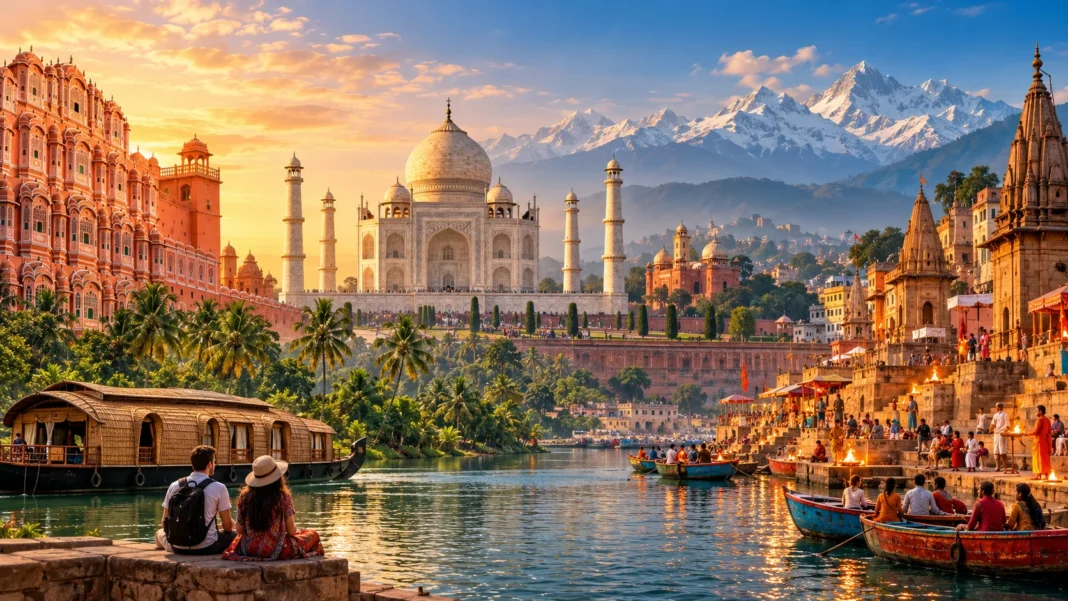


India is one of the world’s most fascinating travel destinations, offering an incredible combination of ancient monuments, colorful cities, breathtaking landscapes, and diverse cultural traditions. From the snow-covered Himalayan mountains to the tropical beaches of Goa, every region offers something different. Exploring the top places to visit in India allows travelers to discover magnificent architecture, historic landmarks, spiritual destinations, and unforgettable natural wonders.
The country’s remarkable diversity makes it suitable for almost every type of vacation. History enthusiasts can explore grand forts and royal palaces, while nature lovers can discover peaceful backwaters, mountain valleys, and beautiful national parks. Travelers interested in culture can experience traditional festivals, local markets, regional cuisine, and centuries-old religious sites. India’s attractions offer experiences that extend far beyond conventional sightseeing.
Planning a journey across India requires understanding the country’s geography, climate, transportation, and major tourist destinations. Some attractions are conveniently connected, while others require additional travel time and careful preparation. This comprehensive India travel guide explores must-see attractions, iconic cities, scenic destinations, and practical travel tips to help you plan a rewarding trip through this extraordinary country.
1. Taj Mahal, Agra: Discover India’s Most Iconic Monument
The Taj Mahal in Agra is undoubtedly one of the most famous places to visit in India. This magnificent white marble mausoleum was commissioned by Mughal emperor Shah Jahan in memory of his wife Mumtaz Mahal. Its symmetrical architecture, decorative details, and beautiful gardens attract visitors from around the world. The monument is recognized as a UNESCO World Heritage Site.
Visitors can admire the Taj Mahal’s impressive domes, elegant minarets, and intricate marble decorations while exploring its surrounding gardens. The changing daylight creates different visual effects on the white marble, making the monument especially popular among photographers. Early morning visits may offer softer lighting and a quieter atmosphere. Comfortable footwear is helpful when exploring the large complex.
Agra offers additional historical attractions beyond the Taj Mahal, including Agra Fort and nearby Mughal-era landmarks. These destinations provide a broader understanding of the region’s architectural and political history. Travelers can combine Agra with Delhi and Jaipur on the popular Golden Triangle route. Advance planning is useful because monument entry arrangements and visitor numbers vary.
2. Jaipur, Rajasthan: Explore the Beautiful Pink City
Jaipur is one of India’s most colorful tourist destinations, celebrated for its royal palaces, impressive forts, and lively traditional markets. Known as the Pink City, Rajasthan’s capital features distinctive architecture and a rich cultural heritage. Its historical monuments reflect the grandeur of former royal rulers. Jaipur is particularly appealing to travelers interested in photography, history, and traditional Indian craftsmanship.
Amber Fort is among the city’s most impressive attractions, featuring elaborate courtyards, decorative gateways, and panoramic views. Hawa Mahal, with its distinctive honeycomb-like façade, is another famous landmark. Visitors can also explore the City Palace and Jantar Mantar astronomical observatory. These sites provide fascinating insights into Jaipur’s architectural achievements and the scientific interests of its historical rulers.
Jaipur’s markets offer colorful textiles, traditional jewelry, handicrafts, and regional souvenirs. Exploring the old city provides opportunities to experience local culture and enjoy authentic Rajasthani cuisine. The cooler months are generally more comfortable for outdoor sightseeing because summer temperatures can become extremely high. Spending several days here allows travelers to appreciate both its famous monuments and everyday atmosphere.
3. New Delhi: Experience History and Modern Indian Culture
New Delhi and the wider Delhi metropolitan area offer an extraordinary combination of historical landmarks, busy markets, cultural institutions, and modern urban experiences. As India’s national capital, Delhi reflects different periods of the country’s history through its architecture and neighborhoods. Visitors can explore Mughal monuments, colonial-era buildings, and contemporary attractions within the same destination.
The Red Fort, Humayun’s Tomb, India Gate, and Qutub Minar are among Delhi’s best-known sights. These landmarks represent different architectural styles and historical periods. Visitors can also explore the Lotus Temple and peaceful landscaped gardens. Guided sightseeing experiences may help travelers understand the significance of important monuments while navigating a large and busy city.
Old Delhi provides a particularly memorable cultural experience through its bustling markets, traditional food stalls, and historic streets. Chandni Chowk is famous for its commercial activity and established shopping traditions. Travelers should allow extra time for traffic and transportation between distant attractions. Delhi also serves as a convenient starting point for exploring other destinations in northern India.
4. Varanasi, Uttar Pradesh: Discover India’s Spiritual Heritage
Varanasi is one of India’s most significant spiritual destinations, located along the banks of the Ganges River in Uttar Pradesh. The city is deeply connected with Hindu religious traditions and has attracted pilgrims for centuries. Its historic streets, temples, and riverfront steps create a distinctive cultural atmosphere. Visitors can experience important aspects of Indian spirituality and traditional life.
The riverfront ghats are among Varanasi’s most recognizable attractions, where residents and pilgrims gather for religious activities and daily routines. Dashashwamedh Ghat is particularly associated with the evening Ganga Aarti ceremony. Travelers may observe these traditions respectfully from appropriate viewing areas. Early morning river views also offer memorable opportunities to experience the city’s atmosphere.
Varanasi features narrow lanes, traditional markets, and numerous religious landmarks that require thoughtful exploration. Visitors should dress respectfully near sacred places and avoid disrupting ceremonies or photographing people without permission. The city can become crowded during major festivals and religious occasions. A carefully planned visit offers a meaningful introduction to India’s living cultural heritage.
5. Udaipur, Rajasthan: Visit the Romantic City of Lakes
Udaipur is one of the most picturesque destinations in Rajasthan, famous for its beautiful lakes, royal palaces, and surrounding Aravalli Hills. Often called the City of Lakes, it offers a peaceful contrast to some of India’s busier urban destinations. Its waterfront scenery and historic architecture make it popular among photographers, cultural travelers, and visitors seeking relaxation.
The City Palace is one of Udaipur’s most important attractions, overlooking Lake Pichola and featuring elaborate courtyards, balconies, and historical exhibits. Jagdish Temple is another notable landmark within the old city. Visitors can also enjoy lakeside viewpoints and authorized boat excursions when conditions permit. The combination of architecture and natural scenery creates an unforgettable setting.
Walking through Udaipur’s historic streets provides opportunities to discover artisan shops, traditional artwork, and local restaurants. Sunset views across Lake Pichola are especially attractive when the weather is clear. The cooler season generally offers more comfortable conditions for sightseeing. Travelers can also combine Udaipur with other Rajasthan destinations for a longer journey through India’s royal heritage.
6. Kerala Backwaters: Experience Peaceful Tropical Landscapes
Kerala is among the best places to visit in India for travelers who appreciate tropical scenery, peaceful waterways, and traditional village landscapes. Located along the southwestern coast, the state is famous for its palm-lined backwaters, green countryside, and distinctive cultural traditions. Its waterways connect lakes, canals, and rivers, creating a beautiful environment for relaxed sightseeing.
Alappuzha, also known as Alleppey, is one of the most popular destinations for experiencing Kerala’s backwaters. Visitors can enjoy organized houseboat journeys or smaller boat excursions through scenic waterways. These experiences reveal coconut groves, traditional homes, and everyday activities along the canals. Choose reputable operators that follow environmental and passenger safety requirements.
Beyond the backwaters, Kerala offers beautiful beaches, historic towns, hill landscapes, and cultural performances. Kochi provides an interesting combination of coastal heritage and contemporary city attractions. Traditional Kerala cuisine adds another memorable dimension to the journey. Travelers seeking a peaceful vacation can spend several days enjoying the region’s scenery while exploring its varied cultural experiences.
7. Goa: Relax on India’s Most Famous Beaches
Goa is one of India’s most popular beach destinations, attracting visitors with its sandy coastlines, tropical climate, historic churches, and relaxed holiday atmosphere. Located beside the Arabian Sea, the state offers a combination of coastal recreation and Portuguese-influenced architectural heritage. Its beaches range from lively tourism centers to quieter stretches suitable for peaceful seaside walks.
Popular beaches include Baga, Calangute, Candolim, and Palolem, each offering a different atmosphere. Visitors can enjoy coastal scenery, beachside restaurants, and organized recreational activities where conditions are suitable. However, swimming safety varies because of currents and seasonal weather. Travelers should follow lifeguard guidance and respect warning flags before entering the sea.
Goa also offers cultural attractions beyond its beaches, including the Basilica of Bom Jesus and historic neighborhoods in Panaji. Traditional markets and regional cuisine provide additional opportunities to experience local culture. The period from November through February is especially popular for pleasant sightseeing weather. A balanced itinerary can combine coastal relaxation with historical exploration and cultural experiences.
8. Mumbai, Maharashtra: Discover the City of Dreams
Mumbai is India’s financial and entertainment hub, offering a fascinating blend of historic architecture, coastal scenery, cultural institutions, and modern city life. This energetic metropolis attracts travelers interested in urban experiences and India’s film industry. Its busy streets and diverse neighborhoods reflect the country’s contemporary character. Mumbai also features several important historical attractions worth exploring.
The Gateway of India is one of Mumbai’s most recognizable landmarks, overlooking the Arabian Sea near the historic Taj Mahal Palace hotel. Marine Drive provides scenic waterfront views, particularly during the evening. Visitors can also explore Chhatrapati Shivaji Maharaj Terminus, a UNESCO-listed railway landmark celebrated for its architecture. These attractions showcase different aspects of the city’s heritage.
Elephanta Caves, located on an island accessible by ferry when services operate, offer another remarkable historical experience. Their ancient rock-cut sculptures provide insight into important religious and artistic traditions. Mumbai’s museums, markets, and food scene add further variety. Travelers should account for heavy traffic and monsoon conditions when organizing sightseeing activities across the city.
9. Hampi, Karnataka: Explore Ancient Temples and Ruins
Hampi is one of India’s most extraordinary historical destinations, located in Karnataka amid dramatic rocky landscapes. Once a major center of the Vijayanagara Empire, the region contains impressive temple complexes, stone monuments, and archaeological remains. Its UNESCO World Heritage status reflects its historical significance. The unusual combination of ancient architecture and natural scenery creates a remarkable setting.
The Virupaksha Temple is among Hampi’s most important religious landmarks and continues to attract worshippers and visitors. The Vittala Temple complex is particularly famous for its stone chariot and intricate architectural details. Other attractions include royal enclosures, historic market streets, and panoramic viewpoints. Exploring these monuments reveals the scale and sophistication of the former imperial capital.
Hampi’s archaeological sites are spread across a considerable area, making transportation and itinerary planning important. Comfortable walking shoes, drinking water, and sun protection are useful because many attractions involve outdoor exploration. Visiting during cooler months can make sightseeing more enjoyable. Hampi is an essential destination for travelers interested in ancient civilizations, architecture, and Indian history.
10. Kashmir and Ladakh: Discover Spectacular Himalayan Scenery
The Himalayan regions of Kashmir and Ladakh offer some of India’s most dramatic mountain landscapes. Kashmir is known for its beautiful valleys, alpine scenery, and scenic lakes, while Ladakh features rugged mountains and high-altitude terrain. These destinations appeal to travelers interested in photography, nature, and cultural exploration. However, their climates and travel requirements differ considerably.
Srinagar is famous for Dal Lake, traditional houseboats, and landscaped Mughal gardens. Gulmarg and Pahalgam provide access to additional mountain scenery in Kashmir. In Ladakh, Leh serves as a gateway to Buddhist monasteries and remarkable Himalayan landscapes. Visitors can explore permitted destinations according to local conditions, transportation arrangements, and applicable travel restrictions.
Mountain travel requires additional preparation because weather, altitude, and road accessibility can change quickly. Some areas have security restrictions, and certain destinations require permits or may be temporarily inaccessible. High-altitude visitors should allow appropriate acclimatization time and follow medical guidance when needed. Reviewing official travel advisories is particularly important before planning journeys to sensitive border regions.
11. Darjeeling and Sikkim: Enjoy Scenic Mountain Destinations
Darjeeling and Sikkim are appealing destinations in northeastern India, known for mountain scenery, tea-growing landscapes, Buddhist heritage, and picturesque towns. Darjeeling, in West Bengal, is especially famous for its historic mountain railway and views toward the eastern Himalayas. Nearby Sikkim offers beautiful valleys, monasteries, and distinctive cultural traditions. Both destinations attract nature lovers and photographers.
Visitors to Darjeeling can explore tea estates, scenic viewpoints, and the Darjeeling Himalayan Railway. Gangtok, Sikkim’s capital, offers a combination of urban attractions and mountain surroundings. Rumtek Monastery is an important cultural landmark, while selected regional viewpoints provide memorable landscapes. The weather can change rapidly, and mountain visibility is not guaranteed throughout the year.
Travelers should confirm entry and permit requirements before planning trips into Sikkim, especially when visiting protected areas. Some foreign nationalities require additional prior approval, and certain locations have access restrictions. Road journeys may also be affected by rainfall or landslides. Careful planning helps visitors appreciate the region’s natural beauty while respecting local regulations and environmental conditions.
12. Best Time to Visit India and Essential Travel Tips
The best time to visit India depends on the destinations you want to explore because the country experiences considerable climatic variation. October through March is generally popular for sightseeing across much of northern and central India. Southern coastal regions often experience warm tropical conditions, while Himalayan destinations have distinct seasonal patterns. No single travel period is ideal for every region.
Summer can bring intense heat to many lowland cities, although some mountain destinations become more accessible during warmer months. The monsoon season brings heavy rainfall to large parts of India, affecting transportation and outdoor sightseeing. Coastal and mountainous areas may experience particularly challenging weather. Checking regional forecasts helps travelers select suitable travel dates and prepare realistic itineraries.
Before departure, verify passport validity, Indian visa eligibility, and any nationality-specific restrictions or required permits. Some protected areas have additional entry rules, especially for foreign visitors. Book transportation and accommodation thoughtfully, allow extra time between destinations, and follow local safety guidance. Respecting religious customs and carrying appropriate clothing can also make cultural visits more comfortable.
Conclusion
India offers an extraordinary range of travel experiences, from the magnificent Taj Mahal and royal palaces of Rajasthan to Kerala’s peaceful backwaters and Goa’s beautiful beaches. Historic cities such as Delhi, Varanasi, and Mumbai reveal different aspects of the country’s cultural heritage. Meanwhile, Hampi and the Himalayan regions provide unforgettable opportunities for historical discovery and natural exploration.
Choosing the top places to visit in India depends on your travel interests, available time, and preferred experiences. History enthusiasts may enjoy Agra, Jaipur, and Hampi, while nature lovers can explore Kerala, Darjeeling, and selected Himalayan destinations. A thoughtfully planned itinerary allows visitors to appreciate each location without spending excessive time traveling between distant regions.
Ultimately, India’s remarkable diversity makes it a rewarding destination for travelers seeking culture, beautiful scenery, historic architecture, and memorable local experiences. Start by selecting a region that matches your interests, then organize transportation, accommodation, and sightseeing around realistic travel times. With careful preparation and respect for local traditions, exploring India’s must-see attractions can become an unforgettable journey.
Frequently Asked Questions (FAQs)
1. What are the top places to visit in India?
Popular places to visit in India include Agra, Jaipur, Delhi, Varanasi, Udaipur, Kerala, Goa, Mumbai, Hampi, and Darjeeling. Each destination offers distinctive cultural attractions, historical landmarks, or natural scenery.
2. Which place in India is best for first-time tourists?
Delhi, Agra, and Jaipur are excellent starting points because they form the famous Golden Triangle travel route. Visitors can experience historic monuments, royal palaces, cultural markets, and impressive architecture.
3. What is the best time to visit India?
October through March is generally comfortable for sightseeing across much of India, particularly northern and central regions. However, the ideal season varies considerably between coastal, tropical, and Himalayan destinations.
4. How many days are enough to explore India?
A seven-to-ten-day trip can cover one major region or a route such as the Golden Triangle. Exploring multiple distant regions comfortably usually requires two to three weeks or longer.
5. Which places in India are best for nature lovers?
Kerala’s backwaters, Kashmir’s valleys, Ladakh’s mountains, Darjeeling’s tea landscapes, and Sikkim’s Himalayan scenery are appealing choices. Seasonal weather, transport conditions, and applicable permits should guide travel planning.