
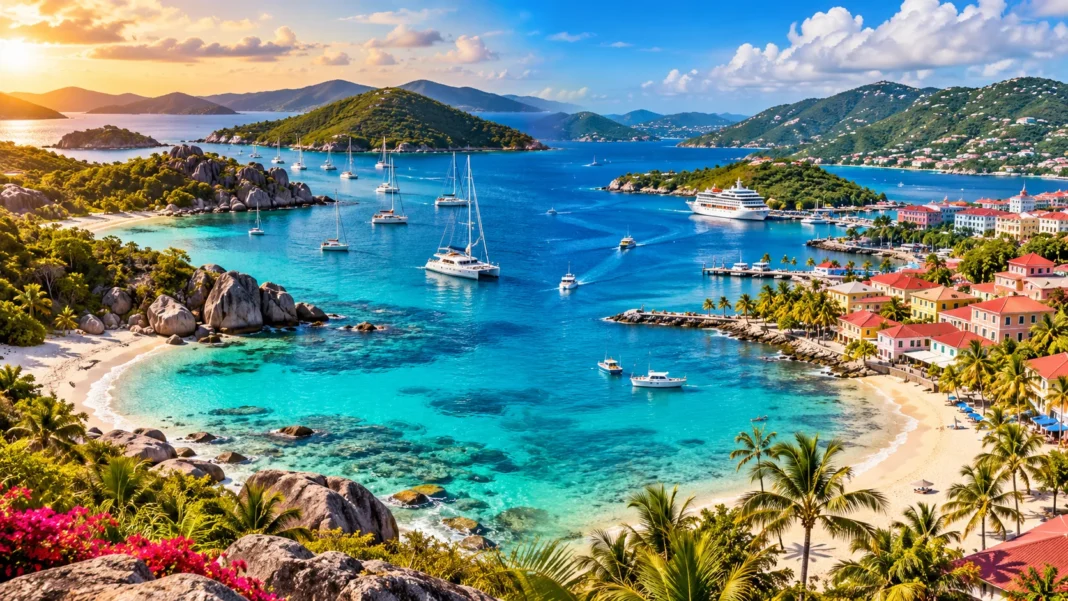


The Caribbean is home to some of the world’s most beautiful tropical destinations, and the Virgin Islands are among its most appealing places to explore. With turquoise waters, white-sand beaches, lush hills, and picturesque coastal towns, these islands offer unforgettable vacation experiences. However, understanding the differences between the British Virgin Islands vs US Virgin Islands can help travelers choose the destination that best matches their interests, budget, and travel expectations.
Although both island groups share similar tropical landscapes, they differ in atmosphere, accessibility, accommodation options, and available activities. The British Virgin Islands are particularly famous for peaceful beaches, sailing experiences, and relatively secluded island escapes. Meanwhile, the US Virgin Islands offer a lively combination of shopping, historic attractions, national parks, and established tourism facilities.
This comprehensive British Virgin Islands vs US Virgin Islands comparison explores beaches, popular attractions, travel costs, transportation, accommodation, weather, and entry requirements. You will discover the unique characteristics of each destination and practical tips for planning your Caribbean vacation. Whether you prefer a relaxing island retreat or an activity-filled tropical getaway, understanding these differences makes choosing easier.
British Virgin Islands vs US Virgin Islands: Key Differences
The British Virgin Islands, commonly called the BVI, are a British Overseas Territory located in the northeastern Caribbean. The territory consists of several inhabited islands and numerous smaller islands and cays. Its most famous destinations include Tortola, Virgin Gorda, Jost Van Dyke, and Anegada, each offering distinctive coastal scenery.
The US Virgin Islands, known as the USVI, are an unincorporated territory of the United States. Their three main islands are St. Thomas, St. John, and St. Croix. These destinations offer different experiences, ranging from bustling harbor towns and shopping districts to beautiful national park landscapes and historic Caribbean communities.
Both island groups use the US dollar, making currency arrangements relatively straightforward for American travelers. However, their immigration requirements, government systems, and transportation connections differ significantly. The BVI generally appeals to visitors interested in sailing and quieter island experiences, while the USVI offers greater convenience for many travelers departing from the United States.
1. Location and Geography of Both Island Groups
The British Virgin Islands and US Virgin Islands are located close to each other in the northeastern Caribbean, east of Puerto Rico. Despite their geographical proximity, they operate under different political jurisdictions. Their neighboring locations create opportunities for regional island travel, although crossing between them involves international immigration and customs procedures.
The British Virgin Islands feature numerous smaller islands separated by beautiful channels and sheltered bays. This geography makes the territory particularly attractive for sailing and boat-based exploration. Tortola serves as the main population and transportation center, while Virgin Gorda and other islands provide quieter natural landscapes.
The US Virgin Islands consist primarily of three larger islands with established communities, roads, and tourism infrastructure. St. Thomas offers busy commercial districts, St. John features protected natural environments, and St. Croix has a distinctive historical character. These geographical differences influence transportation, accommodation choices, and the overall vacation experience.
2. British Virgin Islands vs US Virgin Islands Beaches
Both destinations offer spectacular Caribbean beaches featuring clear water, pale sand, tropical vegetation, and beautiful coastal views. However, the beach experience can differ depending on the island and its tourism infrastructure. The BVI is especially known for picturesque bays and secluded shorelines, while the USVI offers a combination of famous beaches and protected natural areas.
The Baths on Virgin Gorda are among the most recognizable attractions in the British Virgin Islands, featuring enormous granite boulders, small pools, and scenic coastal formations. White Bay on Jost Van Dyke is another celebrated destination. These locations provide memorable surroundings for relaxation, photography, and appreciating the natural beauty of the Caribbean.
In the US Virgin Islands, Magens Bay on St. Thomas and Trunk Bay on St. John are among the most famous beaches. St. Croix also offers attractive coastal destinations and quieter shorelines. Visitors should always follow local water safety guidance because currents, weather conditions, and swimming restrictions can vary.
3. Which Destination Has Better Tourist Attractions?
The British Virgin Islands are particularly appealing to travelers interested in coastal scenery, island exploration, and peaceful natural attractions. Virgin Gorda’s Baths, Tortola’s viewpoints, and Anegada’s low-lying coral landscapes are among the territory’s most memorable destinations. The region’s numerous islands create opportunities to appreciate different coastal environments within one vacation.
The US Virgin Islands offer a broader combination of cultural landmarks, shopping areas, historical attractions, and protected landscapes. Virgin Islands National Park on St. John is especially famous for its beautiful scenery and important natural habitats. St. Thomas provides historic landmarks and waterfront attractions, while St. Croix features preserved colonial-era towns.
Neither destination is automatically better because their attractions appeal to different travel preferences. Nature enthusiasts may appreciate both groups, while visitors interested in extensive cultural sightseeing may prefer selected USVI islands. Travelers seeking a quieter coastal atmosphere may find the BVI particularly appealing.
4. Best Islands to Visit in the British Virgin Islands
Tortola is the largest and most populated island in the British Virgin Islands, making it an important transportation and accommodation center. Visitors can explore Road Town, discover local markets, and enjoy scenic coastal viewpoints. Beaches such as Cane Garden Bay provide opportunities to appreciate the island’s relaxed Caribbean atmosphere.
Virgin Gorda is famous for its remarkable coastal rock formations and attractive natural landscapes. The Baths are the island’s most celebrated attraction, drawing visitors interested in photography and shoreline exploration. The island also features peaceful bays, comfortable resorts, and scenic surroundings that appeal to travelers seeking relaxation.
Jost Van Dyke offers beautiful beaches and a small-island atmosphere, while Anegada stands out because of its flat coral landscape and distinctive coastal environment. Each destination provides a different experience. Combining several islands can create a varied itinerary, although transportation schedules and accommodation availability require careful planning.
5. Best Islands to Visit in the US Virgin Islands
St. Thomas is one of the most popular destinations in the US Virgin Islands, known for its beautiful beaches, busy harbor, shopping districts, and established tourism services. Charlotte Amalie, the territory’s capital, features historic streets and attractive waterfront surroundings. The island is particularly convenient for travelers arriving through major air connections.
St. John offers a quieter atmosphere and remarkable natural scenery, with much of the island protected within Virgin Islands National Park. Visitors can explore scenic coastal areas, appreciate beautiful beaches, and discover historic plantation-era sites. Its relatively limited development creates a distinctive environment compared with more urbanized Caribbean destinations.
St. Croix is the largest of the three main US Virgin Islands and offers a fascinating combination of history, culture, and coastal landscapes. Christiansted and Frederiksted feature attractive historic architecture and waterfront areas. The island is especially appealing to travelers interested in local traditions, museums, and a more relaxed vacation atmosphere.
6. British Virgin Islands vs US Virgin Islands for Families
Families considering a Caribbean vacation often prioritize convenient transportation, comfortable accommodation, accessible beaches, and activities suitable for different ages. Both island groups offer family-friendly experiences, but the US Virgin Islands may provide more convenient arrangements for visitors who prefer established hotels and easier connections between major attractions.
St. Thomas offers numerous accommodation options and access to popular beaches, while St. John provides scenic natural environments and educational attractions. Families can explore historical landmarks, discover protected landscapes, and enjoy organized cultural experiences. Choosing accommodation close to suitable activities can reduce unnecessary travel between destinations.
The British Virgin Islands can also provide memorable family vacations, especially for travelers who enjoy peaceful coastal surroundings and island exploration. However, moving between smaller islands may require additional ferry planning. Families should compare transportation logistics, available facilities, and beach conditions before selecting the destination that best matches their needs.
7. Comparing Hotels, Resorts, and Accommodation
Accommodation choices vary considerably between the British Virgin Islands and US Virgin Islands. The BVI is known for boutique resorts, private villas, small guesthouses, and properties designed around scenic coastal settings. Many accommodations emphasize privacy, peaceful surroundings, and easy access to beautiful bays and marinas.
The US Virgin Islands offer a wider mixture of large resorts, independent hotels, vacation rentals, guesthouses, and smaller properties. St. Thomas provides numerous options near major tourism areas, while St. John features accommodations close to protected natural landscapes. St. Croix offers additional choices in historic towns and quieter coastal settings.
Travelers should compare total accommodation expenses rather than relying only on advertised nightly rates. Taxes, transportation, resort charges, and seasonal demand can significantly affect vacation costs. Choosing a location close to planned attractions may provide better value than booking a cheaper property requiring frequent additional transportation.
8. Which Is More Expensive: BVI or USVI?
Both the British Virgin Islands and US Virgin Islands can be relatively expensive compared with some other Caribbean destinations. Imported products, island transportation, and accommodation demand contribute to vacation costs. However, expenses vary significantly depending on travel dates, the specific island, and the type of accommodation selected.
The British Virgin Islands often have higher costs for certain resort stays, private transfers, and boat-based experiences. Traveling between smaller islands can also increase transportation expenses. Visitors seeking comfortable accommodation in remote coastal settings should account for additional logistical costs when preparing their vacation budgets.
The US Virgin Islands may offer more varied accommodation and dining choices, particularly on St. Thomas and St. Croix. However, popular resorts and high-demand travel periods can still be expensive. Comparing total transportation, accommodation, food, and activity expenses is more useful than assuming one island group is always cheaper.
9. Food, Restaurants, and Local Caribbean Culture
Both island groups offer delicious Caribbean cuisine influenced by local ingredients, regional history, and multicultural traditions. Visitors can enjoy seafood, rice dishes, tropical fruits, and traditional recipes that reflect the islands’ cultural identities. Exploring local restaurants provides an opportunity to discover experiences beyond famous beaches and resorts.
In the British Virgin Islands, dining experiences range from casual waterfront eateries to restaurants associated with boutique accommodations. Traditional dishes may include fish, fungi, roti, and other Caribbean specialties. Smaller communities often feature relaxed dining atmospheres where visitors can appreciate beautiful coastal scenery alongside regional flavors.
The US Virgin Islands also offer diverse culinary traditions shaped by African, Caribbean, European, and American influences. St. Croix is especially recognized for its distinctive food culture and traditional recipes. Both destinations reward travelers who explore locally operated restaurants and discover the cultural importance of regional cooking.
10. Getting Around the British Virgin Islands and US Virgin Islands
Transportation is one of the biggest practical differences between the two destinations. In the British Virgin Islands, ferries and other authorized boat services play an important role in connecting inhabited islands. Tortola serves as a major transportation hub, while visiting smaller islands may require additional planning and schedule coordination.
The US Virgin Islands provide established road networks on their three main islands, along with local taxis, rental vehicles, and selected public transportation services. Passenger ferries connect St. Thomas and St. John, making travel between those islands particularly convenient. Connections involving St. Croix generally require separate planning.
An important detail for drivers is that vehicles travel on the left side of the road in both island groups. Road conditions can vary, especially along narrow or hilly routes. Travelers should review local driving requirements, choose appropriate transportation, and confirm ferry arrangements before organizing journeys between islands.
11. Passport and Entry Requirements Compared
Entry requirements differ significantly because the British Virgin Islands are a British Overseas Territory, while the US Virgin Islands belong to the United States. Travelers entering the BVI generally need a valid passport, and visa requirements depend on nationality. The territory also requires an electronic entry and departure declaration.
For US citizens traveling directly between the US mainland or Puerto Rico and the US Virgin Islands, a passport is generally not required. However, accepted identification remains necessary, and carrying a valid passport can simplify certain travel situations. Non-US citizens must satisfy applicable US immigration requirements, which vary according to nationality and status.
Travel between the BVI and USVI involves crossing an international border, even though the islands are geographically close. Travelers should not assume that permission to enter one territory automatically permits entry into the other. Checking current immigration requirements before departure is essential, especially when planning a vacation involving both island groups.
12. Best Time to Visit the Virgin Islands
The British Virgin Islands and US Virgin Islands experience tropical climates characterized by warm temperatures throughout the year. December through April is generally popular because conditions are often comparatively dry and comfortable for outdoor sightseeing. However, this period can also bring increased visitor demand and higher accommodation prices.
May and June may offer attractive weather with somewhat different pricing and crowd conditions, depending on the destination. Summer is typically warmer and more humid, with greater chances of rainfall. The Atlantic hurricane season officially runs from June through November, making weather monitoring particularly important during these months.
September and October are often among the quieter tourism periods, partly because of elevated tropical storm and hurricane risks. Travelers should review forecasts, transportation policies, and accommodation cancellation conditions when planning visits during hurricane season. Choosing travel dates requires balancing weather expectations, budget, and flexibility.
13. Which Virgin Islands Are Better for Nature Lovers?
Nature lovers can enjoy remarkable scenery in both territories, including tropical forests, protected marine environments, coastal hills, and beautiful beaches. The British Virgin Islands are especially appealing for appreciating smaller islands, picturesque bays, and relatively secluded coastal landscapes. Their island geography creates distinctive opportunities for nature-focused sightseeing.
Virgin Gorda’s granite formations and Anegada’s coral landscapes are particularly memorable natural attractions. Tortola also provides attractive hillsides and scenic viewpoints overlooking neighboring islands. Visitors can appreciate these environments through suitable authorized excursions while respecting protected habitats and local conservation requirements.
The US Virgin Islands offer exceptional natural scenery through Virgin Islands National Park on St. John and other protected areas. Visitors can explore designated trails, discover coastal ecosystems, and appreciate important wildlife habitats. St. Croix also features natural attractions that appeal to travelers interested in ecology and regional biodiversity.
14. British Virgin Islands vs US Virgin Islands for Island Hopping
The British Virgin Islands are especially famous for island hopping because many beautiful islands lie relatively close together. Ferry routes and authorized marine transportation connect several popular destinations. This geographic arrangement makes it possible to explore different island communities while enjoying a variety of coastal landscapes.
Travelers can discover Tortola’s lively harbor atmosphere, Virgin Gorda’s dramatic rock formations, and the relaxed scenery of Jost Van Dyke. However, not every island has frequent public ferry connections, and some destinations require specialized transportation. Advance research helps prevent unrealistic itineraries and unexpected expenses.
Island hopping is also possible in the US Virgin Islands, particularly between St. Thomas and St. John. St. Croix requires additional travel planning because it lies farther away from the other main islands. Travelers interested in visiting both territories must also account for immigration formalities and suitable international transport connections.
15. Essential Travel Tips for Choosing Between BVI and USVI
Choosing between the British Virgin Islands and US Virgin Islands begins with identifying your preferred vacation experience. Consider whether you enjoy quieter natural surroundings, extensive beach relaxation, historic attractions, or convenient sightseeing. Your priorities will help determine which islands are most suitable rather than relying entirely on general destination comparisons.
Transportation and accommodation should also influence your decision because these expenses vary significantly between islands. Research airport connections, ferry schedules, local transportation availability, and lodging locations before booking. Choosing accommodation near your preferred attractions can reduce travel time and help maintain a manageable vacation budget.
Finally, review current entry requirements, hurricane-season conditions, and relevant travel advisories before departure. Protecting the natural environment is also important because coral reefs and coastal ecosystems are sensitive to damage. Responsible planning allows visitors to appreciate these remarkable Caribbean destinations while respecting local communities and protected landscapes.
Conclusion
The British Virgin Islands and US Virgin Islands both offer beautiful Caribbean scenery, turquoise waters, memorable beaches, and fascinating cultural experiences. However, their differences in transportation, accommodation, attractions, and overall atmosphere can influence the type of vacation they provide. The BVI generally appeals to travelers seeking peaceful island settings, while the USVI offers varied tourism infrastructure and cultural attractions.
When comparing British Virgin Islands vs US Virgin Islands, consider your budget, travel dates, preferred activities, and transportation requirements. Tortola, Virgin Gorda, and Jost Van Dyke provide distinctive BVI experiences, while St. Thomas, St. John, and St. Croix offer different combinations of beaches, history, and natural scenery. Both destinations deserve consideration.
Whether you choose the British Virgin Islands for their scenic island atmosphere or the US Virgin Islands for convenient sightseeing and cultural diversity, thoughtful planning can make your vacation more enjoyable. Research accommodation, entry conditions, and transportation before departure. With their extraordinary coastlines and welcoming Caribbean character, both island groups offer unforgettable travel experiences.
Frequently Asked Questions (FAQs)
Which is better, the British Virgin Islands or US Virgin Islands?
The British Virgin Islands are particularly appealing for peaceful island escapes and sailing-focused vacations. The US Virgin Islands offer convenient transportation, historic attractions, national parks, and varied accommodation options.
Are the British Virgin Islands more expensive than the US Virgin Islands?
The British Virgin Islands can be more expensive for certain resorts and island transfers. However, costs vary significantly by island, season, accommodation type, transportation, and personal travel preferences.
Do US citizens need a passport for the British Virgin Islands?
Yes, US citizens generally need a valid passport to enter the British Virgin Islands. A passport is usually unnecessary for direct travel from the US mainland to the US Virgin Islands.
Which Virgin Islands have the best beaches?
Both destinations feature beautiful beaches. The BVI is famous for The Baths and White Bay, while the USVI offers attractions such as Magens Bay, Trunk Bay, and beautiful St. Croix coastlines.
Can you visit both the British and US Virgin Islands on one trip?
Yes, visiting both territories is possible through available ferry or other transportation connections. Travelers must meet the separate immigration requirements of each territory and account for schedules, border formalities, and transportation costs.