
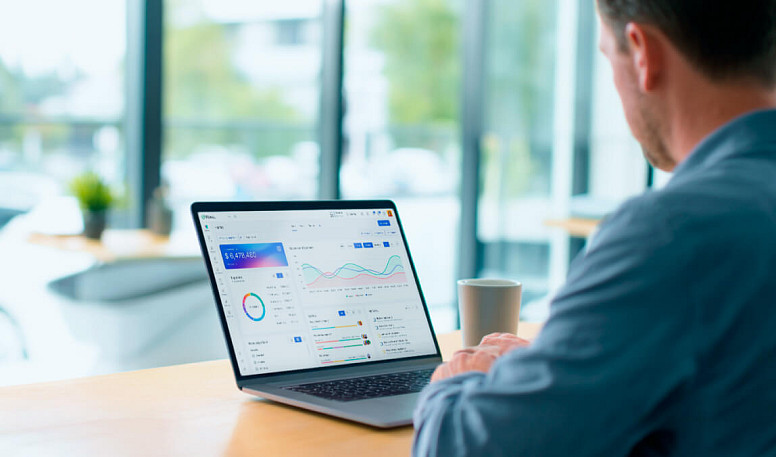


Your energy bill is a record of how much energy your business consumed. With smart meter data, you can see where, when, and how that energy was being used. Energy-use information must be provided or made available to smaller non-domestic customers who have smart meters, and energy-use information is also available to businesses from historical energy use. So, what to do with it? This outlines the insights into how businesses can monitor and optimize energy.
What is Smart Meter Data?
Smart meters can be used to determine energy consumption and provide meter readings automatically to an energy supplier. A business smart meter can be used to give electricity consumers data on consumption, such as readings every 30 minutes. Suppliers have to supply or make accessible data on energy usage for smaller non-domestic customers that have smart meters. Also, businesses can access up to a full year of historical energy-use data from the smart meters. They can begin to visualize how their energy consumption varies from one time or day to another rather than just recording the amount of energy consumed each billing period.
What Can Businesses Learn from Smart Meter Data?
A meter bill says how much energy you used during the month or quarter, but it doesn’t always indicate what was going on during the period. Businesses can use the smart meter energy data from the smart meters to more closely examine their consumption. For instance, a business can view when energy is consumed, whether it’s consumed outside of business hours, and if there are differences in energy use between weekdays and weekends.
Consider a restaurant that could consume more energy prior to opening due to the switching on of equipment, such as the ovens or refrigeration. An office might experience energy consumption several hours after the last person has left. One unexpected occurrence may be that the overnight costs of a retail operation are greater than they appear they should be.
Can Smart Meter Data Help Businesses Monitor Energy Use?
Yes. There is the possibility of using Smart meter data as part of a broader energy monitoring process. If, for example, the heating routines are changed, old equipment is replaced, or the operating hours are shortened, then the business can check the energy usage before and after the change.
Energy Data to Action
Data collection is the first step, and it is the business’s actions that make it valuable. For instance, a company could see that the electricity consumption is still high for several hours after their premises close. This may be a catalyst for an investigation of lighting, heating, refrigeration, IT equipment, or other systems that could be operating. The business may then ask some simple questions:
- Could some equipment be switched off earlier?
- Are heating or cooling systems running for longer than necessary?
- Has the amount of energy used changed due to altered operating hours?
- Did the energy saving actually save energy?
DESNZ has also investigated the potential for using smart meter data for better energy management for smaller organizations. The innovation program focused on sectors such as hospitality, retail, and schools, based on products and services that would enable organizations to gain a better understanding of their energy consumption and manage that energy use.
Use SMART meter data to determine Business Energy Costs
It may also be useful to use energy data from smart meters when analyzing a business energy bill. Knowing how much energy a business uses is significant, but knowing when and how that energy is being used can give a more complete picture of its energy requirements. This can be helpful for the analysis of an energy contract and/or in communicating with an energy supplier. A company knows more when deciding its energy needs and when it has an understanding of its typical consumption and operating patterns.
Will smart meter data help to achieve energy efficiency?
It can! Energy data can be used to define the location of energy use and track if initiatives are having an impact. Smart meter data can also be used to inform broader initiatives to enhance buildings and lower emissions. DESNZ has come up with several potential applications for non-domestic smart meter data, including identifying potential energy-saving opportunities, guiding building retrofit and decarbonization choices, enabling emissions monitoring and demand-side response.
What Does the Future Hold for Business Energy Data?
The importance of smart meter data is set to grow. Ofgem and DESNZ have been looking at how to give customers access to smart meter information in 2026, including the option for customers to consent to third parties having access to such historical data. As part of the Market-wide Half Hourly Settlement program, Ofgem is also consulting on a proposed Smart Data Repository. The proposed system would enable electricity settlement data to be provided to third parties on the basis of customer consent. For businesses, these represent the beginnings of an energy market where data may become more significant to understanding energy consumption, demand and energy decision-making.
How Should Businesses Use Their Smart Meter Data?
There is no need for businesses to be reading analysts or energy experts to use their reading data. Searching for patterns is a simple approach to this: Make comparisons between day and time and the amount of energy used, then relate this to normal working times. If something doesn’t seem like it’s right, determine what may be going wrong.
Conclusion
The smart meter can give businesses a much better understanding of their energy use. Instead of simply reviewing the energy usage for a billing cycle, businesses can start to see where energy is being consumed, uncover abnormal patterns, and identify shifts affecting energy usage. If properly used, smart meter data can help to continuously track energy consumption, plan energy consumption, and contribute to energy efficiency.