
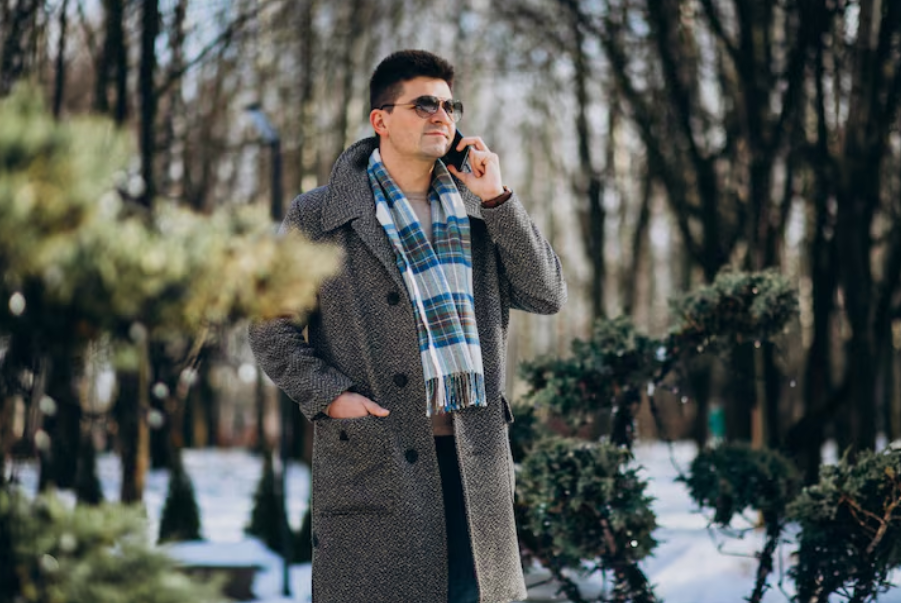


A first date already comes with enough to think about without the weather adding another layer of decisions, literally. Too many layers and you’ll be sweating through dinner while trying to seem relaxed. Too few and you’ll spend the walk to the restaurant distracted by the cold instead of the conversation. Cool weather narrows the margin for error in a way warm-weather dates simply don’t have to deal with.
This guide breaks down how to build a first-date outfit that holds up whether the plan is dinner indoors, a walk afterward, or something in between. You’ll find practical advice on layering without bulk, choosing an outer layer that works for the whole evening, and the small details that tend to leave the strongest impression, along with a few common mistakes worth avoiding before you head out the door.
Why Cool-Weather Dates Require a Different Strategy
Warm-weather dressing is fairly forgiving; a shirt and trousers work in most settings, and there’s little risk of being visibly uncomfortable. Cool weather changes the equation, because the outfit has to function in at least two different conditions: warm enough for the walk over, comfortable enough once you’re seated indoors, and warm enough again if the date extends into a walk or a second stop afterward.
Planning around that shift, rather than picking a single outfit and hoping it works everywhere, is what separates a comfortable evening from a distracted one.
The Foundation: Building an Outfit From the Inside Out
The strongest cool-weather outfits start with what’s underneath, not the jacket on top. A good base keeps you warm without the bulk that makes an outer layer harder to fit properly.
Base Layer Choices That Don’t Show Under a Shirt
A fitted, lightweight base layer, a fine merino or cotton undershirt, adds warmth without changing how a button-down or sweater sits. Avoid anything too thick here, since a bulky base layer tends to show through fitted shirts and works against the rest of the outfit rather than for it.
A Mid Layer That Still Looks Intentional
A sweater, a flannel, or a lightweight quarter-zip works well as a mid layer, giving you something presentable to wear even if the jacket comes off once you’re seated indoors. This matters more than it might seem: a date that starts outdoors and moves inside means your jacket will likely come off at some point, and the outfit underneath needs to hold up on its own.
The Jacket Is Doing More Work Than You Think
The outer layer is often the first thing a date actually notices, simply because it’s what they see before anything else. A jacket that fits well and suits the plan for the evening does more for a first impression than most people give it credit for.
For dates that involve any time outdoors, walk before or after dinner, an outdoor bar, a market, or an event. A men’s hooded leather jacket is a practical option, since the hood provides a quick buffer against wind or a light, unexpected drizzle without requiring you to carry a second jacket for a forecast that might not even hold. It also transitions well from outdoors to indoors, since it can be removed and draped over a chair without looking out of place.
Whatever jacket you choose, make sure it’s one you’ve actually worn before. A first date is the wrong moment to discover that a jacket runs tight across the shoulders or doesn’t sit right once you’re seated.
Matching the Outfit to the Actual Plan
The specifics of the date matter more than a generic outfit formula.
Dinner and Indoor Venues
For a date that’s mostly indoors, prioritize what the outfit looks like once the jacket comes off. A collared shirt or a well-fitted sweater carries most of the visual weight here, so the jacket can be a simpler, more functional piece rather than the outfit’s main statement.
Walks, Markets, or Outdoor Activities
If the plan involves real time outdoors, the jacket becomes the centerpiece of the outfit rather than a layer you’ll shed early. In these cases, prioritize warmth and wind resistance over how the outfit looks once removed, since it likely won’t come off until much later in the evening, if at all.
Retailers such as The Leather Coats carry outerwear built specifically for this kind of transition between outdoor and indoor settings, which is worth a look if your current jacket doesn’t quite handle both.
Small Details That Change the First Impression
A handful of details do more for a cool-weather outfit than most people expect:
- Scarves and gloves add warmth without bulk, and both come off easily once you’re seated.
- Footwear that matches the season. Clean boots read as more put-together in cool weather than sneakers, especially for a dinner date.
- A well-fitted jacket over a slightly oversized one. Bulk reads as sloppy far more than it reads as casual.
- Checking the venue’s temperature, not just the outdoor forecast. Some restaurants and bars run warm regardless of the season, which affects how many layers actually make sense underneath the jacket.
Mistakes That Undercut an Otherwise Good Outfit
A few missteps show up repeatedly in cool-weather date outfits:
- Overcompensating with too many layers. Three or four layers might solve the cold, but they also make the outfit look bulky and can leave you visibly uncomfortable once indoors.
- Wearing a jacket that’s never been tested sitting down. Some jackets look great standing but bunch up or restrict movement once seated at a table.
- Ignoring footwear. Cold feet are distracting, and shoes that clearly aren’t built for the weather stand out more than people expect.
- Skipping a mid-layer entirely. Going straight from a shirt to a heavy jacket leaves an awkward gap once the jacket comes off indoors.
FAQ
FAQ 1: What should I wear on a first date if the weather is cold but I don’t want to look bulky?
Focus on thinner, well-fitted layers rather than one heavy piece. A lightweight base layer, a slim mid layer like a sweater, and a well-fitted jacket keep you warm without adding visible bulk.
FAQ 2: Is a leather jacket appropriate for a first date?
Yes, especially a tailored, cool-weather style. A leather jacket tends to read as put-together without looking overly formal, which works well for most casual-to-semi-casual first dates.
FAQ 3: Should I keep my jacket on during dinner?
It depends on the setting. In a casual restaurant or bar, keeping it on briefly is fine, but removing it once seated usually looks more relaxed and gives your date a clearer view of the rest of the outfit.
FAQ 4: What’s the biggest cool-weather outfit mistake to avoid on a first date?
Overdressing with too many heavy layers. It’s a common instinct, but it usually leads to visible discomfort once you’re indoors, which is more distracting than being slightly underdressed.
FAQ 5: How do I dress for a date that starts outdoors and moves indoors later? Build the outfit around a jacket that works both ways: warm and wind-resistant for the outdoor portion, but easy to remove and set aside once you’re seated somewhere warmer.
Final Thought
Dressing for a first date in cool weather comes down to planning for the whole evening, not just the first ten minutes of it. Build from a light base layer up, choose a jacket that actually fits the plan, and pay attention to the small details like footwear and fit that tend to leave the strongest impression. Get those basics right, and you’ll spend the date focused on the conversation instead of the weather.