
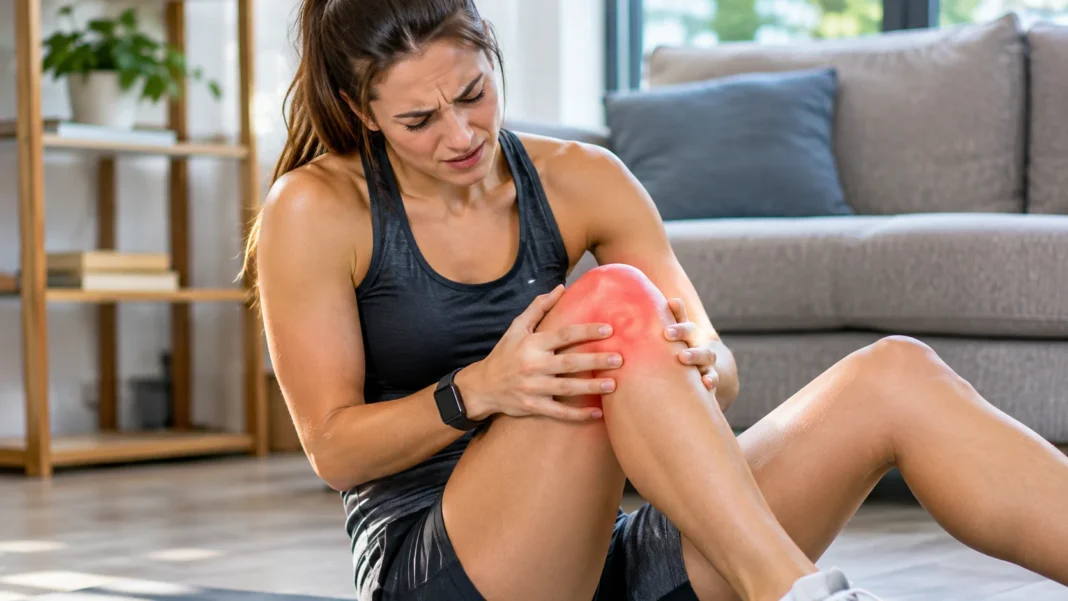


Interior knee pain, also called medial knee pain, refers to discomfort along the inner side of the knee joint. It can develop suddenly after an injury or appear gradually because of repeated movement, joint inflammation, or changes in physical activity. Understanding the possible causes can help you recognize warning signs and decide when medical evaluation may be necessary.
The knee is a complex joint made up of bones, ligaments, cartilage, tendons, and surrounding muscles. These structures work together to support walking, climbing stairs, bending, and everyday movements. When one becomes irritated, injured, or overloaded, pain may develop along the inside of the knee, sometimes accompanied by swelling, stiffness, or instability.
If you are experiencing interior knee pain, the cause may involve a ligament injury, meniscus damage, arthritis, or tendon irritation. However, the location of discomfort alone cannot confirm a diagnosis. This guide explains common causes, symptoms, treatment options, home care strategies, and warning signs that indicate when professional medical attention is important.
What Is Interior Knee Pain?
Interior knee pain describes discomfort along the medial, or inner, side of the knee. This area contains important structures, including the medial collateral ligament, medial meniscus, joint cartilage, and nearby tendons. Pain may occur directly along the joint line or slightly above or below it, depending on the affected tissue.
Some people experience a dull ache during normal activities, while others notice sharp pain when twisting, bending, or putting weight on the leg. Symptoms may appear after exercise, a sudden injury, or prolonged standing. The pattern of discomfort can offer useful clues, although several knee conditions produce similar symptoms.
Interior knee pain can affect people with different activity levels and medical histories. Athletes may develop symptoms after sudden changes in direction, while others experience discomfort related to arthritis or repetitive movements. Identifying the underlying cause is important because treatment varies considerably between ligament injuries, cartilage problems, and inflammatory conditions.
What Causes Pain on the Inside of the Knee?
Pain on the inner side of the knee can develop from several different injuries and medical conditions. Common causes include medial collateral ligament sprains, medial meniscus injuries, osteoarthritis, and pes anserine bursitis. Each condition affects different structures, although their symptoms may overlap during walking, bending, or other weight-bearing activities.
Sudden twisting movements can strain ligaments or damage cartilage, especially during sports and physically demanding activities. Repeated loading may irritate tendons and nearby tissues over time. In other cases, underlying joint inflammation or degenerative changes can cause discomfort without any memorable accident or specific injury.
The location, severity, and timing of symptoms can help narrow down possible explanations. Swelling, locking, clicking, tenderness, or a feeling that the knee may give way are important details to consider. A healthcare professional can combine these observations with a physical examination and appropriate testing to identify the cause more accurately.
Medial Collateral Ligament Injuries and Knee Pain
The medial collateral ligament, commonly called the MCL, runs along the inner side of the knee. It helps stabilize the joint and prevents excessive inward movement under sideways forces. An MCL injury often occurs when the knee experiences a force from the outside or twists unexpectedly during physical activity.
Symptoms may include pain along the inner knee, localized swelling, tenderness, and discomfort when changing direction. More significant injuries can produce instability or difficulty walking comfortably. The severity depends on whether the ligament has been mildly stretched, partially torn, or completely torn during the injury.
Treatment varies according to the severity of the ligament damage and any associated injuries. Mild sprains often improve with activity modification, appropriate support, and gradual rehabilitation. However, substantial instability, significant swelling, or difficulty bearing weight requires medical evaluation to determine whether additional treatment or imaging is necessary.
Can a Torn Meniscus Cause Interior Knee Pain?
The meniscus is a crescent-shaped piece of cartilage that helps distribute pressure and absorb forces within the knee joint. Each knee contains two menisci, including the medial meniscus on the inner side. Injuries to this structure can cause joint-line pain, particularly during twisting movements or deep knee bending.
Meniscus tears may develop suddenly during sports or gradually as cartilage changes with age and repeated loading. Symptoms can include tenderness, swelling, catching sensations, and difficulty fully bending or straightening the knee. However, clicking alone does not necessarily mean a meniscus is torn, especially when no other symptoms are present.
Treatment depends on the type of tear, symptoms, activity requirements, and overall knee condition. Many people improve with appropriately guided exercise and conservative care, while certain injuries require specialist assessment. A knee that becomes physically locked or cannot straighten normally should be evaluated promptly rather than forced through the restricted movement.
Knee Osteoarthritis and Inner Knee Discomfort
Osteoarthritis is a common joint condition that affects cartilage, bone, and other tissues within the knee. It can cause discomfort on the inner side when the medial joint compartment is involved. Symptoms often develop gradually and may become more noticeable during walking, standing, climbing stairs, or other everyday activities.
People with knee osteoarthritis may experience stiffness after resting, reduced flexibility, and discomfort that changes with activity levels. Mild swelling or grinding sensations can also occur. Although structural changes may appear on imaging, the severity of those findings does not always match how much pain a person experiences.
Management usually focuses on maintaining comfortable movement, improving muscular support, and reducing limitations in daily activities. Physical therapy, appropriate exercises, and selected pain-relief treatments may be useful depending on individual circumstances. A healthcare professional can help distinguish osteoarthritis from other causes of medial knee pain and recommend suitable treatment.
Pes Anserine Bursitis: Pain Below the Inner Knee
Pes anserine bursitis involves irritation of a small fluid-filled sac near the inner side of the upper shinbone. This bursa lies beneath several tendons that attach slightly below the knee joint. When irritated, it may cause localized tenderness and discomfort during activities that load the surrounding muscles and tissues.
Pain typically occurs a short distance below the inner knee joint rather than directly along the joint line. Some people notice discomfort when climbing stairs, rising from a chair, or pressing on the affected area. Similar symptoms can also arise from irritation of the nearby tendons, making careful assessment important.
Treatment often includes modifying aggravating activities and addressing factors that contribute to repeated tissue irritation. A physical therapist may recommend appropriate strengthening and flexibility exercises based on the person’s symptoms. Persistent discomfort should be assessed because meniscus injuries, arthritis, and other conditions can sometimes produce overlapping pain patterns.
Why Does My Inner Knee Hurt Without an Injury?
Interior knee pain does not always result from a visible accident or sudden twisting movement. Repetitive activity, tendon irritation, arthritis, and changes in exercise intensity can gradually produce discomfort. Some people notice symptoms after increasing their walking distance, beginning a new activity, or spending longer periods standing than usual.
Inflammatory conditions may also contribute to unexplained knee pain. Certain forms of arthritis can produce swelling, warmth, stiffness, and tenderness without direct trauma. Less commonly, infections or other medical problems may cause significant symptoms that require prompt professional evaluation rather than ordinary home treatment.
When knee pain begins without an obvious cause, consider whether your activity levels, footwear, or movement habits have recently changed. These details can be useful during medical assessment, but they do not provide a diagnosis by themselves. Ongoing, worsening, or unexplained discomfort deserves evaluation to identify the underlying problem.
Why Does the Inside of My Knee Hurt When Walking?
Walking repeatedly transfers body weight through the knee joint, requiring coordinated movement from bones, cartilage, ligaments, and muscles. When one of these structures becomes irritated, discomfort may appear during each step. Medial knee pain while walking can be associated with arthritis, meniscus problems, ligament injuries, or irritated tendons.
Some people experience pain mainly when walking uphill, downhill, or across uneven surfaces. These activities change the forces acting on the knee and surrounding muscles. Others notice discomfort after walking longer distances, especially when their current activity level exceeds what their body has comfortably adapted to.
If walking causes pain, reducing the intensity or duration temporarily may help prevent additional irritation. Avoid forcing yourself to continue when discomfort becomes significant or changes your normal walking pattern. Persistent pain, instability, or difficulty bearing weight should be assessed to determine whether rehabilitation or another treatment approach is appropriate.
Why Does Interior Knee Pain Get Worse When Bending?
Bending the knee changes the pressure and position of structures inside the joint. Meniscus injuries, arthritis, and certain tendon problems may become more uncomfortable during deeper bending movements. Activities such as squatting, kneeling, and sitting in low chairs can sometimes increase symptoms because they require greater knee flexion.
Pain during bending may also occur when surrounding tissues become irritated after repetitive activity. Some people notice tightness or stiffness rather than sharp discomfort. The exact location of pain, presence of swelling, and whether symptoms occur during particular movements can help healthcare professionals identify which structures may be involved.
Avoid repeatedly forcing the knee into positions that produce significant pain. Gentle movement within a comfortable range may help maintain flexibility, but persistent symptoms should not be ignored. If the knee becomes locked, severely swollen, or difficult to straighten, seek medical assessment instead of attempting aggressive stretching.
Can Interior Knee Pain Occur Without Swelling?
Yes, interior knee pain can occur without noticeable swelling. Mild ligament irritation, tendon problems, early joint changes, and certain meniscus injuries may produce discomfort without obvious enlargement of the knee. The absence of swelling does not automatically mean that the underlying condition is harmless or insignificant.
Some people experience pain only during specific movements, such as climbing stairs or turning suddenly. Others notice tenderness when pressing along the inner side of the joint. These patterns may suggest irritation involving particular tissues, but symptoms alone cannot reliably distinguish every possible knee condition.
When pain occurs without swelling, monitoring its duration, location, and effect on daily activities can be helpful. Temporary discomfort may improve after adjusting aggravating movements. However, persistent pain, repeated instability, or difficulty performing normal activities should prompt professional evaluation even when the knee looks completely normal.
How to Relieve Mild Interior Knee Pain at Home
Mild knee pain related to temporary irritation may improve with sensible activity adjustments and supportive care. Reducing movements that repeatedly worsen symptoms gives sensitive tissues an opportunity to settle. However, complete bed rest is generally unnecessary for minor discomfort, and gentle movement within a comfortable range may help maintain normal joint function.
A cold pack wrapped in a towel may provide temporary pain relief, particularly after a recent minor injury. Applying it for approximately 10–20 minutes at a time can be a practical option. If swelling is present, comfortably elevating the leg during rest may help, while compression support should never restrict circulation.
Over-the-counter pain medication may be appropriate for some people, depending on age, medical history, and other medications. Ask a pharmacist or healthcare professional when uncertain, and follow the product instructions carefully. Home care should not replace professional assessment when pain is severe, symptoms worsen, or normal walking becomes difficult.
What Exercises Can Help With Medial Knee Pain?
Appropriate exercises can help improve strength, mobility, and control around the knee, particularly during rehabilitation. The quadriceps, hamstrings, glutes, and calf muscles all contribute to lower-body movement and joint stability. Strengthening these muscle groups may reduce functional limitations when exercises are selected according to the underlying condition.
Gentle movements such as supported knee extensions, comfortable heel slides, and controlled sit-to-stand exercises may be suitable for some people. However, exercise choices should depend on the diagnosis and current symptoms. Activities that cause sharp pain, instability, or increasing swelling should be stopped rather than continued through discomfort.
A physical therapist can design an individualized program that gradually increases movement demands while monitoring the knee’s response. Progress usually involves improving control and tolerance rather than rushing toward difficult exercises. Maintaining consistent, manageable activity can support recovery, but exercise alone is not appropriate treatment for every cause of interior knee pain.
When Should You See a Doctor for Inner Knee Pain?
A healthcare professional should evaluate knee pain that persists, worsens, or interferes with normal daily activities. Ongoing swelling, reduced movement, repeated giving-way sensations, and pain that prevents comfortable walking are important reasons to seek assessment. A clinician can examine the joint and determine whether further testing may be useful.
Seek urgent medical care after a significant injury if the knee appears deformed, becomes severely swollen, or cannot support body weight. A knee that is physically locked or accompanied by numbness or circulation changes also requires prompt evaluation. These symptoms may indicate an injury that should not be managed through home exercises alone.
A hot, very swollen knee accompanied by fever or significant illness can indicate a joint infection and requires urgent assessment. Sudden unexplained leg swelling, particularly with calf tenderness, also needs prompt attention. Chest pain or difficulty breathing alongside leg symptoms requires emergency care because serious circulation problems may be involved.
How Do Doctors Diagnose Interior Knee Pain?
Diagnosis usually begins with questions about when the pain started, where it occurs, and which activities make it worse. A healthcare professional may also ask about previous injuries, swelling, instability, and other health conditions. Understanding the symptom history helps identify likely causes and determine whether additional investigations are necessary.
During a physical examination, the clinician may assess joint movement, tenderness, ligament stability, and muscle function. Specific movements can provide information about possible meniscus or ligament injuries. However, examination findings must be interpreted together rather than relying on one movement or symptom to establish a diagnosis.
Imaging tests may be recommended depending on the suspected condition. X-rays are useful for evaluating bones and certain joint changes, while MRI can provide more detailed information about ligaments, menisci, and other soft tissues. Not every person with knee pain needs imaging, especially when symptoms and examination findings support an initial conservative treatment approach.
How Long Does Interior Knee Pain Take to Heal?
Recovery time depends on the underlying cause, severity, and treatment requirements. Mild irritation may improve over several days or weeks, while significant ligament or meniscus injuries can require longer rehabilitation. Arthritis-related discomfort may fluctuate over time and often benefits from ongoing management rather than a single short recovery period.
Individual factors also influence healing, including previous injuries, general health, and the demands placed on the affected knee. Returning to strenuous activity before adequate recovery may increase discomfort or delay progress. A rehabilitation plan should consider functional improvements, comfort, strength, and joint stability instead of relying only on a fixed timeline.
Persistent symptoms do not necessarily mean that permanent damage has occurred, but they deserve appropriate attention. Monitoring improvement and following professional guidance can help identify when treatment adjustments are needed. The goal is to regain comfortable movement and everyday function through a realistic approach suited to the actual condition.
How to Prevent Interior Knee Pain
Reducing the risk of knee discomfort begins with gradually increasing physical activity rather than making sudden changes in intensity. Walking, running, and sports place repeated demands on the lower body, so appropriate progression matters. Giving muscles and other tissues time to adapt can help reduce unnecessary irritation from abrupt increases in workload.
Strengthening exercises that support the hips, thighs, and lower legs may improve movement control and overall stability. Balance training can also be useful, particularly for people returning to activity after an injury. However, prevention programs should reflect individual abilities and should not involve pushing through significant pain or excessive fatigue.
Comfortable footwear, suitable activity surfaces, and adequate recovery can contribute to a more manageable exercise routine. Pay attention to recurring discomfort instead of repeatedly ignoring symptoms during physical activity. Although no prevention strategy can eliminate every knee problem, thoughtful movement habits and appropriate conditioning can support long-term joint health.
Conclusion
Interior knee pain can have several causes, including MCL injuries, medial meniscus problems, arthritis, and irritation of nearby tendons or bursae. Symptoms may develop suddenly after an injury or gradually through repetitive activity. Understanding the location, timing, and associated symptoms can help guide the next steps, but a medical assessment may be needed for an accurate diagnosis.
Mild discomfort may improve with temporary activity modifications, supportive care, and suitable exercises. However, severe pain, substantial swelling, instability, or difficulty walking should not be ignored. Professional evaluation helps identify conditions that require specific treatment and reduces the risk of relying on inappropriate home remedies.
Ultimately, managing inner knee pain involves identifying the cause and supporting comfortable movement without forcing painful activities. Recovery and treatment needs differ from person to person, making individualized guidance valuable. If symptoms continue, worsen, or appear alongside warning signs, seeking medical advice is the safest way to protect knee function and mobility.
Frequently Asked Questions
What is the most common cause of interior knee pain?
Common causes include medial collateral ligament sprains, medial meniscus injuries, and knee osteoarthritis. The most likely explanation depends on your age, activity history, symptoms, and whether the pain started after an injury.
Can interior knee pain go away on its own?
Some mild causes of interior knee pain improve with time, activity adjustments, and appropriate care. However, persistent pain, swelling, instability, or difficulty walking should be evaluated to rule out injuries requiring specific treatment.
Why does my inner knee hurt but have no swelling?
Inner knee pain without swelling may result from mild tendon irritation, joint changes, or certain ligament and meniscus problems. The absence of visible swelling does not reliably identify the cause or severity.
Is walking good for interior knee pain?
Gentle walking may help maintain mobility when symptoms are mild and do not worsen with activity. However, avoid forcing yourself to walk through significant pain, instability, or difficulty bearing weight.
How do I know if my inner knee pain is serious?
Seek prompt medical assessment for severe pain, inability to bear weight, significant swelling, deformity, or a locked knee. Fever with a hot, swollen joint also requires urgent evaluation.