
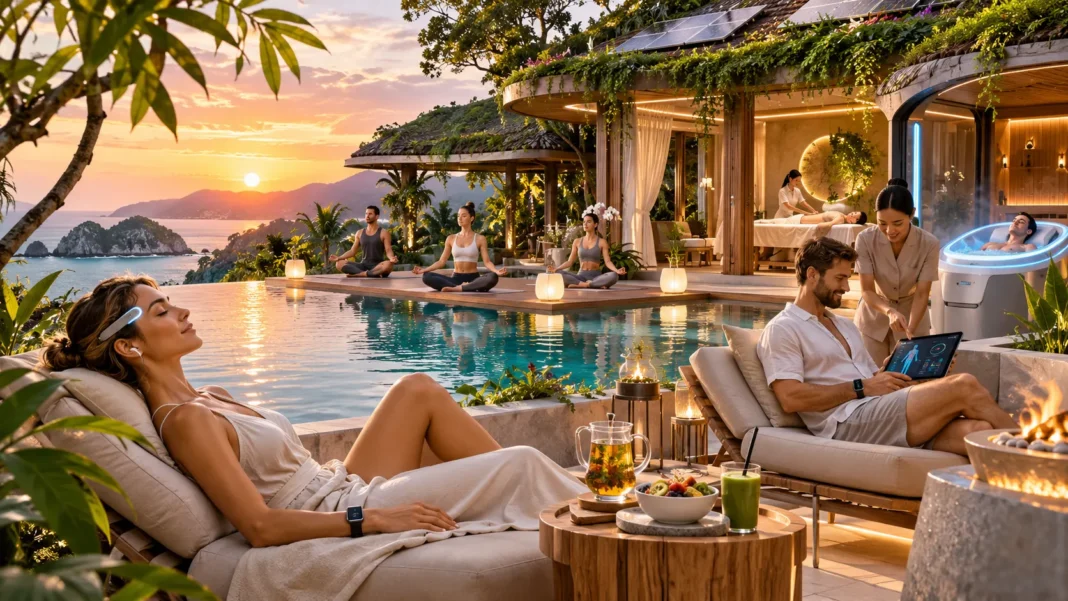


Luxury travel is changing as more people look for holidays that provide relaxation, meaningful experiences, and opportunities to improve everyday well-being. Beautiful hotels and exclusive destinations remain attractive, but travelers are increasingly interested in how a holiday makes them feel. From personalized spa experiences to peaceful nature retreats, wellness is becoming an important part of luxury hospitality.
Luxury wellness travel trends for 2027 are expected to reflect growing interest in sleep quality, healthy aging, emotional well-being, sustainability, and personalized experiences. Hotels and wellness resorts are developing new ways to combine modern technology with traditional relaxation practices. Although future trends cannot be predicted with certainty, several emerging developments are already influencing the direction of premium wellness tourism.
Why Is Luxury Wellness Travel Growing in Popularity?
Luxury wellness travel is becoming increasingly attractive because travelers want more from their holidays than comfortable accommodation. Many people now value peaceful surroundings, restorative activities, and opportunities to establish healthier routines. A wellness holiday can combine traditional leisure with experiences such as yoga, meditation, nutritious dining, and spa treatments. This shift is influencing how luxury resorts design their services.
Modern lifestyles often involve demanding schedules, constant digital communication, and limited opportunities for rest. Wellness-focused travel provides a chance to step away from everyday responsibilities and enjoy a slower pace. Some guests prefer structured programs, while others simply want privacy and relaxation. These different expectations are encouraging resorts to provide more flexible experiences.
The growing interest in well-being is also changing the meaning of luxury itself. Exclusive surroundings and premium facilities remain important, but privacy, thoughtful hospitality, and personal attention are becoming equally valuable. Travelers increasingly appreciate experiences that match their individual needs. This broader definition of luxury is likely to influence wellness tourism throughout 2027.
Personalized Wellness Retreats Will Become More Important
Personalization is expected to remain one of the leading luxury wellness travel trends for 2027. Instead of providing identical schedules to every guest, resorts are increasingly creating experiences based on individual interests and preferences. Travelers may choose between relaxation, gentle fitness, sleep-focused activities, and mindfulness sessions. This flexibility makes wellness holidays more relevant and enjoyable.
Modern wellness resorts can use questionnaires, consultations, and personal preferences to organize customized experiences. Some properties may incorporate digital tools to help guests plan activities or adjust schedules. However, the quality of personal attention remains more important than the amount of technology involved. Guests should feel comfortable making changes without unnecessary pressure.
Personalized wellness programs may also include dining preferences, preferred activity levels, and individual relaxation goals. A traveler seeking quiet surroundings may want a completely different schedule from someone interested in active outdoor experiences. Resorts that recognize these differences can provide more meaningful hospitality. This approach may become an increasingly important feature of premium wellness travel.
Sleep Tourism Will Redefine Luxury Relaxation
Sleep tourism is emerging as a significant part of the luxury wellness industry. Instead of filling holidays with continuous activities, some travelers are choosing destinations designed around rest and comfortable sleeping environments. Luxury hotels are responding with quiet rooms, carefully selected bedding, and sleep-focused services. These experiences reflect growing appreciation for restorative rest.
Future sleep retreats may place greater emphasis on lighting, room temperature, noise reduction, and consistent daily routines. Some properties already provide consultations and relaxation activities intended to support healthy sleep habits. Gentle evening programs and comfortable accommodation can make the experience more enjoyable. However, expensive sleep technology does not automatically guarantee better sleep quality.
Travelers interested in sleep-focused holidays should consider whether the retreat allows sufficient free time and personal flexibility. A peaceful environment and manageable schedule may be more valuable than multiple complicated treatments. Resorts that combine comfort with practical sleep education could become increasingly popular. This makes sleep tourism an important trend to watch in 2027.
Longevity Retreats Will Focus More on Healthy Aging
Longevity-focused wellness travel is gaining attention as travelers become interested in maintaining physical function and quality of life over time. Luxury retreats increasingly discuss healthy aging, movement, nutrition, and preventive healthcare. Some properties combine hotel services with professional consultations and specialized wellness facilities. Their programs can vary considerably in purpose and scientific credibility.
By 2027, more premium wellness destinations may emphasize sustainable habits rather than dramatic anti-aging promises. Activities could include gentle strength training, mobility sessions, balanced dining, and education about daily health routines. These familiar practices have more established foundations than many experimental longevity treatments. Responsible providers should clearly explain the evidence supporting their programs.
Travelers should approach expensive longevity packages carefully, especially when they include medical tests or unfamiliar interventions. A retreat cannot guarantee a longer life or prevent every future illness. Qualified professionals, informed consent, and realistic expectations are essential for services involving healthcare. The most valuable programs may focus on practical habits that remain useful after returning home.
Nature-Based Wellness Travel Will Continue to Expand
Nature-based wellness experiences are expected to remain popular as travelers seek peaceful alternatives to crowded destinations. Forest retreats, mountain lodges, coastal sanctuaries, and secluded countryside resorts provide opportunities to enjoy beautiful surroundings. These environments encourage outdoor activities and a slower travel pace. Their appeal extends beyond traditional spa treatments and luxury accommodation.
Forest bathing, guided nature walks, and outdoor mindfulness sessions may become more common features of wellness holidays. Some resorts are also incorporating gardens, natural materials, and scenic relaxation areas into their designs. These experiences allow visitors to appreciate their surroundings without requiring demanding physical activity. Nature becomes part of the overall hospitality experience.
Destinations such as Japan, Switzerland, Costa Rica, and New Zealand provide attractive settings for nature-focused luxury retreats. However, the most suitable destination depends on personal interests, accessibility, and travel preferences. Nearby countryside escapes can also provide rewarding experiences. The growing appeal of nature suggests that wellness tourism will increasingly value peaceful environments over crowded attractions.
Digital Detox and Quiet Luxury Will Shape Wellness Holidays
Digital detox travel is becoming increasingly relevant as people spend more time connected to phones, computers, and online services. Luxury resorts are responding with quiet environments and experiences that encourage guests to disconnect voluntarily. Some retreats emphasize reading, nature walks, mindfulness, and personal reflection. These activities provide alternatives to constantly checking digital devices.
Quiet luxury is another concept influencing the direction of premium wellness hospitality. Instead of emphasizing elaborate decoration and continuous entertainment, some properties focus on privacy, simplicity, and carefully designed spaces. Comfortable accommodation, attentive service, and peaceful surroundings become central attractions. This understated approach can create a relaxing atmosphere without excessive stimulation.
By 2027, travelers may increasingly appreciate resorts that respect personal boundaries and provide flexible digital experiences. Not everyone wants to disconnect completely, especially when communication is important for family or work responsibilities. The most thoughtful properties will allow guests to choose their level of connectivity. This balance makes digital wellness more accessible and practical.
AI and Smart Technology Will Support Personalized Wellness
Artificial intelligence is expected to play a growing role in planning luxury wellness experiences. Hotels may use digital systems to understand guest preferences, recommend suitable activities, and organize personalized itineraries. These tools can reduce the time spent arranging appointments and comparing services. However, their value depends on thoughtful implementation and accurate information.
Smart hotel rooms may also provide adjustable lighting, temperature controls, and other comfort features. Some wellness properties already use digital tools to support sleep environments and personalized hospitality. In the future, these systems could become more closely integrated with daily retreat schedules. Travelers should still have control over their preferences and personal information.
Privacy will remain an important consideration as wellness technology develops. Guests may be asked to share information about health goals, sleep habits, or lifestyle preferences. Resorts should explain how personal information is collected, protected, and used. Responsible technology can improve convenience, but it should complement rather than replace meaningful human attention.
Thermal Spa Experiences Will Gain Greater Attention
Thermal wellness experiences are becoming more visible within premium travel. Traditional hot springs, mineral baths, saunas, and carefully designed bathing facilities provide opportunities for relaxation. Countries with established bathing traditions may benefit from renewed interest in these experiences. Luxury resorts are also incorporating contemporary thermal facilities into their wellness environments.
Japan, Iceland, Hungary, and Italy are attractive destinations for travelers interested in hot springs and bathing culture. Different locations provide distinctive landscapes, historical traditions, and spa facilities. Guests may combine thermal bathing with comfortable accommodation and cultural activities. This creates a broader holiday experience rather than focusing exclusively on individual spa treatments.
Some modern thermal programs include alternating warm and cool environments, but these activities are not appropriate for everyone. Extreme temperatures can create health risks, particularly for people with certain medical conditions. Well-managed resorts should provide clear safety information and suitable alternatives. In 2027, thoughtful facilities and responsible guidance may become more important markers of quality.
Sustainable Wellness Resorts Will Attract Conscious Travelers
Sustainability is becoming an important consideration for travelers choosing luxury wellness accommodation. Many visitors want to understand how resorts manage energy, water, waste, and the surrounding environment. Properties located in sensitive natural areas face particular responsibilities. Environmental awareness is therefore becoming connected with the broader concept of responsible wellness travel.
Luxury resorts may increasingly invest in efficient buildings, renewable energy, water conservation, and locally sourced ingredients. Some properties also support habitat protection and community initiatives. These measures can reduce certain environmental impacts while creating opportunities for meaningful guest experiences. However, sustainability claims should be supported by transparent information rather than attractive marketing language alone.
Travelers can evaluate a resort’s environmental practices before making reservations. Useful considerations include transport arrangements, conservation policies, local employment, and waste management. Luxury wellness tourism still has an environmental footprint, particularly when long-distance flights are involved. A thoughtful approach recognizes these trade-offs while supporting more responsible hospitality practices.
Mindful Movement and Emotional Wellness Will Become Central
Luxury wellness travel is expanding beyond traditional massage and beauty treatments to include activities that support emotional well-being. Gentle yoga, meditation, breathing exercises, and guided relaxation are becoming familiar components of retreat programs. Some properties also emphasize creative activities and meaningful social experiences. This reflects a broader understanding of wellness.
Mindful movement programs may include stretching, walking, Pilates-inspired sessions, and beginner-friendly fitness activities. These experiences can help guests enjoy movement without following demanding workout schedules. Qualified instructors can adjust activities to different abilities and comfort levels. The emphasis should remain on accessible participation rather than unrealistic physical expectations.
Emotional wellness retreats may also provide opportunities for reflection, relaxation, and supportive conversations. However, a luxury holiday should not be presented as a replacement for professional mental healthcare. Programs making therapeutic claims deserve careful evaluation. Resorts that respect individual needs and provide realistic experiences are likely to appeal to thoughtful wellness travelers.
Cultural Wellness Experiences Will Become More Authentic
Cultural wellness travel is expected to attract people who want experiences connected to local traditions and communities. Travelers are showing interest in learning about established bathing practices, regional food cultures, and traditional relaxation activities. These experiences can add meaning to a wellness holiday. They also provide opportunities to appreciate the destination beyond the resort.
Japan’s onsen traditions, Thailand’s massage culture, and India’s established yoga heritage provide examples of culturally connected wellness experiences. However, traditions differ between communities and should be represented accurately. Luxury properties can work with knowledgeable local practitioners to create respectful programs. This approach benefits both guests and the people sharing their expertise.
By 2027, authentic cultural experiences may become an increasingly important feature of premium wellness destinations. Travelers may prefer smaller guided activities, local workshops, and opportunities to understand traditional practices. Responsible hospitality should avoid presenting every cultural custom as a medical treatment. Respect, education, and genuine community involvement can make these experiences more meaningful.
How to Choose a Luxury Wellness Retreat in 2027
Choosing a luxury wellness retreat begins with identifying your main travel priorities. Some people want peaceful accommodation and spa treatments, while others prefer yoga, cultural experiences, or outdoor activities. Understanding these preferences helps narrow the available destinations. A retreat that suits your interests is often more valuable than one with the longest program.
Travelers should compare accommodation standards, qualified staff, wellness facilities, and the activities included in each package. Check whether treatments, consultations, meals, and transportation require additional payment. It is also important to review cancellation terms and accessibility arrangements. These practical details can significantly influence the comfort of the overall holiday.
Be cautious about retreats promising guaranteed transformations, rapid anti-aging results, or cures for medical conditions. Reputable providers should explain their services clearly and avoid exaggerated health claims. A flexible schedule with enough time for personal relaxation is another useful feature. Thoughtful planning helps create a memorable experience without unnecessary pressure or expense.
Conclusion
Luxury wellness travel trends for 2027 point toward more personalized, peaceful, and meaningful holiday experiences. Sleep tourism, nature-based retreats, responsible longevity programs, and thoughtful technology are likely to influence premium hospitality. Travelers are increasingly interested in comfort, flexibility, and experiences that support everyday well-being rather than luxury for its own sake.
The future of wellness tourism also involves greater attention to sustainability, privacy, and cultural authenticity. Resorts that respect local communities and provide transparent wellness services may become more attractive to informed travelers. Traditional relaxation practices and modern hospitality can work together when programs are designed responsibly. The strongest experiences will balance innovation with realistic expectations.
Choosing the right luxury wellness holiday ultimately depends on personal priorities, travel preferences, and available resources. A memorable retreat does not need complicated treatments or an intensive schedule to feel valuable. Peaceful surroundings, enjoyable activities, satisfying meals, and comfortable rest can create lasting memories. These simple qualities may define the most appealing wellness journeys of 2027.
Frequently Asked Questions
What are the biggest luxury wellness travel trends for 2027?
Major expected trends include personalized retreats, sleep-focused holidays, nature-based wellness, longevity programs, and sustainable resorts. AI-assisted planning, cultural experiences, and quiet luxury are also likely to influence premium wellness tourism.
Will sleep tourism become more popular in 2027?
Sleep tourism is likely to remain an important wellness travel trend. Luxury hotels are increasingly emphasizing quiet rooms, comfortable bedding, thoughtful lighting, and relaxation activities designed around restful sleeping environments.
What destinations are best for luxury wellness travel in 2027?
Japan, Thailand, Switzerland, Costa Rica, and the Maldives are attractive wellness destinations. The best choice depends on whether travelers prefer thermal spas, tropical resorts, nature retreats, cultural experiences, or personalized programs.
How is technology changing luxury wellness retreats?
Technology is helping some resorts personalize itineraries, adjust room environments, and organize wellness activities. AI and smart systems may improve convenience, although privacy, reliable information, and personal attention remain essential.
Are luxury wellness retreats worth the cost?
Luxury wellness retreats can be worthwhile for travelers who value comfortable accommodation, professional services, and peaceful surroundings. Their value depends on personal priorities, realistic expectations, and the quality of the experiences included.