
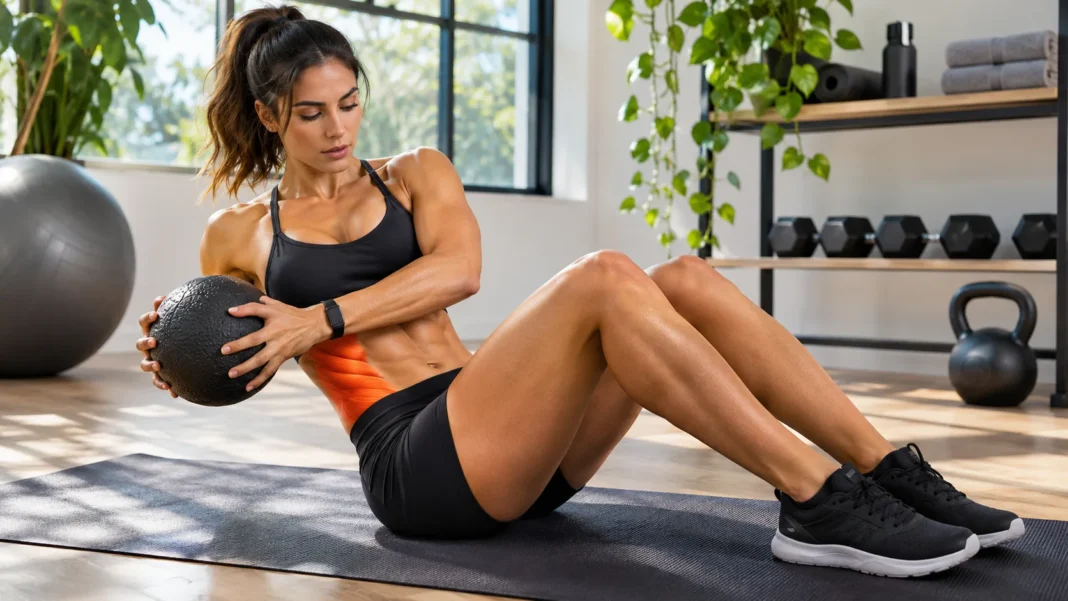


Strong core muscles help support everyday movements such as walking, bending, reaching, and maintaining balance. The oblique muscles, located along the sides of your abdomen, play an important role in rotating your torso, controlling movement, and supporting spinal stability. Including an obliques workout in your fitness routine can improve functional strength and make daily physical activities feel more comfortable.
Learning the right obliques workout techniques is important for building core strength safely and effectively. Whether you are a beginner or someone looking to improve an existing exercise routine, understanding proper form can help you get more from each movement. This guide covers effective oblique exercises, their benefits, common mistakes, and practical tips for developing a balanced core workout.
What Are the Oblique Muscles and Where Are They Located?
The oblique muscles are located on both sides of your abdomen and form part of your core muscle group. They help control movements involving twisting, bending sideways, and stabilizing your torso during physical activity. These muscles also work with your abdominal, back, and pelvic muscles to support coordinated movement throughout the body.
There are two main groups of oblique muscles: the external obliques and internal obliques. The external obliques are positioned closer to the surface, while the internal obliques sit beneath them. Both groups contribute to trunk rotation, side bending, and maintaining stability when your body moves in different directions.
Your oblique muscles are active during many ordinary tasks, including carrying objects, reaching across your body, and turning while walking. They also support movements involved in sports and recreational activities. Understanding their function can help you choose exercises that strengthen your core without relying on unnecessary twisting or excessive physical strain.
Benefits of Adding Obliques Workouts to Your Routine
Oblique exercises can improve your ability to stabilize and control your torso during everyday movement. These muscles help your body resist unwanted rotation and maintain balance when you shift positions. Strengthening them alongside other core muscles may make activities such as lifting, carrying, and reaching feel more controlled.
A balanced core workout can also support physical activities that involve turning or changing direction. Sports such as tennis, basketball, swimming, and recreational running require coordinated movement between the upper and lower body. Strong obliques contribute to this coordination by helping transfer and control movement through your trunk.
Oblique training may also improve muscular endurance and movement awareness. However, strengthening one muscle group does not guarantee freedom from back pain or automatically improve athletic performance. The greatest benefits usually come from combining suitable core exercises with regular physical activity, appropriate recovery, and balanced strength training.
How to Prepare for an Obliques Workout
Preparing your body before exercise can help you move comfortably and become familiar with the movements ahead. Begin with a few minutes of easy activity, such as walking or marching in place. Gradually add gentle shoulder movements, comfortable trunk rotations, and other controlled actions that prepare your body for core exercises.
Choose a clear exercise space where you can move without obstacles or slippery surfaces. A supportive exercise mat may improve comfort during floor-based movements, while a stable chair can help with certain beginner modifications. Wear clothing that allows easy movement and keep water available during longer exercise sessions.
Before starting, consider your current fitness level and any existing injuries or health conditions. Begin with movements you can perform comfortably instead of attempting difficult exercises immediately. If you have persistent back pain, a recent abdominal injury, or other medical concerns, seek appropriate professional guidance before introducing unfamiliar core movements.
Side Plank Exercise for Oblique Strength
The side plank is a popular core exercise that challenges the muscles responsible for stabilizing your torso. It primarily involves resisting sideways bending while maintaining a controlled body position. The exercise activates the obliques alongside other muscles around your shoulders, hips, and trunk.
Begin by lying on your side with your elbow positioned beneath your shoulder. Bend your knees for a beginner variation, then gently lift your hips while maintaining a comfortable line from your shoulders toward your knees. Keep your neck relaxed and avoid allowing your upper shoulder to collapse toward the supporting arm.
Hold the position for a short period while breathing naturally, then lower your hips with control. Repeat on the opposite side to work both sides of your body. As your strength improves, you may gradually extend your legs, but maintaining stable form is more important than holding the position for an extended time.
Bicycle Crunches for Oblique Muscle Activation
Bicycle crunches combine controlled trunk rotation with alternating leg movements. This exercise engages the obliques and other abdominal muscles while challenging coordination between your upper and lower body. It is commonly included in bodyweight core workouts because it requires little equipment and offers several possible modifications.
Lie on your back with your knees bent and your hands resting lightly near your head. Lift your shoulders slightly if comfortable, then slowly rotate your torso toward the opposite knee as one leg moves away. Continue alternating sides without pulling your neck or forcing your lower back into an uncomfortable position.
Focus on controlled rotation rather than trying to complete repetitions quickly. If extending your legs increases discomfort, keep your feet closer to the floor or use a smaller movement. People with neck or back sensitivity may prefer another exercise, since bicycle crunches are not necessary for achieving a balanced core routine.
Russian Twists for Controlled Core Rotation
Russian twists are a seated exercise that challenges the muscles involved in rotating and stabilizing your trunk. They can help develop movement awareness when performed slowly and within a comfortable range. However, repeated twisting may aggravate certain back conditions, so the exercise is not appropriate for everyone.
Sit on the floor with your knees bent and your feet resting comfortably on the ground. Keep your torso upright or lean backward slightly if you can maintain control without discomfort. Slowly rotate your shoulders a small distance toward one side, return to the center, and repeat in the opposite direction.
Avoid swinging your arms or using momentum to force a larger rotation. Beginners can keep their feet grounded and perform the movement without additional weights. If twisting produces back discomfort, choose an anti-rotation exercise instead, such as a modified side plank or another suitable stability movement.
Standing Side Bends for Beginner Core Training
Standing side bends are a simple movement that can help you explore controlled sideways motion through your trunk. They involve the oblique muscles and may be useful as part of a gentle beginner routine. The exercise requires little space and can be performed without weights or specialized equipment.
Stand with your feet comfortably apart and your arms relaxed by your sides. Slowly bend your torso toward one side while keeping the movement small and controlled. Return to an upright position using your trunk muscles, then repeat toward the opposite side without leaning forward or backward excessively.
Keep your knees comfortable and avoid forcing the movement to achieve a deeper bend. The goal is controlled motion rather than reaching as far as possible. If you experience discomfort or have a condition that limits spinal movement, a stability exercise may be more appropriate than repeated side bending.
Dead Bug Exercise for Core Stability
The dead bug exercise challenges your abdominal muscles to stabilize the torso while your arms and legs move. Although it does not isolate the obliques, these muscles contribute to maintaining control and resisting unwanted rotation. This makes the exercise a useful addition to a balanced core-strengthening routine.
Lie on your back with your knees bent and your arms directed comfortably toward the ceiling. Slowly move one arm and the opposite leg away from the center while keeping your trunk stable. Return to the starting position and alternate sides, choosing a movement range that allows you to breathe naturally.
Avoid extending your limbs so far that your back becomes uncomfortable or your pelvis shifts excessively. Beginners can keep their feet on the floor and move one limb at a time. Consistent, controlled repetitions help develop core coordination without requiring heavy equipment or complicated exercise techniques.
Bird Dog Exercise for Oblique and Back Stability
The bird dog exercise strengthens coordination between the core, hips, shoulders, and back muscles. Your obliques help resist unwanted trunk rotation as you move opposite limbs. This makes the exercise especially useful for practicing balanced movement and maintaining stability during everyday physical activities.
Begin on your hands and knees, placing your hands beneath your shoulders and knees beneath your hips. Slowly extend one leg backward while reaching the opposite arm forward if comfortable. Keep your hips reasonably level and avoid twisting your torso or lifting your limbs higher than necessary.
Pause briefly before returning to the starting position and switching sides. If balancing feels difficult, practice extending only one arm or one leg at a time. The purpose is to control movement smoothly rather than reach a particular height or complete repetitions as quickly as possible.
Heel Touches for a Simple Obliques Workout
Heel touches are a floor-based exercise that involves small sideways movements of the upper body. They can engage the abdominal muscles, including the obliques, while requiring relatively little equipment. This movement may appeal to beginners who want to practice gentle trunk control without standing or using weights.
Lie on your back with your knees bent and feet placed comfortably on the floor. Rest your arms alongside your body, then lift your shoulders slightly if that position feels comfortable. Slowly reach one hand toward the same-side heel, return toward the center, and repeat on the other side.
Avoid pulling your head forward or moving aggressively through your neck and shoulders. Keep the motion small and focus on controlled movement rather than how far you can reach. If lifting your shoulders creates discomfort, consider replacing this exercise with a side plank modification or another comfortable core movement.
Pallof Press for Anti-Rotation Core Strength
The Pallof press is an anti-rotation exercise that challenges the obliques to keep your torso stable. Rather than repeatedly twisting, you resist a sideways pulling force while moving your arms away from your chest. This makes it a useful option for developing trunk control during functional strength training.
Attach a resistance band securely to an appropriate anchor at approximately chest height. Stand sideways to the anchor and hold the band close to your chest with both hands. Slowly extend your arms forward while keeping your shoulders, hips, and torso facing the same direction.
Return your hands toward your chest with control and repeat before changing sides. Use light resistance that allows you to maintain balance and steady breathing. Make sure the band and anchor are secure, and stop if you experience pain or difficulty controlling the movement.
How to Create a Beginner Obliques Workout Routine
A beginner obliques workout should focus on learning a few movements rather than completing every available exercise. Side planks, dead bugs, and bird dogs provide different ways to challenge core stability. Combining these movements allows you to practice controlling your torso without depending entirely on repeated twisting or abdominal crunches.
Start with a manageable number of repetitions or brief holds based on your comfort and ability. For example, you might practice several slow dead bug movements, a few bird dog repetitions, and short modified side planks. Rest between exercises and avoid continuing when your technique begins to deteriorate.
As the movements become familiar, you can gradually adjust repetitions, resistance, or exercise difficulty. There is no need to increase every part of the workout at once. Progress should remain comfortable and consistent, with enough recovery time to support learning and avoid unnecessary overuse.
Common Oblique Exercise Mistakes to Avoid
One common mistake is performing abdominal exercises too quickly without controlling the movement. Rushing through twists, crunches, or side bends can increase reliance on momentum and make technique harder to maintain. Slow, deliberate repetitions allow you to notice your body position and work within a comfortable range.
Another mistake is holding your breath during challenging core exercises. Breath-holding can create unnecessary tension and make some movements feel more difficult. Try to maintain relaxed, steady breathing while keeping your torso controlled, especially during side planks and resistance-band exercises.
Ignoring discomfort is also a problem when developing a new workout routine. Sharp pain, increasing back discomfort, dizziness, or unusual symptoms are reasons to stop and reassess the exercise. Selecting easier variations and building strength gradually is generally more useful than forcing difficult movements before you can perform them comfortably.
How Often Should You Train Your Oblique Muscles?
Oblique training can be included within a broader strength and fitness routine rather than treated as a separate daily requirement. These muscles already contribute to many activities, including walking, lifting, carrying, and other core exercises. Additional targeted training should reflect your goals, experience, and recovery needs.
Beginners may find it practical to include a few core exercises on two or three nonconsecutive days each week. This provides opportunities to practice movement while allowing recovery between more demanding sessions. The appropriate frequency varies, so pay attention to fatigue, soreness, and how comfortably you can maintain proper technique.
Training more frequently does not automatically produce better results. Regular movement, balanced strengthening, and adequate rest all contribute to physical performance. When planning exercise sessions, prioritize consistency and manageable progression rather than completing a high number of repetitions or attempting increasingly demanding routines too quickly.
How to Progress Your Obliques Workout Safely
Progressive exercise involves gradually increasing difficulty as your strength, coordination, and confidence improve. For oblique training, progression may include slightly longer holds, more controlled repetitions, or a modest increase in resistance. Improving technique is often a valuable first step before adding additional physical demands.
For example, you might begin with a modified side plank supported by your knees. Once that position becomes comfortable and stable, you could explore a full side plank if it suits your abilities. Similarly, a basic Pallof press can become more challenging with carefully selected resistance rather than faster movement.
Avoid making several major changes during the same workout because doing so can make it difficult to judge your response. Allow your body time to adapt and reduce intensity when fatigue affects movement quality. Gradual progression supports a sustainable exercise routine and helps you recognize which activities feel appropriate for your needs.
Everyday Activities That Support Strong Obliques
Oblique strength is useful beyond planned exercise sessions because these muscles contribute to many daily tasks. Carrying groceries, reaching for objects, and changing direction while walking all require coordinated trunk stability. Regular physical activity gives your core opportunities to support natural movements throughout the day.
Activities such as swimming, walking, recreational sports, and suitable resistance training can involve the oblique muscles alongside other muscle groups. Their contribution varies depending on the movement and intensity. A balanced approach to physical activity may help develop overall strength, mobility, and endurance without focusing exclusively on one abdominal muscle group.
Comfortable movement habits also support better awareness of your trunk and body position. Change positions during prolonged sitting and choose activities that allow you to move regularly. Rather than constantly tightening your abdominal muscles, aim for natural movement and appropriate muscular engagement during everyday tasks.
Who Should Modify or Avoid Certain Oblique Exercises?
Not every oblique exercise is suitable for every person, particularly when existing injuries or medical conditions affect the spine or abdomen. Repeated twisting, deep side bending, and demanding abdominal movements may increase discomfort in some situations. Choosing exercises should depend on individual symptoms and the recommendations of qualified healthcare professionals.
People recovering from abdominal surgery, dealing with certain spinal conditions, or experiencing persistent back pain may need modified routines. Pregnancy and postpartum recovery can also change which abdominal exercises are appropriate. A physiotherapist or another qualified professional can help identify movements that support strength without placing unnecessary stress on sensitive areas.
Exercise should feel manageable and should not produce sharp pain or worsening symptoms. If an activity causes unusual pressure, persistent discomfort, or difficulty maintaining control, stop and consider a more suitable alternative. Individualized guidance is especially valuable when you are uncertain whether a particular movement is appropriate for your health needs.
Conclusion
A well-planned obliques workout can help improve core strength, trunk stability, and movement coordination. Exercises such as side planks, dead bugs, bird dogs, and Pallof presses offer practical ways to challenge these important abdominal muscles. Understanding proper form allows you to select movements that match your abilities and support comfortable physical activity.
Building strength does not require complicated equipment or exhausting exercise sessions. Beginners can start with a few manageable movements and gradually adjust difficulty as coordination and confidence improve. Balanced training, appropriate recovery, and consistent technique are more important than completing large numbers of repetitions or forcing uncomfortable positions.
Oblique exercises work best when included as part of an overall fitness routine that supports the whole body. Pay attention to how your muscles respond, avoid pushing through pain, and seek professional advice when health concerns affect exercise choices. With regular practice and thoughtful progression, you can develop stronger core control for everyday movement and recreational activities.
Frequently Asked Questions
What is the best workout for obliques?
Side planks, Pallof presses, bird dogs, and controlled rotational exercises can strengthen the obliques. The best workout depends on your experience, goals, comfort, and ability to maintain proper technique.
Can beginners do obliques workouts at home?
Yes, beginners can practice oblique exercises at home using bodyweight movements such as modified side planks, dead bugs, and bird dogs. Start with comfortable variations and progress gradually as strength improves.
How often should I work out my obliques?
Beginners can often include core exercises two or three times weekly with suitable recovery between demanding sessions. The best frequency depends on exercise intensity, overall activity, and individual recovery needs.
Do oblique exercises help with back stability?
Oblique muscles contribute to trunk stability and controlled movement, so strengthening them may support everyday physical function. However, exercise alone cannot prevent or treat every cause of back pain.
Do I need weights for an effective obliques workout?
No, bodyweight exercises can provide a useful challenge for the oblique muscles. Resistance bands or weights are optional tools that may be introduced gradually when you can maintain controlled and comfortable movement.