
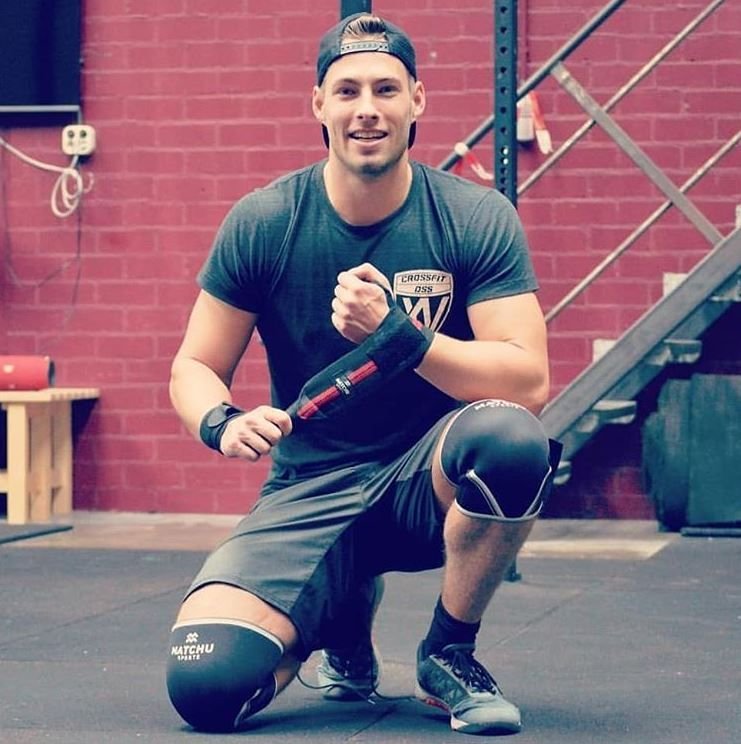


Across commercial gyms, wrist wraps now appear on lifters whose goals extend well beyond powerlifting. They are used during dumbbell presses, barbell work, and high-volume sessions, where repeated loading asks the wrists to stay steady. Their wider use reflects a practical change: more gym members treat wrist support as part of session preparation rather than a sign of competitive status. The reasons become clearer when their function is separated from gym fashion.
During pressing, the wrist can extend under load, particularly when a bar or dumbbell rests poorly across the palm. Properly tensioned weightlifting wrist wraps restrict excessive movement while allowing the fingers to grip. This support suits repeated presses and front-rack work, but it cannot replace sound positioning, gradual increases in load, or attention to pain.
Why Wrist Wraps Have Spread
Powerlifting made wrist wraps familiar because pressing heavy loads places considerable demands on wrist positioning. The same joint works during many everyday gym exercises. Lifters use wraps for bench presses, overhead presses, and some front squats, even when they have no plans to compete.
Gym routines have also grown more varied. A session might combine barbell presses with dumbbell work or high-repetition circuits. Wraps fit easily into that mix because lifters can put them on and remove them between exercises.
Social media and gym communities have made training equipment more visible. As lifters see wraps used across different routines, the gear feels less tied to one specialty. Practical needs, rather than competition status, now shape many decisions about training accessories.
Support Without a Shortcut
A wrist wrap adds external support around the joint. The pressure limits how far the wrist moves backward during a lift, helping the lifter maintain a steadier position under load. It does not lock the wrist, and it cannot correct poor hand placement.
That distinction matters. During a bench press, the bar usually sits over the heel of the palm, with the wrist stacked above the forearm. If the bar rests too close to the fingers, the wrist bends back. A wrap cannot make that position sound.
Wraps also do not replace strength, mobility, or a careful increase in training load. A lifter who relies on tight support for every movement may miss useful feedback from the wrist. Selective use keeps attention on technique and lets the lifter assess how each exercise feels.
Choosing When to Wear Them
The exercise provides a sensible starting point. A lifter might choose wraps for heavy pressing or repeated sets that challenge wrist stability, then leave them off for pulling movements that need less support. The choice should match the task, not someone else’s routine.
Training experience matters, too. New lifters benefit from learning a stable wrist position before adding equipment. A coach can check bar placement, grip width, and forearm alignment, then determine whether support addresses a real limitation.
Discomfort deserves attention, not concealment. Wraps change how a joint moves under load, but they do not diagnose an injury. Sharp pain, swelling, numbness, or symptoms that continue outside training call for a pause and professional guidance.
Fit Matters in Practice
A wrap should feel secure without cutting off circulation or distracting the lifter. If the fingers tingle, the hand changes color, or the wrap causes discomfort, it is too tight. Loosen it before continuing the set.
Placement affects the support. Most lifters wrap the material around the wrist joint, then fasten it so the wrist stays supported while the hand moves freely. The right feel depends on the exercise and personal preference, so testing the setup with a light warm-up set helps.
Wraps also need sensible care. Sweat and repeated use leave the fabric damp, so letting it dry between sessions helps keep it comfortable. Inspect the fastening and material regularly; worn or loose wraps are harder to secure consistently.
Conclusion
Gym culture has widened the role of wrist wraps because more lifters train with repeated pressing and heavier loads. Their usefulness still depends on a specific need, correct placement, and a suitable fit.
A practical next step is to check wrist position during the lifts that cause discomfort or instability, then decide whether wraps improve control without changing technique. If pain persists, pause training and seek advice from a licensed clinician.