
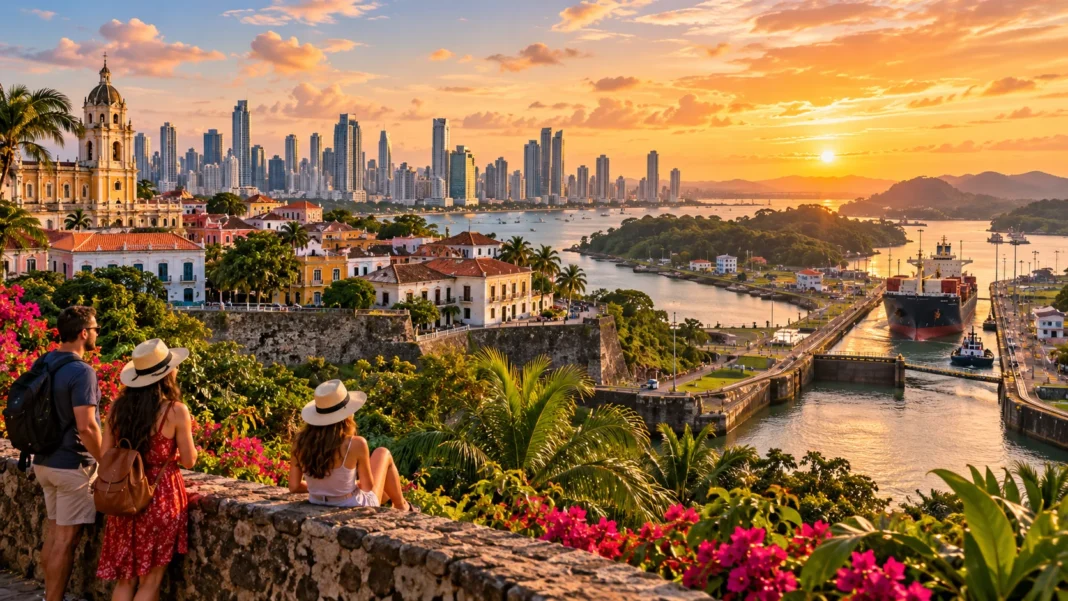


Panama is one of Central America’s most fascinating travel destinations, offering an incredible combination of modern cities, tropical rainforests, beautiful beaches, and historic landmarks. Located between Costa Rica and Colombia, this vibrant country connects North and South America while offering access to both the Caribbean Sea and Pacific Ocean. Its diverse landscapes make it an appealing destination for travelers with different interests.
The best places to visit in Panama include the world-famous Panama Canal, the colorful streets of Casco Viejo, the tropical islands of Bocas del Toro, and the scenic mountains of Boquete. Visitors can explore rainforest trails, discover traditional communities, relax on beautiful beaches, and experience the country’s rich cultural heritage. Every region offers something memorable.
Whether you are planning a family vacation, a nature-focused adventure, or a relaxing tropical getaway, Panama has numerous attractions worth exploring. Understanding the country’s major destinations, transportation options, and seasonal weather can help you create a more enjoyable itinerary. This guide highlights Panama’s top attractions, hidden gems, and practical travel tips.
1. Panama Canal – One of the World’s Greatest Engineering Wonders
The Panama Canal is undoubtedly one of the most famous attractions in Panama and an essential stop for first-time visitors. This remarkable waterway connects the Atlantic and Pacific Oceans, allowing ships to travel between them without navigating around South America. Its engineering history and economic importance make it a fascinating destination for travelers interested in technology and global trade.
Visitors can explore the Miraflores Visitor Center near Panama City, where designated observation areas provide views of ships passing through the canal locks. Educational exhibits and presentations explain how the waterway operates and why it transformed international shipping. Watching enormous vessels move through the locks offers an impressive demonstration of engineering and transportation.
The Panama Canal is particularly appealing because it combines history, science, and modern infrastructure in one memorable experience. Travelers should check visitor center schedules and ship transit information before arriving because viewing opportunities vary. Including the canal in a Panama City itinerary provides valuable insight into the country’s international significance.
2. Casco Viejo – Explore Panama City’s Historic District
Casco Viejo, also called Casco Antiguo, is the historic heart of Panama City and one of its most charming neighborhoods. Known for colorful colonial architecture, narrow streets, historic churches, and lively public squares, the district offers a fascinating contrast to the modern skyline. Its restored buildings reflect different periods of Panama’s cultural and architectural history.
Visitors can wander through picturesque streets, admire historic landmarks, and explore local museums and cultural attractions. Popular locations include Plaza de la Independencia, the Metropolitan Cathedral, and beautiful waterfront viewpoints. The neighborhood also features restaurants, cafés, artisan shops, and historic buildings that showcase the city’s evolving character.
Casco Viejo is especially enjoyable for travelers interested in history, photography, and local culture. Exploring on foot allows visitors to appreciate architectural details and discover attractive public spaces. Because restoration and development continue across the district, checking current access conditions can help travelers plan their sightseeing activities more comfortably.
3. Bocas del Toro – A Tropical Caribbean Paradise
Bocas del Toro is one of Panama’s most beautiful coastal destinations, famous for its turquoise waters, tropical islands, and relaxed Caribbean atmosphere. Located near the Costa Rican border, this archipelago attracts visitors seeking beautiful beaches, marine experiences, and lush natural landscapes. Its colorful island communities add cultural interest to the stunning scenery.
Travelers can explore Isla Colón, visit nearby islands, and discover scenic beaches surrounded by tropical vegetation. Popular activities include guided boat excursions, snorkeling in suitable conditions, and relaxing along peaceful shorelines. The region also provides opportunities to learn about local communities and appreciate the biodiversity of Panama’s Caribbean coast.
Bocas del Toro is especially appealing to travelers who want to combine outdoor exploration with a relaxed island holiday. However, heavy rainfall can occur throughout the year, and sea conditions may influence transportation or activities. Choosing responsible tour operators and respecting marine habitats can help preserve the archipelago’s natural beauty.
4. San Blas Islands – Discover Guna Yala’s Natural Beauty
The San Blas Islands, located within the Indigenous Guna Yala territory, are among Panama’s most spectacular tropical destinations. The archipelago is famous for its white-sand beaches, turquoise waters, coconut palms, and beautiful island scenery. Its relatively simple tourism facilities create a different atmosphere from highly developed beach resorts.
Visitors can enjoy peaceful coastal surroundings, swim in suitable conditions, and explore selected islands through locally authorized excursions. Many tourism experiences are organized by Guna communities, providing opportunities to learn about local customs and traditions. Travelers should follow community rules and respect restrictions involving photography, cultural activities, and protected areas.
Accommodation and transportation options can be basic, making advance planning particularly important. Some visitors stay in traditional island cabins rather than luxury hotels, and facilities may be limited. The islands are best appreciated through responsible tourism that respects Guna autonomy, supports community-operated services, and protects the delicate marine environment.
5. Boquete – Mountains, Coffee Farms, and Natural Scenery
Boquete is a beautiful mountain town located in Panama’s Chiriquí Highlands, known for its pleasant climate, green landscapes, and famous coffee plantations. Surrounded by mountains and cloud forests, the town offers a refreshing change from the country’s tropical coastal regions. Its natural environment makes it popular among hikers, photographers, and nature enthusiasts.
Visitors can explore scenic walking trails, tour coffee farms, and discover waterfalls hidden within the surrounding countryside. Guided coffee experiences explain how beans are cultivated, processed, and prepared. The region is particularly well known for producing high-quality Geisha coffee, which has become internationally recognized for its distinctive characteristics.
Boquete also offers opportunities for birdwatching and exploring the natural beauty of western Panama. Travelers may encounter colorful birds and other wildlife during guided forest excursions. Because mountain weather can change quickly, carrying suitable clothing and checking trail conditions can help make outdoor activities more comfortable.
6. Volcán Barú National Park – Panama’s Highest Mountain
Volcán Barú National Park is home to Panama’s highest mountain, reaching approximately 3,474 meters above sea level. Located in western Panama, this volcanic landscape features highland vegetation, mountain forests, and impressive panoramic views. The protected area attracts visitors interested in geology, wildlife, and exploring the country’s remarkable mountain scenery.
The national park offers opportunities for guided nature experiences and mountain sightseeing. Under exceptionally clear conditions, viewpoints near the summit may reveal distant views toward both the Pacific Ocean and Caribbean Sea. However, weather conditions change rapidly, and clouds frequently limit visibility across the surrounding landscape.
Access to higher mountain areas can be demanding because of altitude, weather, and challenging terrain. Travelers should use appropriate authorized services and follow park regulations rather than attempting unfamiliar routes without preparation. Visitors who prefer easier experiences can enjoy the surrounding highland region and its beautiful natural attractions.
7. El Valle de Antón – A Beautiful Town Inside a Volcanic Crater
El Valle de Antón is a picturesque mountain town located within the broad crater of an ancient volcano. Surrounded by green hills and tropical vegetation, it offers a peaceful environment for nature lovers and visitors seeking cooler temperatures. Its unusual geological setting makes it one of Panama’s most interesting inland destinations.
Travelers can explore scenic walking routes, visit local markets, and discover nearby waterfalls and natural viewpoints. The town is also known for its rich birdlife, botanical attractions, and opportunities to experience traditional community life. Its compact center makes it convenient for visitors who enjoy combining sightseeing with relaxed countryside exploration.
El Valle de Antón is a popular weekend destination for residents of Panama City because it offers a pleasant escape from urban surroundings. Visitors can stay in small hotels or guesthouses and explore the surrounding landscape at a comfortable pace. Checking trail conditions and seasonal weather helps ensure a more enjoyable visit.
8. Coiba National Park – A Remarkable Marine Wildlife Destination
Coiba National Park is one of Panama’s most extraordinary protected areas, located off the Pacific coast in the Gulf of Chiriquí region. The park includes Coiba Island and surrounding marine environments known for rich biodiversity. Its protected waters and coastal ecosystems attract travelers interested in conservation, wildlife, and natural scenery.
Authorized excursions provide opportunities to explore selected marine areas, observe wildlife, and appreciate the park’s beautiful island landscapes. Depending on conditions, visitors may encounter sea turtles, tropical fish, dolphins, and other marine animals. Guided snorkeling experiences can also introduce travelers to the region’s remarkable underwater biodiversity.
Coiba is an important conservation destination, and visitor access is regulated to protect sensitive ecosystems. Most travelers arrange excursions through authorized operators, often departing from Santa Catalina. Following marine protection rules and avoiding disturbance to wildlife helps preserve one of Panama’s most valuable natural environments.
9. Soberanía National Park – Rainforest and Birdwatching Adventures
Soberanía National Park is a beautiful tropical rainforest reserve located near Panama City and the Panama Canal. Its relatively accessible location makes it an attractive destination for visitors who want to experience rainforest biodiversity without traveling far from the capital. The park protects forest habitats supporting numerous bird, mammal, and reptile species.
One of the park’s best-known attractions is Pipeline Road, a popular location for birdwatching and guided nature walks. Visitors may observe toucans, colorful tropical birds, and other wildlife while exploring established forest routes. Experienced guides can help identify species and explain the ecological importance of Panama’s tropical forests.
Soberanía National Park is particularly appealing to photographers, birdwatchers, and travelers interested in conservation. Rainforest conditions can be humid, and rainfall may affect walking surfaces throughout the year. Comfortable footwear, suitable clothing, and respect for wildlife-viewing guidelines can make the experience more enjoyable and responsible.
10. Taboga Island – A Relaxing Escape Near Panama City
Taboga Island, often called the Island of Flowers, is a picturesque destination located in the Gulf of Panama. Its colorful village, tropical vegetation, and beautiful coastal scenery make it a popular day trip from Panama City. The island offers a relaxed atmosphere that contrasts with the capital’s busy streets and modern buildings.
Visitors usually reach Taboga by ferry from the Amador Causeway area. Once on the island, travelers can explore charming streets, enjoy waterfront scenery, and relax on sandy beaches. Small restaurants and local establishments provide opportunities to enjoy regional food while appreciating the surrounding Pacific Ocean views.
Taboga Island is especially suitable for travelers with limited time who want to experience Panama’s coastal beauty. Ferry schedules and beach conditions should be checked before departure, particularly during changing weather. A day trip can provide a memorable combination of seaside relaxation, local culture, and attractive scenery.
11. Pearl Islands – Beautiful Beaches and Island Escapes
The Pearl Islands are a scenic archipelago in the Gulf of Panama, known for their tropical beaches, clear coastal waters, and peaceful island landscapes. Located in the Pacific Ocean, these islands offer a variety of experiences for travelers interested in relaxation, wildlife, and natural beauty. Contadora Island is among the best-known destinations.
Visitors can explore sandy beaches, admire coastal scenery, and participate in suitable guided marine excursions. Certain areas offer seasonal opportunities for observing marine wildlife, including whales during migration periods. The islands’ natural surroundings make them especially attractive to photographers and travelers looking for quieter coastal destinations.
Transportation to the Pearl Islands generally involves ferry services or flights, depending on the destination. Because facilities vary considerably between islands, travelers should research accommodation and transportation before planning their visit. Respecting marine habitats and following local tourism regulations helps protect these beautiful Pacific environments.
12. Portobelo – Historic Forts and Caribbean Heritage
Portobelo is a historic coastal town on Panama’s Caribbean side, famous for its colonial-era fortifications and rich cultural heritage. Once an important Spanish trading port, the town contains historic structures that reveal its role in regional maritime history. Its beautiful bay and surrounding tropical landscapes add to its appeal.
Visitors can explore preserved fortifications, historic streets, and cultural landmarks while learning about Panama’s colonial past. Portobelo is also closely associated with Afro-Panamanian traditions and regional religious celebrations. These cultural influences provide opportunities to understand the diverse communities that have shaped the country’s identity.
Portobelo works well as a cultural excursion for travelers interested in history and Caribbean scenery. Nearby coastal areas also offer opportunities for nature-focused sightseeing. Exploring with knowledgeable local guides can provide valuable historical context while supporting businesses and communities connected with the town’s heritage.
13. Santa Catalina – Coastal Beauty and Surfing Culture
Santa Catalina is a small coastal community on Panama’s Pacific coast, known for its relaxed atmosphere, beautiful scenery, and reputation as a surfing destination. The village attracts travelers seeking peaceful beaches and access to nearby marine attractions. Its relatively undeveloped character makes it appealing to visitors who enjoy simple coastal environments.
Santa Catalina is an important departure point for excursions to Coiba National Park. Travelers can also explore the local shoreline, enjoy beach walks, and visit restaurants serving regional dishes. Surfing is a prominent part of the destination’s identity, although ocean conditions can be powerful and unsuitable for inexperienced swimmers.
The area offers guesthouses, small hotels, and locally operated visitor services. Travelers should understand that transportation connections may require additional planning compared with larger destinations. Choosing appropriate coastal activities and respecting local environmental guidelines can make a visit to Santa Catalina both enjoyable and responsible.
14. Amador Causeway – Scenic Waterfront Views in Panama City
The Amador Causeway is one of Panama City’s most attractive waterfront destinations, connecting several small islands near the Pacific entrance to the Panama Canal. It offers impressive views of the capital’s skyline, nearby waterways, and passing ships. Its open coastal setting makes it popular for sightseeing, walking, and recreational activities.
Visitors can explore waterfront pathways, enjoy cycling where appropriate, and stop at restaurants overlooking the ocean. The causeway is also home to attractions such as the Biomuseo, which focuses on Panama’s natural history and biodiversity. These experiences provide a convenient combination of outdoor recreation and educational sightseeing.
The Amador Causeway is particularly beautiful during the late afternoon when sunlight creates attractive views across the water. Travelers can include it in a broader Panama City itinerary alongside the canal and historic district. Its accessibility makes it suitable for visitors who want scenic experiences without leaving the capital.
15. Panama Viejo – Discover the Ruins of the Original City
Panama Viejo is an important archaeological and historical attraction located within modern Panama City. It preserves the remains of the city’s original Spanish colonial settlement, founded in the early sixteenth century. Its historic ruins provide insight into Panama’s early colonial history and the development of regional trade routes.
Visitors can explore designated archaeological areas, historic building remains, and educational displays explaining the settlement’s history. The cathedral tower is one of the site’s most recognizable landmarks and provides a striking reminder of the original city. Guided tours can help travelers understand the significance of the structures and historical events.
Panama Viejo is particularly valuable for visitors interested in architecture, archaeology, and cultural heritage. Its open environment can become hot during the day, making comfortable clothing and sun protection useful. Combining the site with Casco Viejo provides a broader understanding of Panama City’s historical development.
16. Playa Venao – A Beautiful Beach on the Azuero Peninsula
Playa Venao is a scenic beach destination located along Panama’s Azuero Peninsula. Known for its curved sandy coastline, surrounding green hills, and relaxed seaside atmosphere, it attracts visitors seeking coastal recreation and peaceful landscapes. The area has developed a reputation as a popular destination for surfing and beach holidays.
Visitors can enjoy beach walks, admire ocean views, and explore nearby cafés and restaurants. The surrounding region also provides opportunities to discover traditional Panamanian communities and beautiful countryside scenery. Ocean conditions vary throughout the year, so swimming and other water activities should be approached according to local safety advice.
Playa Venao is appealing to travelers who prefer smaller coastal destinations over large urban resorts. Accommodation options range from simple guesthouses to more comfortable holiday properties. Its location on the Azuero Peninsula makes it possible to combine beach relaxation with regional cultural experiences and countryside exploration.
17. Gulf of Chiriquí – Islands and Marine Wildlife
The Gulf of Chiriquí is a beautiful coastal region in western Panama, known for its islands, tropical scenery, and diverse marine ecosystems. Its protected areas contain beaches, mangroves, and underwater habitats that support numerous animal species. The region is particularly interesting to travelers who appreciate nature-focused coastal experiences.
Visitors can arrange authorized boat excursions to selected islands and marine areas. Popular activities include wildlife observation, beach exploration, and guided snorkeling when conditions are suitable. Certain locations also provide seasonal opportunities to observe whales and other marine animals from appropriate distances.
The Gulf of Chiriquí offers a quieter alternative to some of Panama’s better-known tropical destinations. However, transportation and visitor facilities vary between coastal communities and islands. Selecting responsible tour providers and following conservation guidelines can help protect the region’s natural environments while supporting local tourism businesses.
Best Time to Visit Panama for Sightseeing
The best time to visit Panama generally falls between December and April, when much of the Pacific side experiences its drier season. These months often provide favorable conditions for city sightseeing, beach visits, and outdoor activities. However, temperatures remain warm, and local weather can vary significantly across different regions.
The rainy season typically extends from May through November across much of the country. Rainfall often occurs in afternoon showers, although heavier or prolonged periods are possible. Panama’s Caribbean coast follows somewhat different weather patterns and can receive substantial rainfall throughout the year, making destination-specific planning important.
Travelers who prefer fewer crowds may consider visiting during transitional periods between the main tourist seasons. Rainy months can also bring lush green landscapes and attractive rainforest scenery. Choosing suitable travel dates depends on whether your priorities include beaches, wildlife, mountain exploration, or cultural sightseeing.
How to Get Around Panama During Your Trip
Transportation in Panama includes domestic flights, intercity buses, taxis, rental vehicles, and local boat services. Panama City also has a modern metro system that provides convenient access to several urban areas. The best transportation option depends on your destinations, budget, travel schedule, and preferred level of flexibility.
Long-distance buses connect many cities and towns, making them useful for budget-conscious travelers. However, reaching remote beaches, mountain villages, and island departure points may require additional connections. Domestic flights can reduce travel time when visiting distant regions, although schedules and availability should be checked carefully.
Rental vehicles may offer flexibility for exploring certain mainland destinations, but road conditions and driving requirements vary. Island visits frequently involve ferries or authorized boat operators, and weather can affect departure times. Planning transportation in advance can reduce unnecessary delays and make a multi-destination itinerary easier to manage.
Essential Travel Tips for First-Time Visitors to Panama
Before traveling to Panama, check passport validity, entry requirements, and any applicable visa conditions for your nationality. Travelers should also review current health guidance and consider appropriate travel insurance. Keeping important documents accessible and maintaining copies of essential information can make international travel more manageable.
Panama uses the balboa as its official currency alongside the widely circulated United States dollar. Cards are accepted in many urban establishments, but cash can be useful in smaller communities and rural destinations. Travel expenses vary considerably depending on accommodation choices, transportation methods, and the regions included in your itinerary.
Respecting local communities and natural environments is an important part of traveling responsibly. Visitors should follow protected-area regulations, avoid disturbing wildlife, and seek permission before photographing individuals. Learning basic Spanish phrases can also improve everyday communication and create more positive experiences while exploring Panama’s diverse attractions.
Conclusion
Panama is a remarkable destination that combines modern city attractions, historic landmarks, lush rainforests, and beautiful tropical islands. From the impressive Panama Canal to the colorful streets of Casco Viejo and the turquoise waters of Bocas del Toro, the country offers unforgettable sightseeing opportunities. Its diverse landscapes make it appealing to travelers interested in nature, culture, and coastal relaxation.
The best places to visit in Panama depend on your personal interests and available travel time. Nature lovers may enjoy Boquete, Soberanía National Park, and Coiba, while beach enthusiasts can explore the San Blas Islands, Pearl Islands, and Playa Venao. History enthusiasts will find fascinating cultural experiences in Panama City and Portobelo.
Planning a successful Panama vacation involves considering regional weather, transportation options, and the location of major attractions. Allowing enough time to explore each destination can make the journey more enjoyable and less rushed. With thoughtful preparation and respect for local communities, Panama offers an exciting combination of memorable experiences and beautiful scenery.
Frequently Asked Questions (FAQs)
1. What are the best places to visit in Panama?
The best places to visit in Panama include the Panama Canal, Casco Viejo, Bocas del Toro, San Blas Islands, Boquete, and Coiba National Park. Each offers distinctive attractions and experiences.
2. How many days are enough to explore Panama?
Seven to ten days allows travelers to explore Panama City and one or two additional regions. A two-week trip provides more time for beaches, rainforests, mountain towns, and cultural experiences.
3. What is the best month to visit Panama?
January, February, and March are popular months because much of Panama experiences relatively dry weather. However, the ideal travel period depends on the region and planned activities.
4. Is Panama expensive for tourists?
Panama offers travel options for different budgets. Costs depend on accommodation, transportation, dining, and activities, with remote island destinations and specialized excursions sometimes costing more than mainland sightseeing.
5. Is Panama a good destination for nature lovers?
Yes, Panama is an excellent destination for nature lovers because of its tropical rainforests, diverse wildlife, protected marine environments, and scenic mountains. National parks provide many opportunities for responsible nature exploration.