
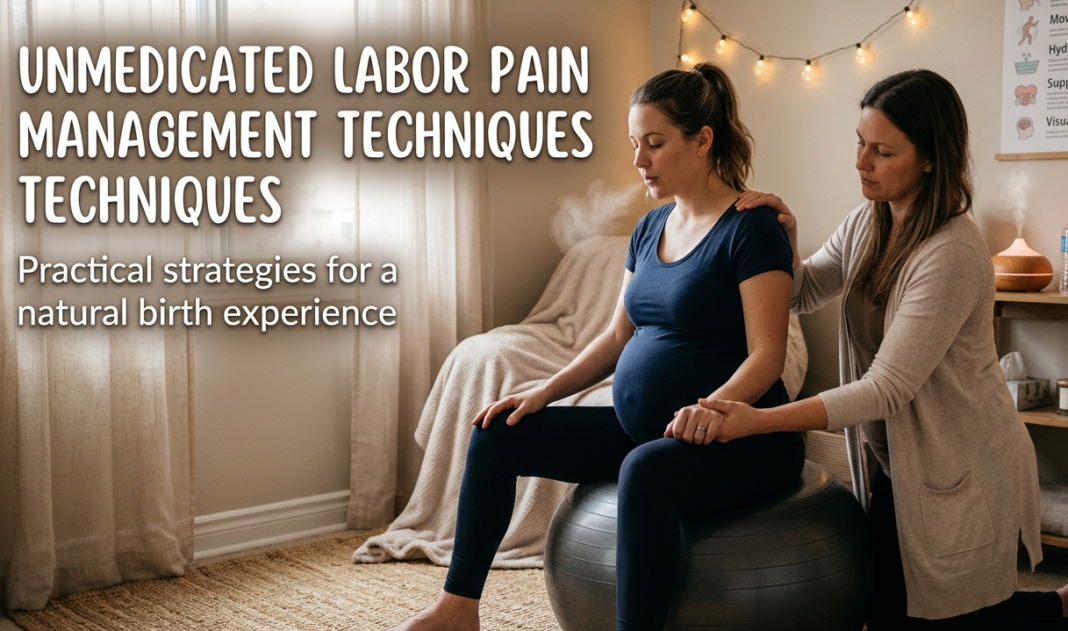


Introduction to Unmedicated Labor Pain Management
Unmedicated labor refers to the approach of giving birth without the use of pharmacological pain relief methods. This method has gained traction among expectant mothers who seek to experience labor in a more natural and interconnected manner. The choice to pursue unmedicated labor may stem from various personal, philosophical, or medical considerations, with an underlying desire for an active role during childbirth.
One of the primary reasons expectant mothers opt for this method is to retain a greater sense of control during labor. Many women believe that unmedicated labor allows them to be more aware of their bodies and the birthing process, facilitating a more intuitive approach to managing pain. This can lead to a profound sense of empowerment for the mother, as she actively engages with her body’s natural rhythms and responses.
The benefits of unmedicated labor pain management extend beyond merely avoiding medication. Many women report increased mobility during labor, allowing them to shift positions and utilize various techniques to cope with pain. This mobility can often enhance comfort and promote progress in labor. Furthermore, unmedicated approaches typically result in fewer side effects compared to their medicated counterparts, reducing the risk for both mother and baby. Issues such as prolonged labor, complications arising from anesthesia, or potential drug-related effects on the newborn are less frequently encountered in unmedicated births.
Moreover, engaging in methods like breathing techniques, visualization, and physical support can enhance the experience of labor. As such, unmedicated labor pain management not only fosters a more involved birthing experience but also allows mothers to connect deeply with the process of bringing new life into the world. The subsequent sections will delve into the various techniques and strategies that can facilitate unmedicated labor, ensuring that expectant mothers are well-equipped to manage their pain effectively.
Understanding Labor Pain
Labor pain is a complex experience that comprises both physiological and psychological elements. As a woman progresses through labor, she undergoes significant physical changes driven by hormonal and neural processes. Contractions of the uterus are the primary source of discomfort, often perceived as intense and varying in duration and frequency. This physical aspect is reinforced by the body’s release of stress hormones, which can amplify sensations of pain during labor.
However, it is essential to recognize that pain perception is highly individualistic. Factors such as a person’s previous experiences with pain, their pain threshold, and cultural background can significantly influence how labor pain is experienced. Some individuals may find labor to be less painful than anticipated, while others may perceive it as overwhelmingly intense. This variability underscores the complexity of labor pain, which can differ not only from woman to woman but also from one labor experience to another.
In addition to physiological factors, psychological elements play a crucial role in shaping the labor experience. Emotional responses to labor, influenced by fear, anxiety, and the presence or absence of support systems, can alter pain perception and increase the intensity of labor pain. For instance, women who feel supported by their partners and caregivers often report a more positive experience, potentially perceiving pain as more manageable. Conversely, those who feel isolated or fearful may struggle more significantly with the pain of labor.
Integrating an understanding of both the physiological and psychological components of labor pain is crucial for developing effective unmedicated pain management strategies. This holistic approach acknowledges that addressing emotional well-being can have profound effects on pain perception, ultimately contributing to a more empowering childbirth experience.
Preparation for Unmedicated Labor
Preparing for unmedicated labor is a vital step that can significantly influence the birthing experience. Central to this preparation is the creation of a comprehensive birth plan. A birth plan outlines the preferences and expectations for labor and delivery, including the desire to manage pain without medication. It serves as a communication tool between expectant mothers and their healthcare providers, ensuring that all parties are aligned concerning the chosen approach to each phase of labor.
In addition to formulating a birth plan, attending prenatal classes can be immensely beneficial. These classes often provide essential education about the labor process, familiarization with various unmedicated pain management techniques, and coping strategies such as breathing exercises, visualization, and movement. Knowledge gained from these sessions can empower women to feel more in control during labor, reducing anxiety and fear.
Gathering necessary supplies for the birth process is another crucial aspect of preparation. Supplies may include comfort items like essential oils, massage tools, birthing balls, and soothing music. Having these resources readily available can enhance the environment and promote a calmer atmosphere during labor. Additionally, discussing pain management options with healthcare providers is essential. Open dialogue allows for the exploration of various techniques, such as hydrotherapy, acupressure, and continuous labor support, which may be considered beneficial for unmedicated labor.
Ultimately, adequate preparation fosters a sense of readiness and promotes confidence, empowering women to make informed decisions regarding their unmedicated labor journey. By taking these steps, expectant mothers can enhance their likelihood of having a positive birthing experience without the use of pain medication.
Breathing Techniques
During labor, effective pain management is crucial, and one of the most accessible methods for coping with discomfort is through various breathing techniques. These methods not only help manage pain but also promote relaxation and focus. Among the most commonly used breathing techniques is deep abdominal breathing, which involves taking slow, deep breaths through the nose, allowing the abdomen to expand fully. This form of breathing encourages oxygenation, which can be particularly beneficial during contractions.
Another popular method is patterned breathing, often referred to as “breathing in a rhythm.” This technique can vary based on personal preferences, but it generally involves a cycle of inhaling and exhaling in counts, such as inhaling for four counts, holding for a second, and then exhaling for six counts. This rhythmic approach can help women maintain their focus during labor and alleviate the perception of pain by creating a mental anchor.
Furthermore, visualization can be integrated alongside breathing techniques to enhance their effectiveness. Visualization involves mentally picturing serene images or positive outcomes while practicing specific breathing patterns. For instance, imagining waves that rise and fall can simulate the intensity of contractions, encouraging women to breathe with the rhythm of their labor.
To practice these breathing techniques effectively, expectant mothers can dedicate time in the weeks leading up to labor to become familiar with each method. Regular practice not only increases comfort levels but also fosters confidence in utilizing these strategies during labor. Moreover, pregnant women might consider attending childbirth classes where they can learn and practice these techniques in a supportive environment.
Overall, mastering breathing techniques can significantly enhance labor experiences, allowing for improved pain management and fostering a sense of calm amidst the labor process.
Relaxation Techniques
During labor, the significance of relaxation cannot be overstated. Effective relaxation techniques can greatly influence pain perception, helping to mitigate discomfort and promote a more positive birthing experience. Among the many strategies available, progressive muscle relaxation, guided imagery, and aromatherapy stand out as particularly effective methods.
Progressive muscle relaxation (PMR) involves tensing and then relaxing various muscle groups throughout the body. This technique requires individuals to focus on the contrast between tension and relaxation, promoting an overall sense of ease. By systematically working through the body, expectant mothers can cultivate greater body awareness, channeling their energy into relaxation rather than tension. Moreover, studies have shown that this method can contribute to reduced levels of anxiety and pain perception during labor.
Guided imagery is another powerful relaxation technique employed during labor. This method involves creating mental images of peaceful scenes or scenarios, which can help to distract from contractions and foster a sense of calm. Visualization can also harness the mind’s power, allowing women to mentally prepare for the experience of childbirth. Imagining the successful progression of labor can instill confidence, encouraging the mother’s body to function optimally.
Aromatherapy is an additional component that can enhance relaxation during labor. The use of essential oils, such as lavender or chamomile, can create a soothing environment. Inhalation or topical application of specific oils can elicit positive emotional responses and induce relaxation. The olfactory system is closely linked to the brain’s emotional center, meaning that pleasant scents can provide a powerful calming effect during labor rituals.
In conclusion, incorporating relaxation techniques such as progressive muscle relaxation, guided imagery, and aromatherapy can be crucial for managing pain naturally during labor. By effectively utilizing these methods, expectant mothers can improve their overall labor experience and manage discomfort more efficiently.
Positioning and Movement
During labor, the significance of positioning and movement cannot be overstated. Choosing the right labor positions can play a crucial role in enhancing comfort and promoting progress during the birthing process. Various positions can alleviate pain and may facilitate optimal fetal positioning, thereby potentially shortening the duration of labor.
One effective position is squatting, which can open the pelvis and utilize gravity to assist in descending the baby. This position not only engages the lower body muscles but also encourages the fetus to move downward through the birth canal, creating a more efficient labor process. Standing can also be beneficial as it allows for the use of gravity, and shifting weight from one leg to the other can relieve discomfort and stimulate contractions.
Another beneficial movement during labor is the use of rocking motions. Whether through gentle swaying while standing, or sitting on a birth ball, rocking helps to soothe the body and alleviate the intensity of contractions. Movement, in any form, improves circulation and may foster relaxation, thereby diminishing labor pain. Frequent position changes throughout labor can also assist in coping with discomfort and may lead to a quicker labor due to the changes in pelvic dimensions they create.
Additionally, contracting muscles can be less tense when a person shifts their weight and finds a comfortable position. Encouraging an active labor process through mobility can empower individuals, providing a sense of control and aiding in pain management. By consciously engaging with movement and positioning, laboring individuals can optimize their body’s natural response to labor, paving the way for a more positive birthing experience.
Hydrotherapy and Water Birth
Hydrotherapy continues to gain recognition as an effective method for managing labor pain without the use of medication. Utilizing water for this purpose can create a serene environment that fosters relaxation, ultimately alleviating discomfort during labor. Immersion in warm water, such as soaking in a bathtub or using a birthing pool, has been shown to provide significant therapeutic benefits. The buoyancy of water serves to lessen the weight of the body, allowing for an enhanced sense of freedom of movement while easing the intensity of contractions.
When engaging in hydrotherapy, various techniques can be employed to maximize the pain-relieving effects of water. For instance, warm baths provide gentle thermal stimulation, which can help soothe tense muscles. The inherent properties of water can aid in facilitating a more comfortable labor progression by promoting relaxation and lowering stress levels, both of which are essential for an unmedicated birth experience.
Additionally, the use of a birthing pool can offer a comforting alternative during labor. Many women report a decreased perception of pain when immersed in warm water, which may be attributed to the calming effect it has on the body. The hydrostatic pressure of water may also play a role in reducing swelling and enhancing circulation, further contributing to a more pleasant labor experience. As women navigate through contractions, the ability to shift positions within the water can encourage optimal fetal positioning, as well as provide a sense of empowerment.
Ultimately, hydrotherapy stands out as a valuable tool in the suite of unmedicated labor pain management techniques. Its integration into the birthing process, whether through simple baths or more extensive birthing pool experiences, underscores the significance of water in supporting a holistic approach to childbirth.
Support Systems During Labor
The experience of unmedicated labor can vary significantly based on the level of support a woman receives from her partner, doulas, and maternity support teams. Having a dedicated support system is essential in helping women manage labor pain effectively and enhances the overall birthing experience. Continuous encouragement and proactive advocacy during this process can provide women with the emotional and physical comfort they need.
Partners play an instrumental role, offering emotional support and reassurance throughout labor. Their presence can help establish a sense of safety and comfort, which is crucial for coping with pain. Physical comfort measures, such as holding a woman’s hand, providing back massages, and maintaining eye contact, can help ease anxiety and tension. Simple gestures of love and support can significantly impact the woman’s pain perception.
Doulas, trained professionals who specialize in labor support, can provide invaluable assistance. They offer continuous physical, emotional, and informational support based on their expertise in labor techniques. Doulas can guide women through various pain management strategies, including breathing exercises, visualization techniques, and position changes. Their experience allows them to anticipate need and provide responsive assistance, which can help women feel empowered and in control.
Moreover, creating a nurturing environment is essential for women in labor. The presence of a supportive team that fosters open communication and addresses fears can enhance the woman’s labor experience. Continuous support not only helps manage discomfort but also improves coping mechanisms. Encouragement to remain mobile and change positions can lead to a more manageable labor process and may reduce the overall perception of pain.
In conclusion, a strong support system composed of partners, doulas, and support teams can greatly improve the unmedicated labor experience. By fostering a nurturing environment and providing continuous encouragement, they empower women to cope with labor pain in a more effective and positive manner.
Conclusion and Encouragement for Expectant Mothers
In the journey toward childbirth, the experiences of labor can vary significantly from one mother to another. For those considering unmedicated labor, utilizing natural pain management techniques can pave the way for a fulfilling birth experience. Throughout this discussion, we have explored various strategies such as breathing exercises, visualization, and the use of movement and positions to cope with labor pain. These methods can not only help manage discomfort but also empower mothers by fostering a sense of control over their labor process.
Self-efficacy plays a crucial role in successfully navigating labor without medication. By cultivating confidence in their ability to manage pain and trusting their body’s innate capabilities, expectant mothers can enhance their overall childbirth experience. Remember, each labor journey is unique, and being adaptable to the evolving sensations of labor is essential. It is paramount for mothers to remain open to adjusting their strategies as needed, ensuring a flexible approach to pain management.
Making informed choices about labor pain management is vital. Expectant mothers should engage in conversations with their healthcare providers, attend childbirth education classes, and connect with other mothers who have experienced unmedicated labor. These discussions can provide valuable insights and bolster reassurance. As you consider the path ahead, remember that every decision should align with your personal values and preferences, ultimately leading to a positive and empowering birthing experience.
In conclusion, embarking on the journey of unmedicated labor can be a profound testament to a mother’s strength and resilience. With the right preparation, resources, and support, expectant mothers can embrace their labor with confidence and grace.