


Introduction: The Connection Between Steps and Weight Loss
The relationship between physical activity and weight management is a well-documented phenomenon, with walking emerging as one of the most accessible forms of exercise. Engaging in regular walking, and consequently increasing daily step counts, plays a vital role in achieving a caloric deficit, which is essential for weight loss. The fundamental principle of weight loss revolves around burning more calories than one consumes, and walking serves as a practical method to accomplish this.
Each step taken contributes to the total caloric expenditure for the day. As an individual increases their walking habits, they may find that this not only aids in weight reduction but also enhances overall physical fitness and health. Moreover, the act of walking can be easily incorporated into daily routines, whether through commuting, leisure activities, or designated exercise sessions. This accessibility makes it a favorable choice for a wide range of individuals aiming to shed pounds.
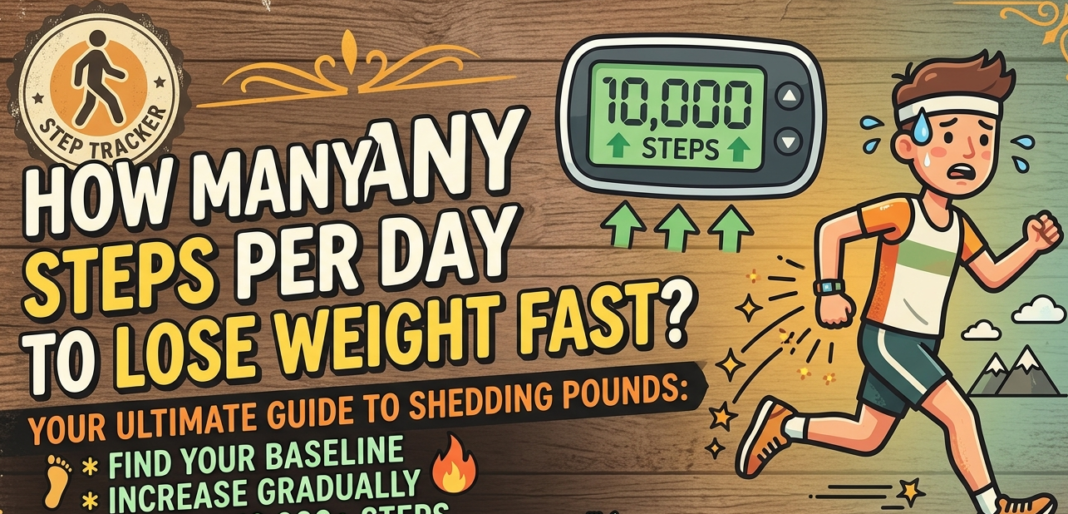
The recommended number of steps for weight loss often cited is around 10,000 steps per day; however, the optimal figure can vary based on personal fitness levels, dietary habits, and specific weight loss goals. Consistent tracking of daily steps can provide valuable insights into progress and motivate further enhancements in activity levels. In addition to facilitating weight loss, walking also contributes to improved cardiovascular health, mental well-being, and enhanced metabolic function.
In summary, the connection between increased daily steps and weight loss is not merely anecdotal; it is rooted in the principles of energy balance and the body’s caloric needs. By understanding and leveraging this relationship, individuals can take meaningful steps toward achieving their weight loss objectives.
Understanding Calories and Weight Loss
To effectively manage weight, it is essential to grasp the concept of calories and their relationship with metabolism. A calorie is a unit of measurement for energy, and understanding how calories influence body weight provides insight into effective weight loss strategies. Weight loss occurs when there is a caloric deficit, meaning the calories expended exceed those consumed. This balance plays a crucial role in the dynamics of body weight.
The human body requires a certain number of calories to maintain basic functions, known as the basal metabolic rate (BMR). Factors influencing BMR include age, sex, genetics, and body composition. Regular physical activity plays a significant role in enhancing total daily energy expenditure (TDEE), which is the total number of calories burned in a day, combining BMR and calories burned through various activities.
Engaging in physical activities, such as walking, running, or other exercises, increases the number of calories burned, which can help create the caloric deficit needed for weight loss. Studies indicate that every hour of brisk walking can burn approximately 300 calories, contributing significantly to weight loss efforts. Thus, incorporating more steps into daily routines can be a straightforward approach to increasing calorie expenditure.
Moreover, it is important to note that the interplay between calories consumed and calories burned is not only about quantity but also quality. Nutrient-dense foods can promote better metabolic health and support effective weight management. In this light, focusing on both the amount and nutritional quality of food can optimize health and support weight loss objectives.
Overall, understanding the science behind calories and their impact on body weight elucidates the importance of monitoring physical activity levels, alongside dietary habits, as integral components of successful weight loss strategies.
How Walking Affects Your Weight Loss Journey
Walking is one of the most accessible forms of exercise and offers a myriad of benefits, particularly for those seeking to manage their weight effectively. As a low-impact activity, walking is gentle on the joints while still providing an effective way to increase overall physical activity levels. By incorporating walking into a daily routine, individuals can enhance their weight loss journey significantly.
One of the primary ways walking aids in weight management is through its effect on metabolism. Physical activity, even at moderate levels such as walking, activates metabolic processes in the body, leading to increased calorie expenditure. Studies have shown that regular walking can elevate the basal metabolic rate (BMR), which is the rate at which the body burns calories at rest. This increased metabolic rate can result in a higher total daily caloric burn, thus facilitating weight loss when combined with a balanced diet.
Additionally, walking plays a crucial role in fat burning. Engaging in brisk walks can help the body utilize stored fat as a source of energy, promoting fat loss over time. The sustained nature of walking allows for longer durations of aerobic activity, which has been linked to effective fat oxidation. When aiming to lose weight quickly, incorporating a consistent walking regimen can encourage the body to become more efficient at burning fat.
Furthermore, walking contributes to overall fitness goals by boosting cardiovascular health, improving muscle endurance, and enhancing mood, which can be vital for long-term weight loss success. A positive mindset and improved cardiovascular fitness not only make it easier to adhere to an exercise routine but also help in maintaining weight once desired goals are reached. Ultimately, walking remains a powerful and practical tool in the pursuit of effective weight management.
Determining the Ideal Step Goal for Weight Loss
When considering weight loss through physical activity, the benchmark of achieving 10,000 steps per day is widely recognized. This target originates from various health organizations advocating for a minimum level of daily physical activity. The consensus is that achieving this daily step goal can support effective weight management and improve overall fitness. However, the 10,000-step threshold may not be necessary or feasible for everyone, and determining an appropriate step goal relies on individual fitness levels and weight loss objectives.
For individuals who are just starting their fitness journey or who lead a sedentary lifestyle, beginning with a step count of 5,000 to 7,000 steps per day may be more realistic. This gradual increase allows the body to adapt to increased physical activity while minimizing the risk of injury. Once comfortably achieving this baseline, individuals can incrementally increase their daily steps in pursuit of the more common 10,000-step goal.
In more advanced cases, particularly for active individuals or those with specific weight loss aims, targets of 12,000 to 15,000 steps may be appropriate. It is essential to listen to one’s body and factor in other physical activities performed throughout the day. Incorporating additional aerobic exercises, such as walking, running, or cycling, can also contribute significantly to weight loss when combined with a strategic step goal.
Additionally, understanding that the quality of walking matters is pivotal. Engaging in brisk walking or incorporating interval training within walking sessions can enhance caloric burn, complementing step count efforts. By meticulously determining an achievable and personalized step goal, individuals can enhance their weight loss endeavors effectively while promoting sustained physical health.
Factors Influencing Your Step Count and Weight Loss Progress
When it comes to utilizing walking as a strategy for weight loss, several factors significantly affect how effective this exercise can be. One of the primary aspects influencing weight loss is individual body composition. Those with higher muscle mass tend to burn calories more efficiently than individuals with higher fat content, which can greatly impact the amount of weight they lose through walking.
Another critical factor is age. As metabolism generally slows down with age, older individuals may find it more challenging to lose weight compared to younger people. This reduction in metabolic rate often necessitates a higher step count or increased intensity to achieve similar weight loss results. Furthermore, gender plays a role as well; men and women typically have different body compositions and hormonal influences that can affect fat loss rates.
The diet also significantly influences the outcome of weight loss efforts. A balance of caloric intake and expenditure is key. If one’s diet is not nutritionally adequate or if it consists of high-calorie foods, the benefits of walking may not be sufficient for significant weight loss. Therefore, pairing walking routines with a healthy, balanced diet can enhance overall results.
Moreover, lifestyle factors, such as daily activity levels, play a vital role in determining how many steps one takes each day. For instance, those with sedentary jobs may need to consciously incorporate more walking into their routine to match the calorie burn required for weight loss. Consistency in maintaining a walking schedule cannot be overlooked, as regularity will help build endurance over time, leading to increased step counts and improved overall fitness.
Integrating Walking into Your Daily Routine
Incorporating more walking into your daily routine can significantly contribute to weight loss, as regular physical activity helps to burn calories and improve overall health. One effective way to increase your walking routine is by utilizing breaks throughout your day. Whenever possible, opt for short walks during your breaks at work or while running errands. This helps to boost your step count effortlessly while also offering a mental refresh and increase in productivity.
Moreover, consider implementing walking meetings when feasible. Instead of convening in a conference room, suggest a walking meeting with colleagues. Walking not only stimulates creativity but also encourages a more relaxed environment for discussion. This simple change can help you increase your daily step count while maintaining an engaging work atmosphere.
If walking is to become a habitual part of your routine, reevaluating your modes of transportation can also be beneficial. Rather than driving short distances, consider walking or biking instead. This not only incorporates more physical activity into your day but can also save on fuel costs and reduce environmental impact. If you find public transportation to be necessary, try to get off one or two stops early and complete the remaining distance on foot.
Additionally, you can enhance your walking journey by making small adjustments to your daily tasks. Parking farther away from your destination or choosing stairs over elevators are both effective strategies that contribute to a higher daily step count. By actively looking for opportunities to incorporate more walking into your routine, you can seamlessly enhance your weight loss strategy through physical activity.
Tracking Your Steps: Tools and Apps
Monitoring your daily steps is essential for achieving weight loss and fitness goals. Fortunately, there are numerous tools and apps designed to provide detailed insights into your activity levels while keeping you motivated. These solutions vary from simple pedometers to advanced smartphones equipped with fitness tracking capabilities.
One of the most popular methods for tracking steps is the use of smartphone applications. Apps such as Google Fit, Apple Health, or specialized fitness trackers like Fitbit provide users with the ability to log their daily steps, set fitness goals, and even compete with friends to stay engaged. These applications are not only user-friendly but also offer integration with various devices to enhance tracking accuracy.
Wearable gadgets continue to gain traction as an integral part of modern fitness tracking. Devices like fitness bands and smartwatches automatically track steps and can often provide heart rate monitoring, sleep tracking, and calorie expenditure data. These wearables compel users to maintain a certain level of activity each day, as many are programmed with challenges and rewards aimed at fostering a consistent exercise routine.
Another efficient method for tracking steps includes using dedicated pedometers. These gadgets are designed specifically for counting steps and are often compact and economical. Users may appreciate the simplicity of pedometers, as they focus solely on step count without the distractions of additional features.
Regardless of the tool or app chosen, setting measurable goals is crucial for weight loss. Regularly monitoring your progress can help maintain motivation as one strives to meet or exceed daily step targets. Establishing a routine that includes step tracking can also ensure accountability, making it easier to reach your fitness objectives.
Combining Walking with Other Exercise for Enhanced Results
Walking is a fundamental component of a healthy lifestyle and serves as an excellent low-impact form of exercise. However, to achieve optimal weight loss and enhance overall fitness, it is crucial to combine walking with other forms of exercise. Integrating activities such as strength training and high-intensity interval training (HIIT) can significantly increase the rate of calorie burning and improve body composition.
Strength training involves the use of resistance to build muscle mass. This is important not only for toning the body but also for boosting metabolism, as muscle tissue burns more calories at rest compared to fat tissue. Therefore, by incorporating strength training exercises—like weight lifting, body-weight squats, or resistance band workouts—into your routine a few times a week, you enhance the weight loss effects that walking alone may not achieve.
On the other hand, high-intensity interval training is another effective method to maximize weight loss. HIIT involves alternating periods of intense activity with periods of lower intensity or rest. This approach can elevate heart rate more rapidly and improve cardiovascular fitness while simultaneously burning a significant amount of calories in a shorter time frame. By adding HIIT sessions to your weekly exercise regimen for just 20 to 30 minutes, you could complement the benefits of walking and accelerate your weight loss journey.
Additionally, applying variety to your workout routine prevents plateauing, which is a common challenge in weight loss efforts. Engaging in different types of exercise keeps the regimen interesting and may motivate you to stick with it long-term. By effectively combining walking with strength training and HIIT, you not only enhance your weight loss results but also improve overall health and fitness levels, leading to a more sustainable lifestyle change.
Conclusion: Making Walking a Habit for Sustainable Weight Loss
In the pursuit of weight loss, integrating walking into your daily routine emerges as a powerful and sustainable approach. Throughout this post, we have explored how achieving a daily step target can significantly contribute to creating a caloric deficit, leading to weight reduction. By focusing on attainable step goals—whether it be 7,000 steps or more—individuals can find a healthy rhythm that is both effective and manageable.
Establishing a walking habit does not merely center on the quantity of steps taken, but also on how consistently they are incorporated into one’s lifestyle. Consistency is key; walking regularly helps to establish metabolic benefits and supports overall health improvements. Once you understand your capabilities, it is advisable to start small, gradually increasing your step count as your fitness level improves. This approach can help prevent burnout and allow for the sustainable incorporation of walking into daily life.
Additionally, recognizing milestones and celebrating achievements, no matter how small, plays a pivotal role in maintaining motivation. Tracking your progress through a step counter or a mobile application can provide visual confirmation of your journey, making it easier to appreciate your growth over time. Encouraging oneself and seeking social support, whether through walking groups or online communities, can also enhance your walking experience and make it more enjoyable.
Ultimately, making walking a regular habit instills not only weight loss benefits but also enhances mental well-being and physical fitness. By committing to this form of exercise and setting realistic goals, individuals can pave the way for a healthier lifestyle that fosters sustained weight management over time.