
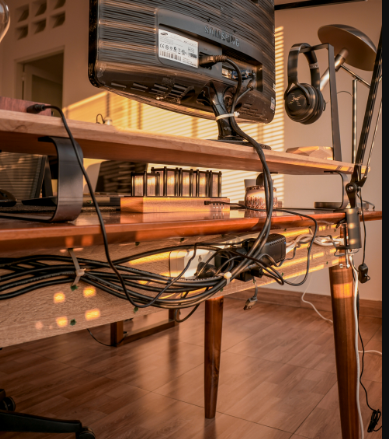


Introduction to Home Office Setup
In recent years, the concept of a home office has gained significant traction, fueled by shifts in work culture and the rise of remote work. As more individuals find themselves in roles that allow for flexibility in work locations, the importance of establishing an efficient and functional workspace at home cannot be overstated. A dedicated home office setup fosters an environment conducive to productivity, creativity, and focus.
Creating a home office provides numerous benefits beyond just having a designated work area. Firstly, it helps in delineating professional and personal lives, which is crucial for maintaining work-life balance. A well-organized workspace can minimize distractions typically present in a home setting, thereby enhancing your productivity. With the right tools and arrangements, individuals can create an atmosphere that supports their specific work needs and style. This tailored approach often leads to increased job satisfaction and efficiency.
The trend of remote work has also led to a transformation in how people perceive their professional spaces. Home offices are no longer just makeshift desks in corners; they represent a commitment to their profession and a proactive approach to work. As companies recognize the benefits of remote work, such as reduced overhead costs and access to a global talent pool, the expectation for employees to adapt their environments has become greater. Consequently, the home office is evolving into a vital component of modern work culture.
This guide aims to explore various aspects of setting up an effective home office. Readers can expect to learn about design principles, ergonomic considerations, essential tools, and key tips that can facilitate a productive workspace. By understanding the fundamentals of a home office setup, individuals can enhance their work experience while navigating the dynamic landscape of remote work.
Choosing the Right Location
Selecting an ideal location for a home office is a crucial step in establishing a productive work environment. Several factors should be considered, including natural light, noise levels, accessibility, and privacy.
Firstly, natural light significantlynatural light significantly impacts mood and productivity. Ideally, your office should be situated near a window to take advantage of daylight. Research suggests that exposure to natural light reduces stress and increases overall well-being. If a separate room is not available, look for a corner in your living room or a nook in the bedroom that can benefit from daylight.
Noise levels are another critical consideration. A quiet space free from distractions is vital for maintaining focus and enhancing efficiency. If you share your home with others, try to set up your office in a location that allows for minimal disruption. Soundproofing can also be employed through the use of rugs, curtains, or acoustic panels to muffle ambient noise.
Accessibility is crucial for facilitating smooth work transitions. Your workspace should be easily accessible, allowing you to store necessary materials, office supplies, and technology within reach. Whether you are transforming a spare room or a shared space, ensuring that you have easy access to everything you need will significantly enhance your productivity.
Finally, privacy plays a substantial role in effective home office setups. If possible, select a location that grants you a sense of seclusion. This could be achieved through the use of furniture arrangements or room dividers to create a physical boundary between your workspace and other areas of your home. Taking these factors into account will help you select the perfect spot for your home office, catering to your personal needs and working style.
Essential Office Equipment and Furniture
Creating an efficient home office setup hinges on selecting the right equipment and furniture. A well-structured workspace not only enhances productivity but also ensures comfort during long working hours. Below are essential items that should be considered for a complete home office environment.
Desks: The foundation of any home office is a functional desk. Opt for a desk that complements your space while providing ample room for your computer and paperwork. Consider a height-adjustable desk to promote movement and ergonomics throughout the day.
Chairs: An ergonomic office chair is crucial for maintaining proper posture and comfort. Invest in a chair that offers adjustable height and lumbar support to reduce strain on your back during extended use. Choosing breathable materials can also enhance sitting comfort.
Computers: A reliable computer is imperative for any home office setup. Depending on your work requirements, select between a desktop or laptop—both have their advantages in terms of power and portability. Ensure the specifications align with your software needs for optimal performance.
Monitors: Consider adding an external monitor for better productivity. A larger screen enhances visibility and reduces eye strain, making multi-tasking easier. Additionally, a monitor with an adjustable stand can further contribute to a healthy ergonomic setup.
Printers: For those who require printed materials, having a quality printer at home is essential. Evaluate your printing needs—whether color or black-and-white—and select a model that balances cost-effectiveness with functionality.
Organizational Tools: Maintaining a clutter-free environment is key to a focused work session. Incorporate shelves, filing cabinets, and desktop organizers to help keep documents and supplies in order. This not only facilitates easy access to materials but also fosters a clean workspace conducive to productivity.
Each piece of equipment plays a vital role in creating a successful home office setup. Taking the time to evaluate your specific needs and budget considerations will lead to informed purchasing decisions and a well-designed workspace that meets your professional requirements.
Creating an Inspiring and Productive Environment
Designing a home office that inspires creativity and enhances productivity is an essential goal for anyone working remotely. A well-thought-out office setup can significantly impact your work efficiency and overall happiness. This begins with selecting an appropriate color scheme. Colors play a crucial role in influencing mood and motivation; therefore, choosing calming yet stimulating hues is vital. For instance, blue is known to promote focus and concentration, while yellow can spark creativity. Integrating these colors through wall paint, office accessories, or even artwork creates an uplifting atmosphere.
Decoration also plays a substantial factor in shaping your workspace. Personal touches, such as artwork or photographs, can create a sense of belonging and inspire motivation. However, it is important to strike a balance between personalization and clutter. A tidy space conducive to productivity should not be overwhelmed with decorations that distract from work tasks. Ergonomically designed furniture, such as a comfortable chair and an adjustable desk, is an essential part of an inspiring environment, as it promotes physical well-being.
Incorporating plants into your office setup can serve dual purposes: enhancing aesthetic appeal and improving air quality. Research has shown that the presence of greenery can also reduce stress, making plants a valuable addition to your workspace. Options such as succulents, spider plants, or snake plants require minimal care while still providing a refreshing visual element.
The overall layout of your office is equally crucial. An organized, well-defined space with clear areas for specific tasks encourages efficiency and minimizes distractions. Consider the layout in relation to natural light sources. Positioning your desk near a window can allow for abundant natural light, boosting mood and productivity throughout the day. By thoughtfully designing your home office with these elements in mind, you foster an environment that inspires creativity and enhances productivity.
Tech Setup for Remote Work
In today’s digital landscape, an effective tech setup is essential for successful remote work. The foundation of a productive remote office begins with a reliable internet connection. A high-speed broadband service ensures seamless video conferencing and uninterrupted access to essential platforms. It is advisable to invest in a router that supports multiple devices and offers good coverage throughout the workspace.
Communication is vital when working remotely, necessitating the adoption of specialized tools. Software like Slack, Microsoft Teams, or Zoom facilitates instantaneous messaging and video calls, maintaining clear lines of communication among team members. These tools support real-time collaboration, enhancing overall workflow and productivity.
Project management software is another critical element of a successful tech setup for remote work. Tools such as Trello, Asana, or Monday.com help organize tasks, set deadlines, and track progress, ensuring that projects stay on schedule. These platforms allow teams to collaborate efficiently, regardless of their geographical locations, and streamline project workflows significantly.
Cybersecurity measures must also be a priority when establishing a tech setup for remote work. Utilizing VPNs (Virtual Private Networks) and enterprise-grade antivirus software safeguards sensitive information. Implementing two-factor authentication wherever possible provides an extra layer of security against unauthorized access.
Finally, it’s important to consider specific tech setups based on your profession. For those in creative fields, high-performance computers and graphic design software are crucial, while IT professionals may require servers or cloud solutions. Tailoring the tech setup to meet individual needs ensures optimal productivity and job satisfaction. Each work environment is unique, and developing a personalized tech setup is key to achieving the best results while working remotely.
Establishing a Work Routine
In the realm of home office setup, establishing a work routine is paramount for maintaining productivity and ensuring a healthy work-life balance. A well-structured routine not only enhances focus but also creates a clear distinction between personal and professional time. By setting specific work hours, individuals can foster a sense of discipline; it becomes easier to concentrate on tasks during designated periods, thus minimizing distractions that commonly arise at home.
Creating scheduled breaks is another essential strategy in developing an effective work routine. Incorporating short, regular breaks throughout the day can help prevent burnout and maintain high levels of productivity. For instance, adopting the Pomodoro Technique, which recommends working for 25 minutes followed by a five-minute break, can revitalize focus and allow for mental clarity. These breaks serve as moments to stretch, hydrate, or simply step away from the workspace, ensuring that individuals remain refreshed as they return to their tasks.
Additionally, establishing rituals at the beginning and end of the workday can prepare the mind for productivity and signify the transition between work and leisure. Simple practices such as creating a morning coffee routine, setting up a dedicated workspace, or even a brief meditation session can signal the start of the workday. Conversely, unwinding rituals—such as shutting down the computer, changing into comfortable clothing, or engaging in a post-work activity—can effectively highlight the conclusion of the workday. By adopting these strategies, individuals can cultivate a consistent work routine that not only boosts efficiency but also safeguards mental well-being.
Managing Distractions in a Home Environment
Working from home can present a range of distractions that may impact productivity. It is crucial to understand these distractions and implement effective strategies to manage them. Personal distractions often arise from the comforts of home, such as television, smartphones, or even household chores. To combat these distractions, it is essential to create a designated workspace that fosters concentration. Equip your home office with everything necessary to minimize the need for constant movement, such as a comfortable chair, adequate lighting, and organizational tools.
Family interruptions also pose significant challenges when establishing a productive home office. Household members may not understand the boundaries of your work hours, leading to frequent interruptions. One effective approach to mitigate this issue is to establish clear communication about your schedule. Inform family members of your working hours and the importance of minimizing disturbances during that time. Additionally, consider setting visual cues, such as a closed door or a ‘do not disturb’ sign, to reinforce your commitment to maintaining focus.
Noise can be another major distraction in a home office. Employing noise-canceling headphones can create a quieter environment, allowing you to concentrate better on your work. Playing background music or ambient sounds may also help drown out disruptive noises without distracting you. Another strategy is to utilize time management techniques, such as the Pomodoro Technique, where you work for set intervals followed by short breaks. This not only helps manage distractions but also enhances overall productivity.
Overall, managing distractions in a home environment requires a combination of environmental adjustments and effective communication with household members. By fostering a focused workspace and implementing clear boundaries, individuals can enhance their work-from-home experience and maintain productivity.
Health and Wellness Tips for Home Workers
As the trend of remote work continues to evolve, prioritizing health and wellness while working from home becomes increasingly vital. Those navigating home office setups must pay close attention to both physical and mental health. An effective home office promotes not only productivity but also well-being, enabling professionals to thrive in their roles.
One of the first considerations should be the ergonomic setup of your workspace. It is essential to invest in quality furniture that supports proper posture. A chair that offers adequate lumbar support, a desk that accommodates your height, and a computer monitor positioned at eye level can significantly reduce the physical strain associated with prolonged sitting. Making simple adjustments can prevent discomfort and long-term health issues, such as repetitive strain injuries.
Additionally, integrating exercise routines into your day is crucial. Regular movement, even in small increments, can enhance physical health and boost energy levels. Consider scheduling break periods to stand, stretch, or perform short workouts. Simple activities like a brisk walk or a set of push-ups can break the monotony of work and invigorate your mind.
Mental health is equally important in a home office environment. Social interactions may dwindle, leading to feelings of isolation. To combat this, incorporate mental health breaks into your daily routine. Simple techniques such as mindfulness meditation, deep breathing exercises, or even a few moments of quiet reflection can help mitigate stress. Setting boundaries around your work hours also contributes to maintaining daily routines, which can alleviate feelings of overwhelm.
Overall, incorporating these health and wellness tips into your home office setup not only fosters a conducive work environment but also enhances overall quality of life. Emphasizing both physical and mental health will enable home workers to adapt effectively to their home office dynamics, achieving a balanced work-life integration.
Conclusion and Future of Home Offices
The evolving landscape of work and technology continues to shape the home office environment, making it crucial to stay informed about best practices for setting up an effective workspace. This guide has provided key insights into the essential elements required for creating a productive home office, including ergonomic furniture, proper lighting, and efficient organization. By tailoring these aspects to individual preferences, one can foster an environment conducive to creativity and productivity.
As we look towards the future, it is evident that home office setups will increasingly reflect a blend of functionality and aesthetics. With advancements in technology, remote workers are likely to benefit from smart home integrations that enhance their work experience. This could include automated lighting systems, noise-canceling devices, and adjustable standing desks that promote better health and well-being.
Moreover, the rise in hybrid working models necessitates that professionals adapt their home office spaces to accommodate both focused work and collaborative projects. This may involve designating areas for virtual meetings or integrating social elements that ease isolation often felt by remote workers. It is vital to incorporate flexibility into home office design to meet varying demands.
In conclusion, positioning your workspace effectively while remaining adaptable to changing trends is essential in the modern work environment. Individuals are encouraged to implement the various strategies outlined in this guide to personalize their home office. As the future of work continues to evolve, maintaining a productive and harmonious work environment will play a key role in fostering both personal and professional growth.