


Understanding Clutter: What It Is and Why It Happens
Clutter is commonly understood as the accumulation of items that create disorganization in one’s living space. This phenomenon can manifest in various forms—from stacks of paper and old clothes to unused kitchen gadgets and miscellaneous knick-knacks. As clutter grows, it not only occupies physical space but can also contribute to mental chaos, leading to stress and a feeling of being overwhelmed. Understanding what clutter is and why it builds up in our homes is essential for effective organization.
There are several emotional and psychological factors that contribute to the development of clutter. One significant aspect is the attachment people form with their belongings. This emotional bond can create barriers to letting go of items, even when they no longer serve a practical purpose. Individuals often struggle with the notion of throwing away gifts, heirlooms, or items that evoke memories, which can lead to unintentional accumulation.
Another common factor is procrastination. The tendency to put off organizing tasks can create a snowball effect, where a small amount of disorganization rapidly turns into a larger issue. Additionally, the lack of organizational skills plays a vital role; many individuals simply do not know how to categorize or store their belongings effectively, resulting in unmanageable clutter.
Recognizing these underlying causes can empower individuals to address their clutter. By taking these psychological elements into account, homeowners can assess their habits and take meaningful steps toward reducing the chaos in their spaces. Whether through emotional detachment from physical items or developing a structured organization system, understanding clutter is the first step in regaining control over a tidy, functional home.
The Importance of Decluttering
Decluttering plays a crucial role in maintaining both physical space and mental well-being. A clutter-free environment not only enhances the aesthetic appeal of a home but also significantly contributes to reducing stress levels. When a space is organized and free of unnecessary items, individuals often find that they feel more relaxed and at ease. The visual chaos associated with clutter can be overwhelming, leading to feelings of anxiety and distraction. Conversely, a tidy setting fosters a sense of calm, promoting overall mental clarity.
Furthermore, decluttering has been linked to increased productivity. An orderly space allows individuals to focus on tasks without the interruptions often caused by searching for misplaced items. This efficiency translates into better time management, enabling one to accomplish more in less time. As the clutter diminishes, the space becomes more functional, making it easier to engage in daily activities seamlessly.
Additionally, maintaining an organized home can positively impact one’s mood. Studies indicate that individuals who regularly engage in decluttering report higher levels of happiness and satisfaction. When surroundings are tidy and comfortable, it becomes easier to foster positive interactions, both with oneself and with others. A welcoming, uncluttered home invites guests and relatives, enhancing social connections and providing a nurturing environment for relaxation.
In fostering a functional and inviting living space, decluttering instills a sense of accomplishment. It contributes to the feeling of control over one’s environment, which is particularly important in today’s fast-paced world. In summary, the act of decluttering transcends mere aesthetics; it is a transformative practice that yields numerous benefits for both home and mind, leading to a more enriched daily life.
Planning Your Decluttering Process
Embarking on a decluttering journey requires careful planning. To efficiently initiate the process, start by setting realistic goals that reflect the scale you wish to achieve in your small home. Establishing these targets will provide clarity and motivation as you work through your home.
Next, choose a specific area to begin your decluttering efforts. It may be beneficial to start with a small, less overwhelming space, such as a drawer or a closet. This approach allows you to experience a sense of accomplishment early in the process, which can immensely boost your motivation to continue. Once you identify the area, it’s important to observe its condition and the items it contains. A detailed assessment will help identify what you truly need and what can be discarded or repurposed.
Establishing a timeline for your decluttering process can significantly enhance your productivity. Allocate specific times for decluttering sessions to ensure you remain committed. For instance, designating a couple of hours every weekend can help you maintain momentum. To further streamline your efforts, consider breaking down larger tasks into smaller, manageable steps. Instead of aiming to declutter an entire bedroom in one session, focus on completing a specific section of the room or tackling a particular category of items, such as clothing or books.
To stay motivated throughout your decluttering journey, it can be helpful to reward yourself after completing each task. This could be as simple as taking a break to enjoy a favorite activity or treating yourself to a small indulgence. Additionally, sharing your decluttering goals with family or friends can create a support system that encourages accountability. By thoughtfully planning your decluttering process, you pave the way for creating a clutter-free and organized home environment.
Choosing What to Keep and What to Discard
Organizing a small home effectively requires a thorough evaluation of what items should remain and which can be discarded. A strategic approach is essential to minimize clutter while maintaining functionality in living spaces. One effective method for making these decisions is known as the “one-year rule.” This guideline suggests that if you have not used an item in the past year, it may be time to let it go. This approach encourages owners to assess the practicality of their possessions and helps eliminate the unnecessary items that clutter living areas.
Another popular methodology for decluttering is the “Marie Kondo method,” named after the prominent tidying expert, Marie Kondo. This method focuses on retaining items that ‘spark joy.’ When evaluating your belongings using this method, hold each item and consider whether it brings happiness or serves a functional purpose in your life. If it does not, it is a strong candidate for disposal or donation. This emotional connection to personal items can often make the decision to discard easier, transforming the process into a more positive experience.
Once you have identified items to discard, consider various disposal strategies. Donation to local charities or shelters can provide a second life for belongings that are still usable. Many organizations welcome household items, clothing, or toys, ensuring they serve those in need rather than contributing to landfill waste. Alternatively, for items that are worn beyond use, find out about local recycling programs or waste management services that appropriately handle their disposal. By thoughtfully choosing what to keep, you will create a better-organized space that enhances your quality of life.
Organizational Tools and Solutions
When striving to maintain a clutter-free home, especially in smaller spaces, employing the right organizational tools and solutions is paramount. Various storage options available today can significantly streamline the organization process while enhancing space utility. One effective approach focuses on utilizing bins and baskets, which can be employed to categorize items, making them easier to locate. These containers come in various sizes and styles, allowing them to blend seamlessly with your decor.
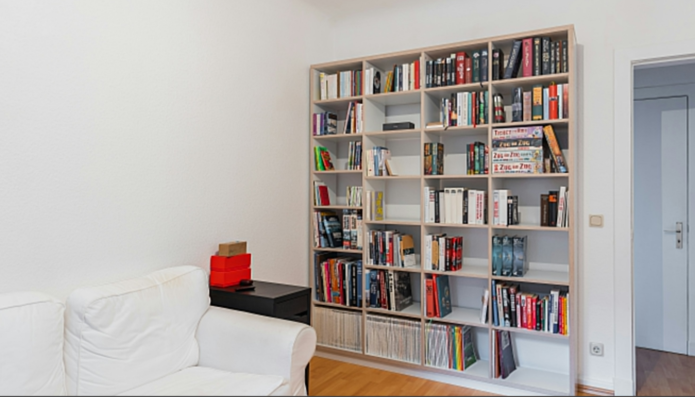
Another essential tool in organization is shelving. Wall-mounted shelves can free up valuable floor space and provide a designated area for books, plants, or decorative items, establishing a more organized atmosphere. Additionally, opting for adjustable shelving can maximize storage capacity, allowing you to modify configurations according to your needs as they evolve.
Multifunctional furniture emerges as a practical solution in spaces where floor space is limited. For instance, ottomans with hidden compartments or coffee tables that double as storage units can serve dual purposes, effectively reducing clutter while adding functionality to your living area. Beds with built-in drawers or loft beds can also significantly enhance storage opportunities in a bedroom, allowing efficient use of vertical space.
Furthermore, do not overlook the potential of vertical space. Consider installing hooks or pegboards in areas like kitchens or entryways. This approach enables you to hang various items, from utensils to bags—maximizing the storage potential of often-neglected wall surfaces. Creative use of vertical storage solutions contributes to a more organized home while also adding distinctive elements to your interior design.
By thoughtfully incorporating these tools and strategies into your home organization efforts, you can create a space that is not only clutter-free but also functional and aesthetically pleasing.
Creating Zones for Efficiency
Organizing a small home effectively requires intentionality, particularly when it comes to creating functional zones. Categorizing spaces according to their intended use can significantly enhance organization and streamline daily routines. To start, consider the various activities that take place within your home and divide these into specific zones, such as a dedicated reading nook, a home office, or a play area for children.
When designing these zones, it is essential to evaluate the available space and rearrange furniture and decor accordingly. For instance, a reading nook could be established in a quiet corner with a comfortable chair, adequate lighting, and a small bookshelf. This designated area should encourage relaxation and focus, allowing individuals to indulge in literature without distractions from other household activities.
Similarly, the home office should be placed in a location that minimizes disruptions. Ensure this area has functional furniture, such as a desk that fits the allotted space and an ergonomic chair, promoting comfort during work hours. Organizing office supplies into drawers or baskets will further contribute to the orderly environment.
For families with children, the play area should be an inviting, safe zone stocked with toys and supplies that can be easily accessed and stored. Utilizing storage bins or shelves can keep toys organized, helping to prevent clutter from spreading throughout the home.
By thoughtfully arranging furniture, decor, and storage solutions in each region of your home, you can create these functional zones seamlessly. This strategic approach not only enhances organization but also fosters an environment conducive to productivity and leisure, which is essential in a compact living space.
Maintaining Clutter-Free Spaces
Organizing a small home requires not only an initial effort but also a strategy to maintain those tidy spaces. To ensure that your home remains clutter-free over time, it is vital to establish consistent habits and strategies. One effective practice is to develop daily cleaning routines. By dedicating just a few minutes each day to straighten up, you can significantly reduce the chances of clutter accumulating. This could include tasks such as placing items back in their designated spots, wiping down surfaces, or quickly organizing the living areas.
Another important aspect of maintaining a clutter-free environment is setting limits on new items. Before bringing new belongings into your home, consider whether you truly need them and if you have adequate space for them. This practice not only helps prevent clutter but also encourages more mindful purchasing. A useful guideline is the one-in, one-out policy: for every new item you acquire, consider removing an existing item. This maintains balance and ensures that your organizational efforts do not go to waste.
Additionally, periodic reassessments of your belongings can help prevent the return of clutter. Set a schedule, such as monthly or seasonally, to evaluate your items. During this assessment, reflect on items you may no longer use or need. Consider donating or discarding those pieces to maintain your home’s organization. Remember, the key to a clutter-free living space is not just the initial organization but the ongoing commitment to keeping it that way.
Emotional Considerations in Decluttering
Decluttering a small home is not solely a physical process; it also encompasses significant emotional factors that often arise during the journey. As individuals begin to sort through their belongings, they may encounter feelings of guilt, nostalgia, and anxiety. Understanding these emotions is crucial for effective decluttering and organizing, helping ensure that the process remains constructive rather than overwhelming.
One common emotion is guilt. Many individuals hold onto items because they feel a sense of obligation to keep them, whether due to gifts from loved ones or purchases made with hopes of future use. This guilt can create a barrier to letting go. To combat this, it may be helpful to recognize that the value of an item is not solely determined by its monetary cost or emotional connection. An individual might consider the positive memories associated with the item without feeling pressured to retain the physical object.
Nostalgia also plays a significant role in the decluttering process. People often have attachments to items from their past that facilitate fond memories or experiences. These sentiments can make it challenging to make objective decisions about what to keep. To address nostalgia, one strategy is to take photographs of cherished items before parting with them. This allows individuals to retain the memories while freeing up physical space for more practical uses.
Additionally, anxiety may arise from the fear of making the wrong decision about what to keep or discard. To mitigate this, establishing clear criteria can help manage these fears. For instance, creating rules based on utility and frequency of use can provide a structured method for evaluating possessions. Ultimately, by recognizing and addressing these emotions, individuals can navigate the decluttering process with greater ease, leading to a more organized and peaceful living environment.
Inspirational Success Stories and Tips
Organizing a small home can often seem like an overwhelming challenge, but many individuals have successfully navigated this journey, turning their cluttered spaces into functional and aesthetically pleasing environments. One inspiring story comes from a young couple who transformed their one-bedroom apartment by implementing the “one-in, one-out” rule. This approach not only prevented new items from accumulating but also encouraged them to make thoughtful purchasing decisions. They learned that decluttering should be a continuous process rather than a one-time event.
Another example is a single mother who took control of her small space by utilizing vertical storage solutions. She installed shelves above her furniture and incorporated multifunctional furniture pieces, such as a dining table that doubles as a workspace. Through this optimization of vertical space, she created a visually open environment that feels more spacious and organized.
Additionally, these success stories highlight the importance of regular purging. By dedicating a few hours each month to assess belongings, individuals can maintain a sense of order and avoid overwhelming clutter. A shared tip among those who have succeeded in this endeavor is to categorize items into three sections: keep, donate, and discard. This systematic approach allows for clearer decision-making and fosters a more manageable living space.
A key takeaway from these inspirational journeys is the notion that every small change contributes to the overall organization. Readers can start with a single drawer or closet and gradually build on their efforts. Embracing minimalist principles and letting go of items that no longer serve a purpose leads not only to an organized environment but also to a sense of mental clarity.