
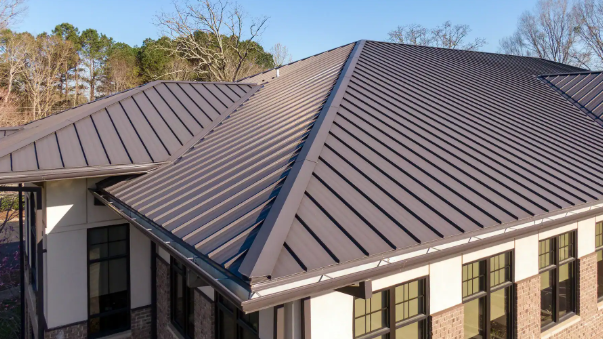


Choosing the right roofing material is a critical decision for any property owner, as it protects a building from weather, temperature changes, and other environmental damage. Since roofing materials differ in durability, maintenance, and performance, understanding your options is key to making an informed choice. The two most common types are traditional roofing, like asphalt shingles or wood shakes, and metal roofing, which consists of durable metal panels. When planning new construction or a roof replacement, many property owners carefully weigh these options. Solutions such as metal roofing in Utah are gaining popularity for their durability and long-term benefits. Understanding the differences between traditional and metal roofing can help you decide which best fits your needs.
Differences in Durability and Lifespan
When comparing traditional roofing materials to metal, durability is a key differentiator. While traditional materials like asphalt shingles are popular for their affordability and ease of installation, they often have a shorter lifespan. Exposure to sunlight, moisture, and temperature changes can cause shingles to crack, curl, or go missing over time, requiring regular maintenance and repairs. In contrast, metal roofing systems offer stronger protection against environmental stress. The panels resist common issues such as cracking, shrinking, and severe weather damage. With proper installation, metal roofs can last significantly longer than their traditional counterparts. This extended lifespan and improved durability are major reasons why many property owners choose metal roofing.
Performance in Different Weather Conditions
A roof’s weather resistance is a key factor when comparing materials, as it must withstand heavy rain, strong winds, snow, and intense sun. Traditional materials perform well in moderate conditions but can wear out faster in extreme weather. Heavy snow or prolonged moisture, for example, can weaken certain materials over time. In contrast, metal roofing provides strong protection against various weather conditions. Its panels efficiently shed snow and rain, preventing water buildup and leaks. Many metal roofing systems are also engineered to withstand high winds and storms. Since weather varies by season, choosing a durable material like metal is crucial for protecting a building during harsh conditions.
Maintenance and Long-Term Care
Traditional and metal roofing systems have different maintenance requirements. Property owners should consider the long-term time and effort they are willing to invest in roof care. Traditional roofs often need regular inspections and repairs for damaged or missing shingles. Exposure to weather can weaken these materials over time, increasing maintenance needs as the roof ages. In contrast, metal roofing systems generally require less upkeep. The panels are less prone to cracking or deteriorating, so periodic inspections and simple cleaning are usually sufficient to maintain performance. These lower maintenance demands make metal roofing an attractive option for those who prefer a more hands-off approach.
Energy Efficiency and Environmental Impact
Energy efficiency is a major consideration in modern construction, and your choice of roofing material plays a big part. Traditional materials often absorb sunlight, increasing indoor temperatures and making your cooling system work harder. Metal roofing, however, reflects sunlight, which helps reduce heat buildup and improve energy efficiency, potentially lowering your energy bills. Environmental impact is another important factor. When old roofing materials are replaced, they often go to landfills. Metal roofing is a more sustainable option, as it’s frequently made from recycled content and is fully recyclable at the end of its life. This makes it an excellent choice for eco-conscious property owners.
Appearance and Design Options
Your choice of roofing material also affects your property’s overall look. Traditional options like asphalt shingles come in various colors and styles, making them a popular choice for many homes. However, metal roofing has also come a long way in terms of design. Modern metal roofs are available in a wide array of finishes, textures, and colors, with some even mimicking the look of traditional shingles or tiles. This versatility allows property owners to find a design that complements their home or commercial building’s architecture, potentially boosting curb appeal and property value.
Choosing the Right Roofing Solution
When selecting a roofing material, you should consider your budget, local climate, maintenance preferences, and long-term property goals. While traditional materials offer a familiar, cost-effective solution, metal roofing provides durability, energy efficiency, and long-lasting performance that appeal to many modern property owners. These benefits are encouraging more homeowners and businesses to explore advanced roofing solutions like metal, which offers strong protection and long-term value, especially for buildings in areas with varying weather. Ultimately, understanding the key differences between traditional and metal roofing will help you make an informed decision that enhances your property’s durability, efficiency, and appearance.