


Introduction to Budget Travel
Budget travel has become an essential aspect of modern exploration, providing an opportunity for individuals to immerse themselves in different cultures and landscapes without incurring exorbitant expenses. With a significant number of travelers seeking to optimize their itineraries for affordability, budget travel shines as a concept that promotes mindful spending while still allowing for rich, fulfilling experiences abroad. This approach to travel underscores that financial limitations should not prevent adventurers from discovering new regions, tasting local cuisines, and engaging in authentic interactions.
An increasing number of resources and tips are available to assist travelers in navigating the complexities of affordable travel options. From selecting budget-friendly accommodations to dining at local eateries, budget travel encompasses a variety of strategies aimed at reducing costs while maintaining the enjoyment of the journey. In this article, we will explore various practical tips that can aid travelers in their quest to save money while traveling abroad, ensuring that the adventure remains within financial reach.
As we delve deeper into the topic, the subsequent sections will highlight specific avenues for financial savings, including transportation suggestions, the utilization of travel discounts, and techniques to minimize daily expenses. This comprehensive overview is designed to equip you with the necessary tools to plan and implement a successful budget travel itinerary, allowing for unforgettable experiences without the overbearing burden of financial strain.
Planning Your Trip: Research and Flexibility
When it comes to saving money while traveling abroad, thorough planning and research play a crucial role. Engaging in diligent research before embarking on your journey can lead to significant savings and vastly improve your overall travel experience. One of the finest strategies to start is by determining the best times to visit your destination. Off-peak seasons usually yield lower accommodation rates and airfare, meaning your money goes further. Websites and travel blogs often provide insights into seasonal trends, allowing you to plan your travels while taking advantage of the most cost-effective periods.
Next, utilize fare alerts to transform your travel planning into a money-saving venture. Many travel websites and apps allow you to set alerts for specific routes, notifying you when a price drop occurs. This proactive approach is invaluable; by remaining informed about fare fluctuations, you can seize the opportunity to book flights at a reduced rate, enhancing your overall budget management. Additionally, exploring alternative airlines or routes, such as nearby airports, can open up further savings potential.
Flexibility is another essential aspect in crafting an economical travel plan. Being open to varying your departure dates or return dates can lead to substantial savings. Often, flying mid-week rather than on weekends, for instance, can significantly reduce airfare costs. Furthermore, when it comes to accommodation, consider opting for budget-friendly alternatives, such as hostels or vacation rentals, versus traditional hotels. Engaging with local communities or choosing to stay slightly outside of popular tourist areas can also contribute to lowering your expenses, providing a richer cultural experience in the process.
Accommodation Tips for Budget Travelers
Finding cost-effective lodging is critical for travelers seeking to save money while exploring foreign destinations. Travelers have multiple options available to them, each offering specific advantages and disadvantages. Common choices include hostels, vacation rentals, and budget hotels.
Hostels are a popular choice among budget-conscious travelers, particularly those who enjoy a social atmosphere. Typically offering dormitory-style accommodations, hostels are not only economical but also provide an opportunity to meet fellow travelers. However, privacy can be a concern, and amenities may vary significantly between establishments. For a more private experience, consider booking a private room in a hostel, which balances social interaction with personal space.
Vacation rentals have surged in popularity as a means for travelers to secure unique and budget-friendly lodging. Platforms like Airbnb and Vrbo provide a variety of accommodations, from entire homes to single rooms. This can be particularly beneficial for families or groups traveling together, as it often results in a lower per-person cost. Although this option allows for a more homely experience, some rentals may involve additional fees or may not offer the same level of hospitality as traditional hotels.
Budget hotels are another viable option, typically providing essential services at a lower price point. These establishments usually offer greater privacy and more standardized amenities compared to hostels. Budget hotels can be found in numerous locations, ranging from city centers to more remote areas. It is important to research the reputation of budget hotels through reviews and ratings to ensure a satisfactory stay, as the quality can vary widely across different chains.
To locate ideal accommodations that fit your budget, utilize online travel agencies and booking platforms, comparing prices and reading reviews to find reliable options that suit your needs. Be flexible with your travel dates and consider booking during off-peak seasons to secure better deals. Researching various alternatives allows you to remain within your financial means while traveling abroad.
Dining on a Dime: Eating Cheap While Traveling
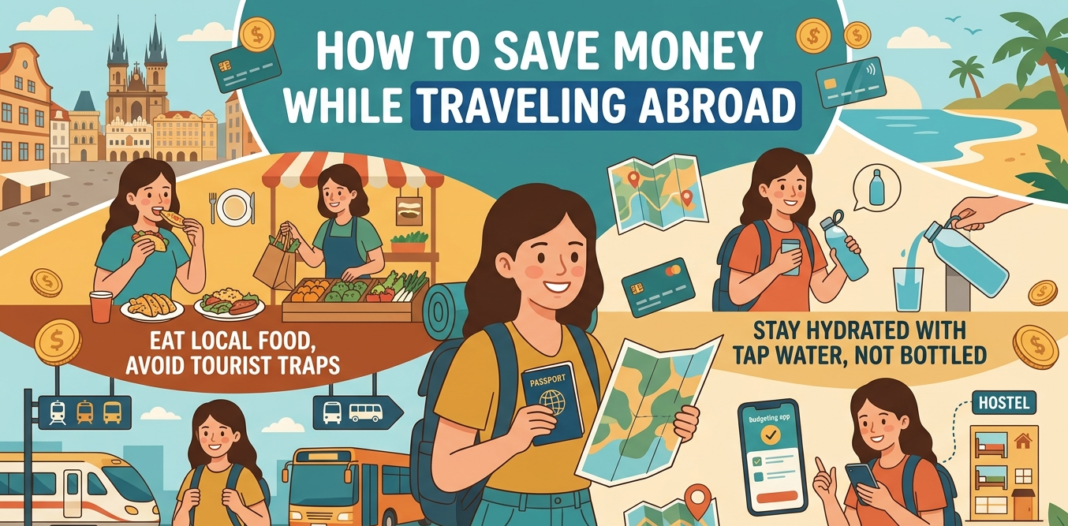
When traveling abroad, indulging in local cuisine is one of the most enriching experiences. However, it is possible to enjoy delicious meals without exceeding your budget. One effective strategy is to embrace street food, which often provides an authentic taste of the local culture at a fraction of the cost of traditional restaurants. Many street food vendors offer dishes prepared fresh daily and showcase regional ingredients, making them a popular choice among locals.
Another budget-friendly option is dining at local markets. These vibrant hubs typically feature a variety of food stalls, allowing you to sample different dishes in a single visit. Eating at markets not only saves money but also allows for a unique culinary experience, as many vendors only serve their specialties. Additionally, shopping for ingredients at these markets can provide the opportunity to cook your own meals, especially if your accommodation has a kitchen. This approach enables you to control food costs while still enjoying the flavors of the region.
Avoiding tourist traps is critical when looking to dine inexpensively. Restaurants that cater primarily to tourists often inflate their prices and may not reflect the quality of authentic local dining options. To find hidden gems, consider asking locals for recommendations or exploring areas that are less frequented by tourists. This can lead to discovering unique dining experiences that are both affordable and satisfying.
In conclusion, traveling on a budget does not mean sacrificing the culinary experience. By prioritizing street food, exploring local markets, cooking your meals, and avoiding tourist traps, you can truly enjoy the flavors of the world without overstretching your finances.
Transportation Hacks: Getting Around Economically
Traveling abroad often involves navigating new cities, and selecting an economical mode of transportation can significantly impact your overall travel budget. Public transportation is usually the most budget-friendly option available. Many cities offer extensive bus and train networks, which are not only cost-effective but also allow travelers to explore the local culture and experience everyday life. Purchasing day or week passes can further streamline access to these services, providing unlimited travel for a fixed price.
Walking is another excellent way to explore urban areas while saving money. Not only does it allow for a more intimate view of the destinations, but walking also offers health benefits. Exploring on foot enables travelers to discover hidden gems that may not be reachable by other forms of transportation.
Biking is increasingly becoming a popular option in many cities, with bike rental services sprouting up across the globe. Many urban areas feature bike-sharing programs that facilitate short-term rentals at minimal costs. This eco-friendly mode of transport not only provides a cost-effective way to get around but also allows for quicker navigation through dense city traffic.
Moreover, ride-sharing services such as Uber or Lyft can present an affordable alternative to traditional taxis, particularly when traveling in groups. These services often wrap in discounts for first-time users or promotional offers for various services, making them a viable option for budget-conscious travelers.
In summary, combining public transportation, walking, biking, and ride-sharing services can create a comprehensive, economical transportation strategy while traveling abroad, ensuring that you can explore as much as possible without overspending.
Activities and Attractions: Cheap or Free Options
When it comes to exploring new destinations abroad, travelers often find themselves enticed by various attractions and activities. However, enjoying these experiences doesn’t have to break the bank. Many cities offer a plethora of cheap or even free options that allow visitors to engage with the culture and surroundings without excessive spending.
One of the best strategies for finding affordable activities is to utilize local tourism boards or visitor centers. These resources often provide information on free walking tours, community events, and reduced entry fees for attractions on specific days. Moreover, many museums around the world offer free admission on certain days of the week, making it possible to appreciate art and history without significant expense.
Another excellent approach is to embrace the great outdoors. Parks, gardens, and nature reserves frequently charge little to no entry fees and can provide a tranquil escape from the hustle of city life. Exploring local hiking trails or taking leisurely strolls along waterfronts can yield stunning views and insights into the area’s natural beauty, all while being budget-friendly. Additionally, engaging in free local events such as festivals, open-air concerts, and art exhibitions can enrich your travel experience at no cost.
For those focused on maximizing their budgets, consider group activities or tours that often come with student or family discounts. Checking online platforms for promotional deals can also yield significant savings. Websites dedicated to local experiences may offer discounted packages for attractions or activities, allowing for the enjoyment of multiple experiences at a lower rate. Overall, being resourceful and keeping an eye out for budget-friendly options enhances the travel experience while helping to maintain financial prudence.
Managing Currency and Finances While Abroad
When traveling abroad, effective management of currency and finances is essential to ensuring that you stay within your budget. One of the first decisions travelers encounter involves the exchange of currency. It is advantageous to familiarize yourself with the local currency rates prior to departure. Research locations that offer competitive exchange rates, such as local banks or reputable exchange bureaus, rather than relying solely on airport kiosks, which often have unfavorable rates.
Using credit or debit cards abroad can also be a practical option, yet it is crucial to choose cards that do not impose foreign transaction fees. Many financial institutions now offer travel-friendly cards designed specifically for international use. Before you embark on your journey, notify your bank of your travel plans so that your account remains secure and accessible. Familiarize yourself with the credit card acceptance in your destination, as this can significantly impact your overall expenses.
Additionally, consider withdrawing a small amount of local cash at an ATM upon arrival. Not only is this often a cost-effective method for exchanging money, but it also provides you with immediate access to cash for transportation or small purchases. Always choose ATMs that are affiliated with your bank to avoid exorbitant withdrawal fees.
Furthermore, while managing finances, it is advisable to keep track of your daily expenditures to avoid overspending. Utilizing budgeting apps can help maintain an accurate overview of your financial situation. Remember that small purchases can accumulate quickly and may lead to exceeding your travel budget. By adopting these strategies, you’ll be better equipped to manage your finances, ultimately maximizing your savings while enjoying your international travels.
Packing Smart: Avoiding Unnecessary Costs
Packing wisely is a crucial step in ensuring a cost-effective travel experience. One of the primary expenses travelers encounter is baggage fees, which can quickly accumulate, particularly with budget airlines. By understanding the airline’s policies on luggage dimensions and weight limits, travelers can avoid additional charges by packing efficiently within those limits. Carry-on luggage is not only more economical but also provides convenience when navigating airports.
A well-prepared packing checklist is essential in maximizing space and minimizing unnecessary purchases abroad. Firstly, consider the climate and destination when selecting clothing. Opt for versatile outfits that can be mixed and matched to create different looks, thereby reducing the amount of clothing required. Additionally, layering is an effective technique, allowing travelers to adapt to varying temperatures without overpacking.
Toiletries can significantly contribute to weight and space issues. Instead of bringing full-sized products, consider transferring essentials into travel-sized containers. This will not only save space but also reduce weight, minimizing the risk of incurring extra fees. Furthermore, many accommodations provide basic toiletries or can be purchased inexpensively at local shops.
Moreover, travelers should be wary of packing items that are commonly available at their destination. It is advisable to refrain from packing bulk items such as snacks and drinks, which can lead to unnecessary weight in luggage. Instead, research local grocery stores or markets to buy these items at a fraction of the price, and enjoy the local flavors.
In conclusion, packing smartly is instrumental in avoiding unexpected costs while traveling abroad. A thorough packing checklist and mindful selections can significantly reduce baggage fees and the need for purchases in unfamiliar countries.
Conclusion: Travel Smart, Spend Less
Traveling abroad can be a thrilling experience filled with adventure and discovery, but managing expenses can often be a challenge. The key takeaways from this discussion highlight various strategies to enhance your travel experience while ensuring you stay within budget. From smart travel planning to making use of public transportation, each step can significantly impact your overall travel expenses.
First, consider the importance of researching your destination thoroughly. Knowing the cost of living, local dining options, and free activities can help you tailor your budget effectively. Utilizing travel apps and websites can aid in comparing prices for accommodation and transportation, allowing you to secure the best deals. Opting for alternative lodging, such as hostels or homestays, often yields substantial savings compared to traditional hotels.
Dining is another critical area where travelers can cut costs. Embracing local cuisine through street food or small restaurants offers not just a unique taste experience but also a chance to save money. By avoiding tourist traps and seeking out local favorites, one can enjoy authentic meals without overspending. Moreover, planning meals ahead of time and shopping at local markets can further reduce food expenses.
In addition to these tips, consider engaging in activities that are free or low-cost. Many cities offer free guided tours, public parks, and cultural events that allow you to experience the local culture without incurring hefty fees. Taking advantage of travel passes or discounts for multiple attractions can also lead to savings.
By incorporating these money-saving tips into your travel plans, you can enjoy a fulfilling journey without breaking the bank. Embracing a budget travel mindset not only alleviates financial stress but also opens the door to unique experiences, interactions, and adventures that could be overlooked when focusing solely on luxury. Whether you are a seasoned traveler or a first-time explorer, traveling smart will invariably lead to richer, more rewarding experiences.