
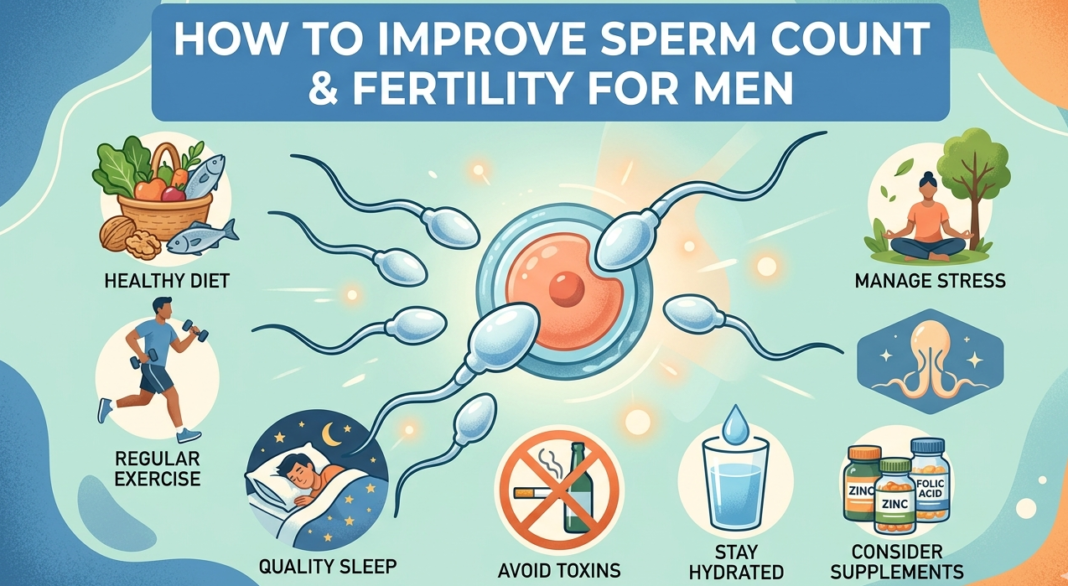


Understanding Sperm Count and Male Fertility
Sperm count refers to the number of sperm present in a given volume of semen. It is a critical factor in assessing male fertility. The World Health Organization (WHO) defines a normal sperm count as falling between 15 million to over 200 million sperm per milliliter of ejaculate. Values below this threshold may indicate potential fertility problems, which can impact a couple’s ability to conceive.
While sperm count is an important metric, it is not the sole determinant of fertility. Factors such as sperm motility (the ability of sperm to swim), morphology (the shape and structure of sperm), and overall sperm health also play a crucial role in successful conception. Healthy sperm must navigate through the female reproductive system to reach and fertilize the egg, making motility particularly vital. Abnormalities in morphology can hinder the sperm’s ability to penetrate the egg, further complicating male fertility.
Male fertility encompasses a range of biological processes that are essential for reproduction. Generally, for a man to be considered fertile, several conditions must be met: sufficient sperm count, adequate motility, and proper morphology. These factors not only influence the probability of conception but also the health of the offspring. Research indicates that men with lower sperm counts may face higher risks related to not only fertility issues but also overall reproductive health.
Conception is a multifaceted process that relies on the collaboration of male and female reproductive systems. Understanding the intricacies of sperm count and the broader spectrum of male fertility is crucial for couples seeking to conceive. By identifying and addressing potential fertility issues, men can take proactive steps towards enhancing their reproductive health, thereby improving the odds of achieving pregnancy.
Common Causes of Low Sperm Count
Low sperm count, also known as oligospermia, can significantly affect male fertility and is attributed to a myriad of factors. Understanding these causes is crucial for addressing fertility challenges and improving reproductive health.
One prominent factor contributing to low sperm count is lifestyle choices. Poor dietary habits, lack of physical activity, obesity, and excessive alcohol consumption can lead to hormonal imbalances that adversely affect sperm production. Moreover, smoking is known to impact sperm quality by causing oxidative stress, which can damage sperm DNA. Reducing or eliminating these harmful habits can help enhance overall reproductive health.
Environmental influences also play a vital role in fertility. Exposure to certain industrial chemicals, heavy metals, and endocrine-disrupting substances can impair sperm production. Commonly used substances like pesticides and heavy metals, found in some jobs or environments, expose men to potential fertility risks. Additionally, modern lifestyles often bring about increased stress levels that can lead to hormonal fluctuations detrimental to sperm health.
Medical conditions such as diabetes, hormonal disorders, and infections can further exacerbate low sperm count. Conditions like varicocele, characterized by enlarged veins in the scrotum, can hinder proper sperm development. Furthermore, genetic factors cannot be overlooked; chromosomal abnormalities can directly impact sperm production and function, leading to low sperm counts or other fertility issues.
It is essential for men experiencing fertility issues to consider these various factors holistically. By identifying potential causes, they can engage in proactive measures such as lifestyle changes, medical consultations, and environmental adjustments to improve sperm count and overall fertility.
The Role of Diet in Sperm Health
A well-balanced diet plays a crucial role in maintaining overall health and supporting reproductive function in men. Nutritional factors can significantly affect sperm count, motility, and morphology. A diet rich in essential nutrients can promote better sperm health, increase fertility, and enhance reproductive capabilities.
Key vitamins and minerals, such as zinc, vitamin C, vitamin D, Omega-3 fatty acids, and folate, are associated with improved sperm quality. Zinc, for example, is important for testosterone production and has been shown to play a vital role in sperm development. Foods rich in zinc include oysters, beef, pumpkin seeds, and lentils. Similarly, vitamin C acts as an antioxidant and protects sperm from oxidative stress, which can be detrimental to overall fertility.
Incorporating healthy fats into one’s diet can also benefit sperm health. Omega-3 fatty acids, which are found in fish like salmon, walnuts, and flaxseeds, have been linked to higher sperm quality by improving blood flow and hormone production. Additionally, a diet that includes fresh fruits and vegetables helps supply antioxidants, further contributing to male fertility by combating oxidative damage.
Avoiding processed foods and trans fats is equally important. These types of foods can adversely affect reproductive health by increasing inflammation in the body. Instead, focusing on whole foods, such as whole grains, lean proteins, fruits, and vegetables, can provide the nutrients needed to enhance sperm count.
Though a nutritious diet is vital, some men may benefit from dietary supplements to ensure they are receiving adequate amounts of essential nutrients. Supplements containing a combination of zinc, vitamin C, and folate can be beneficial, especially for those with dietary restrictions or existing deficiencies. Overall, a thoughtful approach to diet can significantly improve sperm count and support male fertility.
Lifestyle Changes to Enhance Fertility
Improving sperm count and overall male fertility often begins with significant lifestyle changes. One of the most detrimental habits that men can engage in is smoking. Studies have consistently shown that smoking tobacco is linked to lower sperm quality, reduced fertility, and can even lead to erectile dysfunction. Quitting smoking can result in substantial improvements not only in sperm count but also in general health.
In addition to smoking, alcohol consumption can also negatively impact male fertility. Excessive drinking has been shown to reduce testosterone levels and impair sperm production. Moderating alcohol intake or abstaining entirely can be beneficial for men looking to enhance their fertility.
Exercise plays a crucial role in maintaining a healthy weight and supporting hormonal balance. Regular physical activity can help manage weight, which is essential because obesity is associated with lower testosterone levels and poor sperm quality. Aim for at least 150 minutes of moderate-intensity exercise each week. Incorporating both aerobic and strength-training activities can be particularly beneficial.
Weight management is another important factor to consider. Men with a Body Mass Index (BMI) higher than normal may experience hormonal imbalances that affect fertility. Maintaining a healthy weight through balanced nutrition and regular exercise can improve sperm health. A diet rich in fruits, vegetables, whole grains, and lean proteins contributes to the overall improvement of reproductive health.
Lastly, stress management is pivotal. High-stress levels can negatively impact hormone production, which in turn affects fertility. Techniques such as mindfulness, yoga, and relaxation exercises can help reduce stress and improve overall well-being. By addressing these lifestyle factors, men can take proactive steps towards enhancing their sperm count and promoting better reproductive health.
Avoiding Environmental Toxins
Environmental toxins are various harmful substances found in our surroundings that can impact health, including reproductive health. A notable concern is the exposure to heavy metals such as lead, mercury, and cadmium, which have been linked to reduced sperm count and overall fertility issues in men. Studies indicate that these metals can lead to oxidative stress, which harms sperm production and quality.
Chemicals commonly found in pesticides, plastics, and other household products also pose a risk to male reproductive health. For instance, phthalates and bisphenol A (BPA), often present in plastic containers and personal care items, can disrupt endocrine functions. These disruptions can negatively affect testosterone levels, potentially leading to a decrease in sperm production.
To minimize exposure to such environmental toxins, individuals can adopt several practical measures. Firstly, opting for organic produce can reduce exposure to pesticides that may compromise sperm quality. Secondly, reducing the use of plastic containers, especially for heating food, can limit the release of harmful chemicals into the food. Instead, glass or stainless steel alternatives are safer options.
Additionally, it is advisable to be conscious of the products used in daily personal care routines. Choosing natural, chemical-free options for lotions, shampoos, and household cleaners can further mitigate exposure to endocrine disruptors. Regularly checking for and testing lead in older homes, especially in plumbing and paints, can also be a critical step in decreasing the health risks associated with these toxins.
By being proactive in minimizing exposure to environmental toxins, men can help improve their sperm count and overall fertility, leading to better reproductive health outcomes.
The Importance of Regular Medical Checkups
Regular medical checkups are a crucial aspect of maintaining overall health, particularly when it comes to men’s reproductive health and fertility. Engaging in routine health assessments can help identify underlying conditions that may adversely affect sperm count and overall fertility. Common health issues such as hormonal imbalances, diabetes, obesity, and certain infections can hinder a man’s ability to conceive. Thus, it is essential to prioritize scheduled visits to healthcare professionals who can conduct the necessary evaluations.
One of the primary benefits of regular medical checkups is the early detection of health problems. By addressing potential issues before they develop into more significant concerns, men can improve their chances of maintaining optimal reproductive health. For instance, if a man suffers from low testosterone levels, a healthcare provider may recommend appropriate treatments or lifestyle changes aimed at boosting hormone levels, which in turn can enhance fertility.
Moreover, many men may overlook the importance of discussing reproductive health with their physicians during routine visits. Open communication about fertility concerns can lead to valuable insights and preventative measures to support sperm production and quality. Regular semen analysis may also be advised, allowing men to monitor their sperm count and motility over time.
In addition, health screenings can provide critical information regarding overall wellness, which directly impacts reproductive capability. Factors such as diet, exercise, and stress management can significantly influence fertility, making it necessary for men to address these areas during checkups.
In conclusion, regular medical checkups serve as a vital proactive measure for men looking to improve their sperm count and fertility. These checkups not only facilitate the early detection of health conditions but also pave the way for effective treatments and lifestyle changes that contribute to reproductive well-being.
Natural Supplements for Sperm Health
Maintaining optimal sperm health is critical for male fertility, and various natural supplements have been identified as beneficial for improving sperm count and quality. These supplements generally aim to enhance testosterone levels, boost antioxidant activity, and improve overall reproductive health. It is important for individuals to consider these natural supplements as part of a holistic approach to fertility.
One of the widely recognized supplements is zinc, an essential mineral that plays a vital role in testosterone production and sperm development. Studies have indicated that men with low zinc levels may experience reduced testosterone and sperm quality, thus supplementing with zinc may provide a potential fertility boost.
Another popular natural supplement is folic acid, which is vital for DNA synthesis and cell division. Some research suggests that folic acid can improve sperm motility and overall health. Coupled with zinc, it may offer synergistic benefits for enhancing male fertility.
L-carnitine, an amino acid found in high concentrations in sperm, has also been associated with the improvement of sperm motility and the reduction of oxidative stress in the male reproductive system. Supplementing with L-carnitine may support better sperm health, particularly in men with fertility challenges.
A further promising supplement is Coenzyme Q10 (CoQ10), a powerful antioxidant. CoQ10 has been studied for its potential to enhance sperm parameters by reducing oxidative stress and improving mitochondrial function in sperm cells, leading to healthier sperm generation.
While these natural supplements can be beneficial, it is essential to consult with a healthcare professional before starting any supplementation regimen. This ensures safety, proper dosing, and avoidance of potential interactions with other medications. Overall, incorporating these natural supplements into a balanced diet may help in improving sperm health and fertility outcomes for men.
Stress and Its Impact on Male Fertility
Stress is a significant factor influencing male fertility, often leading to a decline in sperm count and overall reproductive health. The relationship between chronic stress and hormonal balance cannot be overstated, as stress triggers the release of cortisol, a hormone that may interfere with testosterone levels. Lower testosterone can adversely affect sperm production, potentially leading to lower sperm counts in men.
Moreover, prolonged exposure to high-stress levels can result in various physical and psychological issues such as anxiety, depression, and bodily fatigue. These issues can further exacerbate the decline in fertility as they may lead to unhealthy lifestyle choices, including poor diet and diminished physical activity, both of which are detrimental to reproductive health.
To combat the negative impacts of stress on fertility, various stress management techniques can be employed. Practices such as regular physical activity, mindfulness meditation, and yoga have been shown to effectively reduce stress levels. Engaging in these activities not only helps mitigate stress but can also improve overall health and well-being, enhancing the body’s ability to produce healthy sperm.
Additionally, it is crucial for men to establish a healthy work-life balance, ensuring that they allocate time for leisure and social interactions. Maintaining open communication with partners can also help reduce relationship-related stress, which may further aid in improving fertility outcomes.
By addressing stress through mindful practices and fostering supportive relationships, men may significantly enhance their sperm count and fertility potential. A holistic approach that combines stress management with healthy lifestyle choices is essential for improving male reproductive health.
When to Seek Professional Help
Determining when to consult a fertility specialist is a crucial aspect for men experiencing difficulties in achieving conception. While occasional challenges may not necessarily indicate a serious issue, certain signs may suggest the need for professional intervention. Generally, if a man is experiencing symptoms such as hormonal imbalances, abnormal sperm production, or issues with erectile function, it is recommended to seek expert advice.
One prominent indicator is infertility that persists after one year of unprotected intercourse. This timeframe is generally regarded as the standard for men under the age of 35. However, men over 35 should consider consulting a specialist after six months of unsuccessful attempts to conceive. Additionally, underlying health conditions such as diabetes, cystic fibrosis, or previous surgeries affecting the reproductive organs may necessitate a professional evaluation.
Men experiencing noticeable changes in libido, chronic fatigue, or mood swings may benefit from evaluating their reproductive health, as these can also be indicative of decreased fertility. Sexual dysfunction, such as difficulty with ejaculation or maintaining an erection, may further suggest underlying issues that require medical assessment.
When consulting a fertility specialist, the evaluation process typically involves a comprehensive medical history, physical examination, and specific tests such as semen analysis to assess sperm count and quality. Treatment options can vary greatly, depending on the underlying cause, and may include lifestyle modification, medications, or assisted reproductive techniques such as in vitro fertilization (IVF) in more severe cases.
Ultimately, seeking professional help as soon as any concerning symptoms arise can significantly improve the chances of successful conception. Early intervention leads to a better understanding of one’s reproductive health and opens the door to possible treatment pathways that can enhance fertility outcomes.