
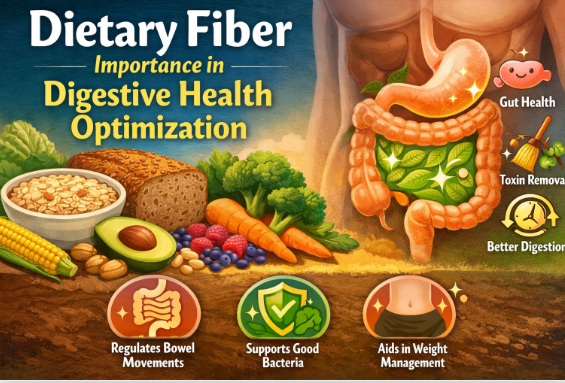


Understanding Dietary Fiber
Dietary fiber, commonly referred to as roughage or bulk, is the indigestible portion of plant foods. It plays a vital role in maintaining digestive health and preventing various gastrointestinal disorders. Fiber is classified into two primary types: soluble and insoluble fiber, each offering unique benefits to the digestive system.
Soluble fiber dissolves in water to form a gel-like substance in the gut. This type of fiber is beneficial for regulating blood sugar levels and reducing cholesterol. Sources of soluble fiber include oats, barley, fruits such as apples and citrus, legumes, and some vegetables. Incorporating these foods into one’s diet can help manage weight and lower the risk of developing heart disease.
On the other hand, insoluble fiber does not dissolve in water and adds bulk to the stool. This type of fiber is essential for promoting regular bowel movements and preventing constipation. Foods rich in insoluble fiber include whole grains, wheat bran, nuts, and a variety of vegetables, particularly those with edible skins. Consuming adequate amounts of insoluble fiber can support overall digestive health and improve gut function.
It is crucial to include a wide variety of fiber-rich foods in the daily diet to harness their full health benefits. A diverse selection not only aids in digestion but also enhances the overall nutritional profile of meals. By integrating both soluble and insoluble fiber into one’s diet, individuals can promote a healthy digestive system and reduce the likelihood of digestive disorders.
How Fiber Affects Digestive Health
Dietary fiber plays a pivotal role in supporting and optimizing digestive health by influencing bowel regularity and enhancing the overall environment of the gut. When fiber is consumed, it undergoes minimal digestion in the stomach and small intestine; however, it significantly contributes to the bulk of stool. This bulk is crucial because it aids in regulating bowel movements, ensuring that the intestines can efficiently propel waste through the digestive tract.
One of the primary benefits of dietary fiber is its ability to prevent constipation. Soluble fiber, found in foods such as oats, legumes, and certain fruits, absorbs water, forming a gel-like substance in the gut. This softens the stool, making it easier to pass. Conversely, insoluble fiber, prevalent in whole grains and vegetables, adds bulk to the stool and helps to sweep waste through the digestive system, promoting regularity. This dual action of fiber types ensures a balanced approach to maintaining optimal bowel function.
Furthermore, dietary fiber acts as a prebiotic, effectively feeding the beneficial bacteria residing in the gut. These probiotics utilize fiber for energy, promoting their growth and ensuring a thriving microbial ecosystem. A healthy gut microbiome bolsters digestion and contributes to overall health, as it is linked to the production of essential nutrients and vitamins, alongside the heightened absorption of minerals. By fostering a balanced gut environment, fiber ultimately aids in reducing the risk of gastrointestinal diseases and conditions such as irritable bowel syndrome (IBS) and diverticular disease.
The Benefits of Soluble Fiber
Soluble fiber plays an integral role in maintaining optimal health, particularly concerning digestive function. One of its notable benefits is its ability to lower cholesterol levels. Research indicates that soluble fiber reduces LDL cholesterol—the “bad” cholesterol—by binding with bile acids in the intestine, prompting the body to use cholesterol to produce more bile acids, thereby lowering blood cholesterol levels. A comprehensive meta-analysis published in the American Journal of Clinical Nutrition found that diets enriched with soluble fiber could reduce LDL levels by 5 to 10 percent.
Furthermore, soluble fiber contributes significantly to blood sugar regulation. It slows down the absorption of sugar, preventing rapid spikes in blood glucose levels after meals. This is particularly beneficial for individuals with diabetes or those at risk of developing the condition. A study in the Diabetes Care journal revealed that incorporating soluble fiber into one’s diet improved glycemic control among diabetic patients significantly. The individuals who consumed 10-20 grams of soluble fiber daily reported enhanced postprandial glucose levels compared to those with lower fiber intake.
In addition to lowering cholesterol and regulating blood sugar, soluble fiber supports weight management. It provides a sense of fullness, or satiety, which can decrease overall food intake. A study published in the Nutrition Journal highlighted that participants who consumed meals enriched with soluble fiber experienced greater satiety and reduced appetite, contributing to more effective weight control. This effect is particularly vital in combating obesity, which is associated with various health complications.
The combined benefits of soluble fiber not only promote better digestive health but also enhance overall well-being. By including a variety of soluble fiber sources, such as oats, legumes, fruits, and vegetables in the diet, individuals can take proactive steps to improve their health outcomes.
The Importance of Insoluble Fiber
Insoluble fiber plays a pivotal role in maintaining digestive health, primarily through its ability to enhance stool bulk. Unlike soluble fiber, which dissolves in water and can gel, insoluble fiber does not change its form. This characteristic allows it to add bulk to the stool, aiding in effective bowel movements. When individuals consume foods rich in insoluble fiber, such as whole grains, nuts, and various vegetables, they promote regularity and prevent constipation.
Moreover, the presence of insoluble fiber is significant in the prevention of diverticular disease. This condition occurs when small pouches, known as diverticula, form in the walls of the colon, which can lead to painful inflammation or infection. A high-fiber diet that includes sufficient amounts of insoluble fiber can help to reduce the pressure in the colon and minimize the likelihood of developing these diverticula. Consequently, by keeping the digestive tract functioning smoothly, insoluble fiber not only combats constipation but also plays a protective role against diverticulitis.
Additionally, there is emerging evidence linking insoluble fiber intake to a decreased risk of colon cancer. Regular consumption of foods high in insoluble fiber may support the production of beneficial gut bacteria, which can produce short-chain fatty acids that have anti-inflammatory properties. This bioactivity may contribute to a healthier colon and lower the risk of tumor formation. Furthermore, by promoting regular bowel movements, insoluble fiber helps to effectively remove potentially harmful substances from the digestive tract. By including various sources of insoluble fiber in a balanced diet, individuals can significantly enhance their digestive system’s health and function.
Recommended Daily Intake of Fiber
The dietary fiber intake recommendations vary based on age, gender, and overall health. According to health organizations such as the Institute of Medicine and the American Heart Association, the general guideline suggests that adults should aim for about 25 grams of fiber per day for women and 38 grams for men. After age 50, these requirements adjust slightly, dropping to 21 grams for women and 30 grams for men due to decreased caloric intake.
For children, the recommended intake can depend on their age. Generally, it is recommended that parents offer around 14 grams of fiber for every 1,000 calories consumed. This translates to about 19 grams per day for children aged 1-3, 25 grams for children aged 4-8, and 26 grams for 9-13 year-olds. Teenage girls should aim for 26 grams, while teenage boys should strive for 38 grams daily.
To effectively increase fiber intake, it is advisable to adopt a gradual approach. Sudden increases in fiber consumption can lead to digestive discomfort, including bloating or gas. To begin this process, individuals might start by adding small amounts of high-fiber foods such as fruits, vegetables, whole grains, and legumes into their meals. For instance, incorporating beans into a salad or switching to whole-grain bread can contribute significantly to daily requirements. As the body adjusts, increasing portion sizes or adding additional fiber-rich foods can be practiced over time.
Additionally, staying adequately hydrated is crucial when increasing dietary fiber intake. Adequate water consumption aids in digestion and helps prevent potential gastrointestinal issues. Keeping these considerations in mind will support the achievement of recommended daily fiber intake and enhance overall digestive health.
Fiber and Gut Microbiota
Dietary fiber plays an essential role in supporting digestive health, largely due to its relationship with gut microbiota. As a prebiotic, fiber serves as a food source for the beneficial bacteria residing in the gut. These bacteria, often referred to as gut microbiota, are crucial for maintaining overall digestive health and play a significant role in the immune system.
When fiber is consumed, it undergoes fermentation by the gut microbiota, resulting in the production of short-chain fatty acids (SCFAs), which have various health benefits. These SCFAs can aid in regulating the immune response, provide energy to colonic cells, and help control inflammation. A diet rich in fiber encourages a diverse and balanced microbiome by fostering the growth of advantageous bacterial species, such as Bifidobacteria and Lactobacilli.
The consumption of soluble fiber found in foods like oats, legumes, and fruits is particularly effective in enhancing gut health. Soluble fiber dissolves in water and forms a gel-like substance, which slows digestion and promotes the activity of beneficial gut bacteria. Conversely, insoluble fiber, found in whole grains and vegetables, adds bulk to stool and helps prevent constipation, thereby supporting overall digestive efficiency.
Moreover, a healthy gut microbiota, bolstered by adequate dietary fiber intake, is associated with a reduced risk of several gastrointestinal disorders, including irritable bowel syndrome (IBS) and inflammatory bowel disease (IBD). It can also benefit metabolic health, contributing to improved blood sugar control and weight management. In summary, the interplay between dietary fiber and gut microbiota exemplifies the importance of fiber not only in optimizing digestive health but also in enhancing immune function and promoting overall well-being.
Fiber-Rich Foods to Include in Your Diet
Incorporating fiber-rich foods into your diet is essential for promoting optimal digestive health. High-fiber foods can be classified into two main categories: soluble and insoluble fiber. Soluble fiber dissolves in water, forming a gel-like substance that helps to slow digestion and regulate blood sugar levels. Insoluble fiber, on the other hand, adds bulk to stool and aids in preventing constipation. It is advisable to include a variety of both types in your daily meals.
Some excellent sources of soluble fiber include oats, barley, beans, lentils, fruits such as apples and citrus, and vegetables like carrots and broccoli. For insoluble fiber, consider incorporating whole grains like wheat bran, quinoa, brown rice, and a variety of vegetables, particularly those with skins like potatoes and cucumbers. Nuts and seeds, particularly chia seeds and flaxseeds, are also rich in fiber and can enhance the nutritional quality of your meals.
When planning meals, consider a hearty breakfast that includes oatmeal topped with fruits and nuts, or a smoothie blended with bananas and chia seeds for a fiber boost. For lunch, a hearty bean salad or a whole-grain wrap stuffed with veggies provides a nutritious, filling option. As a snack, opt for fresh fruits, such as pears or berries, or a handful of mixed nuts to achieve your daily fiber intake in a delicious way.
For dinner, explore hearty casseroles that include lentils or brown rice, alongside steamed vegetables for a delightful feast. Don’t forget that snacking smartly is also essential; consider air-popped popcorn or raw veggies with hummus as tasty, fiber-rich options that can easily be incorporated into your day. By making conscious food choices, you can seamlessly integrate ample fiber into your diet while enjoying a variety of flavors and textures.
Potential Risks of Excessive Fiber Intake
Dietary fiber is essential for maintaining optimal digestive health, yet an excessive intake can lead to adverse effects. While fiber aids in promoting regular bowel movements, a sudden increase in fiber consumption or consistently high fiber intake can result in gastrointestinal discomfort. Common issues include bloating, gas, and abdominal cramps, particularly when individuals drastically alter their diets. This discomfort arises because fiber is fermented in the intestines, and an overload can lead to excessive gas production.
Moreover, excessive fiber can interfere with the absorption of certain nutrients. High-fiber diets often bind to minerals such as calcium, iron, and zinc, potentially leading to deficiencies if these minerals are not adequately consumed. For instance, phytates, found in many fiber-rich foods, can inhibit the absorption of these essential nutrients, which is particularly concerning for populations reliant on plant-based diets. Thus, while fiber intake is crucial, balance is key to ensure not only adequate fiber consumption but also the necessary absorption of vitamins and minerals.
Individuals may not be aware of how much fiber is appropriate for their particular dietary needs. The recommended daily intake of fiber varies by age and gender, with general guidelines suggesting about 25 grams for women and 38 grams for men. However, individual requirements may vary depending on factors such as physical activity level and overall diet composition. It is essential to gradually increase fiber intake to allow the digestive system to adjust, thereby minimizing potential negative effects.
In conclusion, while dietary fiber plays a pivotal role in digestive health, excessive intake can lead to complications, emphasizing the necessity for a balanced approach in dietary habits. Maintaining a well-rounded diet rich in various nutrients without compromising fiber intake is essential for overall health.
Conclusion and Takeaways
In summation, the critical role of dietary fiber in optimizing digestive health cannot be overstated. Throughout this blog post, we have explored how dietary fiber supports regular bowel movements, alleviates constipation, and aids in maintaining a healthy gut microbiome. This indigestible carbohydrate, found predominantly in fruits, vegetables, whole grains, and legumes, serves as a cornerstone of a healthy diet. With the myriad benefits of soluble and insoluble fiber, it is evident that its inclusion is essential for overall digestive well-being.
Moreover, individuals who engage in regular consumption of dietary fiber have been shown to experience lower risks of developing certain gastrointestinal disorders, such as diverticulitis and colorectal cancer. The satiating effect of fiber also contributes to weight management, further enhancing its value to one’s health journey. By incorporating an array of fiber-rich foods into daily meals, individuals can significantly improve not only their digestive health but also their overall nutritional status.
As we wrap up this discussion, it is an opportune moment for readers to evaluate their own dietary choices. Assessing current fiber intake can reveal areas of improvement, prompting potential adjustments to enhance digestive health. Consider introducing more whole foods into your diet, such as leafy greens, oats, and legumes, while gradually increasing fiber intake to avoid digestive discomfort. The journey towards better health starts with informed choices; hence, prioritizing adequate fiber consumption is a proactive step. Embrace the benefits of dietary fiber for a healthier, more balanced digestive system.