


Introduction to Energy Efficiency
Energy efficiency refers to the practice of using less energy to perform the same task or provide the same service. By maximizing energy output while minimizing energy input, individuals and households can significantly reduce their overall consumption. This not only leads to substantial savings on energy bills but also contributes positively to environmental conservation efforts.
In today’s context, where the repercussions of climate change are increasingly apparent, adopting energy-efficient practices in our homes has become crucial. Homes account for a considerable share of energy consumption globally, and therefore, making them more efficient is a vital step toward sustainability. Implementing energy-efficient solutions allows homeowners to lessen their carbon footprint, leading to a more sustainable future.
Furthermore, energy efficiency is not just a personal benefit; it has broader implications for reducing demand on the energy grid. When homes are designed and modified to consume less energy, there is a noted decrease in the need for energy production, which often relies on non-renewable resources. This shift can help stabilize and lower overall energy prices in the long run, making it a win-win scenario for both the environment and the economy.
As homeowners become increasingly aware of these benefits, many seek out easy and effective methods to enhance their home’s energy performance. From simple measures such as switching to energy-efficient lighting to more complex upgrades like installing high-performance windows, there are a plethora of options available. Emphasizing the importance of energy efficiency not only encourages responsible consumption but also empowers individuals to make informed choices that benefit themselves and the planet.
Conducting an Energy Audit
An energy audit is a crucial step for homeowners aiming to enhance their home’s energy efficiency. This systematic evaluation of energy use can reveal areas where energy wastage occurs, allowing for targeted improvements. Understanding current energy consumption patterns not only helps reduce utility bills but also contributes positively to environmental conservation. Conducting a DIY energy audit can be a rewarding endeavor, empowering homeowners to assume greater control over their energy use.
The first step in a DIY energy audit involves gathering utility bills from the past year to analyze your energy consumption trends. This historical data provides a baseline for understanding when and how much energy is used in your home. Next, inspect the home for drafts, especially around windows and doors, heating vents, and electrical outlets. Sealing these leaks can dramatically reduce energy loss.
In addition, assessing insulation levels in the attic and walls is vital. Homes with insufficient insulation often experience significant heat loss during winter months, leading to higher heating bills. Homeowners should also evaluate appliances for energy efficiency. Checking the ENERGY STAR rating on appliances ensures that your household is investing in energy-efficient options.
Though a DIY audit is beneficial, hiring professionals can provide a more in-depth assessment. Certified energy auditors employ specialized tools, such as blower doors and thermographic cameras, to detect leaks and evaluate home efficiency comprehensively. Their expertise can lead to tailored recommendations that go beyond basic fixes, helping to identify larger energy inefficiencies in HVAC systems and overall building performance.
In conclusion, whether homeowners choose to conduct a DIY energy audit or engage professionals, understanding energy usage is paramount to improving energy efficiency. Employing these strategies will help in creating a more sustainable and cost-effective living environment.
Improving Insulation and Sealing Drafts
In the pursuit of a more energy-efficient home, improving insulation and sealing drafts are essential steps that homeowners should consider. By effectively insulating their homes and eliminating drafts, individuals can significantly reduce energy loss and enhance comfort. Insulation serves as a barrier to heat flow, keeping spaces warm in the winter and cool during summer. This can translate to lower energy bills and a reduced carbon footprint.
There are several types of insulation materials available, each with its own advantages. Foam insulation, for instance, is an excellent choice for its high R-value per inch, making it suitable for hard-to-reach areas. It expands upon application, effectively sealing gaps and preventing air leakage. Fiberglass insulation, on the other hand, is widely used due to its cost-effectiveness and ease of installation. It comes in batts or loose-fill forms, making it versatile for various applications throughout the home.
To identify areas that require better insulation or sealing, homeowners should conduct a thorough inspection of windows, doors, and other potential draft-prone areas. Cold drafts are often indicative of gaps or cracks that can be sealed with weather stripping or caulk. Adding door sweeps or thresholds can also prevent air from seeping under doors. Consider using an infrared thermometer to pinpoint areas of heat loss, which can guide improvements in insulation throughout the house.
It’s essential to regularly check the attic, basement, and crawl spaces, as these are critical areas where insulation can significantly impact overall energy efficiency. By prioritizing insulation improvements and appropriately sealing drafts, homeowners can create a more energy-efficient living environment, ultimately benefiting both their comfort and finances.
Upgrading to Energy-Efficient Appliances
In today’s environmentally conscious society, upgrading to energy-efficient appliances can significantly contribute to reducing household energy consumption. Appliances that earn the ENERGY STAR certification are designed to use less energy while providing the same level of performance as traditional models. This means that by replacing older appliances with ENERGY STAR certified options, homeowners may not only contribute to environmental sustainability but also reduce their utility bills.
Common household appliances that often require upgrading include refrigerators, washing machines, dishwashers, and heating and cooling systems. These appliances typically account for a large portion of a household’s energy usage. For instance, a new ENERGY STAR refrigerator can use up to 15% less energy than models manufactured just a few years ago. Similarly, replacing an old washing machine with an energy-efficient model can lead to substantial savings on water and electricity, thereby lowering monthly bills.
The potential financial savings from upgrading to energy-efficient appliances can be significant. According to various studies, households that switch to ENERGY STAR certified appliances can save anywhere from $100 to $400 annually, depending on the number of appliances replaced and energy usage patterns. The initial investment in these appliances can often be recouped within a few years through lower energy expenses. Additionally, many energy companies and local governments offer rebates or incentives for homeowners who choose to upgrade to energy-efficient models, further alleviating the financial burden of these purchases.
In conclusion, upgrading to energy-efficient appliances not only benefits the environment by reducing energy consumption but also brings tangible financial rewards to homeowners. By making informed decisions about appliance replacements, households can significantly enhance their energy efficiency and save on costs in the long run.
Utilizing Smart Home Technology
In recent years, smart home technology has gained significant attention for its role in enhancing energy efficiency within residential settings. The integration of innovative devices provides homeowners with both convenience and control over their energy consumption. One of the most notable advancements in this domain is the smart thermostat. Unlike traditional thermostats, smart thermostats can learn your schedule and preferences, automatically adjusting temperatures to optimize heating and cooling. This intelligent management can significantly reduce energy waste, as the system will only use energy when necessary.
Another critical component of smart home technology is energy monitoring systems. These systems allow homeowners to track their energy usage in real-time, providing valuable insights into which devices are consuming the most energy. By identifying high-energy appliances, homeowners can make informed decisions about usage patterns or consider alternatives that are more energy-efficient. Integrating energy monitoring systems not only promotes awareness but also encourages homeowners to adopt more sustainable practices.
Automation is a key feature of smart home technology that can greatly contribute to energy efficiency. Automated scheduling for devices such as lights, heating, and cooling systems helps ensure they are not left on unnecessarily. For example, smart lighting systems can be programmed to turn off when a room is unoccupied, reducing electricity consumption. Furthermore, automated curtains or shades can be adjusted based on the time of day or weather conditions, allowing natural light to flood in during the day while keeping rooms cooler at night.
In essence, utilizing smart home technology can transform traditional energy usage into a more efficient, sustainable practice. By incorporating smart thermostats, energy monitoring systems, and automation into daily routines, homeowners can significantly reduce their energy footprint and contribute positively to their environments.
Optimizing Heating and Cooling Systems
To enhance energy efficiency in homes, optimizing heating and cooling systems is essential. The HVAC (heating, ventilation, and air conditioning) system is a critical component that can significantly impact energy consumption. Regular maintenance is one of the most effective strategies for ensuring that these systems operate at peak performance. Homeowners should schedule annual maintenance checks with qualified technicians to inspect, clean, and tune their HVAC systems. This regular upkeep can prevent issues before they escalate, ensuring the system runs efficiently.
Additionally, upgrading to high-efficiency models can lead to substantial energy savings. Modern HVAC systems are designed to consume less energy while providing superior comfort. Homeowners should consider replacing old or inefficient models with units that have a high Seasonal Energy Efficiency Ratio (SEER) rating. While the initial investment may be higher, the long-term benefits include lower utility bills and a smaller carbon footprint.
Another critical aspect to consider is the proper setting of thermostats. Programmable and smart thermostats can automatically adjust temperatures based on occupancy patterns, which helps to minimize energy use when the home is unoccupied. Setting the thermostat at the recommended temperatures—typically around 68°F in winter and 78°F in summer—can lead to notable energy savings. It is also advisable to avoid frequent adjustments to the thermostat, as these changes can lead to inefficient energy consumption.
By focusing on regular maintenance, considering upgrades to more efficient systems, and optimizing thermostat settings, homeowners can make their heating and cooling systems more energy efficient. These actions not only contribute to reducing overall energy costs but also promote a more sustainable home environment.
Incorporating Renewable Energy Sources
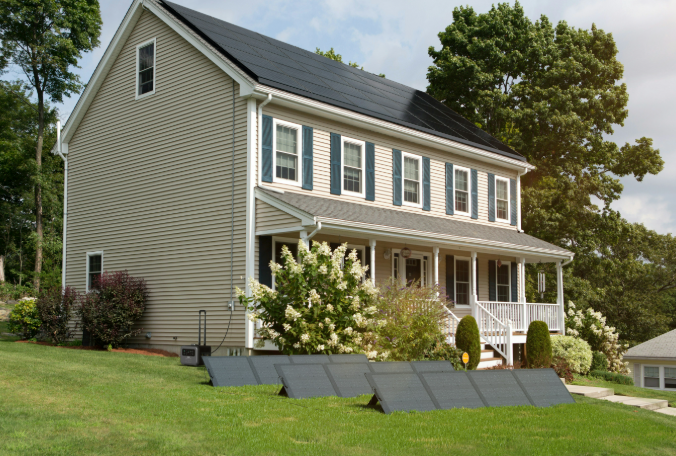
As the world moves towards a more sustainable future, incorporating renewable energy sources into your home becomes increasingly viable and advantageous. One of the most popular options is the installation of solar panels. These systems harness energy from the sun, converting it into electricity that can power your home. By reducing reliance on non-renewable energy sources, homeowners not only contribute to environmental sustainability but also enjoy significant cost savings over time.
The installation process for solar panels typically involves a few key steps. Initially, homeowners should conduct a feasibility study to determine the appropriate system size and the best placement for panels. Once a solar provider is selected, they will handle the permitting process and installation, which generally takes a few days. After installation, connections to the main electrical system are made, allowing homeowners to generate and use solar energy immediately. In some cases, excess energy can be sold back to the grid, providing additional savings.
Financial incentives play a crucial role in encouraging homeowners to switch to renewable energy. Many governments offer tax credits, rebates, and grants that can significantly lower the upfront costs associated with solar panel installation. Additionally, some states have net metering policies that allow homeowners to receive credits for surplus energy produced, further enhancing the return on investment. For those considering a transition to renewable energy, there are also financing options such as solar loans or leases that can make the switch more accessible.
Incorporating renewable energy sources like solar panels not only contributes to reduced energy bills, but it also increases the home’s value, improves energy independence, and mitigates environmental impact. As technology continues to advance, the effectiveness and affordability of these renewable solutions will undoubtedly improve, making them an essential consideration for modern homeowners.
Utilizing Natural Lighting and Ventilation
Maximizing natural light and ventilation is a highly effective approach to enhance energy efficiency in your home. One of the primary strategies involves the strategic placement of windows. Opting for larger windows, particularly on the south-facing side, can allow ample sunlight to illuminate your living spaces during the day. Additionally, incorporating features like awnings or overhangs can help minimize excessive heat during the summer months while still allowing sunlight to enter during winter.
Skylights are another excellent choice to consider when attempting to increase natural lighting. They are particularly useful in rooms that might not have exterior walls, such as hallways or bathrooms. By providing direct sunlight, skylights can significantly reduce the reliance on artificial lights while also creating a more inviting indoor atmosphere.
Moreover, maintaining an open layout within your home can facilitate better natural airflow. When designing your space, consider the orientation of windows and the use of doors that can be opened to promote cross-ventilation. Cross-ventilation can help reduce the need for air conditioning by allowing cooler air to flow through while expelling warm air, particularly during the warmer months. Incorporating ceiling fans can further enhance air circulation, improving comfort while consuming minimal energy.
Incorporating natural materials and selecting lighter paint colors for walls and ceilings can also reflect natural light, creating a brighter environment. This not only enhances visual appeal but also reduces the necessity for electric lights. Additionally, using energy-efficient window treatments, such as shades or sheer curtains, can optimize light entry while still providing privacy and insulation. By thoughtfully implementing these strategies, homeowners can create an energy-efficient environment that reduces dependence on artificial lighting and lowers energy consumption overall.
Final Thoughts and Long-term Benefits
Improving your home’s energy efficiency is not merely a trend; it is a strategic investment that yields substantial long-term benefits. By implementing energy-efficient changes, homeowners can significantly reduce their energy consumption, leading to lower utility bills and a healthier home environment. These efforts are crucial in the ongoing battle against climate change, helping to decrease carbon footprints and conserve natural resources.
One of the foremost advantages of making your home more energy-efficient is the financial savings that accumulate over time. Although there may be an initial cost for upgrades—such as installing energy-efficient appliances or enhancing insulation—the reductions in monthly energy expenses can lead to significant savings over the lifespan of these improvements. Furthermore, many utility companies offer incentives or rebates for adopting energy-efficient technologies, making these upgrades more accessible.
Beyond financial considerations, there are essential environmental impacts to consider. Energy-efficient homes contribute to a reduction in greenhouse gas emissions, thus helping to mitigate climate change. When families adopt sustainable practices such as using LED lighting, programmable thermostats, and energy-efficient windows, they are collectively contributing to a more sustainable future. Additionally, utilizing renewable energy sources like solar or wind can further decrease reliance on non-renewable resources.
Finally, enhancing your home’s energy efficiency can improve comfort and health within your living space. Energy-efficient homes typically maintain more consistent temperatures and better indoor air quality, leading to a healthier environment for all residents. As we move forward, it is crucial to recognize that even small changes can lead to significant impacts. As such, it is encouraged to embark on the journey toward energy efficiency, taking meaningful steps, whether large or small, in enhancing your home for both present enjoyment and future generations.