
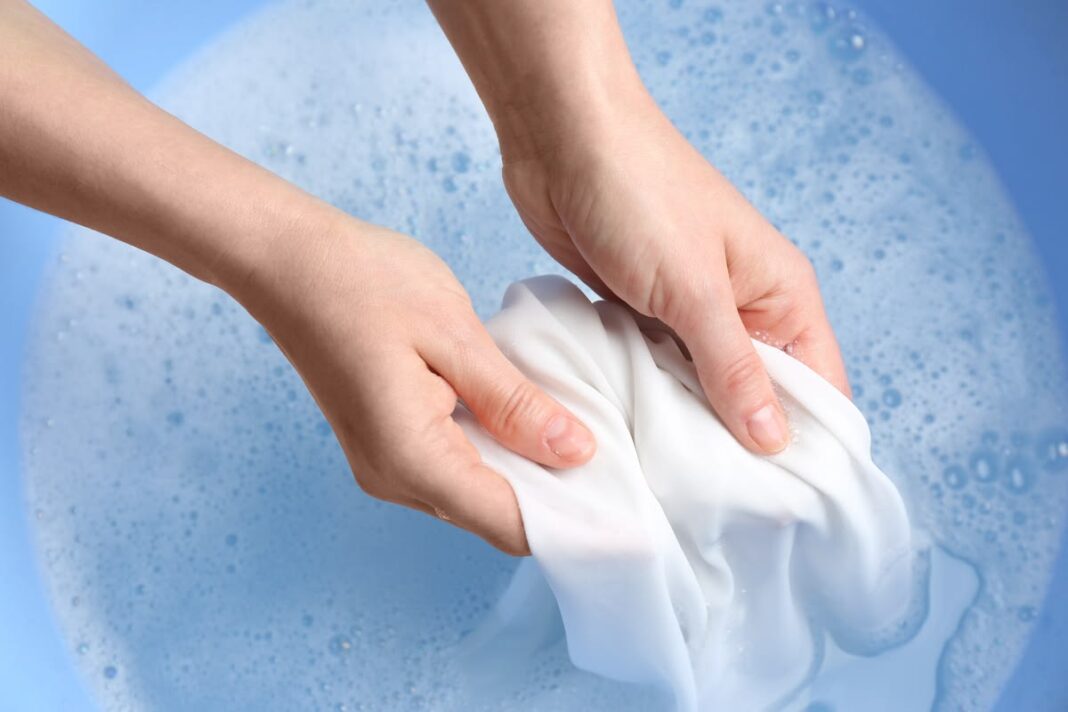


Introduction to Tough Stains
Tough stains are defined as those particularly stubborn blemishes that resist common cleaning methods, often requiring more specialized approaches to remove. These stains can occur due to various substances, each presenting its unique challenges, and they can significantly affect the appearance and integrity of different surfaces.
Common types of tough stains include grease, ink, wine, and rust. Grease stains, often derived from cooking oils or automotive fluids, can easily embed themselves into fabric and carpet, making them difficult to eliminate without appropriate solvents. Ink stains, which can result from pens or markers, are notorious for their ability to penetrate deep into fibers, leading to lasting discoloration if not addressed promptly.
Another prevalent tough stain is that of red wine. This type of stain can impact upholstery and fabrics by leaving behind vivid marks that often seem impossible to treat. Rust, caused by oxidation on metal surfaces, poses a unique problem; while its removal is feasible with the right techniques, the potential for surface damage increases significantly if not handled correctly.
These tough stains can affect a wide range of surfaces, including fabrics, carpets, wood, and tile. Each material has its own cleaning requirements, highlighting the need for tailored methods to effectively combat these blemishes. Understanding the nature of the stains in conjunction with the type of surface affected is critical in employing the proper treatment methods.
In the subsequent sections, we will delve deeper into specific techniques for addressing tough stains and provide practical solutions to maintain their original appearance. By equipping ourselves with the knowledge of stain types and surfaces, we can enhance our cleaning efforts and restore the integrity of our belongings.
Understanding the Science Behind Stains
Stains are primarily the result of substances that have penetrated a material’s surface, leading to discoloration or marking that is often challenging to remove. Understanding the chemical nature of stains is crucial for effective removal. Stains can be classified into various categories, including organic, inorganic, and biological stains, each having distinct properties that influence their behavior on different surfaces.
Organic stains, such as those caused by food, drink, or bodily fluids, are usually carbon-based compounds. These substances can bind tightly to surfaces, making them particularly difficult to eliminate. In contrast, inorganic stains, which may originate from rust or mineral deposits, have different adhesion properties and may respond better to acidic solutions or cleaning agents.
The penetration of stains into surfaces is determined by factors such as the porosity of the material and the nature of the stain itself. Porous surfaces, like fabrics, carpets, and unsealed wood, allow stains to seep deeper, necessitating more aggressive cleaning techniques. Non-porous surfaces such as glass and metals might show stains but can often be cleaned more easily.
The role of solvents, detergents, and heat in the cleaning process is significant. Solvents break down stains by dissolving the particles that comprise them, while detergents work by suspending these particles, making it easier for water to wash them away. Heat can also enhance the effectiveness of these agents, as it promotes the breakdown of bonds within the stain, allowing for easier removal. Understanding how these components interact with different types of stains is integral to developing effective cleaning strategies.
Essential Tools and Materials for Stain Removal
When it comes to removing tough stains, having the right tools and materials at hand is crucial. An effective stain removal process often begins with a well-curated checklist of essential items. Below, we outline the fundamental tools and materials that can vastly improve your stain-fighting capabilities.
Cleaning Brushes: A variety of cleaning brushes with different bristle stiffness can be highly effective for various surfaces. Stiffer brushes are ideal for scrubbing harder surfaces while softer brushes are better suited for delicate fabrics. Brushes can help lift stains without damaging the underlying material.
Spray Bottles: Spray bottles serve as convenient containers for cleaning solutions, including homemade mixtures. These bottles allow for even distribution of the cleaning solution on stained surfaces, increasing the chances of effective stain removal.
Blotting Cloths: When it comes to tackling liquid stains, having absorbent blotting cloths is essential. These cloths help to soak up excess liquid, preventing the stain from spreading further. Microfiber cloths, in particular, are a popular choice due to their superior absorbency and softness.
Vinegar: This household staple is a powerhouse for stain removal. Its acidic properties help break down mineral deposits, grease, and even some types of stains. Mixing vinegar with water creates an effective cleaning solution that can be used on various surfaces without damage.
Baking Soda: Known for its versatility, baking soda is a natural cleaning agent that can tackle tough stains. It acts as a mild abrasive and deodorizer, making it particularly useful on carpets and upholstery. By creating a paste with water, baking soda can be used to lift stubborn stains effectively.
Commercial Stain Removers: There are numerous commercial stain removers available on the market specifically designed for particular stains. Choosing the appropriate product based on the type of stain and surface is important for optimal results. Always follow the manufacturer’s instructions when using these products.
By equipping yourself with these essential tools and materials, you can significantly enhance your capability to remove even the toughest stains from any surface.
Step-by-Step Guide for Different Surfaces
Removing tough stains effectively requires understanding both the type of surface and the nature of the stain. Below, we outline essential steps categorized by different surface types to assist in the cleaning process.
Fabric
For fabric surfaces, start by identifying the stain type, such as grease, wine, or ink. Blot the stain gently with a clean cloth to absorb excess material. For grease stains, sprinkle baking soda and leave it for 15 minutes before brushing it off. An effective solution for wine or ink stains is a mixture of one part white vinegar and two parts water; apply it using a cloth and rinse afterward. Always test any solution on a hidden area to avoid discoloration.
Carpet
When addressing carpet stains, it’s crucial to act quickly. Start by blotting the stain with a clean cloth, avoiding rubbing. For tough stains like pet urine, mix one cup of vinegar, one cup of water, and a tablespoon of dish soap. Apply this mixture to the stain, blot with a cloth until the stain lifts, and rinse with cold water. For tougher stains such as red wine, a commercial carpet cleaner specifically formulated for the fabric can be beneficial.
Wood
Stains on wood surfaces, including furniture or floors, demand a gentle approach. For water stains, rubbing a mixture of olive oil and vinegar may lift the mark. For deeper stains, fine-grade sandpaper might be required, followed by refinishing. It’s vital not to soak the wood with too much liquid to avoid damage.
Glass
For glass surfaces, common stains include hard water deposits and fingerprints. A simple mixture of water and vinegar can be applied using a spray bottle, followed by wiping with a lint-free cloth. For tougher deposits, use a commercial glass cleaner or a mixture containing baking soda for deeper cleaning. Always ensure the surface is cool before applying any solutions.
Tile
Cleaning stains on tile requires assessment of the tile material. For ceramic tiles, a paste of baking soda and water can effectively eliminate stains. For natural stone tiles, avoid acidic solutions, and instead, use a pH-neutral cleaner to prevent damage. Scrubbing with a soft brush can assist in lifting any ingrained stains.
Each of these surfaces requires specific care, and knowing the appropriate methods will help maintain the integrity and appearance of your materials. By following these steps, you can effectively remove tough stains and prolong the life of your valuable items.
Homemade Stain Removal Solutions
There are numerous effective homemade stain removal solutions that can be prepared using everyday household items. Utilizing ingredients such as baking soda, vinegar, lemon juice, and dish soap, these mixtures can address tough stains on various surfaces. Below are some tested recipes and methods that can assist you in effectively combating stains.
One popular and versatile solution involves combining baking soda and water to create a paste-like formulation. To prepare this paste, combine three parts baking soda with one part water. This mixture is particularly effective against stains on fabrics and carpets. Simply apply the paste to the stained area, let it sit for about 15 minutes, and then gently scrub with a soft brush or cloth before rinsing with cold water.
Another efficient method employs vinegar, a natural disinfectant. Mixing equal parts white vinegar and water in a spray bottle creates a simple yet powerful solution for various surfaces, including counters and floors. Spray the mixture onto the stain, allow it to sit for a few minutes, and then wipe it clean with a cloth. This method effectively neutralizes odors and breaks down grime.
For additional cleansing power, lemon juice can be a valuable ally. Its citric acid aids in breaking down stains, particularly those caused by rust or beverage spills. When mixed with baking soda, lemon juice provides a delightful fizzing reaction, which can help lift stubborn stains. Use a ratio of one part lemon juice to two parts baking soda, apply it to the affected area, and scrub gently.
When combining these ingredients, it is crucial to avoid using vinegar and baking soda together in a manner that creates excessive fumes. Always ensure to test any mixture on a small, inconspicuous area to avoid any potential damage to surfaces. These homemade solutions offer an effective and eco-friendly alternative for removing tough stains while keeping your spaces clean and fresh.
Commercial stain removers are widely used due to their convenience and targeted effectiveness for removing various stains from multiple surfaces. These products come in various forms, including sprays, gels, and wide-ranging formulas tailored to specific stain types. One key advantage of commercial stain removers is that they often contain powerful ingredients designed to tackle tough stains that might be resistant to homemade solutions. For instance, grease, ink, and wine stains can often be effectively addressed by specialized products within a short time frame.
However, while the effectiveness of these commercial products is commendable, there are several downsides that users should consider. Many commercial stain removers contain harsh chemicals, which may pose health risks or cause skin irritation upon contact. Additionally, these chemicals can potentially damage the surfaces they are applied to, especially if the incorrect product is used. For example, a strong cleaner designed for hard surfaces might mar the finish of delicate fabrics or leather.
Another important aspect is the environmental impact. Many commercial products come in plastic packaging, contributing to waste and pollution. Moreover, the ingredients used in these stain removers can be harmful to the environment if not disposed of properly. This factor often leads consumers to explore more eco-friendly options, sometimes opting for homemade solutions that utilize natural ingredients such as vinegar and baking soda.
In evaluating whether to use commercial stain removers, consumers must weigh these pros and cons carefully. While they can be effective for tough stains, the potential risks to health, safety, and the environment necessitate cautious consideration. A well-informed choice will hinge on the specific cleaning situation, preferences regarding safety, and the desired results. For more delicate or uniquely challenging stains, it may be wiser to first attempt homemade remedies before resorting to commercial products.
Testing Stains and Methods
When tackling tough stains, it is imperative to consider the potential effects of any cleaning method on the surface in question. Testing a stain removal method in a controlled manner is the first and most critical step. This ensures that the chosen approach does not inadvertently damage the material or exacerbate the stain. The importance of pre-testing cannot be overstated, as various surfaces react differently to cleaners, especially those containing harsh chemicals.
To begin the testing process, select a hidden or inconspicuous area of the surface. This might be the backside of a furniture piece, an interior corner of a wall, or an unobtrusive spot on a fabric. Apply a small amount of the cleaning solution with a clean cloth or sponge. Allow it to sit for a brief period, usually around 5 to 10 minutes, which gives the solution enough time to interact with the stain and surface. Observing the reaction during this time is crucial.
After the testing period, carefully wipe the area with a soft, dry cloth to remove any residue. Assess the surface for discoloration, damage, or any change in texture. If the test area appears unchanged or improved, it indicates that the method is likely safe for broader application. However, if the surface shows signs of harm, such as fading or peeling, it is essential to abort using that method immediately. In such cases, consider alternative cleaning methods that are milder or specifically designed for the material you are treating.
Ultimately, a systematic approach to testing stain removal strategies not only protects the surfaces involved but also facilitates a more efficient cleaning process. By exercising caution and performing tests, one can efficiently navigate the challenges of tough stains while preserving the quality of surfaces throughout the cleaning endeavor.
Preventing Future Stains
Preventing future stains is crucial for maintaining the integrity and cleanliness of surfaces and fabrics. One effective strategy is to apply protective treatments specifically designed for the material in question. For upholstery and carpets, fabric protectors can create a barrier against spills, making it more difficult for substances to penetrate and cause stains. Similarly, for hard surfaces like wood, tile, or granite, sealing agents can safeguard against liquid absorption and preserve the original look for a longer duration.
Immediate action after a spill is essential in the stain prevention process. Regardless of the type of material, promptly attending to any spills can drastically reduce the likelihood of a tough stain forming. Blotting the area gently with a clean, dry cloth helps to absorb excess liquid. Avoid rubbing, as this can push the stain deeper into the fibers or surface. Instead, after blotting, use appropriate cleaning solutions sparingly, ensuring to follow product instructions to avoid damaging the surface.
In terms of regular maintenance, developing a cleaning schedule is beneficial for prolonging the life of surfaces and preventing tough stains. Regular vacuuming of carpets and upholstery helps to eliminate dirt that could trap moisture and lead to staining. For hard surfaces, routine wiping with suitable cleaners not only maintains shine but also prevents grime build-up that can become difficult to remove later. Additionally, periodic professional cleaning of carpets and upholstery can be a wise investment, ensuring deep cleaning that can reach the fibers and areas often neglected in regular cleaning.
Ultimately, adopting these proactive measures can reduce the occurrence of tough stains, allowing for a cleaner and healthier living environment.
Conclusion: Mastering Stain Removal
In summary, dealing with tough stains requires a combination of knowledge, the right tools, and effective techniques. Throughout this blog post, we have explored various methods tailored to different types of stains, from grease and wine to ink and blood. Each surface demands specific care, and understanding the nuances of these approaches ensures optimal results. By identifying the stain type and surface material, you will be better equipped to choose an appropriate cleaning solution.
Equipping yourself with basic cleaning supplies such as household detergents, stain-removing sprays, and natural remedies can vastly improve your stain removal success rate. Furthermore, treating stains promptly increases your chances of removal, as allowing them to set can make them harder to eliminate. Always remember to perform a patch test on a small, inconspicuous area before applying any cleaning solution to avoid damage to the surface.
While it is important to remember that not every stain can be completely removed, many tough stains can be effectively managed with the proper knowledge and techniques. By applying the strategies discussed in this article, you can approach each stain with confidence and expertise. Regularly reviewing your cleaning methods and adapting them to suit the situation at hand will enable you to maintain clean and polished surfaces in your home.
Ultimately, mastery in stain removal comes down to understanding both the stain and the materials you are working with, coupled with practical experience. Embracing this knowledge transforms stain challenges from being a source of frustration into manageable tasks.