
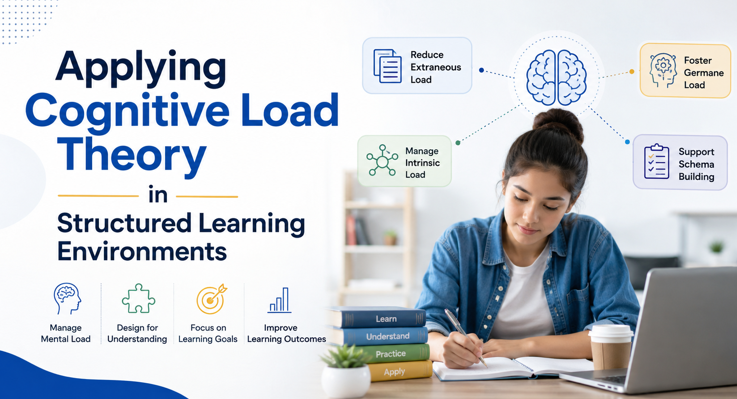

 plays a vital role in shaping effective teaching and learning experiences. Understanding the types of cognitive)
Introduction to Cognitive Load Theory
Cognitive Load Theory (CLT) is a psychological framework that emphasizes the importance of understanding how cognitive processes influence learning. Developed by John Sweller in the late 1980s, this theory sheds light on how instructional design can impact the way information is processed in our minds. By recognizing the limitations of working memory, educators can fine-tune their teaching methods to better align with natural cognitive capabilities, thus enhancing learning.
The theory identifies three distinct types of cognitive load: intrinsic, extraneous, and germane. Intrinsic cognitive load relates to the inherent difficulty of the content being learned. This type of load cannot be altered, as it depends on the complexity of the subject matter and the learner’s prior knowledge. For instance, a beginner learning algebra will experience a higher intrinsic load than a student who is already familiar with mathematical concepts.
Extraneous cognitive load, on the other hand, arises from the way information is presented or the instructional methods used. Poorly structured lessons, irrelevant content, or distracting materials can increase extraneous load and hinder learning. Therefore, effective instructional design should aim to minimize this type of load. Lastly, germane cognitive load refers to the mental effort dedicated to understanding and integrating new information. It is essential for fostering deep learning and should be encouraged through activities that promote engagement with the material.
Understanding these types of cognitive loads allows educators to create a more structured learning environment where students can focus their cognitive resources effectively. By crafting lessons that support cognitive processes and alleviate unnecessary burdens, teachers can significantly enhance the overall effectiveness of their instruction and improve students’ learning outcomes.
Importance of Structured Learning Environments
Structured learning environments are carefully designed educational settings that facilitate effective teaching and learning processes. They are characterized by a clear framework that guides both educators and learners. The significance of such environments lies in their ability to enhance educational outcomes through intentional organization and instructional design. When learning environments are structured effectively, they minimize cognitive overload, allowing learners to concentrate on understanding and applying new information.
One of the primary benefits of a structured learning environment is the promotion of cognitive coherence. This occurs when information is delivered in a logical sequence that aligns with the natural progression of knowledge acquisition. By organizing content into manageable chunks, instructional designers can help learners build on existing knowledge and integrate new concepts more seamlessly. This structured approach fosters better retention of information, as learners are not overwhelmed by extraneous details that may distract from key learning objectives.
Instructional design plays a crucial role in this context. It encompasses the strategic planning and development of educational experiences that cater to diverse learning needs. Good instructional design incorporates various modalities—such as visuals, interactive elements, and assessments—to engage learners effectively. By integrating these modalities within a structured format, educators can address the intrinsic and extraneous cognitive load that learners face. This thoughtful design not only aids comprehension but also empowers learners to develop critical thinking skills as they navigate through structured learning experiences.
In summary, the importance of structured learning environments cannot be understated. They provide a systematic approach to education that is essential for optimizing cognitive processing and enhancing overall learning outcomes. By employing effective instructional design, educators can create environments that support deeper understanding and facilitate meaningful learning experiences.
Types of Cognitive Load in Learning
Cognitive Load Theory identifies three distinct types of cognitive load that influence how learners perceive and process information: intrinsic, extraneous, and germane. Understanding these types is essential for educators seeking to optimize learning environments and enhance student performance.
Intrinsic load relates to the inherent complexity of the learning material. This type of cognitive load is shaped by the nature of the content and the learner’s prior knowledge and skills. For instance, a novice learning basic algebra may experience high intrinsic load, given that the concepts are new and unfamiliar. Conversely, for a student well-versed in algebra, the same material may present a low intrinsic load. To manage intrinsic load, educators can scaffold learning by introducing concepts progressively, ensuring that learners build their knowledge on a solid foundation.
Extraneous load refers to unnecessary cognitive effort imposed by the way the material is presented. This can occur through poorly designed instructional materials or excessive information that distracts learners from the core content. For example, a cluttered presentation with excessive visuals or distracting animations can hinder a student’s understanding. To reduce extraneous load, it is crucial to create clear, focused instructional materials that emphasize key points and facilitate engagement without adding unnecessary complexity.
Finally, germane load pertains to the cognitive effort dedicated to processing, integrating, and applying new information. This type is beneficial as it promotes deeper learning and understanding. Strategies to enhance germane load include encouraging active learning through problem-solving activities, discussions, or collaborative projects that require students to apply their knowledge in meaningful ways. By managing these three types of cognitive load effectively, educators can create structured learning environments that support optimal student engagement and comprehension.
Implementing Cognitive Load Theory in Learning Design
Understanding and applying Cognitive Load Theory (CLT) in structured learning environments is crucial for effective education. An essential aspect of this theory is recognizing the limitations of working memory, which can hinder the learning process. Therefore, employing strategies that minimize unnecessary cognitive load can significantly enhance information retention and comprehension.
One effective strategy for implementing CLT is breaking down complex information into manageable chunks. This approach, often referred to as chunking, enables learners to process information more easily without overwhelming their cognitive resources. For instance, instead of presenting learners with an entire lesson at once, educators can divide the content into smaller, digestible sections that build upon each other. This gradual introduction helps solidify foundational knowledge before advancing to more intricate concepts.
In addition to breaking down information, the incorporation of visual aids can greatly enrich the learning experience. Visual tools such as diagrams, charts, and infographics can facilitate understanding by illustrating relationships between concepts in a more accessible manner. These aids not only reduce extraneous cognitive load but also allow learners to create mental models that facilitate deeper comprehension and retention.
Furthermore, the strategic sequencing of instructional materials plays a vital role in applying Cognitive Load Theory effectively. Sequencing should follow a logical flow, where simpler concepts are introduced first, gradually progressing to more complex topics. This scaffolding approach ensures that learners have the necessary prerequisite knowledge to tackle advanced material, thereby optimizing their cognitive performance.
By thoughtfully integrating these strategies—chunking information, utilizing visual aids, and sequencing content—educators can create a structured learning environment that aligns with the principles of Cognitive Load Theory. Such practices not only improve the assimilation of knowledge but also foster a more engaging and effective educational experience for learners.
Cognitive Load Theory (CLT) has seen practical applications in various structured learning environments, demonstrating its efficacy in improving educational outcomes. One notable example is found in medical education, particularly in surgical training. Traditional methods often subjected students to excessive cognitive loads due to complex information and skills that had to be learned simultaneously. In response to this challenge, educators redesigned curricula to align with CLT principles. By segmenting information into manageable chunks and integrating simulation-based training, students were able to focus on mastering one skill at a time before progressing to more complex tasks. This structured approach resulted in enhanced retention of knowledge and improved surgical performance.
Another compelling instance of effective application can be observed in online learning platforms. Platforms like Khan Academy utilize CLT by presenting content in a sequential manner accompanied by interactive exercises that provide immediate feedback. By breaking down subjects into smaller, digestible units and allowing students to tackle problems at their own pace, the cognitive load is substantially reduced. This method not only promotes deeper understanding but also encourages learners to engage with material without feeling overwhelmed. Research has indicated that students utilizing these methods perform better on assessments compared to those studying in a traditional format without such structured guidance.
Furthermore, in corporate training programs, organizations have started implementing cognitive load principles to enhance employee learning experiences. For instance, major corporations often employ spaced repetition and progressive complexity in training modules for new technologies. This approach ensures employees are not inundated with excessive information at once, allowing for better absorption and application of new skills in their roles. Overall, these examples illustrate the successful integration of Cognitive Load Theory into diverse learning environments, highlighting its essential role in optimizing educational outcomes.
Challenges in Applying Cognitive Load Theory
Implementing Cognitive Load Theory (CLT) in structured learning environments can pose a variety of challenges that educators must navigate. One significant hurdle is the potential resistance from learners. Many students may have ingrained study habits and preferences that conflict with innovative teaching strategies derived from CLT. For instance, students who favor traditional methods may struggle with or oppose approaches that emphasize active engagement, which is essential for minimizing extraneous cognitive load. This resistance can manifest as a reluctance to participate, resulting in a barrier to the effective teaching and learning process.
Another challenge lies in the limitations of instructional resources. Many educational institutions may not have access to materials or technology that facilitate the application of CLT principles. For example, comprehensive training modules or tailored educational software designed to reduce extraneous load are often scarce. Such limitations can hinder educators from fully implementing strategies that would enhance cognitive processing and foster a more productive learning environment.
Additionally, obstacles in curriculum design often create complications when integrating CLT concepts. Curriculums are traditionally structured around content delivery rather than active learning, making it difficult to reconfigure them in a way that emphasizes cognitive load management. An effective application of CLT necessitates a complete reevaluation of curriculum goals, learning outcomes, and assessment methods. This may require extensive collaboration and consensus among educators and administrators, which can be logistically challenging and time-consuming.
In summary, while applying Cognitive Load Theory in structured learning environments offers promising benefits, educators must be prepared to confront various challenges, including learner resistance, resource limitations, and complex curriculum design issues. Addressing these challenges is essential for the successful transformation of learning experiences that are aligned with CLT principles.
Assessment and Feedback in Structured Learning Environments
Assessment and feedback play a crucial role in structured learning environments, especially when viewed through the lens of Cognitive Load Theory (CLT). The theory emphasizes the importance of balancing the intrinsic and extrinsic cognitive loads placed on learners. To effectively assess learners without overwhelming them, it is vital to design assessment tools that are straightforward and aligned with the learning objectives. This involves creating assessments that do not require excessive mental effort to understand the task itself, allowing learners to focus on demonstrating their knowledge and skills.
One effective approach is the use of formative assessments, which provide ongoing feedback that aids learning. These types of assessments are typically less formal and can include quizzes, written reflections, or peer assessments. When implemented appropriately, formative assessments can help in reducing cognitive overload by breaking down complex information into smaller, more manageable parts. This allows learners to acquire knowledge progressively, building upon their understanding without feeling overwhelmed.
Moreover, it is essential to ensure that feedback is constructive and specific. Feedback should avoid ambiguous language and provide clear, actionable steps for improvement. By being precise in what learners did well and where they can enhance their performance, educators can guide students effectively while keeping cognitive load in check. Utilizing tools such as rubrics can help streamline the feedback process, giving learners a clear visual representation of their performance and areas for growth. Thus, aligning assessment and feedback mechanisms within the principles of Cognitive Load Theory fosters a learning environment where students can thrive, engage effectively, and achieve educational goals.
Future Directions and Research Opportunities
Cognitive Load Theory (CLT) has significantly impacted the field of education, particularly in structuring learning environments to enhance student outcomes. As we move forward, several promising directions for research and the application of CLT in educational settings are on the horizon. One noteworthy area is the exploration of how emerging technologies can be harnessed to facilitate better learning experiences. Innovations such as adaptive learning platforms, virtual reality, and artificial intelligence hold the potential to tailor educational content to individual needs, thereby optimizing cognitive load management.
Moreover, ongoing research can focus on nuanced implications of CLT in diverse learning contexts. For example, understanding the cognitive load implications of various instructional designs in both online and face-to-face environments remains underexplored. Asynchronous learning, blended learning models, and their distinct effects on cognitive load warrant further investigation. Additionally, examining the cultural factors that influence cognitive processes may yield insights into how different student populations experience cognitive load differently.
Furthermore, interdisciplinary research could provide new perspectives on cognitive load. Collaborations among cognitive psychologists, educational technologists, and instructional designers could result in innovative methodologies that improve learning outcomes. For instance, the integration of neurocognitive research findings might help educators develop strategies that effectively manage learner attention and memory resources.
Finally, the shift towards competency-based education emphasizes the need for frameworks that incorporate CLT principles in assessing learner progress and achievement. Future studies could identify best practices for integrating cognitive load considerations into evaluation methods, making assessment more aligned with effective learning.
In conclusion, the future of Cognitive Load Theory in education embodies numerous opportunities for advancing both theoretical understanding and practical application, promoting enhanced educational experiences through targeted research and innovative approaches.
Conclusion and Practical Takeaways
Applying Cognitive Load Theory (CLT) in structured learning environments is critical for facilitating effective teaching and enhancing student learning experiences. This theory emphasizes the importance of recognizing the limitations of working memory and tailoring instructional strategies accordingly. By focusing on the intrinsic, extraneous, and germane cognitive loads, educators and instructional designers can create learning experiences that optimize comprehension and retention.
One of the key takeaways is the need to simplify complex materials and present information in manageable chunks. This practice not only aligns with CLT principles but also makes the learning process more accessible to students. Additionally, using multimedia resources strategically can balance cognitive loads, as different formats may support diverse learning styles, making the material more engaging.
It is also crucial to reduce extraneous cognitive load by minimizing distractions and ensuring clarity in instructions. Clear guidelines can prevent cognitive overload, allowing learners to focus on understanding the core concepts. Furthermore, promoting metacognitive strategies encourages learners to reflect on their understanding and adapt their learning processes, which is an essential aspect of CLT.
Finally, regular feedback mechanisms are vital in a structured learning environment. Providing timely, constructive feedback helps learners evaluate their progress, reinforcing germane cognitive load and encouraging deeper engagement with the material. In summary, by implementing these strategies derived from Cognitive Load Theory, educators can foster environments that not only accommodate student learning but also enhance overall educational outcomes.