
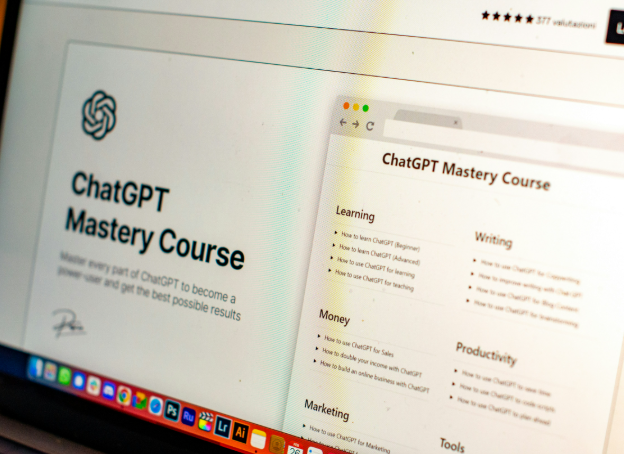


Introduction to Online Learning
Online learning, often referred to as e-learning, is an educational approach that facilitates learning through the internet. This mode of education has gained significant traction in recent years, particularly in the context of higher education and professional development. One of the most compelling aspects of online learning is its flexibility, allowing individuals to tailor their educational experiences according to their schedules and learning preferences.
There are various forms of online learning, each catering to diverse needs and interests. Massive Open Online Courses (MOOCs) are popular avenues that provide access to quality education from esteemed institutions while enabling learners to interact with a large cohort of peers. Additionally, webinars serve as interactive seminars conducted over the web, allowing participants to engage with experts and learn in real time. Self-paced courses also represent a significant aspect of online learning, affording participants the liberty to progress through course materials at their own speed, ensuring that they can balance academic pursuits with personal and professional responsibilities.
Given the rapid evolution of technology, the significance of online learning cannot be overstated. It has emerged as an essential tool for university students and professionals aiming to enhance their knowledge and skills in an increasingly competitive landscape. This educational format not only democratizes access to resources but also cultivates a culture of continuous learning, which is vital in today’s fast-paced world. The convenience of being able to study from virtually anywhere has made online learning an attractive option for many, allowing them to pursue lifelong education regardless of geographical constraints. As we explore effective strategies for online learning, it is crucial to appreciate the unique advantages this medium offers to modern learners.
Understanding Learning Styles
In an increasingly digital educational landscape, recognizing individual learning styles is crucial for effective online learning strategies. The three primary learning styles are visual, auditory, and kinesthetic, each categorizing how a person best absorbs and processes information. Understanding one’s own learning style can enhance the online learning experience, making it more tailored and effective.
Visual learners, for instance, thrive on visual stimuli such as diagrams, charts, and videos. This learning style often benefits from presentations and infographics that illustrate key concepts. Effective online courses for visual learners will incorporate visual aids and organize content visually, providing a more engaging learning environment.
Auditory learners, on the other hand, prefer listening to information. Podcasts, recorded lectures, and discussions can be effective tools for these individuals. For auditory learners, online courses that include audio elements, such as spoken instructions or debates, will facilitate better comprehension and retention of the material. Interactive audio features, such as commentaries and interviews, can further enhance learning for this group.
Lastly, kinesthetic learners, who learn best through hands-on experiences and physical activity, might find traditional online learning less compelling. For these learners, successful strategies may include incorporating simulations, practical exercises, or project-based assignments that allow them to apply theoretical knowledge in practical contexts. Online courses can cater to kinesthetic learners by providing virtual labs or group projects, fostering an environment where they can actively engage with the content.
Recognizing your personal learning style empowers you to choose the right online learning strategies that fit your needs. By understanding the characteristics of visual, auditory, and kinesthetic learners, students and professionals alike can optimize their online experience, resulting in more effective content absorption and mastery of skills.
Setting Goals and Objectives
Setting clear and achievable goals is an essential component of effective online learning for both university students and professionals. By establishing specific objectives, learners can create a structured path that enhances their motivation and focus. The process of goal-setting encourages self-reflection, helping individuals identify what they seek to achieve in their educational endeavors.
To begin, it is important to outline short-term and long-term objectives. Short-term goals can include completing weekly readings, participating in online discussions, or finishing assignments ahead of deadlines. These smaller, manageable targets allow learners to monitor their progress frequently, providing a sense of accomplishment that fuels further commitment and engagement.
On the other hand, long-term objectives are pivotal for overarching achievements within a program or career. For university students, this might mean obtaining a specific grade point average or graduating within a certain timeframe. Professionals may focus on gaining new certifications or mastering new skills applicable to their career advancement. Establishing long-term objectives not only clarifies one’s trajectory but also serves as a motivational tool that underscores the importance of daily tasks.
When setting these goals, it is beneficial to follow the SMART criteria: Specific, Measurable, Achievable, Relevant, and Time-bound. By ensuring that goals meet these standards, learners can effectively outline a roadmap that guides their online education. Furthermore, reviewing and adjusting these goals periodically can help accommodate evolving interests and circumstances, fostering resilience and adaptability.
Ultimately, goal setting is not merely an exercise in planning; it’s a proactive strategy that empowers learners to take charge of their educational journey. By implementing clear objectives, students and professionals can navigate the complexities of online learning while maintaining the motivation necessary to succeed.
Time Management Techniques
Effective time management is crucial for online learners, including university students and professionals striving to excel in their studies while balancing other commitments. Developing a structured approach to learning can significantly enhance both productivity and understanding of the material. One foundational technique is the creation of a detailed study schedule. By allocating specific time blocks for studying, assignments, and revision, learners can ensure that each subject receives adequate attention, thus minimizing procrastination and promoting consistency.
Prioritizing tasks is another essential strategy. Individuals engaged in online learning should assess their workload and identify which assignments or projects are due soonest or require the most effort. Utilizing a prioritization matrix can aid in visualizing task importance and deadlines, allowing learners to focus their efforts on high-impact activities first. This method also assists in avoiding the common pitfall of last-minute cramming, which can lead to increased stress and decreased retention of information.
In addition to these strategies, incorporating various tools can further bolster time management efforts. Digital calendars and task management applications serve as effective aids for organizing schedules and deadlines. By setting reminders and alarms, learners can keep track of important dates and allocate appropriate time for each task. Moreover, employing timers during study sessions can enhance focus and productivity. The Pomodoro Technique, for example, advocates for studying in short bursts followed by brief breaks, which can sustain concentration and stave off burnout.
By implementing these time management techniques, online learners can maximize their efficiency, ensuring that they remain engaged and productive throughout their educational journey. Adopting a structured approach to time management not only aids in achieving academic success but also equips individuals with essential skills for their professional endeavors.
Creating an Effective Learning Environment
Establishing a conducive learning environment is pivotal for success in online learning. This impacts not only the ability to focus but also the overall productivity of students and professionals engaged in remote education. A well-organized study space is the cornerstone of effective online learning. Begin by designating a specific area exclusively for study, free from the distractions commonly found in shared spaces. This separation signals to the mind that it is time to concentrate on academic tasks.
Minimizing distractions is another crucial aspect of creating an effective learning environment. This includes decluttering your study area and organizing materials in a way that reduces unnecessary visual noise. Consider employing tools like noise-canceling headphones or using apps that block distracting websites during study sessions. By limiting the number of potential interruptions, learners can enhance their focus and efficiency significantly.
Additionally, investing in ergonomic furniture can support both physical health and cognitive performance. An ergonomic chair and desk can contribute to better posture, allowing for longer and more productive study periods without discomfort. Furthermore, attention to lighting is essential; natural light is preferable, as it not only boosts mood but also enhances alertness. If natural light is limited, utilizing adjustable lamps with warm lighting can create a more inviting space. This combination of elements fosters an environment conducive to learning and retention.
Ultimately, tailoring your study environment to your specific needs can lead to improved concentration and outcomes in online learning. By focusing on organization, minimizing distractions, and investing in suitable resources, both university students and professionals can maximize their potential in the digital learning landscape.
Utilizing Technology and Resources
In today’s digital age, the integration of technology into the learning process is paramount for university students and professionals alike. Various online resources and technological tools can significantly enhance the learning experience, providing opportunities for more effective study and collaboration.
One of the most essential resources is note-taking apps, which serve as a digital alternative to traditional pen-and-paper methods. Applications like Evernote, OneNote, and Notion allow users to organize their thoughts, lectures, and research notes in a systematic manner. These platforms offer features such as multimedia support, tagging, and search functions, making it easier to retrieve information when needed.
Moreover, collaborative tools are crucial in fostering teamwork, especially in remote or hybrid learning environments. Tools such as Google Workspace, Microsoft Teams, and Slack facilitate real-time communication and document sharing among peers. This seamless collaboration not only helps in group projects but also enhances peer-to-peer learning through discussions and feedback.
Online libraries and databases, such as JSTOR, Google Scholar, and PubMed, are vital resources for students and professionals conducting research. They provide access to a wealth of academic journal articles, dissertations, and other scholarly content, which are critical for in-depth study. Furthermore, many universities offer subscriptions to these platforms, allowing students to utilize them without incurring additional costs.
Lastly, course management systems like Moodle and Canvas offer structured learning environments where instructors can post course materials, schedule assignments, and communicate with students. These platforms support a range of learning materials, including videos, quizzes, and discussion boards, ensuring that students have all necessary resources at their fingertips.
Engaging with Peers and Instructors
Engagement with peers and instructors is a vital component of online learning that can significantly enhance the educational experience for university students and professionals. The digital learning environment, while offering flexibility, often lacks the organic interactions found in traditional classrooms. As such, proactive measures must be taken to foster relationships that can lead to academic success and personal growth.
One effective strategy is to participate actively in online forums. These platforms allow students to pose questions, share insights, and discuss various topics related to their courses. When engaging in forum discussions, students should strive to contribute thoughtfully, making connections between different course materials and personal experiences. This not only aids in their understanding but also encourages others to participate, creating a vibrant learning community.
Another valuable approach is forming study groups. Utilizing video conferencing tools, students can gather virtually to review course content, share resources, and support each other in their learning journeys. These collaborative sessions provide opportunities for deeper understanding, as students explain concepts to one another and clarify doubts collectively. Additionally, maintaining regular communication within these groups can mimic a classroom dynamic, making online learning feel less isolating.
Networking opportunities also play a crucial role in enhancing interactions with instructors and peers. Engaging with guest speakers during webinars or participating in workshops can provide insights beyond coursework. Building a rapport with instructors can offer learners mentorship opportunities and personalized feedback on their progress, paving the way for academic and professional advancement.
In summary, the significance of engaging with peers and instructors through various interactive platforms cannot be overstated. By actively participating in forums, forming study groups, and utilizing networking opportunities, students can ensure a more enriching and fulfilling online learning experience.
Assessing Progress and Making Adjustments
Self-assessment is a critical component of effective online learning, enabling university students and professionals to gauge their understanding and overall progress in their studies. Implementing self-assessment strategies allows individuals to identify strengths and weaknesses in their comprehension, thus facilitating targeted improvements in their learning approaches. One effective method for self-assessment is the regular review of learning objectives and outcomes, which helps in measuring how well these align with personal goals.
Tracking progress can take various forms, including maintaining a learning journal, utilizing digital tools that provide analytics on performance, or simply reflecting on completed assignments and course material. By documenting achievements and challenges, learners can create a comprehensive overview of their academic journey. Furthermore, such tools often allow students to visualize their progress over time, making it easier to identify patterns and trends that may indicate the need for changes in study techniques.
Assessing comprehension goes beyond simply checking whether one understands the material; it involves actively engaging with the content through quiz results, peer feedback, and discussions in online forums. For instance, incorporating self-quizzes or practice exams can highlight areas where more focus is needed. Additionally, seeking feedback from instructors can provide valuable insights into one’s performance and areas for development.
Once progress is assessed, making necessary adjustments to study strategies becomes paramount. This may involve altering study schedules, experimenting with different learning resources, or engaging more actively with peer networks. Continuous improvement in online learning is predicated on the ability to adapt and refine approaches, ensuring that learning remains effective and efficient. By embracing a proactive attitude towards self-assessment and adjustment, students and professionals can enhance their learning outcomes and achieve academic success.
Conclusion and Final Thoughts
As we navigate the evolving landscape of education, effective online learning strategies play a crucial role for both university students and professionals. Throughout this blog, we have explored various techniques to enhance the online learning experience. By implementing active engagement through interactive tools, establishing a structured study environment, and prioritizing time management, learners can optimize their educational pursuits.
Moreover, fostering a strong sense of community through virtual collaboration allows individuals to benefit from shared knowledge and diverse perspectives. The importance of self-discipline cannot be understated; as individuals take charge of their learning, they are more likely to achieve their personal and professional educational goals. Additionally, leveraging technology effectively further enriches the online learning journey.
It is essential to encourage readers to reflect on their own online learning experiences and consider which strategies resonate the most with them. Are there specific methods that have proven beneficial in your own studies? Identifying personal strengths and areas for improvement can help tailor a unique approach to online learning.
Ultimately, embracing a mindset geared towards lifelong learning is vital in today’s fast-paced world. The strategies discussed herein are not merely tools; they are pathways that can lead to a more fulfilling and productive educational experience. By remaining open to new methods, continuously adapting, and maintaining a commitment to self-improvement, learners can stay ahead in their academic and professional lives.
In conclusion, the journey of online learning is highly individualistic, yet universally fruitful. As you consider applying these strategies, remember that the goal is not perfection, but progress. May your efforts lead you towards greater knowledge and success in all your future endeavors.