
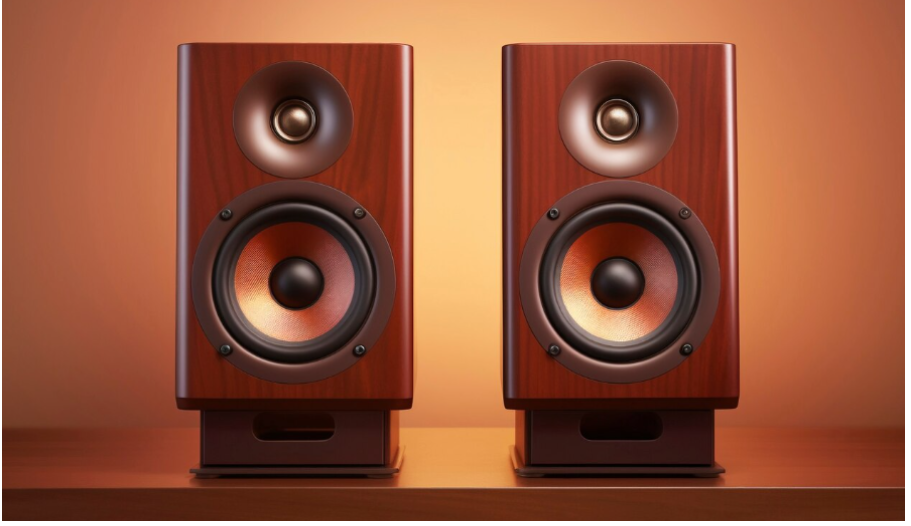


Once considered a revolutionary technology, the loudspeaker continues to be an integral component of modern audio systems, shaping the way we experience sound in our daily lives. These devices convert electrical energy into sound waves, allowing us to enjoy music, movies, and sounds from various devices with remarkable clarity. The loudspeaker emerged as a pivotal innovation in the early 20th century and has since undergone significant advancements, with companies now offering diverse designs and capabilities tailored to different audio experiences.
The Birth and Advancements of Loudspeaker Technology
The development of the loudspeaker dates back to the late 19th century with key contributions from inventors like Thomas Edison and Emil Berliner. The initial designs were rudimentary, primarily using mechanical means to amplify sound. It wasn’t until the early 20th century that the electric version made its debut, considerably enhancing sound reproduction quality and volume.
With the advent of radio broadcasting in the 1920s, loudspeakers became critical for mass communication. The designs have evolved from basic horn loudspeakers to sophisticated models employing dynamic drivers, electrostatic, and planar magnetic technologies. These advancements have allowed for a wider range of frequencies and improved sound field imaging, setting the stage for high-fidelity audio systems.
Components and Types of Loudspeakers
Modern loudspeakers consist of several critical components, each contributing to sound reproduction. The primary elements include the driver, enclosure, and crossover. The driver, often considered the core component, is responsible for converting electrical signals into sound. It is typically constructed from a diaphragm, voice coil, and magnet. Materials used for these parts can vary significantly, impacting the speaker’s sound characteristics and performance.
There are various types of loudspeakers, each designed for specific functions and settings. Conventional dynamic speakers dominate the market and include subcategories such as woofers, tweeters, and midrange speakers, each covering different frequency ranges for a balanced audio experience. Other prominent types include:
– Horn loudspeakers: Utilise a horn to amplify sound, making them efficient for large venues.
– Planar magnetic speakers: Employ a flat diaphragm that produces sound through magnetic fields, offering a unique audio profile.
– Electrostatic speakers: Known for their clarity and detail, these use a thin, electrically charged diaphragm.
The Role of Enclosures
The enclosure, or the speaker cabinet, is vital in enhancing sound quality. It minimises interference from sound waves emanating from the back of the driver. By carefully designing enclosures, manufacturers can optimise sound projection and bass response. Common styles include sealed, ported, and transmission line designs, each contributing differently to sound characteristics.
Sealed enclosures offer tight bass and are suitable for accurate sound reproduction but can be less efficient than other types. Ported enclosures include vents or ports, allowing for increased efficiency and deeper bass response. Transmission line enclosures are more complex, leveraging internal pathways to enhance low-frequency performance.
Integration in Modern Audio Systems
In today’s digital age, loudspeakers have become essential components in various audio systems, from home theatre setups to personal audio devices. The integration of digital signal processing (DSP) in loudspeakers allows for refined sound customisation and correction, improving overall audio fidelity. This technology, combined with wireless streaming capabilities, enables seamless integration with smart home ecosystems.
The proliferation of wireless and multi-room audio systems means loudspeakers can communicate over networks, offering users more flexibility and control over their audio environment. Innovations in materials and manufacturing have also led to more aesthetically pleasing designs, allowing loudspeakers to blend seamlessly into modern home interiors.
Challenges and the Future of Loudspeaker Development
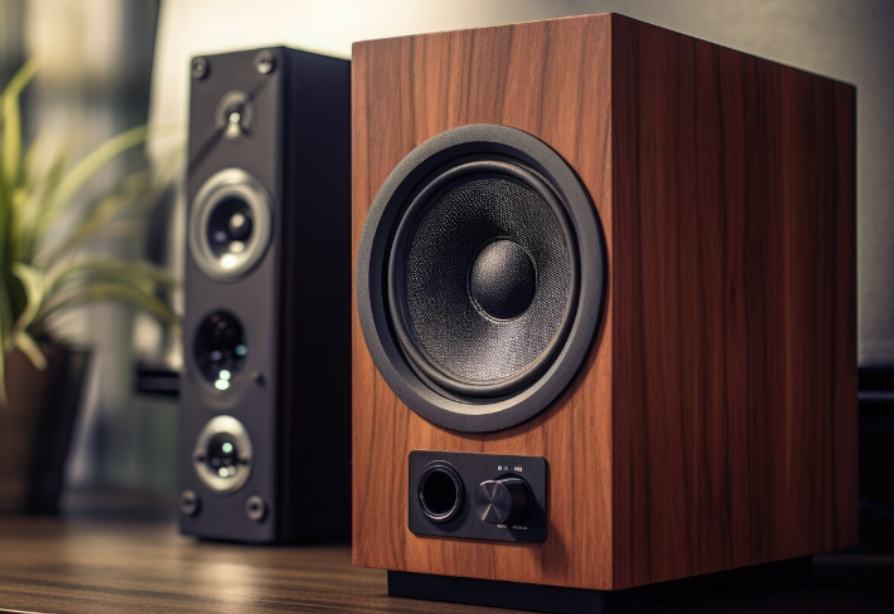
Despite the numerous advancements, challenges remain in the pursuit of perfect sound reproduction. One of the main hurdles is achieving a balance between sound quality, cost, and size. Compact designs are often limited in bass response, while larger structures may not fit all aesthetic preferences or living spaces.
Environmental factors also present challenges in loudspeaker development. Manufacturers are increasingly seeking sustainable materials and production techniques to minimise environmental impact whilst maintaining high-performance standards. The shift towards eco-friendliness does not only cater to consumer demand but also meets regulatory requirements that encourage greener practices.
The future of loudspeakers lies in continued innovation and adaptation to emerging technologies. The integration of artificial intelligence and machine learning promises intelligent sound profiling that can adapt to listener preferences and environmental conditions. As technology continues to advance, loudspeakers are poised to play an ever-evolving role in shaping how we experience auditory content.
Conclusion
Loudspeakers stand as a testament to human ingenuity and an unwavering desire to amplify and refine auditory experiences. While originally designed for simple sound reproduction, they have evolved into sophisticated devices capable of delivering immersive, high-fidelity audio. The journey of loudspeaker technology reflects broader trends in consumer electronics, characterised by rapid innovation and an increasing focus on user-centric design. As we look towards the future, the potential for further enhancement in loudspeaker technology seems boundless, offering exciting possibilities for auditory experiences yet to be imagined.