
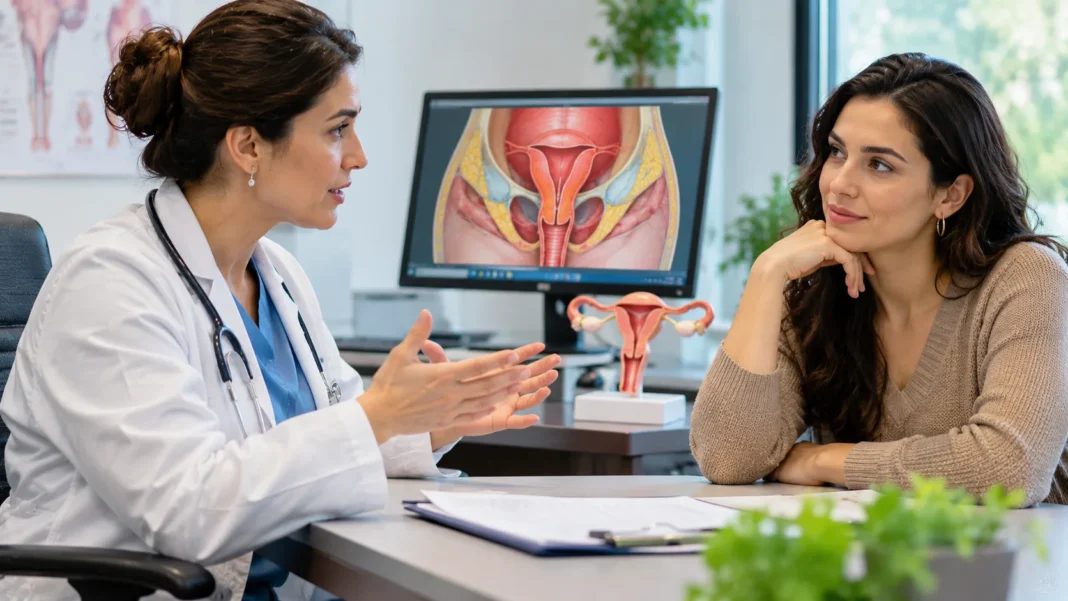


What Is Uterine Prolapse?
Uterine prolapse is a condition in which the uterus moves downward from its normal position into the vagina. This happens when the pelvic floor muscles, ligaments, and connective tissues can no longer provide adequate support. The condition can range from mild to severe. Understanding uterine prolapse treatment options helps patients make informed decisions about managing symptoms and improving everyday comfort.
The pelvic floor acts as a supportive structure for the uterus, bladder, bowel, and other pelvic organs. When these tissues weaken or stretch, the uterus may descend toward the vaginal opening. Some people experience noticeable symptoms, while others have few or no problems. The severity of the prolapse does not always match the level of discomfort.
Uterine prolapse is more common after childbirth and with increasing age, particularly after menopause. However, it can affect people at different stages of life. Treatment depends on symptoms, medical history, examination findings, and personal preferences. Many patients can manage the condition without surgery, while others may benefit from additional medical treatment.
What Causes Uterine Prolapse?
Uterine prolapse develops when the structures supporting the uterus become weakened or damaged. Pregnancy and vaginal childbirth can stretch pelvic floor tissues and contribute to changes in pelvic support. Multiple deliveries and certain complicated births may increase the risk. However, uterine prolapse can also develop in people who have never given birth.
Age-related changes and menopause can influence pelvic support because connective tissues and muscles change over time. A family history of pelvic organ prolapse may also increase susceptibility. Chronic constipation, repeated heavy lifting, and persistent coughing can place additional pressure on pelvic structures. These factors may contribute to prolapse development or worsening symptoms.
Not everyone with these risk factors will develop uterine prolapse. The condition usually involves several contributing factors rather than one specific cause. Maintaining comfortable bowel habits, addressing persistent coughing, and managing physical demands may help reduce unnecessary strain. A healthcare professional can assess individual risk factors and recommend suitable management strategies.
Common Symptoms of Uterine Prolapse
The symptoms of uterine prolapse vary depending on how far the uterus has descended and how the surrounding structures are affected. One common symptom is a feeling of heaviness or pressure in the pelvis. Some people notice a bulge inside or near the vaginal opening. Discomfort may become more noticeable after prolonged standing or physical activity.
Other symptoms can include lower back discomfort, difficulty emptying the bladder, or changes in bowel movements. Some patients experience urinary leakage or a sensation that the bladder is not completely empty. Vaginal discomfort may also affect exercise and daily routines. However, these symptoms can have other causes and should not automatically be attributed to prolapse.
Mild uterine prolapse may cause few symptoms and require only monitoring. More pronounced symptoms can interfere with physical activity, bladder function, or everyday comfort. Seek prompt medical attention if you cannot urinate, develop severe pelvic pain, or experience heavy bleeding. An appropriate examination helps identify the cause and determine whether treatment is necessary.
How Doctors Diagnose Uterine Prolapse
Diagnosing uterine prolapse usually begins with a discussion of symptoms and medical history. A healthcare professional may ask about childbirth, menopause, urinary changes, bowel habits, and pelvic discomfort. These questions help identify factors that may influence pelvic support. A physical examination is usually needed to confirm whether the uterus has descended.
During a pelvic examination, the clinician assesses the position of the uterus and surrounding vaginal walls. Patients may be asked to gently bear down to demonstrate how the pelvic organs move under pressure. The examination may occur in different positions when appropriate. These findings help determine the extent of the prolapse and identify other pelvic support problems.
Doctors may classify prolapse using a standardized system such as the Pelvic Organ Prolapse Quantification system. Additional tests are sometimes recommended when urinary symptoms or other concerns require investigation. However, imaging is not routinely necessary for every patient. Accurate diagnosis helps guide treatment based on symptoms, examination findings, and individual goals.
Understanding the Different Stages of Uterine Prolapse
Uterine prolapse is commonly described according to the degree of downward movement. In mild cases, the uterus descends but remains above the vaginal opening. More advanced prolapse may reach or extend beyond the opening. Doctors use examination findings to describe the condition accurately rather than relying only on the symptoms reported.
In the standardized POP-Q system, stage 0 indicates no measurable prolapse, while stages I through IV describe increasing descent. Stage I is relatively mild, and stage IV represents nearly complete or complete vaginal eversion. The system considers specific anatomical measurements. It provides a consistent way to communicate findings and monitor changes over time.
The stage of prolapse does not automatically determine which treatment is best. Some patients with significant descent experience manageable symptoms, while others with less advanced prolapse report considerable discomfort. Treatment decisions should consider daily function and personal priorities. A clinician can explain the examination findings and discuss available options without assuming surgery is always necessary.
Non-Surgical Uterine Prolapse Treatment Options
Non-surgical uterine prolapse treatment is often considered when symptoms are mild or moderate. Options may include pelvic floor muscle training, vaginal pessaries, and strategies to reduce uncomfortable pressure. Some patients with minimal symptoms choose monitoring without immediate intervention. The appropriate approach depends on personal preferences, medical history, and how much the condition affects everyday life.
Pelvic floor physical therapy may help improve muscular coordination, strength, and symptom management. A trained therapist can assess how the pelvic floor contracts and relaxes during different activities. Treatment may also address breathing patterns, bowel habits, and movement strategies. These approaches can improve comfort, although they do not guarantee that prolapsed organs will return permanently to their original position.
Lifestyle changes can complement other treatments by reducing activities that repeatedly worsen symptoms. Managing constipation and treating persistent coughing may help limit unnecessary pelvic pressure. Exercise can often continue with suitable modifications. Non-surgical care aims to improve function and quality of life while respecting individual needs and treatment preferences.
Pelvic Floor Exercises for Uterine Prolapse
Pelvic floor muscle exercises are commonly recommended as part of conservative uterine prolapse management. These exercises involve gently contracting and relaxing the muscles that support the pelvic organs. Regular practice may improve strength and reduce certain symptoms, especially in mild to moderate cases. However, correctly identifying the muscles is important for achieving useful results.
A pelvic health physical therapist can teach patients how to perform contractions without excessive straining. Exercises may involve holding a comfortable contraction briefly before allowing the muscles to relax fully. The duration and number of repetitions should match individual ability. Constant tightening or repeatedly pushing through discomfort is not necessary and may be counterproductive.
Pelvic floor strengthening does not work identically for everyone. Some patients have difficulty relaxing the muscles or experience pain that requires a different therapeutic approach. Professional assessment can help determine whether strengthening, coordination training, or relaxation is most appropriate. Improvements often develop gradually, and regular follow-up can help evaluate progress.
Vaginal Pessary Treatment for Uterine Prolapse
A vaginal pessary is a removable medical device placed inside the vagina to support pelvic organs. It is a common non-surgical treatment for uterine prolapse and may provide meaningful symptom relief. Pessaries are available in different shapes and sizes. A healthcare professional helps select a suitable design based on anatomy, comfort, and support requirements.
During a fitting appointment, the clinician checks whether the pessary remains comfortable during movement and normal activities. Some patients can learn to remove and clean the device themselves, while others prefer regular clinical appointments. Care instructions vary according to the pessary type. Proper fitting and follow-up are important for preventing irritation and other complications.
A pessary can be useful for patients who want to avoid surgery, postpone an operation, or manage symptoms during particular activities. However, it does not permanently repair weakened support tissues. Vaginal irritation, discharge, or bleeding may occur and should be assessed. Regular review helps ensure the device continues to fit properly and provides comfortable support.
When Is Surgery Needed for Uterine Prolapse?
Surgery may be considered when uterine prolapse causes significant symptoms that do not improve sufficiently with conservative treatment. It may also be appropriate when a patient prefers a surgical solution after discussing available alternatives. The decision should reflect symptom severity, medical conditions, and personal goals. Surgery is not automatically required simply because prolapse has reached a particular stage.
Several surgical techniques are available for treating uterine prolapse. Some procedures preserve the uterus, while others involve hysterectomy combined with repairs that support the upper vagina. The appropriate operation depends on pelvic anatomy, associated prolapse, surgical risks, and patient preferences. A specialist can explain the advantages and limitations of each approach.
Surgery may improve pressure, bulging, and other symptoms, but it also carries potential risks. These include bleeding, infection, injury to nearby organs, ongoing pain, and recurrence of prolapse. Recovery requirements differ depending on the procedure. Shared decision-making helps patients understand possible outcomes and choose treatment that aligns with their circumstances.
Uterine Prolapse Surgery Recovery
Recovery after uterine prolapse surgery varies according to the surgical procedure and individual health factors. Some patients leave the hospital relatively quickly, while others require additional observation. Temporary discomfort, fatigue, and changes in bladder or bowel function may occur. The surgical team provides specific instructions for activity, medication, wound care, and follow-up appointments.
During the early recovery period, patients are usually advised to avoid activities that create excessive strain on healing tissues. Restrictions on lifting, strenuous exercise, and vaginal intercourse vary by procedure and surgeon. Gentle walking may be encouraged when medically appropriate. Following individualized instructions is more reliable than assuming every prolapse operation requires the same recovery schedule.
Recovery is generally gradual, and returning to normal activities should reflect healing progress. Contact the surgical team if pain worsens, fever develops, bleeding becomes heavy, or urination becomes difficult. These symptoms may indicate complications requiring assessment. Scheduled follow-up visits allow clinicians to evaluate healing and advise when more demanding activities can safely resume.
Lifestyle Changes That May Help Manage Uterine Prolapse
Everyday habits can influence how uterine prolapse symptoms feel during routine activities. Constipation may increase straining, which can place additional pressure on pelvic support structures. Adequate hydration, fiber-containing foods, and appropriate medical management can support comfortable bowel movements. Patients should seek guidance when constipation persists rather than repeatedly straining.
Regular physical activity is generally beneficial, although certain movements may temporarily increase prolapse symptoms. Walking, comfortable strength exercises, and other manageable activities can support overall health. Some people benefit from adjusting exercise intensity or breathing techniques. A pelvic health professional can help identify suitable modifications without unnecessarily restricting enjoyable movement.
Managing persistent coughing and avoiding repeated excessive straining may also reduce pressure on the pelvic floor. Patients who notice worsening symptoms during particular tasks can discuss alternative movement strategies with a clinician. These adjustments are supportive rather than curative. Their purpose is to improve daily comfort while complementing appropriate medical care.
Long-Term Recovery and Preventing Prolapse Recurrence
Long-term uterine prolapse management focuses on maintaining comfort, function, and appropriate pelvic support. Some patients experience lasting symptom improvement after conservative treatment or surgery. Others may require ongoing monitoring or additional care. Recurrence is possible even after successful surgery because the underlying support tissues can continue changing over time.
Continuing suitable pelvic floor exercises may support muscle function when strengthening is appropriate. Managing constipation, remaining physically active, and following individualized medical recommendations can also be helpful. However, no exercise program or lifestyle change guarantees that prolapse will not return. Recovery plans should remain realistic and adapt to individual circumstances.
Regular follow-up is particularly useful when symptoms change or new concerns develop. Patients should report increasing bulging, urinary difficulties, pelvic discomfort, or other persistent symptoms. Early evaluation can identify problems and provide additional treatment choices. Long-term care is most effective when patients understand their options and participate in decisions about their health.
Conclusion
Uterine prolapse occurs when the uterus descends because the pelvic support structures are unable to maintain their usual position. Symptoms range from mild pelvic pressure to noticeable bulging and difficulties with daily activities. Treatment choices depend on the examination findings, symptoms, and patient preferences. Not every case requires surgery.
Non-surgical treatment options include pelvic floor rehabilitation, vaginal pessaries, and appropriate lifestyle adjustments. These approaches may improve comfort and support everyday function. Surgery remains an option for patients with bothersome symptoms who want a more definitive anatomical repair. Each treatment has benefits, limitations, and individual considerations.
Recovery from uterine prolapse requires realistic expectations and appropriate medical guidance. Patients may benefit from ongoing pelvic health support, gradual activity progression, and regular follow-up. New or worsening symptoms should be assessed promptly. Understanding the available treatments can help people make informed choices and maintain a comfortable, active lifestyle.
Frequently Asked Questions
Can uterine prolapse be treated without surgery?
Yes, many patients manage uterine prolapse without surgery using pelvic floor physical therapy, vaginal pessaries, and lifestyle adjustments. Treatment depends on symptom severity, examination findings, and personal preferences.
What is the best treatment for uterine prolapse?
The best treatment depends on symptoms, prolapse severity, overall health, and personal goals. Options include monitoring, pelvic floor rehabilitation, pessary support, and surgery when appropriate.
How long does uterine prolapse surgery recovery take?
Recovery varies by procedure and individual circumstances. Many patients gradually resume activities over several weeks, although some restrictions may continue longer. Follow the surgeon’s specific instructions for safe recovery.
Can pelvic floor exercises reverse uterine prolapse?
Pelvic floor exercises may improve muscle function and reduce symptoms, particularly in mild to moderate cases. However, they do not reliably reverse anatomical prolapse or permanently restore every supporting structure.
Can uterine prolapse come back after treatment?
Yes, uterine prolapse can recur after conservative treatment or surgery. Recurrence risk varies according to tissue support, medical history, and the procedure performed. Ongoing monitoring can help identify changes early.