
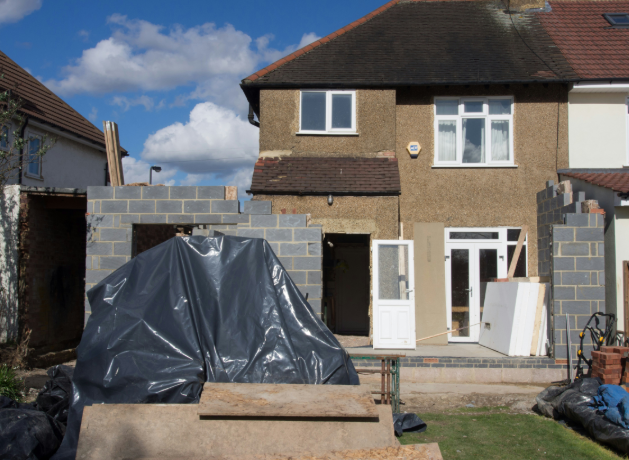


Introduction to Home Renovation
Home renovation serves as a pivotal strategy for homeowners aiming to enhance their property’s market value. In an increasingly competitive real estate landscape, homeowners are often faced with the question of how to maximize the return on their investment. Renovations provide an opportunity not only to improve the aesthetic appeal of a residence but also to elevate its functionality and overall marketability.
There are various reasons why homeowners consider undertaking renovation projects. One primary motivation is the desire to increase the sale price of their property. According to market studies, well-executed renovations can yield a substantial return on investment, making homes more attractive to potential buyers. Improvements in key areas such as the kitchen and bathrooms often lead to higher valuations and quicker sales.
Additionally, homeowners may seek renovations to enhance their living conditions. Upgrading outdated features, improving energy efficiency, or expanding useful space contributes to a more comfortable and enjoyable environment. Such enhancements not only add value in terms of resale but also enrich the day-to-day experience of the inhabitants, ultimately justifying the costs of renovation.
Furthermore, attracting potential buyers is another significant factor. The current real estate market places a premium on modern, updated homes. By investing in renovations, homeowners can distinguish their properties from others on the market. This differentiation is particularly relevant in neighborhoods experiencing economic growth or redevelopment.
In conclusion, home renovation is an integral element in the effort to increase property market value. By thoughtfully considering the motivations and potential impacts of renovations, homeowners can make informed decisions that benefit both their current living experience and future financial prospects.
Understanding Property Appraisal
Property appraisal is a critical process that determines the fair market value of a property. This valuation is conducted by a qualified appraiser and is essential when buying, selling, or refinancing a home. The appraisal takes into account several key factors, which ultimately influence the assessed value and can impact your overall investment in the property.
One of the primary factors considered during an appraisal is the location of the property. Appraisers evaluate the surrounding neighborhood, proximity to amenities, and overall desirability of the area. For instance, properties located in highly sought-after neighborhoods tend to have higher market values. Additionally, recent sales of comparable homes in the area, known as “comps,” are examined to provide context for the home’s value.
Another significant element in the appraisal process is the size and layout of the home. A larger home or one with an efficient layout that maximizes living space generally holds more value. Appraisers consider the total square footage, number of bedrooms and bathrooms, as well as unique features such as additional rooms or multi-functional spaces.
The condition of the home is equally vital. An updated, well-maintained property can vastly improve its market value. Renovations such as kitchen upgrades, bathroom remodels, and modernizing key systems (plumbing, electrical, HVAC) enhance the home’s appeal and can lead to a higher appraisal value. Conversely, properties that are outdated or in need of significant maintenance may detract from their appraisal results, affecting potential selling prices.
In essence, understanding property appraisal is crucial for homeowners aiming to increase their property market value. By being aware of the factors appraisers consider, such as location, size, and condition, owners can make informed renovations that positively impact their property’s valuation.
Kitchen Renovations
The kitchen is often referred to as the heart of the home and plays a crucial role in influencing potential buyers during a property purchase. Therefore, investing in kitchen renovations can significantly enhance a home’s market value. This section explores key updates that are popular among homebuyers and can elevate the overall appeal of a property.
One of the most effective ways to improve a kitchen is by upgrading to modern appliances. Energy-efficient appliances not only appeal to eco-conscious buyers but also promise lower utility bills. Stainless steel finishes are particularly sought after, giving a contemporary look that complements a variety of kitchen styles. Transforming an outdated kitchen into a sleek, functional space with the latest technology can create a lasting impression on prospective buyers.
New countertops also serve as a vital element in kitchen renovations. Materials such as granite, quartz, and marble are highly desired for their beauty and durability. These surfaces can enhance the aesthetic appeal of the kitchen while adding significant value to the property. Additionally, investing in quality cabinetry can yield substantial returns. Custom or semi-custom cabinets that boast solid construction and appealing designs are attractive features that can set a property apart in the market.
Another trend that is gaining traction in kitchen design is the open-concept layout. By removing walls to create a seamless flow from the kitchen to the living or dining area, homeowners create a more inviting and spacious atmosphere. Open-concept designs are particularly popular among younger buyers, who often prefer a social and connected environment when entertaining guests. This type of renovation not only improves functionality but also enhances the overall appeal of the home.
Bathroom Improvements
Renovating a bathroom is one of the most effective strategies for increasing property market value. A well-designed bathroom renovation not only elevates the aesthetic appeal of a home but also enhances its functionality. One primary consideration is the addition of a new bathroom, especially in homes with limited facilities. This can significantly improve the overall usability of the home, catering to larger families or hosting guests effectively.
Another key aspect of bathroom improvements involves upgrading fixtures. High-quality faucets, showerheads, and cabinetry can impart a sense of elegance and modernity. Investing in energy-efficient plumbing fixtures can also attract environmentally conscious buyers, further enhancing property value. Stainless steel or matte black finishes have become increasingly popular, providing a contemporary touch that appeals to many homeowners.
Moreover, improving lighting is essential in bathroom renovations. Adequate lighting can make a small space appear larger and more inviting. Consider incorporating a mix of ambient and task lighting to create a functional yet soothing atmosphere. Features such as wall-mounted sconces or stylish pendant lights can add both flair and practicality to the space.
Finally, investing in luxury features can offer a significant return on investment. Installations like soaking tubs and walk-in showers add a sense of luxury that is highly desirable among buyers. A walk-in shower, particularly with rainfall showerheads or body sprays, transforms a simple bathroom into a personal spa experience. Such enhancements not only create comfort but also make properties stand out in the competitive real estate market.
In essence, bathroom improvements encompass a range of strategies, from additions and upgrades to luxury features. These renovations not only enhance the beauty and efficiency of a bathroom but also significantly increase the property’s market value.
Enhancing Curb Appeal
The importance of a home’s exterior cannot be overstated, particularly when it comes to making a positive first impression. Enhancing curb appeal is not merely an aesthetic endeavor; it is a strategic investment in the overall market value of your property. Potential buyers often form their initial opinions based on what they see from the street, making it essential to prioritize the exterior appearance of your home.
One effective way to boost curb appeal is through landscaping. A well-maintained yard with lush greenery, vibrant flower beds, and neatly trimmed hedges creates an inviting atmosphere. Whether you opt for professional landscaping services or a weekend DIY project, taking the time to improve your garden can yield significant returns. Consider adding decorative elements such as mulch or attractive stone pathways that lead up to your entryway.
Exterior painting is another critical aspect of enhancing curb appeal. A fresh coat of paint can breathe new life into your home, making it appear well-cared for. When selecting paint colors, consider hues that reflect the architectural style of your home while remaining appealing to a wide audience. Neutral colors often attract buyers, although small pops of color can enhance certain features like shutters or trim.
Door replacement also warrants attention; a new front door can act as a focal point and significantly uplift the home’s exterior. Consider doors made from durable materials that also offer energy efficiency. Additionally, investing in outdoor lighting can add both beauty and safety to your home. Good lighting not only illuminates pathways but highlights architectural features and plants, extending the enjoyment of your home’s exterior into the evening.
Energy Efficiency Upgrades
In today’s real estate market, energy efficiency upgrades are increasingly regarded as essential components for enhancing property value. Homebuyers now prioritize sustainable living and reduced utility costs, making such renovations attractive to potential buyers.
One of the most impactful changes a homeowner can implement is proper insulation. Enhancing insulation not only helps maintain a comfortable indoor temperature but also significantly decreases energy consumption. This is particularly appealing in regions with extreme weather conditions, as it leads to lower heating and cooling costs, which buyers often view as a long-term financial benefit.
Moreover, window replacement plays a crucial role in improving energy efficiency. Older windows are often less effective at preventing heat loss or gain. By upgrading to double or triple-glazed windows, homeowners can drastically reduce energy expenditure and improve the overall aesthetic appeal of the property. Many prospective buyers recognize the value of modernized windows, making them a compelling selling point.
Incorporating energy-efficient appliances also contributes to a home’s attractiveness. Appliances that have high energy efficiency ratings consume less power, leading to reduced utility bills. These appliances are often seen as an investment that yields savings over time, further encouraging buyers to favor homes equipped with the latest energy-saving technology.
Additionally, the installation of solar panels has emerged as a highly sought-after renovation. Not only do solar panels decrease reliance on traditional energy sources, but they can also offer significant savings on electricity bills. Properties with solar energy systems are increasingly perceived as forward-thinking, making them desirable in a market that values eco-friendly initiatives.
By implementing energy efficiency upgrades such as enhanced insulation, modern window installations, energy-efficient appliances, and solar panel systems, homeowners can effectively increase their property’s market value while appealing to environmentally-conscious buyers.
Adding Functional Space
In the realm of real estate, the functionality of a property can significantly influence its market value. Adding functional space to a home, whether through a basement or attic conversion, the addition of extra rooms, or the creation of outdoor living areas, serves to enhance not only the home’s appeal to prospective buyers but also its overall valuation. Real estate experts consistently note that homes with versatile layouts tend to attract a broader audience.
Basement conversions are a prime example of how to expand usable space effectively. By transforming an often-overlooked area into a finished living space, homeowners can add notable square footage. This may include creating a home office, a guest suite, or an entertainment area—each of which can meet the diverse needs of buyers in today’s market. Similarly, attic conversions can unlock further potential, converting spaces that previously served limited purposes into charming bedrooms or studios. Such enhancements are likely to yield a high return on investment, as they can address buyers’ desires for more living space in a compact footprint.
Moreover, the addition of outdoor living areas has become increasingly desirable. Features like decks, patios, or specially designed gardens not only expand the aesthetic appeal of a property but also promote a lifestyle that many buyers seek. These spaces can be crafted to accommodate entertaining, relaxation, or recreational activities, making them versatile and attractive options. Furthermore, creating a functional outdoor space complements the indoor renovations, providing a seamless transition that enhances the overall functionality of the home.
Ultimately, investing in functional space is a strategic approach to increasing a property’s market value. Whether through unfinished areas or outdoor expansions, each addition can cater to modern trends and buyer preferences, ensuring greater competitiveness in the housing market.
Smart Home Technology
As technology continues to advance, the demand for smart home features is rapidly increasing among potential buyers. Smart home technology encompasses a range of devices and systems, including smart thermostats, security systems, lighting control, and home assistants. By integrating these modern conveniences into your home renovation projects, you not only enhance the livability of your space but also significantly increase its appeal in the real estate market.
One of the most popular upgrades is the installation of smart thermostats, which allow homeowners to regulate their heating and cooling systems remotely via smartphone applications. This convenience not only enhances energy efficiency by optimizing heating and cooling schedules but also provides homeowners with greater control over their comfort levels. The ability to monitor energy consumption can be an attractive feature for eco-conscious buyers.
In addition to climate control, smart security systems are becoming a paramount consideration for many buyers. These systems often include smart locks, surveillance cameras, and doorbell cameras, which can be monitored from anywhere. Increased safety and peace of mind are significant selling points, especially in urban areas where security concerns may affect potential buyers’ decisions.
Moreover, smart lighting control systems allow homeowners to customize lighting settings and create schedules, further enhancing the ambiance of their environment. Features such as remote activation and dimming options are particularly appealing as they offer both convenience and energy savings. By incorporating these technologies, property owners can distinguish their homes from others on the market.
Ultimately, integrating smart home technology into home renovations not only meets the current market demand but also positions a property as a modern and desirable investment. With an increasing number of buyers prioritizing technology-forward homes, this upgrade can lead to a higher market value and a quicker sale.
Conclusion and Final Thoughts
In the realm of real estate, increasing property market value through thoughtful home renovations is a strategy that benefits both homeowners and potential buyers. As discussed in the preceding sections, renovations such as kitchen upgrades, bathroom remodeling, and enhanced curb appeal substantially raise not only the aesthetic value of a property but also its market worth.
Investing in energy-efficient appliances and smart home technologies provides homeowners with a dual advantage: improved daily living experiences and the potential for higher resale values. Furthermore, it is essential to tailor renovations to the preferences of the target market, ensuring that improvements resonate with prospective buyers.
Space optimization is another critical aspect of renovation that contributes significantly to property value. Open floor plans and additional storage solutions enhance usability and comfort, making a home more appealing to a wider audience. Additionally, maintaining strong attention to quality materials and craftsmanship ensures that renovations are durable and functional, ultimately yielding a substantial return on investment.
Homeowners should also consider the local real estate market trends and community standards when undertaking renovations. Staying updated on what is popular in their locality can help homeowners position their properties advantageously. By prioritizing both essential repairs and updated styles, homeowners can effectively influence their property’s resale prospects.
In summary, well-planned renovations can transform living spaces while simultaneously boosting property market value. By focusing on the needs of the market and ensuring high-quality outcomes, homeowners can successfully navigate the home renovation landscape, setting themselves up for long-term financial gains.