


Flat and low-slope roofs are common on commercial buildings, apartment complexes, schools, churches, and even some residential homes. While they may appear simple from the ground, a flat roofing system is made up of several layers that work together to provide waterproofing, insulation, and long-term durability. During a roof replacement, every layer plays an important role in protecting the building.
The first step in a flat roof replacement is removing the old roofing material and inspecting the roof deck. Contractors check for water damage, rotted wood, rusted metal decking, or structural problems before installing the new roofing system. Any damaged sections should be repaired to provide a solid foundation for the new roof.
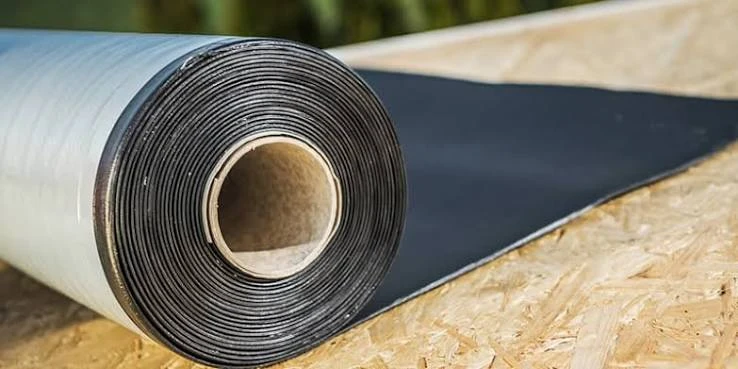
After the roof deck has been prepared, many flat roofing systems begin with a base sheet. A base sheet serves as the foundation for the roofing membrane and provides an additional layer of protection between the roof deck and the finished roofing material. Depending on the roofing system, the base sheet may be mechanically fastened, adhered, or installed using another manufacturer-approved method.
Insulation is another important component of most flat roof replacements. Polyisocyanurate (polyiso) insulation boards are commonly installed to improve energy efficiency while creating a smooth, stable surface for the roofing membrane. Multiple layers of insulation may be installed to achieve the required thermal performance and proper roof slope for drainage.
Once the insulation and base sheet are installed, the waterproof roofing membrane is applied. Several types of flat roofing systems are commonly used:
- EPDM is a durable synthetic rubber membrane known for its flexibility and long service life.
- TPO is a reflective single-ply membrane that can improve energy efficiency by reducing heat absorption.
- PVC roofing offers excellent resistance to chemicals, grease, and standing water, making it a popular choice for restaurants and industrial buildings.
- Modified Bitumen combines asphalt with reinforcing materials to create a durable multi-layer roofing system.
Flashing is installed around rooftop equipment, HVAC units, drains, skylights, parapet walls, vents, and roof penetrations. These details are among the most critical parts of a flat roofing system because they help prevent water from entering vulnerable areas.
Proper drainage is equally important. Unlike steep-slope roofs, flat roofs are designed with a slight slope that directs water toward drains, scuppers, or gutters. Preventing standing water helps extend the lifespan of the roofing membrane and reduces the risk of leaks.
During the final stages of installation, contractors inspect seams, flashing details, drainage systems, and rooftop penetrations to ensure the roof has been installed according to manufacturer specifications. A complete quality inspection helps verify that every layer is working together as one integrated roofing system.
Although most people only see the finished membrane, a successful flat roof replacement depends on every component beneath it—from the roof deck and base sheet to the insulation, flashing, and waterproof membrane. When installed correctly, these layers create a durable roofing system that can provide decades of reliable protection for commercial and residential buildings alike.