
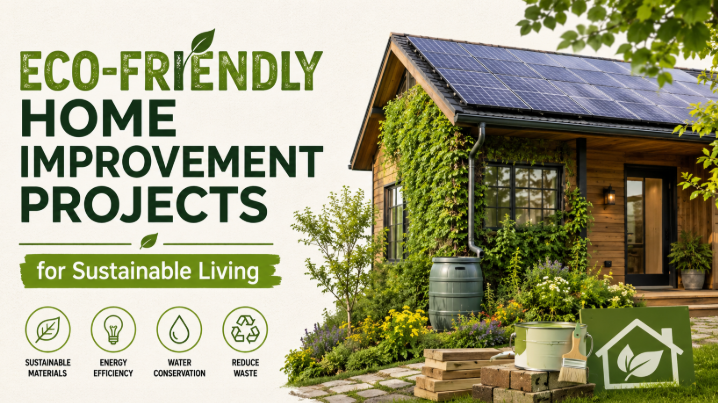


Introduction to Eco-Friendly Home Improvements
In recent years, the concept of eco-friendly home improvements has gained significant attention as individuals and families consider the environmental impact of their living spaces. Eco-friendly home improvements involve making intentional choices that contribute to sustainable living by reducing energy consumption, minimizing waste, and utilizing resources more efficiently. This approach not only enhances the overall functionality of a home but also plays a crucial role in combating climate change and preserving our natural environment for future generations.
The impact of household energy consumption cannot be overstated. According to recent studies, residential buildings account for a substantial portion of global energy use, leading to increased greenhouse gas emissions. Home improvement projects that prioritize sustainability—such as installing energy-efficient appliances, improving insulation, and utilizing renewable energy sources—can significantly reduce a household’s carbon footprint. Additionally, these upgrades often lead to lower utility bills, making them financially appealing for homeowners.
Moreover, the various forms of waste generated by households—ranging from food scraps to excess materials—further exacerbate environmental issues. By adopting eco-friendly practices, such as recycling, composting, and sourcing sustainable materials for home renovations, individuals can actively participate in waste reduction efforts. These informed choices not only benefit the environment but also promote a sense of responsibility and awareness regarding one’s lifestyle choices and their effects on the planet.
It is essential for homeowners to recognize how their daily actions contribute to the broader environmental challenges we face today. By embracing eco-friendly home improvement projects, they can foster a more sustainable future while enjoying the immediate benefits of reduced energy costs and a healthier living environment. The journey towards sustainable living begins at home, and every small step can lead to significant changes over time.
Assessing Your Home’s Environmental Impact
Understanding the environmental impact of your home is crucial for initiating eco-friendly home improvements. Begin by evaluating your home’s energy efficiency, as this is one of the major contributors to your carbon footprint. Check your insulation levels, windows, and doors for air leaks that can lead to energy loss. Home energy auditors can provide a comprehensive analysis of your energy usage and identify specific areas where improvements can be made, thus enhancing overall energy efficiency.
Next, assess your water usage. Simple measures, such as checking for leaks in faucets or toilets, can significantly reduce water waste. Consider installing low-flow showerheads and energy-efficient appliances, which not only conserve water but also lower your utility bills. Utilize tools like the EPA’s WaterSense Calculator to gain insights into your water consumption and areas where efficiency can be improved.
Waste management is another critical aspect to consider when assessing your home’s environmental impact. Evaluate your current waste management practices by keeping track of recycling and composting efforts. Educate yourself about local recycling regulations and resources to ensure you are correctly sorting materials. Tools such as waste tracking apps can help homeowners analyze their waste patterns and identify opportunities to reduce single-use items.
To fully understand your carbon footprint, consider using online calculators provided by various environmental organizations. These tools offer a detailed snapshot of your home’s impact based on factors like energy consumption, water usage, and waste production. Once you have completed these assessments, you will be in a better position to make informed decisions on eco-friendly home improvement projects aimed at promoting sustainable living.
Energy-Efficient Upgrades
In the pursuit of sustainable living, energy-efficient upgrades in your home can significantly contribute to reducing your ecological footprint. One of the most impactful changes involves the installation of energy-efficient windows. Unlike traditional windows, energy-efficient variants are designed to minimize heat loss, thereby maintaining a stable indoor temperature. By reducing heating and cooling costs, these windows can offer a return on investment (ROI) that often exceeds 70% over time, not to mention the potential for local or federal rebates that may further offset initial costs.
Another essential upgrade is enhancing your home insulation. Insulation can play a crucial role in energy efficiency by minimizing the need for heating and cooling systems to work excessively. Upgrading to materials with a higher R-value, such as spray foam or cellulose, helps ensure better thermal performance. Homeowners can expect significant savings on energy bills, fulfilling both financial and environmental goals.
Modern HVAC systems can also contribute to lower energy consumption significantly. High-efficiency models utilize advanced technology to regulate indoor temperature while consuming less energy. When considering an HVAC upgrade, it is useful to examine ENERGY STAR® rated systems, as these exceed energy efficiency thresholds significantly. Moreover, scheduling routine maintenance on these systems enhances their efficiency and lifespan.
Investing in energy-efficient appliances is another way to improve energy efficiency in your home. When shopping for new appliances, look for the ENERGY STAR label, which signifies that the product meets strict efficiency guidelines. Additionally, smart home technologies, such as programmable thermostats and smart lighting solutions, can automatically optimize energy consumption based on your lifestyle, further reducing energy waste. By integrating these upgrades into your home, you are not only enhancing comfort but also playing a part in a more sustainable future.
Water Conservation Projects
Water conservation is a crucial aspect of creating a sustainable home, and several effective projects can significantly reduce water waste. One of the simplest yet most impactful changes homeowners can implement is the installation of low-flow fixtures. Low-flow faucets, showerheads, and toilets are designed to use significantly less water while maintaining performance. By replacing standard fixtures with water-efficient options, households can save a substantial amount on their water bills and help conserve this precious resource.
Another excellent strategy for water conservation is the use of rain barrels. These barrels collect rainwater from rooftops, which can then be used for irrigation, gardening, or other non-potable uses. This not only reduces the demand on municipal water supplies but also minimizes runoff and erosion. Homeowners can easily set up a rain barrel system by attaching it to a gutter downspout, allowing them to harness natural rainfall to support their landscaping needs.
Xeriscaping is another effective water conservation project focusing on landscape design that reduces or eliminates the need for supplemental water. This approach emphasizes the selection of drought-resistant plants and the use of mulch to retain moisture in the soil. By utilizing native plants and efficient irrigation techniques, xeriscaping can create a beautiful garden that thrives with minimal water. Implementing hand watering methods, drip irrigation, or soaker hoses also promotes efficient water usage.
Incorporating these water conservation projects into a home not only contributes to sustainability but also fosters a responsible and eco-friendly lifestyle. It is essential to evaluate individual water use patterns and consider the specific needs of the home before choosing which projects to undertake, ensuring both practicality and effectiveness.
Sustainable Materials in Home Renovations
Incorporating sustainable materials into home renovations is a crucial step toward achieving a more eco-friendly living environment. These materials not only reduce the negative impact on the planet but also improve indoor air quality, making homes healthier for their occupants. Among the widely recognized sustainable building materials are bamboo, reclaimed wood, and recycled metal.
Bamboo, for instance, is a highly renewable resource that grows rapidly and requires less energy to process compared to traditional hardwoods. Its durability and strength make it an excellent choice for flooring, cabinetry, and decorative elements. Additionally, bamboo products often come from sustainable plantations, minimizing the environmental footprint associated with deforestation.
Reclaimed wood is another exceptional option for eco-conscious homeowners. This material is salvaged from old barns, factories, or other structures, thus giving a second life to wood that would otherwise contribute to landfill waste. Using reclaimed wood can imbue a unique character to renovations, showcasing history and craftsmanship while significantly reducing the demand for new lumber and the environmental costs of logging.
Recycled metal serves as a versatile and sustainable choice for various applications, including roofing and structural elements. The process of recycling metal requires significantly less energy compared to extracting and processing new metals, which leads to lower greenhouse gas emissions. By utilizing recycled metals, homeowners can contribute to circular economy practices and reduce their overall carbon footprint.
In the realm of sustainable living, these eco-friendly building materials are essential for fostering a more environmentally conscious attitude. By choosing bamboo, reclaimed wood, and recycled metal for home renovations, individuals can diminish their environmental impact, promote indoor air quality, and set an example for sustainable practices in their communities.
Creating a Green Garden
Establishing a green garden represents a pivotal step toward environmental sustainability and biodiversity enhancement. By embracing organic gardening practices, individuals can create a productive and healthy habitat while minimizing their ecological footprint. Organic gardening prioritizes natural processes over synthetic inputs, utilizing compost, natural fertilizers, and beneficial insects to promote plant health and resilience. This method not only nurtures the soil but also supports a diverse web of life, essential for a thriving ecosystem.
Selecting native plants further optimizes a green garden’s impact. Native plants are adapted to the local climate, soil, and pests, making them more resilient and easier to maintain without chemicals. They provide essential habitat and food for local wildlife, including pollinators like bees and butterflies. By incorporating a variety of native species, gardeners can foster local biodiversity and establish a sustainable environment that requires less water and care, as these plants thrive in their natural conditions.
Implementing permaculture principles can further enhance the sustainability of a green garden. Permaculture emphasizes working with nature rather than against it, creating self-sustaining ecosystems that yield food, habitat, and resources. This approach typically involves observing how ecosystems function naturally and applying those insights to streamline planting, watering, and maintenance routines. Techniques such as companion planting, crop rotation, and using mulch can enhance soil fertility and water retention while preventing pest infestations naturally.
Creating a green garden not only contributes to environmental sustainability but also provides personal benefits such as enhanced mental well-being and physical activity. By fostering a space that emphasizes biodiversity, organic practices, and permaculture techniques, homeowners play an essential role in cultivating a healthy planet for future generations.
Waste Reduction and Recycling at Home
Implementing effective waste reduction and recycling strategies at home is crucial for promoting sustainability. Reducing waste not only minimizes the burden on landfills but also conserves natural resources and decreases pollution. To start, homeowners should assess their existing consumption patterns and identify areas for improvement by reducing reliance on single-use products.
One effective approach to waste reduction is to establish a plan that incorporates the principles of the three R’s: Reduce, Reuse, and Recycle. Reducing waste begins with mindful shopping habits—opting for products with less packaging and prioritizing bulk purchases can significantly cut down on the volume of waste generated. Additionally, families can incorporate reusable items, such as cloth bags, stainless steel water bottles, and glass containers, into their daily routines, further decreasing their dependency on disposable products.
Another key aspect of sustainable living is efficient recycling. It is important for households to stay informed about their local recycling guidelines, as these can vary significantly by location. Implementing a well-organized recycling system at home, where residents sort materials such as paper, plastic, glass, and metal, helps ensure that recyclable items are diverted from landfills. Homeowners should also educate themselves about composting, which is an effective way to manage organic waste. Composting food scraps and yard waste not only reduces the volume of garbage but also produces nutrient-rich compost that can enhance garden soil.
To ensure these practices are effective, creating a waste reduction plan tailored to one’s household is advisable. This plan can include achievable goals, such as reducing waste by a certain percentage or allocating specific days for recycling and composting efforts. Having open discussions within the family about these initiatives can foster a sense of accountability and encourage everyone to participate actively in waste reduction and recycling efforts.
Incorporating Renewable Energy Solutions
In recent years, renewable energy solutions have gained prominence as an essential component of sustainable living. Homeowners seeking to make eco-friendly improvements often consider options such as solar panels, wind turbines, and geothermal heating systems. Each of these solutions offers unique benefits that can significantly contribute to a more sustainable household.
Solar energy is perhaps the most accessible form of renewable energy. By installing solar panels on rooftops, homeowners can harness sunlight and convert it into electricity. This process not only reduces reliance on traditional energy sources but also leads to lower utility bills. Many regions offer financial incentives for solar panel installation, providing a substantial return on investment over time. Additionally, surplus energy can often be fed back into the grid, potentially providing homeowners with further income.
Wind energy is another viable option, particularly in areas with consistent wind patterns. Small wind turbines can be installed on residential properties to generate electricity. While the initial costs may be higher than solar panels, the long-term benefits can be significant, including further reductions in energy expenditures and a decreased carbon footprint.
Geothermal heating represents a less common, yet effective approach to renewable energy. This system utilizes the earth’s stable underground temperatures to heat and cool homes. By harnessing this natural resource, homeowners can not only achieve consistent and efficient temperature control but also drastically reduce their reliance on fossil fuels, thus lowering greenhouse gas emissions.
While incorporating renewable energy solutions can require an upfront investment, the long-term payoff, both financially and environmentally, is compelling. However, it is crucial to consider the local regulations, potential zoning laws, and available incentives related to installation and maintenance. It is advisable to consult with professionals to ensure proper implementation and optimal efficiency, maximizing the benefits of renewable energy in fostering a sustainable living environment.
Conclusion and Call to Action
As we journey through the various eco-friendly home improvement projects outlined in this blog post, it is essential to recognize the cumulative impact that sustainable living can have on our planet. From simple practices like introducing energy-efficient appliances to more complex installations such as solar panel systems, each project offers a step towards a more sustainable future. By adopting these measures, homeowners can significantly reduce their carbon footprint and contribute to a healthier environment.
Implementing eco-friendly home improvements does not require an extensive overhauling of your living space. As emphasized, even small changes, such as upgrading to LED lighting, insulating your attic, or utilizing rainwater harvesting systems, can create notable benefits. The key takeaway here is that every effort counts, and collectively, these actions form the foundation of effective environmental stewardship.
For those who are eager to embark on their own sustainable home improvement journey, various resources are readily available. Many local sustainability organizations offer workshops and guidance on eco-friendly projects that link both education and practical application. Connecting with these groups can not only provide valuable insights but also foster a sense of community with like-minded individuals dedicated to making a positive impact.
In closing, we encourage you to take the knowledge gained from this post and start integrating eco-friendly projects into your home. By doing so, you contribute to a larger movement aimed at promoting sustainability and protecting our environment for future generations. Let us prioritize the earth and choose to live sustainably; your actions today are the keys to a better tomorrow.