
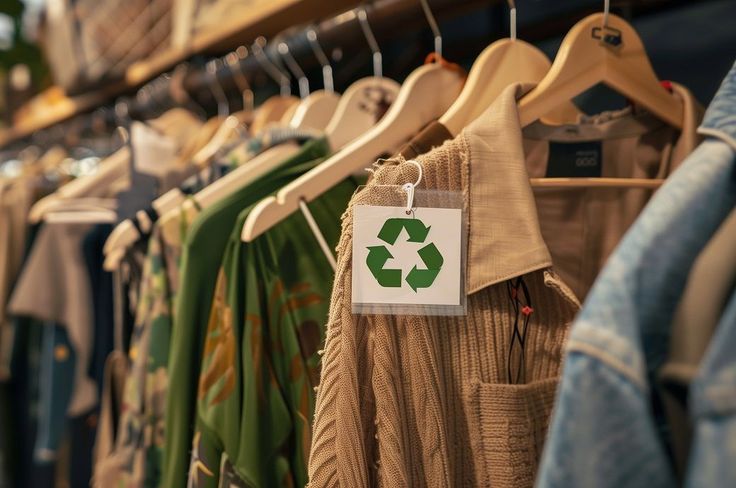


Introduction to Sustainable Fashion
Sustainable fashion is an increasingly important concept in the modern clothing industry, emphasizing eco-friendliness and ethical production practices. It represents a paradigm shift from traditional fashion, particularly the fast fashion model, which has been criticized for its significant negative impacts on the environment and society. Sustainable fashion seeks to address these issues by promoting practices that are environmentally responsible and socially conscious. This approach encompasses a range of initiatives, including the use of organic materials, reduction of waste, and fair labor practices.
As awareness about environmental sustainability grows, consumers are becoming more discerning in their purchasing decisions. The negative externalities associated with fast fashion—such as pollution, exploitation of workers, and overconsumption—have led many individuals to seek alternatives that align with their values. Fast fashion often prioritizes rapid production and low costs over quality and ethical considerations, resulting in a cycle of waste that is unsustainable for our planet.
The shift towards sustainable fashion marks a significant change in consumer behavior, prompting both new and established brands to re-evaluate their practices. By focusing on eco-friendly alternatives, such as clothing made from recycled materials or produced via ethical labor standards, the sustainable fashion movement offers viable solutions to the industry’s current challenges. As eco-conscious consumers seek clothing that reflects their commitment to environmental stewardship, designers and manufacturers are increasingly held accountable for their choices.
Thus, sustainable fashion is not merely a trend; it represents a comprehensive approach to rethinking how we produce, consume, and relate to clothing. The desire for sustainable clothing not only benefits the planet but also promotes fair practices that can uplift communities. In this context, understanding sustainable fashion is crucial for both consumers and industry stakeholders, to foster a more responsible future for fashion.
Key Principles of Sustainable Fashion
Sustainable fashion encompasses a spectrum of practices that emphasize environmental preservation and ethical considerations within the clothing industry. Central to this movement is the concept of ethical sourcing, which prioritizes obtaining raw materials and components in ways that do not harm the environment or exploit workers. This principle encourages brands to select suppliers who engage in responsible farming, manufacturing, and production practices, thereby fostering a more equitable industry.
Another significant aspect of sustainable fashion is the commitment to reducing waste. This can be achieved through various approaches, such as utilizing waste materials for new products or employing production techniques that minimize excess. Innovative brands are now creating closed-loop systems, commonly referred to as circular fashion, where garments are designed for multiple life cycles. This promotes recycling and repurposing, which significantly lessens the burden on landfills, and conserves valuable resources.
The choice of eco-friendly materials is also paramount in sustainable fashion. Brands are increasingly incorporating organic cotton, recycled polyester, and biodegradable fibers into their collections. These materials not only reduce dependence on conventional resource-intensive materials but also diminish the environmental footprint associated with traditional textile production. Furthermore, the emphasis on quality over quantity is essential in this paradigm, as sustainable brands advocate for long-lasting, timeless pieces that resist the fleeting trends of fast fashion.
Fair labor practices serve as a cornerstone of sustainable fashion, which seeks to ensure that all workers receive fair wages and work in safe, humane conditions. By promoting transparency and accountability in labor practices, consumers can make informed choices that align with their values. Ultimately, these principles collectively foster a sustainable fashion ecosystem that prioritizes the well-being of the planet and its inhabitants.
The Rise of Slow Fashion Movement
The slow fashion movement has emerged as a counter-response to the pervasive fast fashion industry, which is characterized by its rapid production cycles and low-cost, disposable clothing. Unlike fast fashion, which prioritizes speed and profit over sustainability and ethical practices, slow fashion emphasizes quality, craftsmanship, and sustainability. It encourages consumers to reflect on their purchasing habits and make more informed, thoughtful choices.
At the heart of the slow fashion philosophy is the commitment to produce clothing that is made to last. This includes sourcing materials responsibly, using eco-friendly dyes, and employing artisanal techniques that support local craftsmen and reduce environmental impact. By focusing on durability, slow fashion not only offers consumers high-quality garments but also fosters a deeper connection between the individual and their clothing, as each piece tells a story and carries more value than its fast fashion counterpart.
The benefits of adopting a slow fashion lifestyle are multifaceted. For one, it significantly reduces waste and alleviates the burden on landfills, where fast fashion items often contribute to a growing crisis of textile disposal. Furthermore, it promotes ethical labor practices by ensuring fair wages for workers in the fashion industry. As eco-conscious consumers, individuals who embrace slow fashion can support sustainable brands that align with these values, ensuring that their purchasing decisions contribute to a healthier planet and a more equitable society.
Ultimately, the slow fashion movement invites consumers to rethink their relationship with clothing. By prioritizing long-lasting, ethically produced garments, individuals are empowered to cultivate a wardrobe that reflects their values and commitment to sustainability. This shift not only enhances personal style but also contributes to a larger movement aimed at reshaping the fashion landscape for future generations.
Eco-Friendly Fabrics and Materials
As the fashion industry increasingly embraces sustainability, eco-friendly fabrics and materials are at the forefront of this transformation. These innovative materials are designed to reduce environmental impact while maintaining quality, style, and durability. Among the most notable eco-friendly fabrics is organic cotton, which is cultivated without harmful pesticides and fertilizers. This method not only protects the soil but also conserves water and promotes biodiversity, making it a popular choice for conscious consumers.
Another significant eco-friendly alternative is hemp. Known for its strength and versatility, hemp requires considerably less water and pesticides than conventional cotton. Additionally, it naturally resists pests, making it a sustainable option for various clothing items, from casual wear to high fashion. Hemp’s fast growth cycle and ability to regenerate soil nutrients further enhance its appeal as a fabric of choice for eco-conscious brands.
Tencel, a brand name for lyocell, is derived from sustainably sourced wood pulp, primarily from eucalyptus trees. Its production process uses a closed-loop system that recycles water and solvents, significantly minimizing waste. Tencel is not only biodegradable and compostable but also has a luxurious feel, making it an attractive choice for both consumers and brands prioritizing sustainability. Additionally, recycled polyester, produced from post-consumer plastic bottles and textile waste, has gained traction due to its reduced carbon footprint compared to virgin polyester. It allows consumers to contribute to circular fashion initiatives while enjoying the benefits of a familiar fabric.
Emerging materials like mushroom leather and seaweed fibers also showcase the innovation within the sustainable fabric sector. These innovative options highlight the industry’s commitment to reducing environmental impact and addressing ethical concerns. As the demand for eco-friendly fashion continues to grow, the exploration of these materials promises to shape the future of fashion, aligning with the values of eco-conscious consumers.
Influence of Technology in Sustainable Fashion
The intersection of technology and sustainable fashion represents a dynamic shift in how clothing is designed, produced, and consumed. Innovations in technology are driving the sustainable fashion movement, helping brands and consumers alike reduce their environmental impact. One of the most revolutionary advancements includes 3D printing, which enables designers to create garments and accessories with precision. This method significantly minimizes fabric waste since items are produced layer-by-layer according to specific designs without the need for excess material.
Moreover, 3D printing facilitates on-demand production, allowing designers to create only what is needed, thus addressing overproduction issues prevalent in traditional fashion manufacturing. This shift towards customization not only enhances consumer satisfaction but also contributes to a more eco-friendly production process.
Another noteworthy advancement is the rise of digital fashion. Digital fashion refers to clothing created and worn in virtual environments. This concept allows consumers to express their style without physical waste. Brands are increasingly offering virtual clothing options for social media, gaming, and digital experiences, thereby significantly reducing the ecological footprint associated with traditional fabric production.
Sustainable textile innovations are pivotal in changing the landscape of fashion. Novel materials derived from recycled inputs or bio-based sources are transforming traditional manufacturing. Fabrics made from recycled plastic bottles or organic cotton not only preserve natural resources but also promote the circular economy by minimizing waste. These innovations ensure that the materials used in clothing are more sustainable and aligned with eco-conscious values.
In summary, the influence of technology in sustainable fashion is multifaceted. Through advancements like 3D printing, digital fashion, and innovative textiles, the fashion industry is taking significant strides towards reducing waste and fostering eco-friendly production methods. This transformation reflects a growing commitment to sustainability among both brands and consumers in their pursuit of environmentally responsible fashion choices.
Conscious Consumerism and Its Impact
In recent years, conscious consumerism has emerged as a powerful movement influencing various industries, particularly fashion. This phenomenon reflects a growing awareness among consumers regarding the environmental and social implications of their purchasing decisions. Eco-conscious individuals are increasingly seeking to not only enhance their wardrobes but to do so in a manner that aligns with their ethical values, thereby actively promoting sustainability.
The role of consumers in the fashion industry cannot be overstated. By choosing to support sustainable brands that prioritize ethical production practices, environmentally friendly materials, and fair labor conditions, consumers can drive significant change within the sector. Every purchase serves as a vote for the type of products and brands that should thrive. This shift in consumer behavior compels traditional retailers to reconsider their practices and make necessary adjustments to remain relevant in a market increasingly dominated by conscious choices.
Informed choices are essential in this movement. Conscious consumers often engage in research about brands to understand their sustainability initiatives, sourcing materials, and overall impact on the planet. With information readily available at their fingertips, shoppers are empowered to make decisions that reflect their values. Moreover, transparency in supply chains has become a critical factor for these consumers, as they demand accountability from the brands they support.
Supporting sustainable fashion brands not only contributes positively to the environment but also promotes ethical labor practices. When consumers prioritize these brands, they foster a culture of responsibility within the fashion industry, leading to systemic change. As more consumers adopt this mindset, the collective impact can transform the fashion landscape, paving the way for a more sustainable and equitable industry.
Fashion Activism and Community Engagement
In recent years, fashion has emerged not only as a medium for self-expression but also as a powerful platform for activism and community engagement. Eco-conscious brands and individuals are increasingly harnessing this influence to promote sustainable practices and raise awareness about pressing ecological issues. The intersection of fashion and activism demonstrates the ability to inspire change while fostering community connections.
One notable example of fashion activism is the work of brands that prioritize transparency and ethical sourcing. These companies often engage their audiences through campaigns that advocate for environmentally friendly practices. For instance, organizations like Patagonia have taken a stand against overconsumption by encouraging customers to repair rather than discard their clothing. Their “Don’t Buy This Jacket” campaign exemplifies how brands can challenge consumer habits while promoting sustainability.
Moreover, many fashion designers and influencers utilize their platforms to highlight critical causes related to sustainability. They often collaborate with non-profits or advocacy groups to create collections that donate a portion of their profits to environmental initiatives. By leveraging their reach, these individuals not only raise funds but also inspire collective action within their communities, effectively raising awareness about ecological issues.
Community engagement further amplifies the impact of fashion activism. Local initiatives, such as clothing swaps and workshops focused on sustainable fashion, allow individuals to engage directly with their communities. These events foster dialogue around sustainable practices while making eco-conscious choices accessible and enjoyable. Brands like Everlane have also activated their consumer base by producing educational content that guides customers on making informed and ethical fashion choices.
Through various initiatives, the fashion industry has proven to be an influential agent of change. By aligning community engagement with sustainability efforts, it cultivates a collective consciousness that not only promotes eco-friendly practices but also empowers consumers to amplify their voices regarding ecological issues.
Sustainable Fashion Trends for 2024 and Beyond
The world of sustainable fashion is continuously evolving, and as eco-conscious consumers become more prevalent, several key trends are expected to emerge in 2024 and beyond. One of the most significant trends is the increased use of innovative materials that prioritize sustainability without compromising quality or aesthetic appeal. Fabrics derived from organic cotton, Tencel, and recycled materials are predicted to gain traction, as brands focus on reducing their environmental footprint and utilizing resources more efficiently.
Additionally, technology will play a crucial role in shaping sustainable fashion. The advent of smart textiles, which incorporate functionalities such as moisture-wicking or even self-cleaning features, will allow brands to create versatile apparel that requires less frequent washing. This shift not only contributes to resource conservation but also enables consumers to make more informed choices about their clothing purchases.
Another notable trend expected to gain momentum is the rise of circular fashion practices. This encompasses various strategies, including clothing rental services, upcycling, and resale platforms. By extending the lifecycle of garments, eco-conscious consumers can actively participate in reducing textile waste while gaining access to unique and high-quality pieces. Brands embracing further transparency will enable consumers to engage with the production process, offering insights into sourcing and labor practices.
Moreover, minimalism will continue to influence sustainable fashion. The ‘less is more’ approach encourages consumers to invest in timeless, quality pieces that emphasize versatility over quantity. As more individuals adopt a capsule wardrobe mentality, the focus will shift toward selecting clothing that is not only stylish but also ethically produced. This paradigm shift is an essential step toward a more sustainable future, ensuring that fashion aligns with eco-conscious values.
Conclusion: Embracing a Sustainable Fashion Lifestyle
In the current landscape, the necessity of adopting a sustainable fashion lifestyle cannot be overstated. As consumers, our purchasing habits significantly impact the environment and the fashion industry. This calls for a conscious shift towards eco-friendly practices, ensuring that the choices we make not only reflect our personal style but also align with ecological preservation. By questioning the origins of our clothing, opting for sustainable brands, and supporting ethical practices, we play an integral part in nurturing the planet.
Embracing sustainability in fashion extends beyond selecting organic fabrics or supporting ethical manufacturers; it encompasses a broader commitment to reducing waste, advocating for fair labor practices, and promoting a circular economy. Each piece of clothing we choose to invest in should echo our values as eco-conscious consumers. By prioritizing quality over quantity, we can minimize our carbon footprint and encourage the industry to shift towards more sustainable production methods.
The ripple effect of these individual choices can lead to significant change within the fashion sector. By endorsing sustainable brands and sharing our experiences, we can inspire others to reevaluate their consumption patterns. Transitioning towards a sustainable fashion lifestyle is not just a personal endeavor; it is a collective movement that champions environmental sustainability and social responsibility.
Ultimately, the action taken today in adopting sustainable practices in fashion can foster a cleaner, greener future for generations to come. By being mindful of our purchasing habits and encouraging others to join the sustainable fashion revolution, we can contribute positively to a more responsible and ethical fashion industry.