
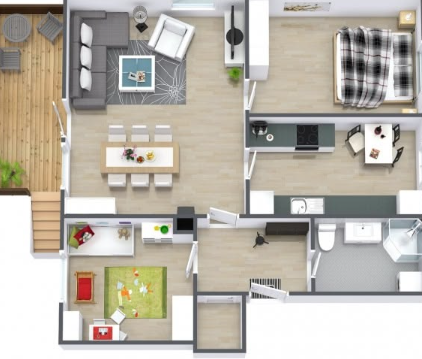


More families with children are choosing to live in multifamily communities long-term than ever before. Driven by shifting housing market dynamics, lifestyle preferences for low-maintenance living, and shared community perks, multi-generational apartment and condominium living is no longer just a temporary stepping stone—it is a destination.
For property developers, investors, and community managers, catering to family renters requires moving far beyond basic unit counts and standard pool areas. Families evaluate prospective homes through a unique lens focused on safety, functional design, daily convenience, and social connection. Understanding these priorities helps operators boost lease-up velocity and maximize long-term retention.
Safety, Security, and Peace of Mind
Quick Answer: Families prioritize gated access, controlled entry systems, well-lit common areas, secure package delivery, and child-safe physical infrastructure above cosmetic upgrades.
Safety is the non-negotiable foundation of family-friendly housing. Parents need to know that their children can navigate the property without unnecessary hazards. When touring a property, parents quickly notice whether security is an afterthought or an integrated operational priority.
Top security and safety features that influence leasing decisions include:
- Controlled Access: Gated vehicle entrances, keycard-access building doors, and smart lock integration for individual units.
- Traffic Calming Measures: Low speed limits, prominent speed bumps, wide sidewalks, and designated pedestrian crosswalks that protect children playing near parking zones.
- Child-Proof Common Elements: Fenced pool perimeters with self-latching gates, covered electrical outlets in shared lounges, and non-toxic landscaping.
- Visibility: Ample LED lighting along walkways, breezeways, playgrounds, and parking structures.
Dedicated Outdoor Play and Recreational Spaces
Quick Answer: High-quality, on-site outdoor play areas give children a safe outlet for exercise while providing parents a natural setting to build relationships with neighbors.
Green space and physical activity hubs consistently rank at the top of wishlists for families transitioning away from single-family yards. A patch of turf is rarely enough to hold a family’s interest; parents want structured, engaging outdoor environments where kids can burn energy safely.
Incorporating high-grade family-friendly multifamily amenities—such as commercial playgrounds, splash pads, open sports lawns, and shaded seating areas—transforms a standard apartment complex into an active neighborhood.
When developing or renovating multi-family properties across the West, partnering with an experienced playground builder in Idaho ensures outdoor spaces meet strict safety certifications while providing high play value for children of all ages.
Thoughtful outdoor play space design incorporates age-appropriate play zones, sensory elements, inclusive ramps, and comfortable shaded seating for watching caregivers, making the playground a central social anchor for the property.
Functional Floor Plans and Ample Storage Solutions
Quick Answer: Families favor open-concept living layouts, split-bedroom configurations, in-unit laundry facilities, and generous storage spaces over sheer square footage.
Square footage matters, but layout efficiency matters more. A poorly configured 1,200-square-foot three-bedroom unit will lose to a well-designed 1,000-square-foot layout every time.
Families need floor plans that support both collective time and individual privacy:
- Split-Bedroom Layouts: Placing the primary suite on the opposite side of the unit from secondary bedrooms gives parents privacy while keeping kids within earshot.
- In-Unit Laundry: Full-sized washers and dryers are absolute necessities for parents managing constant loads of children’s clothing and bedding.
- Storage Abundance: Deep walk-in closets, oversized pantry spaces, linen closets, and dedicated bike or stroller storage units prevent living spaces from feeling cluttered.
- Durable Finishes: Luxury vinyl plank (LVP) flooring, quartz countertops, and stain-resistant paint stand up to heavy foot traffic, spilled juice, and toy cars far better than soft carpet or high-maintenance hardwoods.
Soundproofing and Acoustic Comfort Engineering
Quick Answer: Subfloor insulation, double-pane windows, and acoustic wall assemblies prevent neighbor noise disputes and protect sleep schedules for young children.
Noise is one of the primary reasons family tenants break leases or refuse to renew. Parents worry about two scenarios: external noise waking up a sleeping toddler, and their own children’s footsteps disturbing neighbors below.
Investing in superior acoustic engineering during construction or renovation pays massive dividends in resident retention for families:
- Floor Substrates: Poured gyp-crete subfloors or thick acoustic underlayments significantly dampen impact noise from upper-floor steps.
- Staggered-Stud Walls: Double-layer drywall assemblies with insulation between units reduce voice and television sound transmission.
- Quiet Hours Enforcement: Clear, fairly enforced community noise policies protect early bedtimes and quiet afternoon nap windows.
Proximity to Quality Schools, Childcare, and Transit
Quick Answer: Strategic locations near reputable school districts, daycare centers, public parks, and grocery stores drastically reduce daily commuting stress for busy parents.
A multifamily community does not exist in a vacuum; its surrounding neighborhood ecosystem is just as critical as its internal amenities. Parents carefully evaluate how living in a specific complex impacts their daily logistics.
Properties situated within top-rated school districts command premium rents and enjoy lower vacancy rates. Furthermore, families value designated school bus pickup zones inside or directly at the entrance of the property, keeping children safe from busy morning traffic while waiting for transportation.
A Welcoming Community Culture and Shared Social Amenities
Quick Answer: Organized community events, kid-friendly clubhouses, stroller-friendly pathways, and pet parks create an inclusive atmosphere where families feel a sense of belonging.
Families want to live where their children feel welcomed, not tolerated. A community culture that actively accommodates children fosters long-term resident loyalty.
- Inclusive Amenities: Community rooms equipped with family-friendly seating, board games, and movie screens, alongside swimming pools that feature zero-depth entry areas.
- Resident Events: Hosting seasonal gatherings—such as summer ice cream socials, holiday craft workshops, or outdoor movie nights—encourages neighbors to connect.
- Pet-Friendly Facilities: Many families include four-legged members. Integrated dog parks, pet washing stations, and clear pet waste policies make property management smoother for everyone.
Common Pitfalls Property Managers Make with Family Renters
- Treating Families as Noise Liability Risks: Viewing children purely as noise risks alienates valuable, long-term tenants. Address specific noise issues constructively rather than issuing blanket warnings.
- Neglecting Maintenance on Play Structures: Allowing outdoor playground equipment, gates, or pool heaters to remain broken signals to families that their amenities are not a priority.
- Ignoring Stroller and Toy Storage: Failing to provide designated outdoor storage or wide breezeways forces families to park strollers in shared hallways, creating fire code violations and clutter.
Creating a family-friendly multifamily community is an investment in long-term operational stability. Families tend to stay in their homes longer than single renters once their children are settled in local schools and social circles. By prioritizing physical safety, functional floor plans, high-yield outdoor play amenities, robust soundproofing, and a supportive community culture, property operators build vibrant neighborhoods where families thrive and turnover rates drop.