
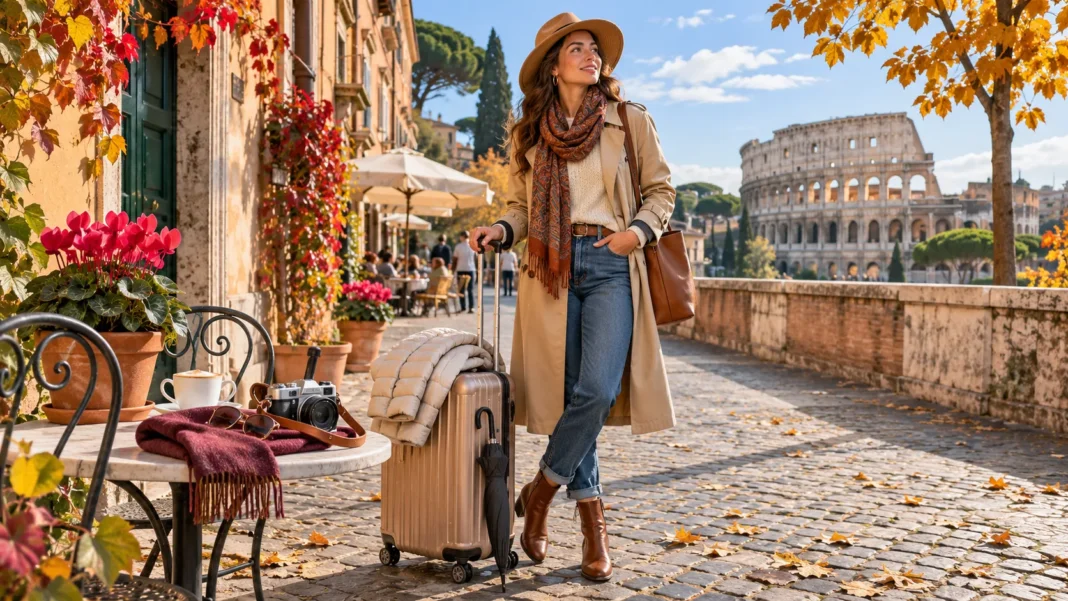


Imagine arriving in Italy in October with a suitcase full of summer clothes, only to discover that the mornings are chilly and rain interrupts your sightseeing plans. You expected warm Mediterranean sunshine, but suddenly you need a jacket and waterproof shoes. Packing for unfamiliar weather can make an exciting vacation unnecessarily stressful.
The weather in Italy in October varies considerably depending on your destination. While Sicily often enjoys warm afternoons, Milan experiences cooler conditions, and mountainous regions may experience early snowfall. Understanding these regional differences can help you prepare for a more comfortable vacation.
Fortunately, October is an excellent month to explore Italy’s historic cities, beautiful countryside, seasonal food, and coastal destinations. This guide covers regional temperatures, rainfall, packing essentials, travel costs, and practical sightseeing tips. With the right preparation, you can enjoy Italy’s autumn charm without worrying about unexpected weather changes.
What Is the Weather Like in Italy in October?
October marks the middle of autumn in Italy, bringing cooler temperatures and more frequent rainfall than summer. However, many regions still experience pleasant afternoons suitable for sightseeing. Southern Italy generally remains warmer than northern destinations.
Average daytime temperatures in popular Italian cities range from approximately 64°F to 75°F (18°C to 24°C). Morning and evening temperatures can be considerably cooler, particularly in northern and inland regions. Mountainous areas experience lower temperatures because of their elevation.
October also brings shorter daylight hours and changing weather patterns. Some days remain sunny and comfortable, while others become cloudy, windy, or rainy. Packing adaptable clothing is the most practical way to prepare for these conditions.
Average Temperature in Italy in October
One of the biggest challenges when planning an Italian vacation is relying on a single national temperature estimate. Italy stretches from the Alps in the north to Mediterranean islands in the south. Consequently, weather conditions differ significantly between destinations.
Northern cities such as Milan and Venice generally experience cooler mornings and evenings. Central destinations like Rome and Florence often enjoy mild afternoons, while Sicily remains relatively warm. These differences become particularly noticeable when traveling between several regions.
The following table provides approximate historical average temperatures for popular Italian destinations during October.
| Destination | Average daytime high | Average nighttime low |
|---|---|---|
| Milan | 66°F (19°C) | 50°F (10°C) |
| Venice | 64°F (18°C) | 50°F (10°C) |
| Florence | 70°F (21°C) | 52°F (11°C) |
| Rome | 72°F (22°C) | 55°F (13°C) |
| Naples | 73°F (23°C) | 57°F (14°C) |
| Palermo | 75°F (24°C) | 64°F (18°C) |
These figures represent rounded historical averages rather than guaranteed daily temperatures. Individual days can be warmer or colder depending on current weather systems. Always check the local forecast shortly before traveling.
Weather in Northern Italy in October
Travelers sometimes underestimate how quickly temperatures can decrease in northern Italy during autumn. Destinations near the Alps and northern plains experience cooler conditions than Mediterranean coastal areas. Rain, fog, and chilly evenings become increasingly common.
Despite these changes, October remains attractive for cultural sightseeing and enjoying seasonal landscapes. Autumn foliage creates beautiful scenery around lakes, gardens, and countryside communities. Historic cities also provide numerous indoor attractions during rainy periods.
Packing warm layers, comfortable footwear, and waterproof outerwear is particularly important when visiting northern Italy. A combination of lightweight clothing and warmer garments allows you to adjust throughout the day. Avoid relying entirely on summer clothes.
Milan Weather in October
Milan experiences mild afternoons and noticeably cooler mornings during October. Average daytime temperatures reach approximately 66°F (19°C), while nighttime temperatures often fall near 50°F (10°C). Rainfall and occasional fog can affect outdoor sightseeing.
The cooler weather makes exploring Milan’s museums, shopping districts, and historical architecture more comfortable than during intense summer heat. Attractions such as Milan Cathedral provide interesting opportunities for cultural sightseeing. Indoor experiences are particularly useful during rainy afternoons.
Pack a lightweight waterproof jacket, comfortable shoes, long trousers, and a sweater. These essentials should cover many ordinary October conditions. Consider additional warm clothing if your visit takes place toward the end of the month.
Venice Weather in October
Venice in October offers cooler temperatures and a distinctive autumn atmosphere. Average daytime highs are approximately 64°F (18°C), while evenings can become noticeably chilly. Humidity and coastal breezes may influence how comfortable the weather feels.
October also falls within a period when Venice can experience seasonal high tides, known locally as acqua alta. These events may temporarily flood certain low-lying public areas. Their occurrence and severity depend on tidal and weather conditions.
Check the city’s official tide forecasts before exploring affected areas. Water-resistant footwear and a lightweight rain jacket can help during ordinary wet weather. Follow local access restrictions and avoid walking through floodwater.
Lake Como Weather in October
Lake Como becomes quieter and more colorful as autumn progresses. Surrounding hills and gardens may display attractive seasonal foliage, while cooler temperatures create a different atmosphere from summer. Rainfall and cloudy days are also possible.
October is particularly appealing to visitors interested in lakeside villages, historical architecture, and peaceful surroundings. Popular communities such as Bellagio and Varenna provide scenic experiences without requiring a summer beach itinerary. Some tourism services may begin reducing their schedules.
Bring warm layers and suitable rain protection when exploring the surrounding area. Check ferry schedules and villa opening hours before planning your day. Seasonal changes can affect transportation and attraction availability.
The Dolomites in October
The Dolomites experience considerably colder conditions than Italy’s lowland cities during October. Temperatures depend heavily on altitude, and snowfall may occur at higher elevations. Frost and sudden weather changes are also possible.
Autumn foliage, particularly the golden colors of larch trees, makes the region visually impressive. However, some mountain facilities, cable cars, and accommodation properties may close between the summer and winter tourism seasons. October is a transitional period rather than a guaranteed extension of summer.
Visitors should choose accessible public viewpoints and confirm local conditions before traveling. Pack insulated clothing appropriate for mountain temperatures. Avoid closed routes and follow official weather and safety guidance.
Weather in Central Italy in October
Central Italy generally offers milder October conditions than the northern regions. Historic cities, rolling countryside, and agricultural landscapes attract visitors seeking comfortable autumn vacations. However, occasional rainfall remains an important consideration.
Daytime temperatures often remain pleasant enough for sightseeing without the intense heat associated with summer. Mornings and evenings can still feel cool, particularly in inland towns. Layered clothing provides a practical solution to these changing conditions.
October is especially attractive for exploring historical landmarks, museums, traditional food, and countryside communities. Seasonal agricultural activities also contribute to the region’s distinctive autumn atmosphere.
Rome Weather in October
Rome is one of Italy’s most attractive destinations for autumn sightseeing. Average daytime temperatures reach approximately 72°F (22°C), while nighttime temperatures fall closer to 55°F (13°C). These conditions are generally milder than those experienced in northern cities.
The cooler weather makes exploring Rome’s historical attractions more comfortable than during the hottest summer months. Visitors can appreciate landmarks such as the Colosseum, Roman Forum, and Pantheon without intense midday heat. Rainy periods may still interrupt outdoor plans.
Pack lightweight daytime clothing, long trousers, a sweater, and rain protection. Popular attractions can remain busy during October, so advance reservations are worthwhile. Keep indoor sightseeing alternatives available when outdoor conditions change.
Florence Weather in October
Florence experiences pleasant autumn temperatures, with average daytime highs around 70°F (21°C). Morning and evening temperatures are considerably cooler. Rainfall becomes more noticeable compared with the summer months.
The season is particularly suitable for exploring museums, art galleries, historical buildings, and local markets. Florence’s architectural heritage provides numerous opportunities for sightseeing throughout the year. Indoor attractions can also make rainy days enjoyable.
Bring comfortable footwear suitable for the city’s historic paved streets. A lightweight waterproof jacket and warm evening layer are useful additions. Book major museum visits ahead of time if they are important to your itinerary.
Tuscany Weather in October
October transforms Tuscany’s countryside as temperatures decrease and autumn colors become more noticeable. Rural landscapes, agricultural communities, and historical hill towns provide attractive seasonal experiences. Weather can vary between valleys and elevated locations.
The month is associated with seasonal produce, regional food traditions, and harvest activities. Visitors may discover fresh mushrooms, chestnuts, truffles, and other autumn specialties. Local markets provide opportunities to experience the region’s agricultural heritage.
Pack clothing suitable for both mild afternoons and cool countryside evenings. Check transportation arrangements when visiting smaller communities. Rain and reduced daylight can influence how much sightseeing is practical during a single day.
Weather in Southern Italy in October
Southern Italy generally provides warmer October conditions than destinations farther north. Coastal cities and Mediterranean landscapes often retain pleasant temperatures well into autumn. This makes the region particularly attractive to travelers seeking additional warmth.
However, warmer temperatures do not mean that rainfall is absent. Southern destinations can experience significant showers, thunderstorms, and unsettled coastal conditions during October. Visitors should prepare for a combination of sunshine and occasional rain.
Lightweight clothing remains useful for warmer afternoons, while sweaters and waterproof jackets provide protection during cooler periods. The exact clothing requirements depend on your destination and planned activities.
Naples Weather in October
Naples generally experiences mild to warm afternoons during October. Average daytime temperatures reach approximately 73°F (23°C), while evenings become cooler. Rainfall can increase significantly compared with the summer months.
The city provides opportunities to explore historical streets, museums, traditional restaurants, and architectural attractions. Cooler daytime conditions can make cultural sightseeing more comfortable. Visitors can also explore nearby Pompeii when weather and access conditions are suitable.
Bring comfortable walking shoes and a waterproof outer layer. Lightweight clothing may be suitable during sunny afternoons, but additional layers are useful later in the day. Check local forecasts before arranging outdoor sightseeing.
Amalfi Coast Weather in October
The Amalfi Coast remains an attractive destination during early autumn. Coastal towns such as Amalfi, Positano, and Ravello often experience mild temperatures and beautiful Mediterranean scenery. Visitor numbers may decrease compared with the busiest summer periods.
However, rainfall becomes more frequent, and ocean conditions can affect coastal transportation. Ferry schedules may also change as the season progresses. Some seasonal businesses begin reducing their operations toward the end of October.
Choose flexible transportation arrangements and confirm accommodation facilities before booking. Bring a lightweight rain jacket and clothing suitable for changing temperatures. A balanced itinerary provides additional options when coastal weather becomes unsettled.
Puglia Weather in October
Puglia offers relatively mild autumn conditions, traditional architecture, and attractive coastal landscapes. Destinations such as Bari, Lecce, and Alberobello provide opportunities to explore southern Italy beyond its major tourism centers. Sunny afternoons may still feel pleasantly warm.
October can be particularly appealing to visitors who enjoy cultural sightseeing and regional cuisine. Smaller communities may feel less crowded than during peak summer. However, certain seaside businesses may operate reduced schedules.
Pack a mixture of lightweight clothing and comfortable warm layers. Rain protection remains useful even when forecasts initially appear favorable. Plan your trip around historical and cultural attractions rather than depending entirely on beach weather.
Weather in Sicily in October
If you want to enjoy warm weather without visiting Italy during summer, Sicily is worth considering. The island generally experiences some of the country’s warmest October temperatures. Average daytime highs in Palermo reach approximately 75°F (24°C).
Coastal areas may remain suitable for relaxed beach visits and outdoor dining during favorable weather. Inland and elevated destinations can experience cooler conditions. Mount Etna and other mountainous areas should not be expected to share the same temperatures as coastal cities.
Sicily also offers historical attractions, archaeological sites, traditional markets, and seasonal food festivals. Visitors can enjoy a varied vacation even when rainfall interrupts coastal plans. Lightweight clothing, warm evening layers, and rain protection remain useful packing essentials.
Does It Rain in Italy in October?
Rain is one of the main concerns for travelers planning an autumn vacation in Italy. Although many October days are sunny or partly cloudy, rainfall generally increases compared with summer. Its frequency and intensity vary between regions.
Historical averages suggest that Rome receives approximately 90 millimeters of rainfall during October, while Florence receives around 105 millimeters. Naples receives approximately 130 millimeters, demonstrating that warmer southern destinations are not necessarily drier. Palermo receives around 80 millimeters.
Rainfall may occur as brief showers, steady periods of rain, or thunderstorms. Northern Italy can also experience fog and damp conditions. These patterns make waterproof clothing and flexible sightseeing arrangements particularly valuable.
How to Prepare for Rainy Days
- Pack a lightweight waterproof jacket.
- Carry a compact umbrella for ordinary rainy conditions.
- Choose comfortable, water-resistant footwear.
- Keep electronics and important documents protected.
- Include museums and galleries in your itinerary.
- Check official weather warnings before traveling.
A rainy day does not have to ruin your vacation. Italy contains numerous indoor cultural attractions, restaurants, museums, and historical buildings that remain enjoyable during unfavorable weather.
Is Italy Cold in October?
Many first-time visitors wonder whether October requires heavy winter clothing. For most lowland cities and coastal destinations, conditions are generally mild rather than extremely cold. However, northern regions and mountainous areas can feel considerably colder.
Early mornings and evenings often require warmer clothing, even when afternoons remain comfortable. Wind and humidity can also influence how cold the weather feels. A sunny afternoon does not necessarily mean that the temperature will remain warm after sunset.
For ordinary city sightseeing, a sweater and suitable autumn jacket may provide enough warmth on many days. Mountain destinations require more substantial clothing and preparation. Check regional forecasts instead of packing according to a single national weather estimate.
Early October vs. Late October in Italy
Choosing between early and late October can influence your overall vacation experience. The beginning of the month often retains some late-summer characteristics, especially in southern regions. Later October generally brings cooler conditions and shorter days.
Early October is particularly attractive for travelers who want coastal scenery and relatively mild outdoor conditions. Late October may appeal more to visitors interested in autumn foliage, seasonal food, and historical sightseeing. However, weather varies from year to year.
| Feature | Early October | Late October |
|---|---|---|
| Temperature | Generally warmer | Generally cooler |
| Daylight | Longer | Shorter |
| Coastal services | More likely to operate | Some seasonal reductions |
| Autumn foliage | Beginning in many areas | More noticeable in suitable regions |
| Visitor numbers | Can remain relatively high | Potentially lower |
| Clothing | Lightweight layers | Warmer layers |
Choose early October if warmth and coastal experiences are your priorities. Late October may be more attractive if you prefer autumn scenery and cultural activities. Neither period guarantees particular weather conditions.
What to Pack for Italy in October
Packing for Italy in autumn can feel confusing because you may experience sunshine, rain, and chilly evenings during the same vacation. Bringing only summer clothing may leave you uncomfortable, while packing excessive winter garments can make luggage unnecessarily heavy.
The most effective approach is choosing clothing that can be combined into different layers. This allows you to adjust according to regional temperatures and changing weather. You can also create several outfit combinations without packing a large suitcase.
Lightweight T-shirts and Tops
Lightweight tops are useful for warmer afternoons, particularly in Rome, Naples, and Sicily. They can also serve as comfortable base layers underneath sweaters or jackets. Neutral colors make it easier to create different outfit combinations.
Choose comfortable fabrics suitable for extended sightseeing. Include a combination of short-sleeved and long-sleeved options. This provides flexibility when temperatures change throughout the day.
Sweaters and Cardigans
A lightweight sweater or cardigan is particularly useful during cooler mornings and evenings. These garments provide additional warmth without taking up excessive luggage space. They can also be worn beneath a waterproof jacket.
Consider packing one or two versatile warm layers that complement your other clothing. Travelers visiting northern Italy may require slightly warmer options. Mountain destinations need clothing suitable for substantially lower temperatures.
Waterproof Jacket
Unexpected rainfall is a realistic possibility when visiting Italy in October. A lightweight waterproof jacket provides practical protection during ordinary wet weather. It can also help reduce discomfort caused by cool winds.
Choose a jacket that fits comfortably over your existing clothing layers. A compact design is convenient when temperatures become warmer during the afternoon. Waterproof outerwear is particularly valuable when visiting northern cities and coastal destinations.
Long Trousers and Jeans
Long trousers and jeans are practical clothing choices for autumn sightseeing. They provide additional warmth during cooler periods and work with different tops and jackets. Comfortable fabrics are especially useful during extended travel days.
Consider bringing trousers that dry reasonably quickly if they become wet. Heavy denim may take longer to dry after exposure to rain. Packing more than one suitable pair provides useful flexibility.
Comfortable Walking Shoes
Exploring Italy’s historical cities often involves paved streets, staircases, and uneven surfaces. Unsuitable footwear can quickly turn a pleasant sightseeing day into an uncomfortable experience. Choosing comfortable shoes is therefore an important part of packing.
Bring footwear that you already know is comfortable for everyday movement. Water-resistant shoes with reliable grip can be useful during rainy conditions. Consider a spare pair if you are visiting several regions.
Scarf and Additional Accessories
A lightweight scarf can provide additional comfort during cool mornings and evenings. It can also complement different clothing combinations without requiring much luggage space. Warmer scarves may be useful when visiting northern destinations.
Sunglasses remain practical because sunny autumn afternoons are still common. A compact umbrella can provide additional rain protection during ordinary weather. Avoid using umbrellas when severe winds or thunderstorms make conditions unsafe.
Italy October Packing Checklist
Forgetting essential clothing can lead to unnecessary purchases during your vacation. A simple packing checklist helps you prepare without bringing more than you need. Adjust the following suggestions according to your destination and trip length.
| Item | Why you need it |
|---|---|
| Short-sleeved T-shirts | Warmer afternoons and layering |
| Long-sleeved tops | Cooler temperatures |
| Sweaters or cardigans | Morning and evening warmth |
| Waterproof jacket | Protection against rain and ordinary wind |
| Long trousers or jeans | Comfortable autumn sightseeing |
| Comfortable shoes | Exploring historic cities |
| Water-resistant footwear | Rainy days |
| Compact umbrella | Ordinary unexpected showers |
| Lightweight scarf | Additional warmth |
| Sunglasses | Sunny autumn afternoons |
| Sunscreen | Outdoor sun protection |
| Portable phone charger | Access to maps and weather updates |
| Reusable water bottle | Everyday hydration |
| Travel adapter | Charging compatible electronic devices |
You do not need to purchase every item before traveling. Review the clothing and travel essentials you already own. A practical packing list should reflect your actual needs rather than create unnecessary expenses.
What to Wear in Italy in October by Region
Choosing the same clothing for every Italian destination can leave you underprepared. Northern cities, southern coastlines, and mountainous regions experience different temperatures during autumn. Planning your outfits according to your itinerary makes packing more efficient.
Northern Italy Outfit Ideas
Combine long trousers, a long-sleeved top, a sweater, and a waterproof jacket. Comfortable water-resistant footwear can provide additional convenience during wet conditions. A scarf may be useful during cooler evenings.
Central Italy Outfit Ideas
A lightweight T-shirt or long-sleeved top paired with trousers provides a practical foundation. Carry a sweater or cardigan for temperature changes throughout the day. Add a waterproof jacket when rain is expected.
Southern Italy Outfit Ideas
Lightweight clothing may remain comfortable during sunny afternoons. However, bring long trousers, a sweater, and rain protection for cooler or unsettled weather. Choose adaptable combinations rather than relying entirely on summer outfits.
Mountain Region Outfit Ideas
Mountain destinations require warmer clothing because temperatures can decrease significantly with elevation. Insulated outerwear, warm base layers, and suitable footwear may be necessary. Check official forecasts and accessibility information before visiting higher-altitude areas.
Can You Enjoy Italy’s Beaches in October?
Travelers sometimes expect October to provide the same beach conditions as July or August. However, ocean temperatures decrease as autumn progresses, and coastal weather becomes less predictable. Beach experiences depend heavily on location and current conditions.
Southern destinations such as Sicily and parts of Puglia may still experience warm, pleasant coastal afternoons. Early October generally provides better opportunities for beach relaxation than the end of the month. Northern coastal areas often become considerably cooler.
Seasonal lifeguard coverage and beach facilities may also be reduced. Always follow local safety notices and avoid entering unsafe waters. Consider coastal sightseeing, photography, and waterfront dining as alternatives when swimming conditions are unsuitable.
Best Things to Do in Italy in October
Planning your entire vacation around sunny outdoor activities can create problems when rainfall occurs. October provides numerous experiences that remain enjoyable under different weather conditions. Choosing a mixture of cultural and seasonal attractions makes your itinerary more flexible.
Explore Historical Cities
Rome, Florence, Venice, and Milan contain remarkable historical buildings, museums, and cultural attractions. Autumn temperatures can make sightseeing more comfortable than during peak summer heat. However, popular landmarks may still attract considerable visitor numbers.
Reserve important attractions in advance when necessary. Include nearby indoor alternatives in case rainfall interrupts outdoor plans. This allows you to enjoy your visit without constantly reorganizing your schedule.
Discover Autumn Foliage
Italy’s countryside and mountainous regions can display beautiful seasonal colors during October. Tuscany, Piedmont, and the Dolomites are particularly associated with attractive autumn landscapes. The timing of foliage changes depends on altitude, weather, and local vegetation.
Choose publicly accessible gardens, villages, and established sightseeing locations. Bring suitable clothing for cooler conditions. Autumn photography can become one of the most memorable parts of your vacation.
Enjoy Seasonal Italian Food
October is an attractive month for discovering Italy’s agricultural and culinary traditions. Seasonal ingredients often include chestnuts, mushrooms, pumpkins, apples, and truffles. Local restaurants may incorporate these ingredients into traditional regional dishes.
Visit established food markets and cultural festivals to learn about regional specialties. Try dishes that reflect the area you are visiting rather than choosing familiar international meals every day. Food experiences provide enjoyable alternatives during rainy weather.
Visit Museums and Art Galleries
Rainy weather creates an excellent opportunity to discover Italy’s indoor cultural attractions. The country contains extensive collections of historical artifacts, paintings, sculptures, and architectural treasures. These attractions can provide meaningful experiences regardless of outdoor temperatures.
Check museum opening hours and reservation requirements before visiting. Some popular institutions remain busy throughout autumn. Planning a few indoor activities in advance can make your vacation more rewarding.
Is October a Good Time to Visit Italy?
Many travelers struggle to choose between visiting Italy during summer or autumn. Summer provides longer daylight hours and more predictable beach conditions in many areas. October offers milder temperatures, seasonal food, and attractive countryside scenery.
Accommodation demand may decrease in selected destinations after the busiest summer months. However, popular cities such as Rome, Florence, and Venice can remain busy during October. Lower prices and smaller crowds are possible but not guaranteed.
October is particularly suitable for travelers who prioritize culture, historical sightseeing, and regional experiences. It may be less suitable for those expecting uninterrupted sunshine and traditional summer beach holidays. Your ideal travel month depends on your personal preferences.
Is Italy Cheaper in October?
Traveling during autumn may provide opportunities to reduce vacation expenses. However, many visitors assume that every Italian destination automatically becomes cheaper after summer. Prices depend on local events, accommodation demand, and individual travel dates.
Coastal destinations may offer more competitive accommodation rates as summer demand decreases. Major cities can remain expensive because cultural tourism continues throughout the year. Regional festivals and trade events may also increase local prices.
Compare complete travel expenses rather than focusing exclusively on hotel prices. Include transportation, attraction admission, meals, accommodation taxes, and other necessary costs. A realistic budget makes it easier to choose suitable travel dates.
Practical ways to save money when visiting Italy in October include:
- Comparing accommodation prices across flexible dates.
- Booking important train journeys and attractions ahead of time.
- Choosing accommodation near public transportation.
- Enjoying meals at locally owned casual restaurants.
- Checking additional accommodation fees and taxes.
- Exploring free public squares and cultural spaces.
- Choosing fewer destinations to reduce transportation expenses.
October can provide excellent travel value when you plan according to your actual needs. Avoid assuming that seasonal discounts apply equally across every region.
How Short Are the Days in Italy in October?
Travelers sometimes overlook daylight when planning their autumn sightseeing schedules. October days become progressively shorter as winter approaches. Across Italy, average daylight during the month is approximately 11 hours, with regional differences.
Italy also returns from daylight saving time to standard time on the last Sunday in October. This moves sunset approximately one hour earlier according to local clock time. Visitors arriving near the end of the month may notice a significant difference in evening daylight.
Schedule important outdoor sightseeing during daylight hours. Keep museums, restaurants, and other indoor experiences available for evenings. Check local sunrise and sunset times when planning your itinerary.
Common Mistakes to Avoid When Visiting Italy in October
Even experienced travelers can make mistakes when preparing for unfamiliar autumn weather. Assuming that Italy remains warm everywhere or packing clothing suitable for only one temperature range can create unnecessary discomfort. Understanding common travel mistakes helps prevent these problems.
One frequent mistake is forgetting waterproof clothing because the forecast initially predicts sunshine. Another is overlooking seasonal closures in coastal and mountainous destinations. Weather and operating schedules can change throughout October.
Avoid these common mistakes:
- Packing only summer clothing.
- Assuming southern Italy never experiences rain.
- Forgetting comfortable, water-resistant footwear.
- Ignoring differences between northern and southern temperatures.
- Expecting every coastal business to remain open.
- Underestimating mountain weather conditions.
- Planning too many outdoor activities late in the afternoon.
- Assuming popular attractions will always be uncrowded.
- Booking inflexible transportation without checking seasonal schedules.
A successful vacation does not require perfect weather every day. Preparing for different conditions allows you to enjoy your destination even when circumstances change.
Essential Italy October Travel Tips
Good preparation can make your autumn vacation considerably more comfortable. Weather, accommodation availability, transportation schedules, and attraction opening hours deserve particular attention. Checking these details before departure helps prevent avoidable frustrations.
Monitor local forecasts for each destination rather than relying on general information about Italy. Confirm train schedules, ferry operations, and seasonal attraction availability. Allow additional flexibility when visiting areas affected by rainfall or changing coastal conditions.
Respect local safety guidance and avoid travel through areas affected by severe weather warnings. Keep essential documents, suitable clothing, and emergency contact information accessible. A flexible schedule provides more opportunities to enjoy your vacation comfortably.
Frequently Asked Questions
Is Italy warm in October?
Yes, many Italian destinations experience mild to warm October afternoons. Southern cities such as Palermo often reach around 75°F (24°C), while northern cities generally experience cooler temperatures and chilly evenings.
Does it rain a lot in Italy in October?
Rainfall generally increases during October compared with summer. Its frequency and intensity vary between regions, so visitors should pack waterproof clothing and prepare alternative indoor activities for rainy days.
What clothes should I pack for Italy in October?
Pack lightweight tops, long trousers, sweaters, a waterproof jacket, and comfortable shoes. Bring additional warm clothing when visiting northern or mountainous regions, where temperatures can become considerably colder.
Which part of Italy is warmest in October?
Sicily and parts of southern Italy generally experience the warmest October conditions. Coastal cities such as Palermo often remain pleasantly warm, although rainfall and cooler evenings are still possible.
Is October better than September for visiting Italy?
September generally offers warmer temperatures and longer daylight hours. October provides cooler sightseeing conditions, seasonal food, autumn foliage, and potentially fewer crowds. The better month depends on your travel preferences.
Conclusion
The weather in Italy in October offers an attractive combination of mild afternoons, cooler evenings, seasonal landscapes, and occasional rainfall. From the autumn scenery of northern Italy to the warmer Mediterranean conditions of Sicily, every region provides a different experience. Understanding these differences is essential for choosing suitable clothing and travel destinations.
Packing versatile layers, comfortable footwear, and waterproof outerwear can help you prepare for changing conditions. October also provides opportunities to enjoy historical attractions, seasonal Italian cuisine, countryside scenery, and potentially better travel value. You do not need uninterrupted sunshine to enjoy everything Italy has to offer.
Start by checking the historical weather patterns for your preferred destinations and creating a packing checklist based on their regional climates. Confirm transportation schedules and leave room for alternative activities when rain occurs. With thoughtful preparation, Italy’s October weather can become part of your memorable autumn adventure rather than an obstacle to enjoying it.