
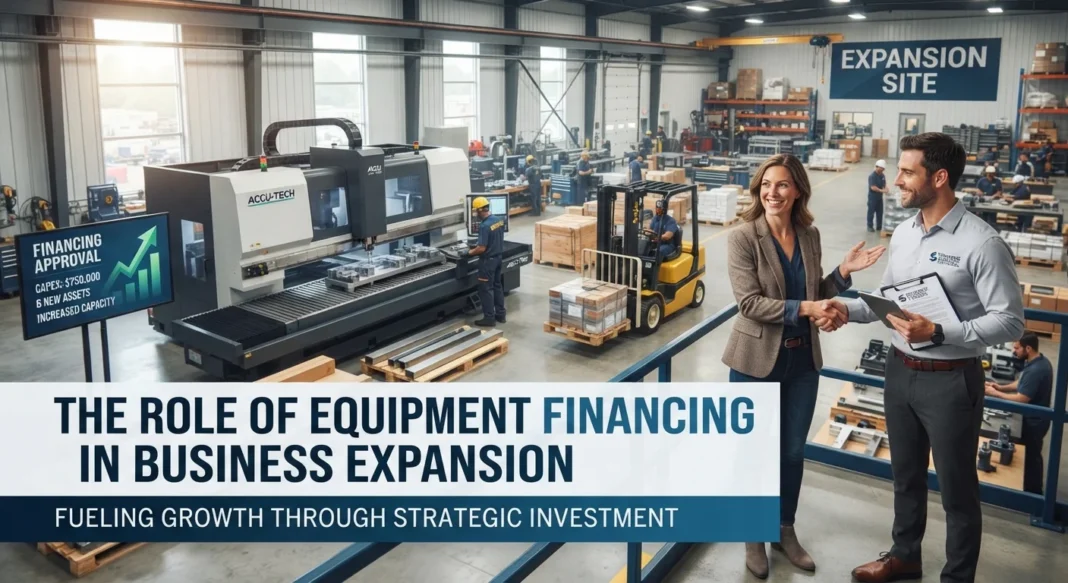


Investing in heavy machinery is an important step for businesses looking to improve productivity, expand operations, and complete demanding projects efficiently. However, purchasing construction equipment, industrial machinery, or commercial vehicles can require a substantial financial commitment. This is where Thirty3 Capital provides valuable support through tailored heavy equipment financing solutions. With expertise in asset-backed financing and monthly payment planning tools, the company helps businesses acquire essential machinery while maintaining better control over their budgets through flexible and strategic financing options.
Understanding the Importance of Heavy Equipment Financing
Heavy equipment plays a vital role in industries such as construction, manufacturing, agriculture, transportation, and infrastructure development. From excavators and bulldozers to cranes, loaders, and specialized industrial machinery, these assets help companies handle larger projects and improve operational capacity.
Buying equipment outright is not always the most practical decision. A significant upfront payment can reduce available working capital and limit the funds needed for payroll, materials, maintenance, and daily business expenses.
Financing provides an alternative by allowing companies to spread equipment costs over an agreed repayment period. Instead of using a large portion of their available capital immediately, businesses can make manageable payments while putting their new machinery to work.
Exploring Different Equipment Financing Options
Every business has different financial circumstances, equipment requirements, and long-term objectives. Selecting an appropriate financing structure is therefore essential.
Several financing approaches can help businesses acquire the machinery they need.
Asset-Backed Financing
Asset-backed financing uses equipment or other qualifying business assets as security for a financing arrangement. This approach can help companies access funds for machinery acquisitions while structuring repayments around their financial capabilities.
It can be particularly useful for established businesses looking to expand their equipment inventory without placing unnecessary pressure on their operating budgets.
Equipment Loans
Traditional equipment loans provide businesses with funds to purchase specific machinery. The borrower repays the amount over an agreed period, usually with interest.
Once the financing obligations are fulfilled, ownership arrangements depend on the terms of the agreement. This option may suit companies that want to acquire and retain equipment for long-term use.
Flexible Payment Structures
Some financing solutions offer repayment schedules designed around a company’s expected cash flow. Businesses with seasonal workloads or project-based income may benefit from payment arrangements that better reflect their revenue patterns.
Comparing different structures before making a commitment can help prevent unnecessary financial pressure.
Why Businesses Should Calculate Equipment Financing Costs
Understanding the total cost of acquiring machinery is just as important as selecting the right equipment. Businesses should evaluate monthly payments, interest expenses, repayment periods, and any additional fees before signing a financing agreement.
A heavy equipment financing calculator can make this process easier by providing an estimated monthly payment based on the proposed loan amount, interest rate, and repayment term.
For example, a business considering a $100,000 equipment purchase can use a calculator to compare different repayment periods and understand how each option affects its monthly financial obligations.
These calculations help business owners:
- Estimate monthly equipment payments.
- Compare different financing terms.
- Understand the relationship between interest rates and borrowing costs.
- Evaluate whether payments fit within their operating budgets.
- Plan future equipment purchases more effectively.
Although an online calculator provides useful estimates, actual financing costs may differ depending on lender requirements, credit qualifications, fees, and agreement terms. Businesses should always review the complete financing proposal before proceeding.
Choosing Machinery That Supports Business Growth
Financing decisions should begin with a clear understanding of operational requirements. Purchasing expensive machinery simply because financing is available can create unnecessary financial obligations.
Business owners should consider the type of projects they handle, expected equipment usage, maintenance requirements, and the potential return on investment.
For construction companies, an excavator or wheel loader may improve project efficiency and reduce dependence on equipment rentals. Manufacturing businesses might benefit from specialized machinery that increases production capacity, while agricultural operators may need tractors and harvesting equipment to manage larger operations.
Selecting equipment that directly supports business objectives makes financing a more strategic investment.
Managing Cash Flow During the Repayment Period
Maintaining healthy cash flow is essential when taking on long-term financial commitments. Even when a company generates consistent revenue, unexpected expenses or delayed customer payments can affect its ability to meet monthly obligations.
Businesses should avoid committing all available cash toward equipment payments. Maintaining an emergency reserve can provide additional financial protection during slower business periods.
It is also helpful to consider insurance, maintenance, fuel, storage, and operating expenses when calculating the overall cost of owning machinery.
A realistic financial plan allows companies to balance equipment investments with other important business priorities.
What to Consider Before Applying for Equipment Financing
Before submitting a financing application, businesses should review several important factors.
Total Financing Cost: Look beyond the monthly payment and calculate the overall amount payable throughout the agreement.
Interest Rates: Compare available rates and understand whether they are fixed or variable.
Repayment Duration: Longer repayment periods may reduce monthly payments but can increase the total financing cost.
Equipment Value: Consider the machinery’s expected lifespan, resale value, and potential impact on productivity.
Business Financial Position: Review existing debts, cash flow, revenue stability, and upcoming expenses to determine an affordable payment level.
Taking time to evaluate these details can help business owners avoid unsuitable agreements and make better purchasing decisions.
Building a Stronger Business Through Strategic Equipment Investments
Heavy machinery can create valuable opportunities for businesses looking to increase productivity, accept larger contracts, and expand their operational capabilities. However, successful equipment acquisition requires more than simply choosing the right machine. It also involves understanding financing costs, managing repayments, and protecting available working capital.
Working with an experienced financing provider such as Thirty3 Capital can help businesses explore tailored funding arrangements, asset-backed financing, and practical monthly payment planning. By combining suitable financing options with careful budgeting, companies can secure the machinery they need without placing unnecessary strain on their finances.
Ultimately, the right financing strategy allows businesses to invest in essential equipment, maintain financial flexibility, and build a stronger foundation for sustainable long-term growth.