
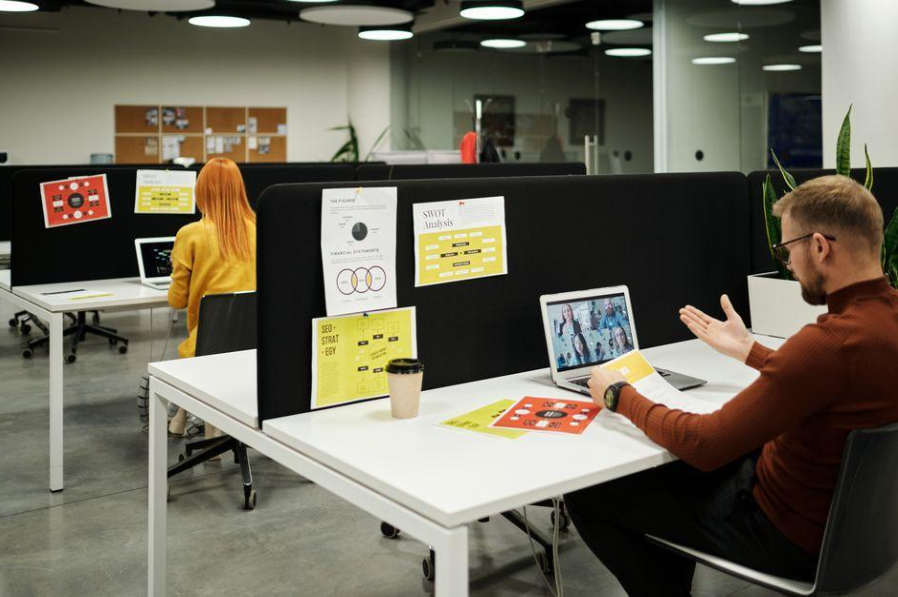


In recent years, flexible work environments have seen a notable shift in their structural design and function. One prominent development is the rise of the private office. This sophisticated option bridges the gap between traditional workspaces and dynamic co-working setups, presenting businesses with unique opportunities that reflect contemporary work trends and the needs of today’s diverse, fast-paced industries.
The Growing Appeal of Private Offices
Historically, offices have been spaces defined by rigid hierarchies and fixed layouts. However, evolving expectations around work-life balance, combined with significant technological advancements, have transformed what businesses demand from their work environments. Moving away from the one-size-fits-all model of large, compartmentalised floors, the private office offers tailored environments that accommodate the nuanced needs of individual companies and their employees.
The allure of private office spaces lies in their versatility. They offer the privacy and independence that come with individual offices or suites while maintaining the facilities and community spirit typical of shared workspaces. This model is particularly appealing to small to medium-sized enterprises (SMEs), startups, and even large corporations looking to provide specific teams with dedicated spaces that foster innovation and collaboration while ensuring confidentiality.
Design and Functionality: The Pillars of Success
One of the critical attributes of a private office is its emphasis on customisability. Businesses can tailor these spaces to reflect their unique identity and operational needs. From personalised interior design to bespoke technological infrastructure, organisations can craft an environment that not only embodies their brand image but also optimises productivity and employee satisfaction.
Moreover, the strategic functionality of private offices goes beyond aesthetics. Depending on the provider, these spaces may offer amenities such as soundproofing, secure internet connections, and telecommunications systems. Such inclusivity ensures that businesses have the resources they need to operate efficiently, whether they are conducting sensitive meetings, developing new products, or collaborating on complex projects.
Enhancing Employee Experience
A crucial concern for modern employers is fostering a work environment that prioritises the well-being of their workforce. Private office spaces play a vital role in this aspect by offering a balance between seclusion and socialisation. Employees can enjoy the privacy needed for focused work while still being part of a larger office community through shared facilities like lounges, kitchens, and event areas.
Additionally, these spaces often provide ergonomic furniture and wellness features such as natural lighting and indoor greenery, which are instrumental in reducing stress and promoting health. By ensuring that the physical work environment is conducive to both comfort and productivity, businesses can enhance morale and motivation, ultimately driving employee retention and attraction.
Supporting Innovation and Collaboration
While a private office implies exclusivity, it does not equate to isolation. Many providers of these spaces integrate features that promote networking and collaboration among different organisations sharing a building or campus. With common meeting areas, regular industry events, and community programmes, companies can interact, exchange ideas, and foster partnerships without sacrificing their autonomy.
This synergy not only benefits businesses by exposing them to potential clients and partners but also inspires innovation by providing a window into diverse perspectives and innovative practices across varied industries. Such ecosystems become breeding grounds for creativity and problem-solving, essential for growth and competitiveness in today’s volatile markets.
Financial and Operational Advantages
From a financial perspective, private offices offer a host of advantages over traditional long-term leases. Companies can benefit from flexible lease terms, allowing them to scale up or down depending on their current needs without the burden of extensive contracts or unforeseen expenses. This agility is particularly critical for businesses operating in dynamic markets or those undergoing rapid growth or restructuring.
Operationally, the streamlined nature of private office solutions means that administrative burdens typically associated with traditional office management are significantly reduced. Depending on the provider and agreement, services such as cleaning, maintenance, and reception may be included, reducing some of the administrative work associated with office management.
Adapting to Future Work Trends
The future of work is characterised by adaptability and resilience, traits inherently aligned with the concept of private offices. As remote working and hybrid models continue to influence corporate strategies, the demand for flexible, efficient workspaces will likely persist. Private offices, therefore, are well-positioned to meet the uncertain demands of the future workplace by offering scalable solutions that blend traditional office benefits with modern flexibility and technological integration.
Moreover, as sustainability becomes an increasingly important factor for businesses, private office providers often implement eco-friendly designs and practices. This commitment not only aligns with corporate social responsibility goals but also enhances energy efficiency and cost-effectiveness, appealing to environmentally conscious businesses.
In conclusion, while the notion of the private office is evolving, its core mission—to provide tailored, efficient, and flexible work environments—remains unwavering. By adapting to new work paradigms, these spaces are set to continue their role as hubs of innovation, productivity, and well-being in the competitive business landscape.