
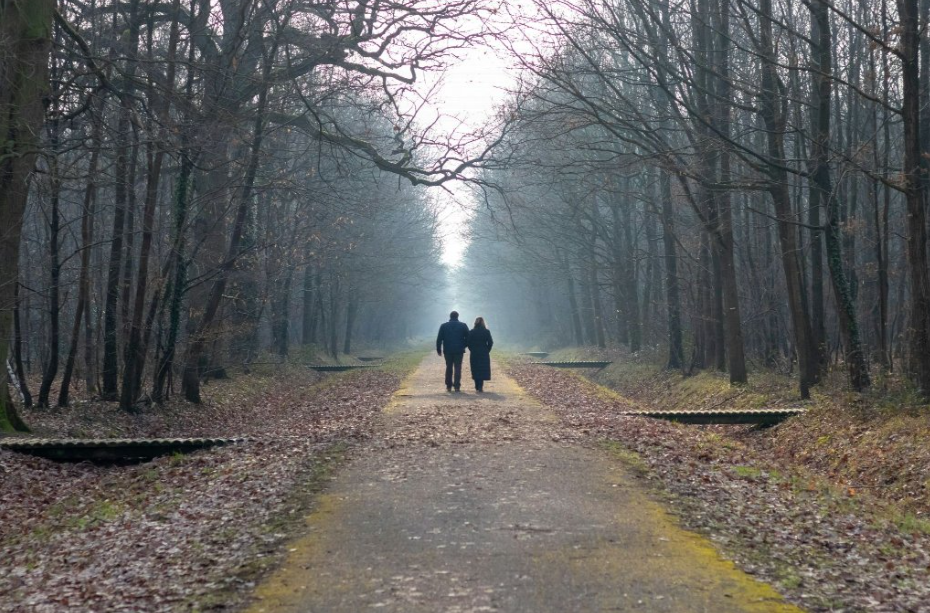


The green funeral movement started, as the name suggests, with environmental motivations. The carbon footprint of a traditional burial, the chemicals involved in embalming, the land use implications of cemetery plots, the materials in a standard coffin: these were the concerns that first drew people toward alternatives, and they remain legitimate considerations for many families making end-of-life decisions today.
But if environmentalism were the only driver of the shift toward nature-based memorials, the growth would look different. It would skew more heavily toward specific demographics. It would be concentrated in communities with strong environmental values and less present elsewhere. What’s actually happening is broader than that. Families with no particular environmental motivation are choosing forest memorials, outdoor gatherings, and nature-based farewells for reasons that have more to do with how they want to experience grief and commemoration than with ecological conscience. Understanding what those reasons are says something interesting about what people are looking for when someone they love dies.
What Nature-Based Memorials Actually Look Like
The range of what falls under the nature memorial category is wider than most people realise before they’ve looked into it, and the format varies significantly depending on the family’s preferences and the provider they work with.
The most common format involves direct cremation, where the practical and legal requirements of the death are handled without a formal ceremony at the time, followed by a private memorial held at a location in nature at a time the family chooses. The ashes are returned to the family along with whatever memorial elements have been prepared, and the family then selects their own day, their own location, and their own format for the gathering.
The location choices are as varied as the people making them. A forest where the person walked regularly. A mountain they climbed with family members. A beach they returned to every year. A national park they talked about wanting to visit but never did. The memorial happens where it happens because the place has meaning, not because it’s a designated space for mourning, and that distinction is part of what makes the experience feel different from a conventional funeral.
The elements that accompany the memorial can be simple or elaborate depending on what the family wants. Some families gather, scatter the ashes, share memories, and leave. Others bring music, readings, food, and spend several hours in the place. The absence of a prescribed format is part of the point, and the flexibility that a nature memorial provides is experienced by most families who choose it as a genuine freedom rather than an absence of structure.
The Reasons That Go Beyond the Environment
The families who choose nature-based memorials for reasons other than environmental values tend to describe their motivations in terms that cluster around a few consistent themes, and those themes reveal something about what conventional funeral formats aren’t providing for a growing number of people.
Personalisation is the most frequently cited motivation. A conventional funeral service happens in a space designed for funerals, follows a format designed for funerals, and produces an experience that reflects the conventions of the funeral industry more than it reflects the specific person being remembered. A nature memorial happens in a place that meant something to the person, in a format that the family designed around that person’s specific life and relationships, and produces something that feels genuinely commemorative rather than generically appropriate.
The psychological dimension of open spaces in grief is less commonly articulated but consistently mentioned when families describe their experience of nature memorials. Being outdoors, in a landscape that extends beyond the immediate gathering, appears to produce a different quality of emotional experience from being contained within a building. The sky above, the sounds of the environment, the physical context of the natural world continuing around the gathering, seem to allow grief to be felt more fully rather than more controlled. Whether this is a function of the physical space or of the reduced formality it produces is difficult to separate, but the consistent reporting of it across families who hadn’t specifically sought the effect is worth noting.
The rejection of conventional funeral formality is a genuine motivation for families who experience the prescribed elements of a traditional funeral as constraining rather than comforting. The venue that looks like a funeral venue. The music that sounds like funeral music. The language that sounds like funeral language. For families where the person who died would have found all of this incongruous with how they actually lived, a nature memorial in a place they loved, conducted in the language and spirit of the people who knew them, feels more honest.
For families exploring eco-friendly memorial options that provide this kind of flexibility, the practical elements of the process, the cremation, the documentation, the ashes prepared with an export permit for travel, and the memorial items including biodegradable Living Tribute hearts made from recycled materials, can all be arranged before the family selects their location and timing, which means the logistical coordination happens separately from the emotional preparation for the memorial itself.
What Families Find When They Get There
The families who describe nature memorials most vividly are those for whom the experience was different from what they’d anticipated, and what they consistently describe is a quality of presence and genuine feeling that they hadn’t expected from a gathering they’d organised themselves without the professional scaffolding of a conventional funeral.
The informality that seemed like it might feel inadequate turns out to feel appropriate. Standing in a forest, or on a clifftop, or beside a river that the person loved, with the people who actually knew them, saying what they actually want to say rather than what fits an order of service, produces something that many families describe as the most honest farewell they’ve been part of. There’s no performance because there’s no audience beyond the people who are there for the right reason.
The physical act of scattering ashes, in a place that has meaning, with the people who gather to do it together, is the element most consistently described as affecting in a way that is difficult to anticipate beforehand. The finality it represents, the physical reality of returning a person to the natural world, and the specific place it happens being connected to the person’s actual life rather than being a generic resting place, combine into an experience that families who have been part of it find more resonant than they expected.
What the Growth Tells Us
The growth of nature-based memorials across cultures and demographics that extend well beyond environmentally motivated families tells us something about a broader shift in what people want from the rituals that mark the end of a life. They want something that feels specific to the person who died rather than generic to the occasion of dying. They want the freedom to gather in a way that reflects how the people present actually related to each other and to the person they’re remembering. And many of them want the experience to happen in the world rather than in a purpose-built space designed to manage the experience of being in the world.
These aren’t new human needs. What’s new is the availability of structured ways to meet them that provide the practical and legal handling of a death alongside the freedom to mark it in a way that doesn’t follow the conventional script. The families choosing nature memorials aren’t rejecting the impulse to honour the dead. They’re finding a way to honour them that feels more true.