
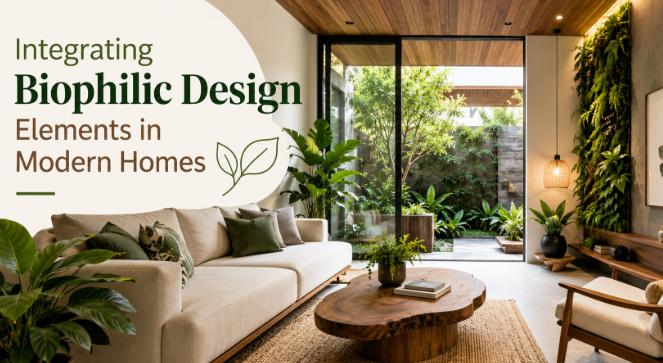


Introduction to Biophilic Design
Biophilic design is an innovative architectural approach that seeks to create a closer relationship between built environments and nature. The term ‘biophilia’ is derived from the Greek words “bio” (life) and “philia” (love), suggesting an inherent affinity for the natural world. This design philosophy originated in the late 20th century, primarily attributed to the work of psychologist Edward O. Wilson, who posited that humans have an intrinsic connection to nature. Today, biophilic design plays a significant role in modern architecture and interior design, bridging the gap between indoor spaces and the natural environment.
The significance of biophilic design lies in its ability to enhance well-being and productivity in everyday living and working environments. Extensive research supports the notion that exposure to natural elements can lead to improved mental health, reduced stress levels, and increased overall satisfaction with one’s surroundings. By integrating nature into architectural practices, designers aim to stimulate the senses and elevate the quality of life for individuals.
In modern homes, biophilic design can manifest in various forms, such as the use of natural materials, ample daylighting, greenery like indoor plants or green walls, and views of the outdoors. These elements not only evoke a sense of tranquility and solace but also create stimulating spaces that encourage interaction with the environment. Moreover, as urbanization continues to grow, the principles of biophilic design become increasingly relevant, urging architects and designers to prioritize sustainability and connection to the natural world in their future projects.
The Benefits of Biophilic Design in Homes
Biophilic design, which seeks to connect inhabitants with nature, offers numerous advantages when integrated into home environments. One of the most compelling benefits is the enhancement of mental health. Numerous studies have shown that exposure to natural elements, such as light, plants, and water features, can reduce stress and anxiety levels. This sensory connection to nature fosters a sense of well-being, which is crucial in today’s fast-paced lifestyle.
In addition to mental health improvements, biophilic design significantly contributes to better air quality. Incorporating natural ventilation, green walls, and indoor plants helps filter indoor air pollutants and increases oxygen levels. By leveraging elements derived from nature, homeowners can create a healthier living environment, which is particularly important in urban settings where air quality is often compromised. Improved air quality not only supports physical health but can also positively impact mood and cognitive function.
Moreover, homes that embrace biophilic design tend to increase productivity among their inhabitants. Natural light, for instance, has been shown to improve concentration and decrease fatigue. Spaces that incorporate natural materials and biophilic elements can enhance creativity, providing an inspiring setting that encourages innovative thinking. As remote work becomes more prevalent, the demand for homes that facilitate productivity is more significant than ever.
Furthermore, the aesthetic appeal of biophilic designs can enhance the overall value of a property. Homes that feature natural elements appeal to potential buyers looking for tranquility and a harmonious living environment, making it a wise investment. Thus, integrating biophilic elements not only benefits current occupants but can also increase future marketability.
Key Elements of Biophilic Design
Biophilic design is a concept that seeks to connect building occupants more closely to nature. It emphasizes several key elements that not only enhance aesthetic appeal but also improve the mental well-being and overall health of the inhabitants. One fundamental component is the use of natural light. Incorporating large windows and skylights allows for ample sunlight to penetrate indoor spaces, enriching the atmosphere and reducing reliance on artificial lighting. A well-lit home can create a sense of openness, making residents feel more connected to the outside world.
Another essential aspect is the integration of plants within living spaces. Indoor greenery acts as a natural air purifier and can significantly elevate mood and productivity levels. For example, incorporating vertical gardens or placing potted plants in various rooms can create a natural oasis that fosters a calming environment. This living decor not only beautifies a space but also evokes feelings of peace and tranquility.
Water features are equally important in biophilic design. The presence of water in design—be it a small fountain, a pond, or even an aquarium—introduces soothing sounds that can serve to relax both the mind and body. These elements can also enhance spatial quality by adding a unique visual focal point to the home.
Additionally, natural materials are crucial for achieving a biophilic aesthetic. Materials such as wood, stone, and clay add authenticity and warmth to interiors, establishing a tactile connection to nature. Their use in furniture, flooring, and decor can evoke sensory experiences that synthetic materials cannot offer.
Finally, incorporating scenic views into home design can serve to breach the boundaries between indoor and outdoor environments. Designing windows or balconies to overlook gardens, forests, or bodies of water allows occupants to enjoy nature without leaving their homes. These key elements, when thoughtfully integrated, significantly contribute to biophilic designs that not only symbolize beauty but foster well-being.
Examples of Biophilic Design in Modern Homes
Biophilic design is increasingly being embraced in modern architecture, reflecting a growing understanding of the importance of integrating nature into urban living environments. This approach can be observed in various architectural styles, showcasing how such elements enhance both aesthetics and well-being.
For instance, consider the case of the Vancouver House in Canada. This stunning structure features a cascading green terrace that promotes biodiversity by housing various plants and acts as a natural habitat for local wildlife. The high-rise’s unique form allows for abundant natural light and ventilation, promoting a healthy indoor climate for its residents. This integration of a green roof and biodiversity emphasizes how urban structures can harmonize with nature.
Another notable example is the Edgeland House in Texas, which was designed to blend seamlessly with its landscape. Its green roof and the utilization of local materials minimize its ecological footprint, while large windows provide views of the surrounding native prairie landscapes. The design encourages residents to connect with the outdoors, cultivating a sense of tranquility and fostering an appreciation for the environment.
In urban settings, the High Line in New York City serves as a remarkable example of reconstructive biophilic design. Initially a railway, the elevated park incorporates native plants amidst walking paths, art installations, and seating areas. This unique blend of nature and urban infrastructure not only enhances the biodiversity of the area but also creates inviting public spaces that encourage community interaction and well-being.
From green walls to indoor gardens, biophilic design elements are becoming essential components of contemporary homes. By incorporating natural materials, ample daylight, and views of nature, modern residences can foster harmony with their surroundings while promoting a healthier lifestyle for occupants.
Incorporating Nature Indoors: Tips and Ideas
Embracing biophilic design principles in modern homes can significantly enhance indoor environments. One of the fundamental strategies to incorporate nature indoors is to introduce a variety of houseplants. Selecting the right plants can drastically improve air quality while providing aesthetic appeal. Consider low-maintenance options such as snake plants, pothos, or peace lilies, which not only thrive in indoor conditions but also require minimal effort to care for. Furthermore, grouping plants of different heights can create a dynamic visual effect, making spaces feel more vibrant and alive.
Maximizing natural light is another vital aspect of integrating biophilic design within personal spaces. When planning your home layout, consider positioning large windows or glass doors that enable ample daylight to flood indoor areas. Using sheer curtains can soften the light and reduce glare, creating a comfortable atmosphere while still allowing sufficient illumination. Moreover, strategically placed mirrors can help reflect natural light throughout the space, brightening darker corners and making the area feel more open and airy.
Incorporating sustainable materials is essential in creating a harmonious balance between nature and modern design. Choose furnishings made from renewable resources, such as bamboo or reclaimed wood, to reflect an eco-friendly ethos. Natural textiles like cotton, linen, or wool can also be employed in upholstery and decor, infusing your home with organic textures. When considering paint and finishes, look for low-VOC (volatile organic compound) options that contribute to a healthier living environment.
Integrating these elements thoughtfully can lead to a more nurturing and restorative indoor atmosphere, making your home not only aesthetically pleasing but also beneficial for your mental well-being.
Outdoor Spaces and Biophilic Design
Incorporating biophilic design principles into outdoor areas significantly enhances the connection between nature and the residential environment. Outdoor spaces such as gardens, balconies, and patios can serve as vital extensions of the inside of a home, fostering a symbiotic relationship between interior and exterior living. A well-thought-out design can capitalize on natural elements, encouraging occupants to engage with their surroundings more intimately.
When designing gardens, it is essential to integrate various plants that thrive in the local climate. Choosing native species not only helps in conserving water but also invites local wildlife, such as birds and beneficial insects, fostering biodiversity. Furthermore, pathways made from natural materials like stone or wood can create a more organic feel and promote exploration and interaction with these gardens. All of these elements work together to create a tranquil escape that enhances outdoor living experience.
B alfresco dining areas, on patios or balconies, can be designed to provide comfort and functionality while maintaining a connection to nature. Features such as retractable awnings or umbrellas can provide shade while allowing users to enjoy the outdoors. Integrating green walls or vertical gardens not only adds aesthetics but also maximizes space for gardening in smaller outdoor areas, allowing residents to enjoy the benefits of nature even in limited spaces.
Additionally, using natural materials like wood, stone, and ceramics in furniture and decor can breathe life into these areas. The goal is to create harmonious spaces that invite relaxation and socialization while emphasizing a seamless transition between indoor and outdoor environments. Thoughtful integration of outdoor spaces into the overall biophilic design approach can elevate the residential experience, creating a grounded yet vibrant atmosphere that promotes well-being and a deeper appreciation for the natural world.
Challenges in Implementing Biophilic Design
Integrating biophilic design into modern homes is a noble pursuit, yet it is accompanied by several challenges that can hinder its effective implementation. One of the most prominent hurdles is the spatial limitations inherent in many urban environments. Residential areas often feature compact designs and limited outdoor spaces, making it difficult to incorporate natural elements in a manner that resonates with the biophilic ethos. Architects and designers must often juggle achieving biophilic objectives while adhering to building regulations and maximizing usable indoor areas.
Another significant challenge is climate considerations. The specific biophilic elements that can be successfully employed often depend on regional weather patterns and seasonal changes. For instance, a home located in a temperate climate might benefit from expansive windows that offer views of natural landscapes, while a residence in a harsher climate may require a different approach such as creating microclimates that allow for indoor plant integration without compromising comfort. These climate-dependent factors necessitate a tailored design strategy for each project, complicating the implementation process.
Moreover, maintaining natural features poses an additional layer of complexity. Incorporating living walls, indoor gardens, or natural water elements can enhance the aesthetic value of a home; however, these features require ongoing care and upkeep. Homeowners need to consider their commitment to maintaining these biophilic elements, including potential costs associated with regular maintenance, such as watering, pruning, and ensuring adequate sunlight for plants. This requirement can deter some from fully embracing biophilic design, as it demands active involvement and resources.
The Future of Biophilic Design
As society progresses, the future of biophilic design is becoming increasingly significant, intertwining environmental sustainability with modern living. Emerging trends indicate a shift toward the integration of advanced sustainable materials that not only provide aesthetic appeal but also contribute to the health and well-being of inhabitants. Manufacturers and designers are focusing on materials that are both environmentally friendly and innovative, leading to a new era of construction and design that prioritizes sustainability.
Technological advancements are also playing a crucial role in the evolution of biophilic design. Smart home technology is being harnessed to enhance the connection between indoor spaces and natural elements. For example, automated window systems can adjust to optimize natural light, while advanced air filtration systems can mimic fresh outdoor air, thus enriching the indoor atmosphere. These technologies not only improve energy efficiency but also promote a sense of calm and well-being among residents.
The increasing popularity of nature-focused design within urban environments is another notable trend. As cities expand and natural landscapes shrink, urban biophilic design seeks to restore the essential connection between people and nature. Developments such as green roofs, vertical gardens, and urban parks have gained traction, encouraging city planners and architects to create spaces that foster biodiversity and relaxation. By prioritizing these designs, urban areas can enhance air quality, reduce heat, and provide residents with the mental health benefits associated with nature.
In summary, the future of biophilic design lies in the successful integration of sustainable materials and innovative technologies that not only reshape our homes but also redefine urban landscapes. As more individuals and communities recognize the inherent benefits of these elements, the move towards nature-rich environments will undoubtedly continue to gain momentum, enhancing both aesthetic and experiential aspects of living spaces.
Conclusion: A Path Towards Healthier Living
Integrating biophilic design elements in modern homes represents a vital approach to enhancing the quality of our living environments. As urbanization continues to increase, the separation from nature has profound effects on our mental and physical well-being. Biophilic design seeks to address these challenges by incorporating natural elements and processes into residential spaces, thereby promoting a strong connection between inhabitants and their environments.
The principles of biophilic design foster healthy living by introducing aspects such as natural light, greenery, and natural materials, all of which contribute positively to our lifestyle and health. Studies have shown that environments designed with these elements lead to reduced stress levels, improved focus, and enhanced mood. Furthermore, they can increase productivity and creativity, making homes more conducive to both relaxation and work. By prioritizing a relationship with the natural world within our living spaces, we can create sanctuaries that not only invigorate our health but also support sustainable living practices.
As you consider your own living environment, think about how the integration of biophilic design can transform your home into a healthier place. Simple changes, such as incorporating plants, maximizing daylight exposure, or using natural materials in your decor, can significantly impact your well-being. Whether you are building a new home or revamping an existing one, adopting biophilic design principles can foster a healthier lifestyle. This thoughtful approach to home design ultimately leads to spaces that nurture our physical and emotional needs, paving the way for a more harmonious existence in today’s fast-paced world.