


Introduction to Technology in Sports
The integration of technology into the realm of professional sports has witnessed unprecedented growth in recent years. Innovations ranging from wearable devices to advanced analytics have become common elements within training regimes and competitive play. These advancements have not only enhanced the performance of athletes but have also transformed the fan experience, providing deeper engagement through immersive technologies.
One of the most notable changes is the adoption of performance-tracking technologies that allow coaches and athletes to monitor physical metrics in real time. Devices such as heart rate monitors, GPS trackers, and motion sensors offer valuable insights into an athlete’s performance capabilities, enabling tailored training programs that enhance performance while minimizing injury risk. This data-driven approach marks a significant shift from traditional training methods, emphasizing the importance of individualized athlete management.
Moreover, technology has redefined how teams analyze tactics and opponents. Video analysis software and simulation technologies empower coaches with the ability to dissect game footage and strategize effectively. These tools allow for informed decision-making, ultimately affecting the outcome of games and season performances. Teams leveraging technology in this manner often gain a competitive edge, illustrating that staying at the forefront of innovation is crucial in the sports arena.
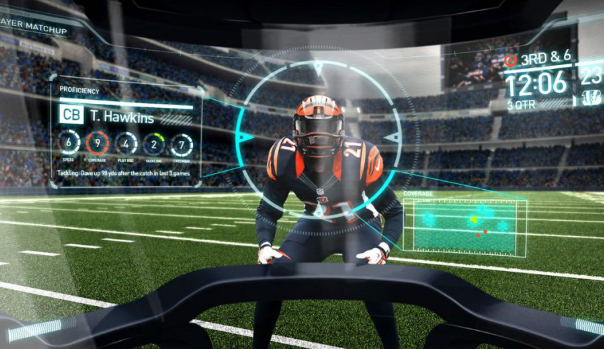
Fan interaction has also evolved dramatically due to technological integration. Features like augmented reality (AR) and virtual reality (VR) have enhanced the viewing experience, allowing fans to engage with games from various perspectives. Streaming platforms, mobile applications, and social media have facilitated real-time engagement, transforming passive viewers into active participants. The significance of technology in sports extends beyond the field; it permeates every facet of the industry, signaling a new era of connectedness and innovation that continues to reshape the landscape of professional sports.
Wearable Technology and Analytics
The integration of wearable technology in professional sports has revolutionized how athletes monitor their performance and health. Devices such as smartwatches and fitness trackers are increasingly utilized to gather real-time data on various physiological parameters, which includes heart rate, motion patterns, and overall activity levels. This advancement enables coaches and sports scientists to gain deeper insights into player performance, allowing for enhanced training programs tailored to individual athlete needs.
By employing advanced data analytics derived from wearable devices, teams can identify patterns and trends that inform training regimens. For instance, analyzing data collected during practice sessions allows for the optimization of workout intensity, duration, and frequency. Coaches can adjust training plans based on the specific health metrics and performance indicators of players, thus maximizing their efficiency and effectiveness. Moreover, this data-driven approach can aid in setting personalized performance goals that align with each athlete’s capabilities.
In addition to training optimization, wearable technology plays a pivotal role in injury prevention strategies. Continuous monitoring of an athlete’s physical condition can help detect early signs of fatigue or stress, essential indicators that an athlete might be at risk of injury. By using this information, medical staff and coaches can implement timely interventions, such as adjusting training loads or incorporating recovery protocols, ultimately preserving player health and longevity in the sport.
Overall, the impact of wearable technology and data analytics on player management cannot be overstated. It enables a more proactive approach to athlete care, marrying technological innovation with traditional coaching methods to achieve improved performance outcomes and a healthier sports environment.
Enhanced Training Techniques
In recent years, the integration of advanced technologies within professional sports has significantly transformed training methodologies. Among these innovations, Virtual Reality (VR) and Augmented Reality (AR) have emerged as groundbreaking tools that facilitate immersive and interactive training experiences for athletes. These technologies not only enhance traditional coaching practices but also allow athletes to develop and refine their skills in unprecedented ways.
Virtual Reality systems enable athletes to simulate real-game scenarios within a controlled environment, helping them to improve decision-making and reaction times without the physical toll of actual play. For instance, basketball players can utilize VR to practice shots from different positions on the court or visualize various defensive strategies. Meanwhile, football players can immerse themselves in game-like situations, gaining insights into opponent movements and improving their tactical understanding.
On the other hand, Augmented Reality supplements the real world with digital information, allowing for real-time feedback during training sessions. Coaches can utilize AR to provide instant analysis of an athlete’s performance, overlaying data such as speed, biomechanics, and accuracy directly onto their visual field. This enables athletes to make immediate adjustments and refine their techniques effectively. For example, a soccer player might use AR glasses during practice to visualize optimal running paths or evaluate their shooting form based on a coach’s assessment.
The fusion of VR and AR technologies in training regimens epitomizes the shift towards a more analytical and data-driven approach in professional sports. With the ability to engage athletes and provide personalized feedback, these technologies not only enhance skill development but also support injury prevention measures by promoting better understanding of body movements and mechanics.
Fan Engagement and Experience
In recent years, technology has substantially transformed the way fans engage with professional sports, both in-stadium and through digital platforms. Advancements in ticketing systems have made attending live events more accessible and convenient. For instance, mobile ticketing has become a prevalent method, allowing fans to purchase, store, and present tickets directly on their smartphones. This not only enhances convenience but also minimizes the risk of lost tickets, contributing to a streamlined entry experience.
Another remarkable development is the rise of live-streaming services. These platforms allow fans to watch games in real time from virtually anywhere in the world, breaking geographical barriers that previously restricted viewership. Major leagues and teams have embraced this technology to increase their global reach and provide fans with viewing options that suit their preferences, such as on-demand replays and multiple camera angles.
Augmented reality (AR) applications are also making significant inroads into fan engagement. For instance, sports teams are utilizing AR to enhance the in-stadium experience by providing interactive features. Fans can access player statistics, replays, and game information through their mobile devices while still enjoying the live atmosphere of the game. Such innovations not only enrich the overall experience but also encourage fans to interact more deeply with the sport.
Moreover, social media has emerged as a powerful tool for building communities among fans. Platforms like Twitter, Instagram, and Facebook enable fans to connect, share their thoughts, and discuss games in real time. Through social media, teams can engage directly with their audience by sharing exclusive content, behind-the-scenes glimpses, and conducting polls to gauge fan sentiment. This level of engagement fosters a sense of belonging among fans and enhances their emotional investment in the sport.
Broadcasting Innovations
The landscape of professional sports broadcasting has undergone a profound transformation due to technological advancements. High-definition cameras now deliver stunning clarity, allowing viewers to experience every nuance of the game as if they were in the stadium. This shift has not only improved the visual quality of broadcasts but also enhanced the emotional connection audiences have with their favorite teams and athletes. With the introduction of 4K and even 8K resolutions, fans are able to enjoy an unparalleled viewing experience, making them feel more immersed in the action.
Moreover, the use of drone coverage has added a new dimension to sports broadcasting. Drones equipped with high-resolution cameras can capture aerial views of the game, providing unique perspectives that were previously unattainable. This technology allows broadcasters to showcase the scale of the event and the strategic movements of players, thus enriching the audience’s understanding of the dynamics at play. Drones can also follow the action dynamically, ensuring that fans do not miss critical moments, whether it’s a goal, home run, or a perfect pass.
In addition to visual enhancements, real-time statistics have become integral to modern sports broadcasting. Viewers now have access to a wealth of data during live events, such as player statistics, team performance metrics, and historical comparisons. This analytics-rich environment allows fans not only to follow their teams but also to engage more deeply with the intricacies of the game. Such innovations empower broadcasters to create enhanced storytelling around the events, making the experience more interactive and informative.
Injury Prevention and Recovery Technologies
In the realm of professional sports, the pivotal role of injury prevention and recovery technologies has become increasingly evident. Athletes are subjected to high levels of stress and physical demands, leading to a heightened risk of injuries. Advanced technology is now being leveraged to enhance methods for predicting, preventing, and rehabilitating injuries.
One significant advancement is the use of biomechanics, which allows for a deeper understanding of how athletes move and where vulnerabilities may exist. By employing motion capture systems and pressure sensors, trainers can analyze the kinetic and kinematic responses of athletes during various activities. This detailed data helps in developing tailored training programs that focus on strengthening muscles and correcting movements predisposed to injury.
Moreover, innovations in physical therapy have introduced machines and software designed for effective rehabilitation. Techniques such as robotic-assisted therapy enable personalized rehabilitation protocols that adapt to the athlete’s progress in real-time. Smart wearables, equipped with sensors, provide continuous monitoring of an athlete’s physiological responses, thus offering insights that can guide coaches and medical staff on how to modify training loads and recovery strategies accordingly.
Additionally, recovery technologies, such as cryotherapy and electrical stimulation devices, are increasingly being utilized in sports medicine. These technologies aid in reducing muscle soreness and speeding up the healing process after injuries. By integrating these tools into regular training regimens, athletes can maintain optimal performance levels while minimizing the risk of prolonged injuries.
Ultimately, the intersection of technology and sports has paved the way for more effective injury prevention and recovery methods. By employing cutting-edge biomechanical analyses and advanced rehabilitation tools, athletes can return to peak performance more efficiently and safely, showcasing the transformative impact of technology in professional sports.
Ethics and Data Privacy in Sports Technology
As technology increasingly integrates itself into the realm of professional sports, crucial ethical considerations emerge, particularly concerning data privacy. The use of wearable technology, performance analytics, and fan engagement platforms generates an immense volume of data. This data often concerns both players and fans, raising questions about consent and the permissible uses of such information.
One significant concern is whether athletes adequately understand how their personal and performance data is being collected and utilized by teams and organizations. Many players, especially those who are younger or less experienced, may not fully comprehend the implications of consenting to the continuous monitoring of their performance metrics and personal information. Transparent communication is essential in ensuring that athletes are informed participants in this digital age.
Furthermore, there is the issue of data security. As organizations collect extensive data from both players and fans, they become prime targets for data breaches. Ensuring the integrity and confidentiality of this data is paramount to uphold trust between teams and their stakeholders. A breach that exposes sensitive performance data or personal player information would not only harm individual athletes but could also damage the reputation of the organization as a whole.
Moreover, the fairness in technology usage is another critical aspect. With advanced analytics providing significant advantages in training and game strategies, there is a risk that disparities may exist between well-funded franchises and those with fewer resources. Such inequalities can skew competition, raising ethical questions about access to technology and its role in leveling the playing field.
In navigating these ethical concerns, organizations need to prioritize data privacy protocols, establish clear consent processes, and promote an equitable approach to technology use. As the sports industry continues to evolve with technological advancements, it remains crucial to address these ethical considerations to maintain integrity and fairness in professional sports.
The Future of Technology in Sports
The intersection of technology and sports has led to substantial advancements in various aspects of the athletic experience. As we look toward the future, emerging technologies like Artificial Intelligence (AI) and machine learning are poised to redefine the landscape of professional sports, influencing training methodologies, personnel management, and fan engagement.
One of the most significant implications of AI in sports is its potential to enhance player training and performance. Through data analytics and real-time feedback, AI can analyze an athlete’s performance metrics more precisely than ever. This enables coaches to tailor training regimens that address individual strengths and weaknesses, resulting in a more customized approach to player development. Additionally, machine learning algorithms can predict injury risks by assessing an athlete’s biomechanics and workload, allowing for preventive measures to maintain player health.
Furthermore, AI has begun to play a critical role in administrative functions within sports organizations. From ticket pricing strategies to fan behavior predictions, AI-driven tools can optimize revenue generation and improve overall fan experiences. By analyzing audience data, organizations can tailor marketing campaigns aimed at enhancing engagement, thus fostering a stronger connection between the teams and their supporters.
In terms of fan interaction, technology promises to elevate the spectator experience significantly. Virtual reality (VR) and augmented reality (AR) are already being utilized to create immersive experiences that bring fans closer to the action, despite physical distance. Imagine attending games virtually, where one can experience live sports as if they were in the stadium, providing fans from everywhere with unprecedented levels of engagement.
Ultimately, the future of technology in sports is undoubtedly bright. As these innovations continue to develop, they herald a transformation in how sports are played, managed, and enjoyed, creating a dynamic landscape that will shape the athletic world for years to come.
Conclusion
In reviewing the transformative effects of technology within professional sports, it becomes clear that the integration of advanced tools and systems has significantly altered the landscape of athletic competition. From enhanced performance analytics and training methodologies to improved fan engagement and safety measures, technology has permeated various dimensions of the sports industry. One key benefit is the availability of data-driven insights that assist coaches and athletes in optimizing their performance. The use of wearables and data analysis not only supports injury prevention efforts but also enables athletes to achieve peak performance by tailoring training regimens to their specific needs.
Furthermore, the influence of technology extends beyond the training ground into the realm of fan interaction. Virtual reality experiences, live-streaming capabilities, and interactive platforms have made it possible for fans to engage with their favorite sports in more immersive and informative ways. Such advancements enhance the overall spectator experience, fostering a closer connection between teams and their supporters.
However, it is essential to acknowledge the challenges that accompany these technological advancements. Issues related to data privacy, the reliability of technology during crucial game moments, and the potential for unequal access among teams pose significant concerns. The industry must navigate these challenges to ensure that technology benefits all stakeholders involved, including athletes, teams, and fans alike.
As we move forward, the ongoing evolution of technology in professional sports will continue to inspire innovation, improve performance, and enhance the fan experience. The balance between embracing these advancements while addressing potential pitfalls will dictate the future trajectory of professional sports.