
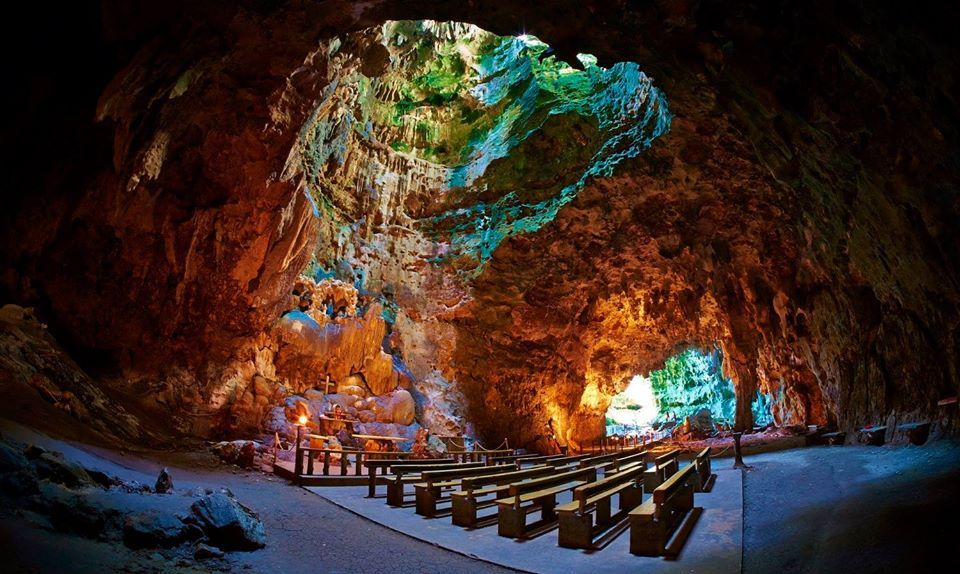


The Philippines is a stunning archipelago that captivates the hearts of many. With over 7,000 islands scattered across Southeast Asia, this tropical paradise offers more than just breathtaking beaches and vibrant cultures. The geography in the Philippines plays a pivotal role in shaping its rich history, diverse ecosystems, and unique lifestyle.
From towering mountain ranges to lush valleys and sprawling coastlines, each region has its own story to tell. Understanding this intricate geographical tapestry not only enhances your appreciation for the beauty of the islands but also provides insight into how nature influences daily life here.
Whether you’re planning a visit or simply curious about what makes these islands so special, exploring the geography in the Philippines will open up new horizons. Let’s embark on an exciting journey through landscapes that are as diverse as they are enchanting!
Geography and Topography of the Philippines
The geography of the Philippines is a fascinating tapestry of islands, mountains, and coastlines. Comprising over 7,600 islands, it stretches across more than 300,000 square kilometers in Southeast Asia.
Luzon and Mindanao are the largest islands. They feature diverse landscapes from rugged mountain ranges to fertile plains. The Sierra Madre mountain range on Luzon offers stunning vistas and rich biodiversity.
Visayas showcases rolling hills and beautiful beaches. Its numerous small islands make it an ideal destination for those who love water activities.
Mindanao boasts vast plateaus and valleys rich in agricultural resources. Mount Apo, the highest peak in the country, stands as a majestic symbol of its topography.
The extensive coastline hosts some of the world’s most beautiful beaches while also influencing local climate patterns significantly. Each region’s unique features create distinct ecosystems that thrive throughout this archipelago.
Climate and Weather Patterns
The climate in the Philippines is predominantly tropical. This means warm temperatures and high humidity are constant features throughout the year. The archipelago experiences three distinct seasons: Tag-init (dry), Tag-ulan (rainy), and Tag-lamig (cool).
Rainfall patterns vary significantly across regions. Eastern areas receive heavy downpours, while western parts stay relatively dry. Typhoons frequently sweep through from June to November, bringing both destruction and revitalization.
Temperature can soar above 35°C during summer months, making it crucial for residents to adapt their lifestyles accordingly. The cooler months offer a brief respite, attracting tourists seeking pleasant weather.
Understanding these climatic nuances is essential for agriculture and urban planning. Communities often rely on local knowledge to prepare for seasonal changes and natural calamities that accompany them.
Biodiversity in the Philippines
The Philippines is a biodiversity hotspot, boasting an incredible variety of flora and fauna. With over 50,000 species of plants and animals, many are endemic—found nowhere else on Earth.
From the lush rainforests to vibrant coral reefs, each habitat supports unique life forms. The country is home to the iconic Philippine Eagle and the critically endangered Tamaraw.
Marine biodiversity flourishes in its surrounding waters. These ecosystems provide sanctuary for countless fish species, sea turtles, and dolphins.
Yet this rich diversity faces threats from deforestation, pollution, and climate change. Protecting these natural treasures is crucial for ecological balance.
Efforts are underway to preserve habitats through conservation programs. Local communities also play a key role in sustainable practices that protect their environment while enhancing livelihoods.
Exploring this stunning richness reveals not just beauty but also vital connections within nature’s web. Understanding it fosters appreciation for what makes the Philippines truly unique.
The Impact of Geography on Culture and Society
The geography of the Philippines plays a significant role in shaping its culture and society. With over 7,000 islands, each region boasts distinct customs and traditions. This diversity is largely influenced by local resources and landscapes.
Coastal communities often rely on fishing as their main source of livelihood. This reliance fosters a unique maritime culture that celebrates the sea through festivals and rituals. Conversely, mountainous regions may emphasize agriculture, with rice terraces showcasing ingenuity in adapting to hilly terrains.
Natural barriers like mountains or bodies of water can also lead to regional isolation. Such separation encourages the development of unique dialects and practices among different groups. Each island’s geography contributes to a rich tapestry of cultural identity across the nation.
Moreover, geography affects social interactions. Urban areas see more rapid exchanges due to better infrastructure while rural settings maintain traditional ways longer. Understanding this interplay highlights how deeply intertwined landforms are with Filipino life.
Famous Landmarks and Tourist Spots
The Philippines is home to a myriad of stunning landmarks and tourist spots that showcase its rich culture and natural beauty. One must-visit destination is the iconic Banaue Rice Terraces, often referred to as the “Eighth Wonder of the World.” These terraces, carved into mountainsides over 2,000 years ago, reflect ancient agricultural practices.
Boracay Island boasts powdery white sands and crystal-clear waters. It’s a haven for beach lovers and nightlife enthusiasts alike. Meanwhile, Palawan’s Puerto Princesa Subterranean River National Park offers an intriguing underground river system surrounded by lush rainforest.
For history buffs, Intramuros in Manila reveals glimpses of Spanish colonial architecture through its well-preserved fortifications and heritage sites. Each landmark tells a unique story about the nation’s past while inviting visitors to explore its diverse landscapes further. Whether you seek adventure or relaxation, these spots provide unforgettable experiences at every turn.
Challenges and Issues with Geography in the Philippines
The geography of the Philippines presents unique challenges. The archipelago consists of over 7,000 islands, creating logistical hurdles in transport and communication. Remote areas often lack access to essential services.
Natural disasters are a significant concern. Typhoons frequently batter the nation due to its location in the typhoon belt. Flooding and landslides can devastate communities and disrupt livelihoods.
Urbanization also poses issues. As cities expand, they encroach on natural habitats, leading to biodiversity loss. Pollution from rapid development threatens water quality and local ecosystems.
Moreover, regional disparities exist between urban centers like Manila and rural provinces. These inequalities affect economic opportunities, education systems, and healthcare access for many Filipinos.
Climate change exacerbates these geographical challenges further. Rising sea levels threaten coastal communities while changing weather patterns impact agriculture—a vital sector for food security in the country.
Future Developments in Philippine Geography
The future of geo in the Philippines is poised for transformation. Urbanization continues to reshape landscapes, with cities expanding and infrastructure projects underway. Smart city initiatives are being integrated, utilizing technology to enhance urban planning.
Sustainable practices are gaining traction as well. The government and local communities focus on protecting natural resources while meeting development needs. This balance is crucial for preserving biodiversity amidst growth.
Climate change adaptation strategies are also evolving. Resilient infrastructure is necessary to combat extreme weather events that impact coastal areas and island communities.
Geographical research will play a vital role in informing policies. Innovations in mapping technologies can provide invaluable insights into land use and resource management.
As these developments unfold, they hold the potential to redefine not just the physical landscape but also social dynamics throughout the archipelago. The interplay between tradition and modernity will shape what lies ahead for this diverse nation.
Conclusion
Understanding the geography in the Philippines offers a fascinating glimpse into a diverse and vibrant archipelago. With its intricate interplay of islands, mountains, and rich biodiversity, this country presents an extraordinary canvas shaped by nature over millions of years.
The geographical features influence not just the environment but also local cultures and societies. From bustling urban centers to tranquil rural areas, every region has its own unique identity tied closely to its surroundings. The natural beauty attracts tourists from all corners of the globe eager to explore stunning landscapes and historic sites.
Yet challenges persist. Climate change poses significant dangers that threaten both ecosystems and communities alike. Addressing these issues is crucial for sustainable development moving forward.
As we look ahead, innovations in geographic understanding will play a vital role in shaping policies aimed at balancing human activity with environmental conservation. This balance is essential for preserving what makes the geography of the Philippines so special while providing opportunities for future generations.
The Philippines remains a captivating subject of study within geographic realms—offering endless possibilities for exploration and discovery as it navigates through modern-day complexities intertwined with its timeless natural wonders.