
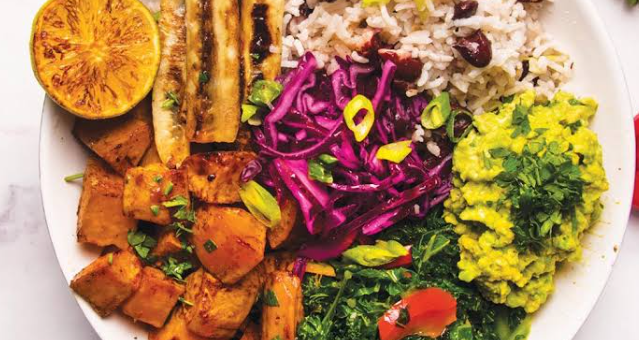


Introduction to Vegan Nutrition
Vegan nutrition encompasses a dietary approach that excludes all animal products, including meat, dairy, and eggs. This lifestyle choice is gaining traction, particularly among families aiming to enhance their overall health and well-being. A well-planned vegan diet can provide numerous health benefits, making it a viable option for those seeking to improve family nutrition.
One of the most significant advantages of adopting a vegan diet is its association with lower risks of chronic diseases. Research indicates that a plant-based diet may help reduce the likelihood of developing conditions such as heart disease, diabetes, and certain types of cancer. This is largely attributed to the high fiber intake, lower saturated fat levels, and abundance of phytonutrients found in fruits, vegetables, legumes, and whole grains.
For families, it is crucial to ensure that children and adults alike receive an adequate intake of vital nutrients. A well-balanced vegan diet should include proteins, vitamins, and minerals essential for growth, development, and overall health. Plant-based proteins are plentiful in beans, lentils, tofu, and quinoa, providing essential amino acids necessary for bodily functions.
In addition to proteins, vitamins such as B12, commonly found in animal sources, need to be carefully monitored in a vegan diet. Families adopting veganism can proactively address this by choosing fortified foods or taking supplements as recommended by a healthcare professional. Furthermore, essential minerals such as iron and calcium can be sourced from leafy greens, nuts, seeds, and fortified plant-based milk.
In summary, vegan nutrition emphasizes a plant-based approach that can yield significant health benefits for families. By focusing on incorporating a variety of nutrient-rich foods, families can not only improve their health but also promote sustainable eating habits for future generations.
Key Ingredients for Vegan Family Meals
Creating nutritious and satisfying vegan meals for families starts with understanding the key ingredients that should be incorporated into these recipes. The foundation of vegan cooking often lies in legumes, grains, nuts, seeds, vegetables, and fruits. These ingredients not only offer a diverse range of flavors and textures but also play a vital role in meeting the nutritional needs of all family members.
Legumes, including beans, lentils, and peas, are excellent sources of protein, fiber, and essential vitamins and minerals. They can be easily added to soups, salads, and stews, providing a hearty component that can replace meat in many dishes. Incorporating legumes into meals ensures that families receive adequate protein for muscle maintenance and overall health.
Grains, such as quinoa, brown rice, and oats, serve as a base for many vegan dishes. These grains are integral for providing complex carbohydrates, which supply energy and are necessary for maintaining stable blood sugar levels. Moreover, whole grains contain added fiber, which aids digestion and promotes satiety, making them an ideal choice for family meals.
Nuts and seeds, including almonds, walnuts, chia seeds, and flaxseeds, are packed with healthy fats, protein, and micronutrients. They can easily be incorporated into snacks or meals, enhancing both flavor and nutritional value. For instance, nut butter can serve as a delicious spread or dip, while seeds can act as excellent toppings for salads or smoothies.
Vegetables, rich in vitamins and minerals, are essential for a well-rounded diet. From leafy greens to cruciferous vegetables, incorporating a variety of produce into meals provides essential antioxidants and nutrients that support overall health. Lastly, fruits contribute natural sweetness and a range of vitamins that enhance the dietary profile of family meals. By utilizing these key ingredients, families can enjoy delicious and nutritious vegan dishes that cater to everyone’s health needs.
Breakfast Recipes for a Healthy Start
Starting the day with a nutritious breakfast is crucial for maintaining energy levels and overall well-being, especially in a family setting. Vegan breakfast recipes are not only delicious but also provide essential nutrients that cater to the dietary needs of everyone. Here, we explore a variety of breakfast options that are simple to prepare and packed with health benefits.
One popular choice is the fruit smoothie, which can be customized to suit individual preferences and dietary restrictions. A base of spinach or kale combined with bananas, berries, and a splash of almond milk delivers a refreshing, nutrient-dense start to the day. Adding chia or flaxseeds can further boost the omega-3 fatty acid content, making it a well-rounded meal that keeps you energized.
Another nutritious option is oatmeal, a versatile grain that offers numerous preparation methods. A warm bowl of oats topped with fresh fruits, nuts, and a drizzle of maple syrup creates a hearty breakfast that satisfies hunger while supplying vital vitamins and minerals. For added protein, consider mixing in some nut butter or plant-based yogurt. Variations such as overnight oats can be prepared the night before for a quick morning option, reinforcing the importance of convenience in family nutrition.
Lastly, plant-based pancakes are a breakfast favorite that brings a touch of indulgence while remaining healthy. Using ingredients like whole wheat flour, banana, and almond milk, these pancakes can be easily modified for tastes and dietary needs. Topped with seasonal fruits and a sprinkle of cinnamon, they make a delightful morning meal that can be enjoyed by the whole family.
By incorporating these vegan breakfast recipes into your family’s meal planning, you can ensure a healthy start to the day that supports energy levels and nutrition goals. Each of these options is not only a wholesome choice but also a delicious way to begin your day together.
Nutritious Lunch Ideas for Families
Creating nutritious lunch options for a family can be both enjoyable and straightforward with a variety of vegan recipes that cater to different tastes and dietary needs. Incorporating whole foods and plant-based ingredients ensures that every meal is not only healthy but also fulfilling. Here are some ideas that will appeal to family members of all ages.
Wraps are an excellent choice for a balanced lunch. Start with a whole grain tortilla and fill it with your favorite vegetables, legumes, and spreads. A chickpea salad wrap, for instance, features mashed chickpeas, diced cucumbers, tomatoes, and a hint of lemon juice, all tucked within the tortilla for a nutritious and portable meal. Adding some baby spinach or arugula can enhance its nutritional profile and provide extra flavor.
Salads can also serve as vibrant lunch options. For a family-friendly salad, consider making a quinoa and black bean salad. Combine cooked quinoa with black beans, corn, diced bell peppers, and a simple lime dressing. This dish not only includes protein-rich legumes but also offers a medley of textures and colors that appeal to children and adults alike.
Another fulfilling option would be grain bowls, which allow for ingredient variety and customization. Start with a base of brown rice or barley, then layer in roasted vegetables, sautéed greens, and a source of plant-based protein such as tempeh or tofu. Top with a tahini dressing or avocado slices for extra creaminess.
When it comes to meal prep, preparing meals in advance can save time during busy weekdays. Consider dedicating a few hours on the weekend to chop vegetables and prepare grains in bulk. Store them in separate containers to facilitate easy assembly of lunches throughout the week. Additionally, packing meals in reusable containers can promote sustainability while ensuring that lunch stays fresh until it’s ready to be enjoyed.
Delicious Vegan Dinner Recipes
In the realm of healthy family nutrition, vegan dinner recipes can provide a satisfying and flavorful alternative to traditional meal options. These dishes draw on a variety of ingredients, ensuring that every dinner is packed with nutrients while tantalizing the taste buds. Below are three delightful vegan dinner options that are simple to prepare and loaded with wholesome ingredients.
One notable option is a vibrant vegan stir-fry, which can be customized with a range of vegetables such as bell peppers, carrots, and broccoli. Start by sautéing garlic and ginger in a bit of olive oil, then add your choice of vegetables and a protein source such as tofu or tempeh. A splash of soy sauce or tamari can elevate the flavor, creating a delicious dish that pairs perfectly with brown rice or quinoa.
Another excellent choice is a hearty vegan casserole. Combining whole grains like quinoa or brown rice with a medley of vegetables and legumes can create a filling and nutritious dinner. For instance, a sweet potato and black bean casserole can be prepared by layering sliced sweet potatoes with seasoned black beans and corn, topped with a sprinkling of nutritional yeast for added cheesiness. Baking this dish until tender results in a comforting meal that the entire family will enjoy.
Pasta lovers can rejoice as well, since there are countless ways to enjoy vegan pasta dishes that are both quick and satisfying. A simple recipe could entail whole wheat pasta tossed with a creamy cashew-based sauce, spinach, and sun-dried tomatoes. The creaminess of the cashew sauce not only adds texture but also provides healthy fats, making it a delightful dinner option.
Eating a vegan diet does not mean sacrificing flavor or nutrition. These delicious vegan dinner recipes illustrate the possibilities that await in the kitchen, supporting a well-rounded and healthy family diet.
Healthy Snacks for Kids and Adults
Ensuring that both children and adults enjoy healthy snacks is essential for promoting good nutrition. Vegan snacks not only satisfy cravings but also provide essential nutrients without the extra calories often found in processed snacks. Here are some quick and easy vegan snack recipes that are perfect for family gatherings or as everyday treats.
Energy Bites: These small, nutrient-packed snacks are quick to make and can be customized to suit individual tastes. To prepare energy bites, combine one cup of rolled oats, half a cup of nut butter, a quarter cup of maple syrup, and mix in your choice of add-ins such as dark chocolate chips or dried fruit. Form the mixture into small balls and refrigerate for about 30 minutes before serving. These energy bites provide a wholesome boost of energy, making them an ideal snack for both kids and adults.
Fruit Bars: Fruit bars are a tasty and healthy alternative to sugary granola bars. Start by blending two cups of mixed dried fruits along with one cup of oats and a tablespoon of chia seeds in a food processor until the mixture is sticky. Press the mixture into a lined baking pan and refrigerate for a few hours until firm. Simply cut into bars and store them in the refrigerator for a refreshing snack option that both kids and adults will love.
Vegetable Dips: Pairing fresh vegetables with a nutritious dip is a great way to encourage healthy snacking. A simple avocado dip can be made by mashing ripe avocados and mixing them with lime juice, garlic powder, and a pinch of salt. Serve this dip alongside an assortment of colorful, crunchy vegetables like carrots, cucumber, and bell peppers. This preparation not only enhances the flavor of the vegetables but also provides healthy fats that are vital for overall well-being.
Desserts to Satisfy Sweet Cravings
Indulging in desserts can be a delightful experience, and there are numerous healthy vegan options that allow families to satisfy their sweet cravings without compromising their nutrition. Utilizing whole, plant-based ingredients, these desserts offer both taste and wellness benefits. One popular choice is chia pudding, which serves as a versatile base for various flavors. By combining chia seeds with plant-based milk and natural sweeteners like maple syrup or agave nectar, families can create a scrumptious treat that is high in omega-3 fatty acids and fiber. Consider adding fresh fruit, nuts, or spices such as cinnamon to elevate the flavor profile.
Fruit sorbets are another excellent option for a refreshing and naturally sweet dessert. These light and airy treats can be prepared by blending frozen fruits such as bananas, mangos, or strawberries with a splash of coconut water. The result is a creamy, healthier alternative to traditional ice cream that is packed with vitamins and antioxidants, making it a guilt-free indulgence on hot summer days. Furthermore, incorporating a splash of lime juice can enhance the flavors and add a refreshing zing.
For families interested in baking, vegan cakes and cookies can satisfy even the most ardent dessert lovers. By substituting traditional ingredients with plant-based alternatives, such as using flaxseed meal as an egg replacer or coconut oil in place of butter, one can create delightful concoctions while ensuring they remain nutritionally sound. Recipes for chocolate avocado cake or oatmeal raisin cookies are not only delicious but also provide essential nutrients, making them perfect for family gatherings or special occasions.
Incorporating these vegan dessert recipes into meal rotations not only promotes enjoyment but also fosters a healthier lifestyle for families. By utilizing wholesome ingredients and natural sweeteners, dessert time can be both satisfying and nourishing.
Tips for Transitioning to a Vegan Diet
Transitioning to a vegan diet can be a fulfilling yet challenging endeavor for families. Starting with a gradual approach often yields the best results. Instead of eliminating all animal products at once, consider introducing a few vegan meals each week. This will allow family members to acclimate to the new diet and reduce resistance to the change. Over time, you can increase the frequency of these meals, eventually aiming for a fully plant-based lifestyle.
Meal planning is a vital strategy when moving towards a vegan diet. Preparing meals in advance can alleviate the stress of daily cooking and help ensure that nutritional needs are met. Utilize resources that provide vegan meal plans tailored for families, making it easier to incorporate a variety of dishes that appeal to everyone’s palate. Additionally, have a stock of vegan staples on hand such as legumes, grains, and fresh fruits and vegetables. These ingredients form the backbone of many vegan meals and ensure that you have quick options available when needed.
While pursuing a vegan lifestyle, families may face certain obstacles, including cravings for non-vegan foods and concerns about nutritional adequacy. It is essential to address these concerns openly; educate family members on the nutritional benefits of a vegan diet, such as high fiber, vitamins, and antioxidants. Consider incorporating fortified foods or supplements to cover essential nutrients often found in animal products, like vitamin B12, iron, and calcium. Engaging children in meal preparation can also spark their interest and willingness to try new foods, making the transition smoother.
By being patient and utilizing supportive strategies, families can successfully navigate the transition to a vegan diet. Consistency, education, and open communication about dietary changes will foster a positive experience conducive to embracing a healthier lifestyle.
Conclusion and Call to Action
Incorporating vegan recipes into family nutrition plays a crucial role in promoting health and well-being. The transition to a plant-based diet offers numerous benefits, including improved heart health, increased energy levels, and better digestion. By embracing vegan cooking, families can enjoy a wide variety of delicious and nutritious meals that cater to diverse palates, ensuring that everyone at the table can experience the joys of healthy eating.
We encourage readers to experiment with the presented vegan recipes, as they are designed to be simple, satisfying, and vibrant. Preparing these dishes as a family can serve as an educational opportunity for children to learn about healthy eating habits, sustainability, and the importance of compassion towards animals. Sharing these experiences around the dinner table can strengthen family bonds and encourage a culture of mindful eating.
Connecting with the vegan community can enrich your journey towards healthier family nutrition. Engaging with like-minded individuals can provide inspiration, valuable tips, and an array of delicious recipes. Consider joining a local vegan group, participating in online forums, or following social media accounts dedicated to plant-based living. Sharing your culinary creations and listening to the stories of others will enhance your experience and foster a sense of belonging.
In summary, embracing vegan food recipes not only supports nutritional goals but also nurtures a lifestyle of health and sustainability. We invite you to start cooking, sharing, and exploring the vast world of veganism with your family. Let the journey begin and may your kitchen be filled with warmth, laughter, and delectable dishes that nourish both body and spirit.