
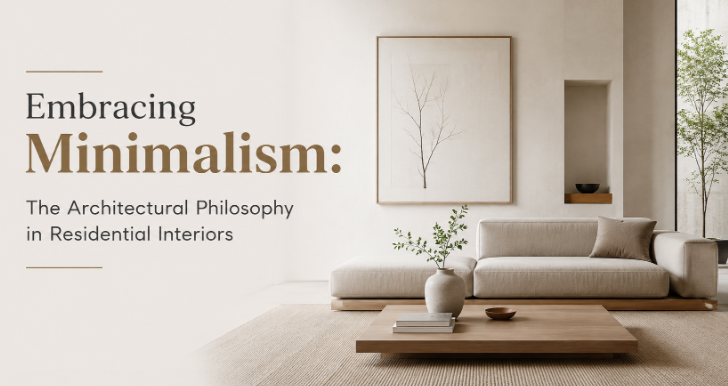


Understanding Minimalism in Architecture
Minimalism in architecture is a design philosophy that champions simplicity and functionality while striving to eliminate excess and superfluous elements. At its core, this architectural approach seeks to convey a sense of calmness and openness, emphasizing clean lines, uncluttered spaces, and a carefully curated selection of materials. The minimalist aesthetic is not just an expression of style, but rather a means to enhance the living experience by focusing on what truly matters in a space.
The historical context of minimalism can be traced back to the early 20th century, with movements such as the Bauhaus and De Stijl laying the groundwork for an architectural shift toward simplicity. These early proponents of minimalist principles aimed to merge art and functionality, ultimately influencing a generation of architects who sought to refine their designs to the essential elements. As time progressed, minimalist architecture gained popularity within the context of post-World War II design, where the need for efficient and practical living spaces became paramount.
Over the years, minimalism has evolved to impact residential interior design significantly. Today, it is characterized by a harmonious blend of materials, such as wood, stone, and glass, which are employed in their most authentic forms. The use of natural light and open floor plans further embodies this architectural philosophy, allowing interiors to breathe freely and enhancing spatial connections. Empirical studies suggest that minimalist environments can contribute to improved mental well-being by reducing visual noise and promoting tranquility.
This trajectory of minimalism has led to a contemporary renaissance in architecture, fostering a culture that values quality over quantity. As homeowners increasingly gravitate toward streamlined living, the principles of minimalist architecture encourage introspection about one’s possessions and the spaces they inhabit, leading to a more purposeful, serene way of life.
The Aesthetic Appeal of Minimalist Interiors
Minimalist architecture is renowned for its aesthetic strength, primarily characterized by clean lines and open spaces. This design philosophy removes unnecessary elements, focusing instead on what truly matters in a space. By doing this, the architecture fosters an environment that feels spacious and uncluttered, creating a sense of tranquility that is often sought after in residential interiors.
At the core of minimalist design is the effective use of form and function, where each element has a defined purpose. For instance, large windows are leveraged to maximize natural light, enhancing the atmosphere of openness. This strategic opening not only brings the outside in but also makes rooms feel larger and more inviting while maintaining a sense of clarity. The absence of excessive ornamentation ensures that each feature stands out, making the space feel harmonized and purposeful.
Color also plays a pivotal role in establishing the aesthetic appeal of minimalist interiors. A neutral palette, featuring shades of white, gray, and beige, is commonly employed to create a serene backdrop. This subtle use of color enhances the overall feeling of calmness, allowing the inhabitants to feel comfortable and relaxed within their living environment. Similarly, accent colors may be introduced sparingly, serving to highlight particular areas or pieces of furniture without overwhelming the senses.
Notable examples of minimalist designs, such as the works of Tadao Ando and John Pawson, showcase these principles effectively. Their use of simplicity, combined with an acute attention to detail, serves as a testament to the extraordinary beauty that can emerge from a minimalist approach to architecture. Through the integration of clean lines, open spaces, and a thoughtful color scheme, minimalist interiors provide not just a place to live but a sanctuary for the mind and soul.
Functional Spaces: The Heart of Minimalist Design
In minimalist residential interiors, functionality stands as the cornerstone of design philosophy. Each aspect of a space is intentionally curated to serve a specific purpose, thereby enhancing efficiency and practicality. This mindful approach results in living environments that not only look visually appealing but also cater to the everyday needs of their occupants.
One of the defining features of functional spaces in minimalism is the incorporation of multi-functional furniture. For example, a sofa bed serves dual purposes by functioning as both a comfortable place to sit during the day and a sleep space at night. Similarly, foldable tables or extendable dining furniture provide adaptability, transforming a small living area into a cozy dining space when needed. Such designs allow for maximum utility without compromising on aesthetic appeal.
Additionally, space-saving techniques are integral to the minimalist ethos. Built-in shelving and cabinetry can help to minimize clutter by utilizing vertical space, while dual-purpose areas, such as a kitchen that doubles as a workspace, eliminate the need for excess square footage. By carefully considering the use of each area, designers create environments that promote a sense of calm and order, free from the distractions of unnecessary furnishings.
Moreover, the choice of materials and finishes plays a pivotal role in reinforcing the functionality of a space. Durable and easy-to-clean materials not only support practical living but also contribute to the longevity of the design. The strategic use of color and light further enhances the perception of spaciousness, contributing to an overall feeling of openness.
In summary, functional spaces are crucial in establishing the essence of minimalist design within residential interiors. By prioritizing purpose in every element, these designs foster environments that are both practical and aesthetically pleasing, encouraging a lifestyle that values simplicity and efficiency.
Choosing Materials: The Minimalist Approach
In minimalism, the selection of materials plays a pivotal role in both the aesthetic and functional aspects of residential interiors. Minimalist architecture prioritizes simplicity and clarity, which is reflected in the choice of materials that echo these principles. Primarily, natural materials such as wood, stone, and metal are emphasized due to their organic qualities and inherent beauty. These materials not only evoke a sense of harmony with nature but also contribute to a calming environment, which is a core tenet of minimalist design.
Additionally, the adage “quality over quantity” resonates deeply within minimalist architecture. Rather than overwhelming spaces with numerous decorative elements, the focus shifts to a select few high-quality materials that provide endurance and elegance. This approach cultivates an atmosphere that is both sophisticated and understated, allowing the materials themselves to become integral components of the overall design while avoiding unnecessary clutter.
Moreover, sustainability increasingly influences the choice of materials in minimalist architecture. As environmental awareness grows, many architects and designers are seeking sustainable alternatives that do not compromise the minimalist ethos. The use of reclaimed wood, recycled metals, and low-impact finishes aligns with the philosophy of minimalism by promoting less waste and a smaller ecological footprint. These choices reinforce the minimalist desire for simplicity while also paving a way for a more environmentally conscious future.
Ultimately, the strategic selection of materials in minimalist residential interiors reflects deep-seated values of clarity, sustainability, and enduring beauty. By emphasizing natural and high-quality options, the minimalist approach not only enhances the visual appeal of spaces but also contributes significantly to the overall ambiance, reinforcing a sense of peace and tranquility.
The Role of Natural Light in Minimalist Interiors
Natural light plays an integral role in the philosophy of minimalism, particularly in residential interiors. The minimalist approach emphasizes simplicity and functionality, and the effective use of natural light can significantly enhance these principles. By prioritizing natural illumination, spaces can feel more expansive, inviting, and harmonious. This not only contributes to a pleasant atmosphere but also aligns with the minimalist ethos of reducing reliance on artificial lighting.
One of the most effective strategies for harnessing natural light is the incorporation of large windows. Expansive glass panels allow natural light to flood the interior, creating a seamless connection between the indoor environment and the outdoors. This technique helps to blur the boundaries between spaces, which is a favorable characteristic of minimalistic design. Additionally, the orientation of windows plays a crucial role, as positioning them toward the sun can optimize light exposure throughout the day.
Open layouts are another essential element in minimalist interiors that facilitate natural light access. By eliminating unnecessary walls and barriers, these layouts encourage airflow and enhance visual continuity, allowing light to travel freely within the space. Furthermore, reflective surfaces, such as polished floors, mirrors, and light-colored walls, can amplify the effects of natural light. These elements help disperse sunlight throughout the room, creating a bright and airy feel that elevates the minimalist aesthetic.
Ultimately, the thoughtful integration of natural light not only emphasizes the clean lines and uncluttered spaces emblematic of minimalism but also fosters an overall sense of well-being. This connection to the natural world can transform residential interiors into serene sanctuaries, reinforcing the timeless appeal of minimalist design.
Color Palettes: The Minimalist Spectrum
In the realm of minimalist interior design, color palettes play a pivotal role in establishing the essence of serenity and focus. Minimalism, often characterized by clean lines and uncluttered spaces, finds its visual voice through strategic use of color—predominantly neutral tones. Colors such as whites, grays, blacks, and earth tones dominate the minimalist spectrum. These shades not only create a seamless backdrop but also enhance the perception of space, making rooms feel larger and more open.
Neutral color palettes possess a unique psychological impact. The use of soft whites can evoke a sense of purity and cleanliness, encouraging feelings of calm and relaxation. Gray hues lend an atmosphere of sophistication, providing a versatile anchor that can complement various textures and materials. Furthermore, the integration of earthy tones, like beige and taupe, adds warmth, creating inviting spaces without overwhelming the senses. This choice of color scheme contributes to a cohesive aesthetic that resonates with the principles of minimalism, emphasizing functionality over ornate embellishments.
Practical examples of these neutral palettes can be observed in contemporary homes designed with minimalist principles. For instance, a living room featuring a light gray sofa paired with white walls and wooden accents embodies the minimalist ethos. The understated application of color harmonizes with the decor, promoting tranquility and focus. Likewise, a kitchen designed in shades of white and soft taupe fosters an environment conducive to culinary creativity while maintaining clarity and simplicity. By adhering to these neutral palettes, homeowners can curate spaces that encourage mindfulness and enable a clutter-free lifestyle.
Ultimately, the thoughtful selection of color in minimalist interiors is not merely an aesthetic choice; it is an essential element that influences mood and wellbeing.
Creating a Sense of Space: Open vs. Closed Layouts
In minimalist residential design, the layout is crucial to achieving the desired aesthetic and functional goals. Architects and designers typically grapple with the choice between open and closed layouts, each presenting distinct advantages within the context of minimalism. An open layout is characterized by large, undivided spaces that promote air circulation and natural light, fostering a sense of freedom and spaciousness. This design philosophy appeals to minimalism’s core principle of eliminating unnecessary partitions to create an uncluttered environment. Such layouts are particularly advantageous in smaller homes, where they can visually expand the space and reduce feelings of confinement.
Furthermore, open spaces cultivate social interaction, as family members and guests can move freely without barriers. The unobstructed views often highlight the simplicity and beauty of furnishings and decor, allowing the overall design to shine without distraction. This seamless flow between areas—such as the kitchen, dining, and living spaces—enhances functionality while embodying the minimalist ethos of connectivity and harmony.
However, it is vital to acknowledge that not all residential environments benefit from an entirely open layout. The necessity for privacy remains a crucial consideration in design. Enclosed spaces can serve important functions, including private retreats for relaxation or areas conducive to focused work. For instance, a minimalist home office or a private bedroom is essential for individual productivity and rest, counterbalancing the openness of communal areas. Therefore, a harmonious blend of open and closed designs may be the most effective strategy in minimalist architecture. By thoughtfully integrating both concepts, homeowners can create environments that not only champion spaciousness but also prioritize comfort and privacy, ultimately achieving a balanced and functional living space.
Incorporating Technology in Minimalist Homes
In the context of minimalist architecture, the integration of technology offers numerous advantages that align perfectly with the philosophy of simplicity and functionality. Modern minimalist homes have begun to embrace smart technology, not merely as a luxury but as a means to enhance both the living experience and the inherent design principles. The marriage between minimalism and high-tech solutions fosters a seamless, efficient, and harmonious environment.
One key advantage of integrating technology into minimalist residences is energy efficiency, which serves the dual purpose of utility savings and environmental sustainability. Smart thermostats, energy-efficient lighting systems, and automated shades are just a few examples of technologies that can be employed. These features allow homeowners to maintain temperature and lighting levels effectively while consuming less energy, thereby supporting a minimalist ethos, which advocates for mindful consumption and sustainability.
Moreover, advanced home automation systems enable residents to control and monitor their environments effortlessly, promoting convenience without clutter. This kind of technological incorporation typically aligns with the aesthetic of minimalist design, which prioritizes clean lines, open spaces, and essential elements. For instance, hidden wiring and integrated systems allow for a more organized aesthetic, minimizing visible equipment while maximizing functionality.
For those who champion simplicity, technology can simplify daily routines. Home assistants and integrated sound systems reduce the need for multiple devices, thereby contributing to the uncluttered look of minimalist interiors. The convenience provided by smart technology fosters a lifestyle that is not only easier but also reflects the core principles of minimalism: elegance, thoughtful design, and purposefulness in every element of a home.
Challenges and Critiques of Minimalism in Residential Architecture
Despite the alluring simplicity and functional benefits of minimalism in residential architecture, this design philosophy is not without its challenges and critiques. One of the most significant concerns is the perception of coldness and sterility. Minimalist interiors, characterized by their stripped-back aesthetics and lack of decorative elements, can sometimes create a sense of detachment. Homeowners seeking warmth and personality may find that overly minimalist environments fail to foster the comfort typically associated with a warm, inviting home.
Moreover, minimalism can unwittingly contribute to the paradox of consumerism. While it promotes the idea of reducing possessions and prioritizing quality over quantity, the movement can lead some individuals to invest heavily in expensive minimalist items, thus counteracting its intended ethos. High-end minimalist furniture and decor often come with elevated price tags, leading to a situation where, in the quest for simplicity, individuals end up purchasing more out of a desire to fulfill the minimalist ideal than out of genuine necessity.
Additionally, the strict adherence to minimalist principles can sometimes create overly sterile environments that lack character and warmth. Spaces designed under the minimalist philosophy may neglect the personal touches and eclectic elements that often give a home its unique identity. As a result, while these environments may initially appear visually appealing, they might feel lifeless or unwelcoming, making it essential for designers and homeowners to strike a balance between minimalism and personal expression.
In conclusion, while minimalism offers a compelling approach to residential architecture, it brings with it certain challenges and critiques. Addressing these concerns requires a thoughtful approach, ensuring that spaces remain functional, inviting, and personalized while embracing the core tenets of minimalist design.