


Introduction to Technology in Education
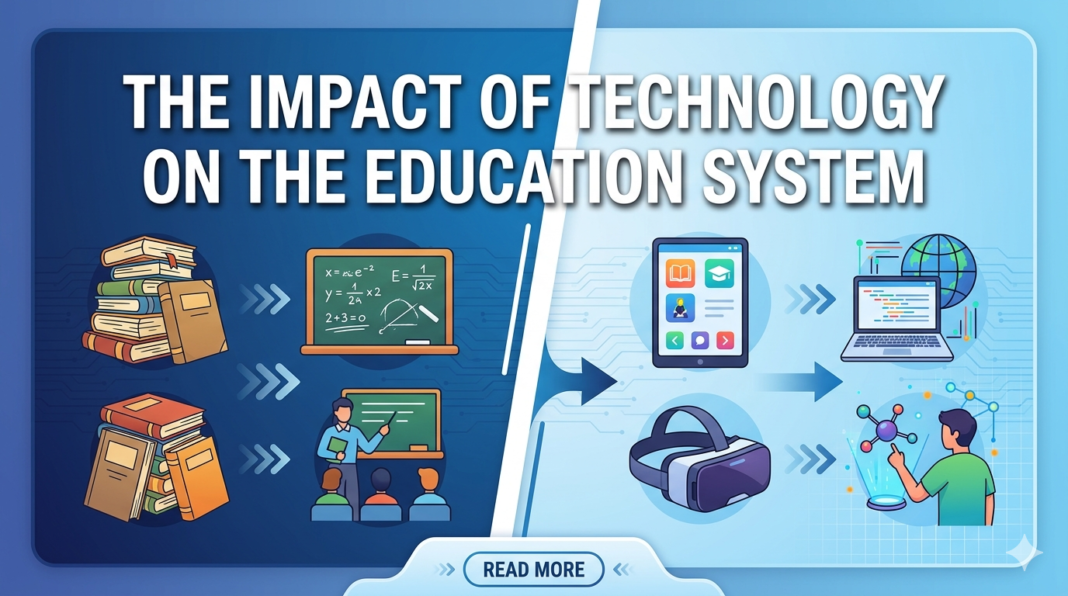
The role of technology in the education system has transformed dramatically over the past few decades. Initially, technology was merely a supplementary tool within the classroom, but it has increasingly become a fundamental component of the educational experience. This evolution has been driven by rapid advancements in digital tools and resources, which have reshaped how educators approach teaching and learning.
In the past, educational technology was limited to overhead projectors and basic multimedia presentations. However, the advent of the internet and personal computing has introduced a wide array of platforms and applications designed specifically for educational purposes. Today, students have access to online courses, learning management systems, and a multitude of educational apps that personalize the learning journey, making it more engaging and effective.
Furthermore, technology facilitates collaboration among students and educators through various online platforms, allowing for real-time communication and shared resources. The inclusion of tools such as interactive whiteboards, smart devices, and virtual reality in classrooms enhances interactivity and provides immersive learning experiences. These developments not only make lessons more compelling but also cater to diverse learning styles, ensuring all students can benefit from the curriculum.
The COVID-19 pandemic emphasizes the necessity of technology in education. As schools transitioned to remote learning, many institutions had to confront the challenges and opportunities presented by online education. This shift has highlighted the importance of integrating technology comprehensively into the educational framework, making it a crucial aspect of teaching and learning processes. As we continue to explore the potential of technology in education, it becomes increasingly clear that its relevance in the classroom is not just a passing trend but an essential evolution for the future of learning.
Enhanced Learning Experiences
Technology plays a transformative role in enhancing learning experiences within the education system. One of the most significant advancements has been the introduction of interactive learning tools and platforms. These tools engage students in ways that traditional methods may not, allowing them to participate actively in their educational journey. For instance, interactive simulations can provide practical experiences in a virtual environment, making complex concepts more tangible and easier to understand.
In addition to interactive tools, the integration of multimedia resources into the classroom enriches students’ educational experiences. Videos, podcasts, and digital presentations cater to various learning styles, offering visual, auditory, and kinesthetic avenues for knowledge absorption. By employing diverse multimedia formats, educators can capture the attention of students more effectively, fostering a deeper understanding and retention of primary subjects.
Moreover, personalized education has gained substantial ground through the use of adaptive learning technologies. These systems utilize data and algorithms to tailor the educational experience to the individual needs of each student. By assessing a learner’s performance and preferences, adaptive technologies can modify content delivery, ensuring that students receive instruction that aligns with their unique learning pace and style. This individualized approach promotes academic growth and prevents students from falling behind.
Ultimately, the incorporation of technology into the education system significantly elevates the learning experiences of students. Through interactive learning, engaging multimedia, and personalized educational pathways, technology not only complements traditional teaching methods but also prepares students for a future shaped by constant technological advancements. This evolution in education serves to empower learners, equipping them with the skills and knowledge necessary to thrive in an increasingly complex world.
Access to Information and Resources
In the contemporary educational landscape, technology serves as a pivotal conduit through which students and educators gain access to a vast array of information and resources. The advent of the internet has fundamentally transformed the ways in which learners engage with educational content, providing them with unprecedented opportunities for research and inquiry.
Online libraries and educational databases are prime examples of how technology facilitates the democratization of knowledge. These digital repositories house an extensive collection of books, academic journals, articles, and other scholarly materials that were once available only through physical libraries. Now, with just a few clicks, students can access a wealth of information that can enhance their learning experiences. This accessibility promotes self-directed learning, allowing individuals to tailor their research according to their specific needs and interests.
Moreover, the internet plays a crucial role in fostering collaborative learning. Through various online platforms, educators and students can share resources, engage in discussions, and participate in collaborative projects, regardless of geographical barriers. This interconnectedness not only enhances the learning process but also nurtures a global perspective among students, preparing them for a world that is increasingly interconnected.
Additionally, technology enables access to educational resources that cater to diverse learning styles and disabilities. Various learning tools and applications are designed to support students with different needs, ensuring that every learner has the opportunity to thrive. This technology inclusivity is vital in creating an equitable educational environment where all students can benefit from the same resources.
In summary, the integration of technology into the education system significantly enhances access to information and resources. By leveraging online libraries, educational databases, and the internet, both educators and learners are better equipped to navigate the vast landscape of knowledge that is available today.
Collaboration and Communication
Technology has significantly transformed the educational landscape, especially in enhancing collaboration and communication among students and educators. With the advent of various digital tools, learning environments have become more interactive and inclusive. These innovations foster a culture of collaboration where students can engage in group work and peer interaction from different geographical locations.
Collaboration tools such as Google Workspace, Microsoft Teams, and Slack enable real-time communication and document sharing. These platforms allow students to work together seamlessly on projects, facilitating a more hands-on learning experience. By utilizing these tools, students can contribute their ideas and feedback, enhancing their understanding of the subject matter while developing essential skills such as teamwork and problem-solving.
Moreover, video conferencing technology, exemplified by platforms like Zoom and Microsoft Teams, enables virtual classrooms where teachers and students can interact face-to-face, despite being physically apart. This approach not only keeps the educational experience engaging but also allows for immediate feedback and clarification during discussions. The use of video conferencing has become especially prevalent during challenging times, ensuring that learning continues uninterrupted.
Online forums and discussion boards further enhance communication by providing platforms for students to engage with their peers and instructors asynchronously. Here, they can post questions, share resources, and discuss ideas, thereby creating a collaborative learning environment. By participating in these discussions, students can benefit from diverse perspectives, enriching their learning experience and fostering critical thinking.
In summary, technology plays a crucial role in promoting collaboration and communication within the education system. By leveraging various tools and platforms, students and teachers are better equipped to interact, share ideas, and learn collectively, ultimately fostering a more engaging and productive educational experience.
Challenges of Integrating Technology
The integration of technology within the education system presents several challenges that educators, administrators, and policymakers must address. One of the most significant hurdles is the digital divide, which refers to the gap between individuals who have access to digital technology and those who do not. This disparity often results from economic differences, where students from lower-income households may lack access to necessary devices and reliable internet connectivity. This inequity can lead to significant gaps in learning opportunities and academic performance, negatively impacting students’ overall educational experience.
Another critical challenge is the need for comprehensive teacher training. While modern technology holds the promise of enhancing learning experiences, teachers must possess the skills and knowledge to effectively implement these tools in their classrooms. Many educators may feel overwhelmed by the prospect of learning new technologies, particularly if they have not received sufficient professional development. Educational institutions, therefore, must prioritize ongoing training initiatives to empower teachers, ensuring they can confidently incorporate technology into their lesson plans.
Furthermore, potential distractions posed by technology is another concern in the education sector. While devices can serve as valuable educational tools, they can also lead to off-task behavior if students become preoccupied with non-educational content. This situation emphasizes the importance of creating a balanced approach that encourages focused learning while allowing the responsible use of technology. To mitigate these distractions, educators can establish clear guidelines for technology use in the classroom and promote digital citizenship among students.
In response to these challenges, educational institutions are exploring various solutions, including expanding internet access, investing in teacher training programs, and implementing policies that promote responsible tech usage. By addressing these issues proactively, the education system can leverage the potential of technology while minimizing its drawbacks.
Assessment and Evaluation through Technology
In recent years, technology has significantly transformed assessment and evaluation practices within the education system. Traditional methodologies often involved paper-based tests and manual grading, which had limitations in terms of efficiency and immediate feedback. The introduction of online testing methods has revolutionized the approach to evaluating student performance. These digital platforms facilitate diverse forms of assessment such as quizzes, multiple-choice questions, and simulations that can be customized to assess specific skills or knowledge areas.
One of the key advantages of utilizing technology in assessment is the provision of real-time feedback. Students can receive instantaneous results on their performance, which allows them to identify areas of strength and weakness almost immediately. This immediate short-term feedback loop enhances the learning process as students can quickly adjust their study habits and focus on the topics that require additional attention. Moreover, real-time feedback encourages students to take ownership of their learning, fostering a more proactive learning environment.
Additionally, the integration of data analytics within educational technology platforms has provided educators with deeper insights into student performance trends. Through data analysis, teachers can identify patterns in student assessments, which helps in tailoring instruction to meet individual learning needs. By assessing data points such as test scores, participation rates, and progression metrics, educators can effectively evaluate not only students’ academic achievements but also their engagement levels. Such analytics inform instructional strategies and contribute to creating a more personalized learning experience.
Overall, technology has brought about a paradigm shift in the assessment and evaluation processes within the education system. By moving towards online testing, providing real-time feedback, and leveraging data analytics, educators are now equipped to enhance their understanding of student performance, thereby improving educational outcomes.
The Role of Artificial Intelligence in Education
The rapid evolution of artificial intelligence (AI) is significantly transforming the education landscape by providing innovative solutions tailored to the needs of both students and educators. AI-driven technologies are developing at unprecedented rates, resulting in various applications that enhance learning experiences and improve educational outcomes. One of the most notable advancements in AI within education is the creation of personalized learning pathways. These pathways utilize AI algorithms to analyze individual student data, enabling the customization of curriculum and resources to cater to each learner’s unique pace, strengths, and preferences.
Another groundbreaking application of AI is the introduction of AI tutors. These digital entities can offer immediate support to learners outside the traditional classroom setting, providing explanations, answering queries, and delivering practice exercises based on specific student requirements. AI tutors are especially beneficial in large classes, where individual attention may be hard to achieve. By augmenting the educational framework, these AI tools assist educators in recognizing patterns and learning styles, thus empowering them to tailor their instructional methods accordingly.
Machine learning, a crucial subset of artificial intelligence, further aids educators in understanding student needs. By analyzing vast amounts of educational data, machine learning algorithms can identify trends in student performance, engagement levels, and content preferences. This insight enables teachers to make data-driven decisions and adopt strategies that foster an inclusive and effective learning environment. Moreover, predictive analytics can identify students who may be at risk of underachieving, allowing for timely interventions.
In conclusion, the integration of artificial intelligence within the education system promises a future where personalized learning experiences are the norm rather than the exception, enhancing educational accessibility and effectiveness.
Future Trends in Educational Technology
The evolution of technology has significantly transformed the landscape of education, introducing various innovations that continue to shape learning experiences. Among the most promising advancements is the integration of virtual reality (VR), which offers immersive learning environments where students can engage with content in a three-dimensional space. This technology has the potential to revolutionize subjects such as history, science, and geography, where learners can virtually explore ancient civilizations or conduct experiments in simulated laboratories. As VR becomes more accessible, the expectation is that more educational institutions will adopt it to enhance engagement and retention.
Another notable trend is gamification, which applies the principles of game design in educational contexts to foster motivation and participation among students. By incorporating elements such as points, badges, and leaderboards into the curriculum, educators can create interactive learning experiences that encourage students to achieve their educational goals. Gamification not only makes learning more enjoyable but also addresses various learning styles, allowing for a more personalized approach to education. Its potential impact lies in enhancing both student engagement and academic performance.
Additionally, the rise of artificial intelligence (AI) in education has opened avenues for personalized learning experiences. AI can analyze individual student learning patterns, providing tailored resources and support that cater to their unique needs. Through adaptive learning software, educators can identify areas where students struggle and offer targeted interventions to help them succeed. As these technologies evolve, they hold the potential to create a more inclusive and effective education system.
Overall, as we look forward to the future of technology in education, trends such as virtual reality, gamification, and artificial intelligence promise to redefine teaching and learning processes. Educators and institutions that leverage these innovations are likely to create more dynamic and effective learning environments for all students.
Conclusion and Reflection
In this discussion, we have examined the multifaceted impact of technology on the education system, highlighting both its advantages and challenges. The integration of technology in the classroom has transformed traditional teaching methodologies, offering innovative learning experiences that enhance student engagement and accessibility to information. Digital tools, such as interactive software and online resources, have provided educators with the ability to personalize instruction, catering to diverse learning styles and needs. This shift towards technology-driven education has transformed the landscape, making learning more dynamic and inclusive.
However, it is crucial to acknowledge the associated challenges that come with this integration. Issues such as the digital divide, where students from lower socioeconomic backgrounds may lack access to necessary technology, pose significant obstacles. Moreover, over-reliance on technology can lead to diminished critical thinking skills and reduced face-to-face interactions among students, potentially undermining the development of essential social skills. As such, educators must remain vigilant and consider a balanced approach when implementing technology in their teaching practices.
Reflecting on the current educational climate, it becomes evident that technology is not merely an addition to the learning environment, but rather a vital component that requires careful consideration. The challenge lies in leveraging the benefits of technology while addressing its drawbacks. By fostering an environment where technology serves as a supplement to traditional educational methods rather than a replacement, we can optimize the learning experience. Future educational strategies must prioritize equity in access, ongoing professional development for teachers, and the creation of curricula that effectively blend technology with core educational principles.
Ultimately, the impact of technology on the education system is profound and cannot be overstated. Its thoughtful integration holds the potential to enhance learning outcomes and prepare students for a rapidly changing world. A continuous reflection on best practices and careful implementation will be key in navigating this evolving educational landscape.