
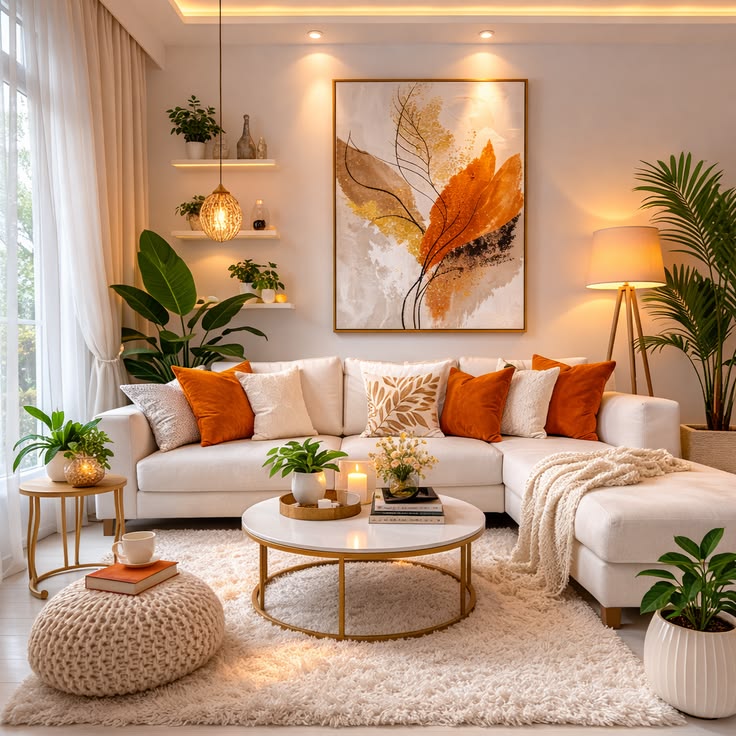


Understanding the Importance of a Relaxing Home Atmosphere
Creating a relaxing home atmosphere is not merely about aesthetics; it plays a pivotal role in enhancing one’s mental and emotional well-being. A serene environment provides a sanctuary away from the stresses of daily life, promoting relaxation and reducing anxiety. Numerous studies have shown that a tranquil home can significantly influence our mood, productivity, and overall quality of life.
One of the primary psychological effects of a chaotic environment is the overwhelming feeling of stress. Cluttered spaces often lead to feelings of confusion and distraction, which can exacerbate anxiety. When individuals are surrounded by disorder, it can create a subconscious sense of urgency or pressure. In contrast, a well-organized and peaceful home can foster a sense of calm and allow individuals to focus on the things that truly matter. The presence of open spaces and an organized environment encourages clarity of thought and enhances concentration.
Moreover, the colors and designs within a home contribute significantly to the overall mood it conveys. Warm, neutral tones and soft textures can create an inviting atmosphere that encourages relaxation. Natural elements like plants and calming scents from essential oils or candles are also effective in reducing stress levels and promoting emotional healing. By integrating these elements, individuals can craft a personal sanctuary that nurtures the mind.
Incorporating a relaxing atmosphere in the home is foundational for improving one’s mental health. It acts as a buffer against the chaos of life and serves as a vital source of comfort and stability. Prioritizing a serene living space can lead to a happier and more fulfilling life, making it fundamentally important to understand this aspect of home design and functionality.
Identifying Your Personal Relaxation Needs
Creating a genuinely relaxing home environment begins with understanding your unique preferences and requirements for relaxation. Each individual’s path toward tranquility is influenced by various factors, ranging from personal interests to sensory experiences. To begin this assessment, consider what activities promote relaxation for you personally. Do you find solace in engaging in yoga, reading, listening to music, or perhaps indulging in a warm bath? Identifying these activities can help you design a space that encourages and supports such endeavors.
Next, reflect on the sensory experiences that you enjoy. Certain sounds, scents, and visual elements can significantly influence your state of calm. For instance, some may find the gentle sound of flowing water soothing, while others may prefer the subtle flickering of candlelight or the refreshing aroma of essential oils. Taking the time to note down these preferences can aid in choosing décor, lighting, and sound systems that align with your sensory inclinations.
Additionally, consider how you utilize different areas in your home. Recognizing your habits in spaces such as your living room, bedroom, or garden can provide insight into how you can optimize these environments for relaxation. Perhaps you need a designated reading nook, a meditation space, or a comfortable area for gathering with loved ones. Understanding your home’s layout and function in conjunction with your relaxation preferences will empower you to create tailored environments that enhance your overall well-being.
Incorporating your findings into a cohesive plan can facilitate a more harmonious atmosphere. This self-reflection process is vital as it allows you to create spaces that genuinely resonate with your desires for tranquility and help you recharge effectively.
Choosing Soothing Colors and Decor
Creating a relaxing home atmosphere begins with the thoughtful selection of colors and decor. The concept of color psychology suggests that the hues we choose can significantly affect our mood and overall well-being. For example, soft shades of blue and green are often associated with tranquility and calmness, making them excellent choices for areas designated for relaxation.
Incorporating these colors into your living space can be achieved through paint, furniture, and accessories. A pale blue or muted green accent wall can instantly transform your environment, promoting a sense of peace. Complement these colors with neutral tones like beige, gray, or white, which can serve to balance the palette and provide a soothing backdrop.
Beyond wall colors, consider integrating soft textiles that embody comfort and warmth. Fabrics such as cotton, linen, and wool can enhance the sensory experience of your home. Plush throw pillows, cozy blankets, and curtains in soft hues can create layers of comfort while continuing the narrative of tranquility. The tactile quality of these materials also contributes to a relaxing atmosphere.
Natural materials play a pivotal role in fostering a serene environment. Wood, stone, and plants can create a connection to nature that is inherently calming. Incorporating wooden furniture or stone accents can add warmth and grounding elements to your space. Furthermore, indoor plants not only improve air quality but also add a vibrant touch of life and color that uplifts any room.
Minimalist design principles, characterized by simplicity and functionality, can also help promote relaxation. By decluttering your space and focusing on essential decor pieces, you can create an environment that feels open and inviting. Opt for decor that reflects your individual style yet remains calming—think of artwork with soft imagery or sculptural pieces made from organic materials.
In conclusion, the thoughtful selection of colors and decor is integral to creating a relaxing home atmosphere. By utilizing soothing colors, comfortable textiles, natural materials, and minimalist design, you can transform your space into a sanctuary of calm and tranquility.
Incorporating Nature Indoors
The integration of natural elements within our living spaces has gained significant attention due to its mental health benefits and contribution to creating a relaxing home atmosphere. One of the most straightforward ways to bring nature into your home is by introducing houseplants. These living organisms not only add vibrant colors and textures but also improve indoor air quality, uplifting the mood of inhabitants. Additionally, plants have been shown to reduce stress and promote a sense of tranquility, making them an ideal addition to any room.
Another essential element in fostering a nature-inspired environment is maximizing natural light. Natural light enhances the ambiance of a space, promoting alertness during the day and relaxation in the evening. Utilizing sheer curtains or strategically placing mirrors can help reflect light and brighten up the room, creating an inviting atmosphere that mimics the outdoors.
Furthermore, nature-inspired decor can play a vital role in incorporating an organic feel into your home. Selecting furnishings and artwork that draw inspiration from natural forms—such as wood, stone, and botanical prints—can seamlessly blend indoor spaces with the beauty of the outside world. By utilizing a palette of earth tones and textures, homeowners can evoke the calming essence of nature throughout their living areas.
The principles of biophilic design emphasize the innate human desire to connect with nature, suggesting that environments conducive to this connection can enhance well-being and clarity. Incorporating elements of nature indoors does not require extensive renovations; simple adjustments can significantly impact a home’s overall atmosphere. By thoughtfully integrating houseplants, utilizing natural light, and embracing nature-inspired decor, one can create a serene environment that nurtures both body and mind.
Creating Calm Spaces through Layout and Organization
To cultivate a relaxing home environment, the arrangement of furniture and decor plays a crucial role in shaping the atmosphere of each room. Carefully considering the layout can transform areas into calm spaces that promote relaxation and well-being. One essential strategy is to declutter. A cluttered space can evoke feelings of stress and chaos; hence, it’s advisable to begin by removing unnecessary items from your surroundings. This not only creates a cleaner visual but also aids in fostering a mental state conducive to tranquility.
Once decluttering is addressed, the next step involves organizing furniture and decorative elements in a manner that enhances comfort and flow. For instance, in bedrooms, positioning the bed away from the door can instill a sense of safety, while using soft, warm lighting can create a serene ambiance. In living rooms, arranging seating to facilitate conversation without obstruction can enhance social interaction while simultaneously cultivating a cozy atmosphere. Opting for furniture with rounded edges can promote a feeling of softness and approachability, further enhancing the relaxing vibe.
Moreover, creating cozy nooks can significantly elevate the calmness of your home. Consider designating a reading corner with a comfortable chair, adjustable lighting, and a small bookshelf. Such spaces encourage leisurely activities, providing residents an opportunity to unwind amidst their busy lives. Incorporating elements such as throw blankets, cushions, and indoor plants can also contribute immensely to creating serene environments. Indoor plants, specifically, not only purify the air but also introduce a touch of nature, promoting relaxation and reducing stress levels.
In conclusion, the physical arrangement of furniture and decor significantly influences a home’s atmosphere. By focusing on decluttering, thoughtful organization, and the creation of inviting spaces, one can foster a calming environment that nurtures relaxation and well-being.
Selecting Soothing Scents
The power of scent in cultivating a relaxing home atmosphere cannot be overstated. Aromas play a significant role in influencing our emotions and can create a serene environment conducive to rest and relaxation. One of the most effective ways to introduce soothing scents into your home is through the use of therapeutic essential oils. Oils such as lavender, chamomile, and sandalwood are known for their calming properties. They can be diffused throughout the space or added to bathwater for a tranquil experience, promoting a sense of inner peace.
Additionally, incense can offer a traditional method of enhancing your home’s ambiance. Various types of incense, such as sage or sandalwood, can provide a grounding effect that resonates well in contemporary as well as traditional homes. Burning incense not only fills the air with delightful fragrances but can also help cleanse the space from negative energy, making way for a more tranquil environment.
Scented candles also serve as an excellent option for setting a relaxing tone in your living space. They allow for a dual purpose—creating a cozy atmosphere while simultaneously releasing beautifully captivating fragrances. Opting for candles made from natural materials, like soy or beeswax, ensures that the scents are not overpowered by artificial additives, resulting in a more authentic olfactory experience. Aromatic candles featuring scents such as vanilla, jasmine, or eucalyptus can help induce a sense of calm and relaxation.
Lastly, incorporating natural fragrances from plants, herbs, and flowers can greatly enhance the soothing aura of your home. Fresh greenery not only beautifies the space but some plants, such as jasmine or gardenia, emit relaxing scents that contribute to a peaceful atmosphere. By thoughtfully selecting these scents and ensuring they resonate with your personal sense of calm, you can skillfully create an environment that invites tranquility and promotes relaxation.
Incorporating Relaxation and Mindfulness Practices
Creating a relaxing home atmosphere involves not only the physical environment but also the practices that individuals engage in within that space. These practices can significantly enhance one’s ability to unwind and reduce stress. Among the various methods available, meditation, yoga, and quiet reading stand out as beneficial activities that encourage relaxation and mindfulness.
Designating specific areas in your home for these practices can elevate the overall experience of tranquility. For meditation, consider a corner that is free from distractions, filled with soft cushions or a comfortable chair. This space can be further enhanced with calming elements such as plants, scented candles, or incense, which contribute to a serene atmosphere. Creating a commitment to a daily meditation routine can aid in fostering a deeper connection with oneself, promoting relaxation in both mind and body.
Yoga is another powerful practice that combines physical movement with mindfulness, encouraging relaxation through breath control and meditation. A designated yoga space in your home can include a yoga mat, blocks, and straps, along with soft music or nature sounds playing in the background. This setting not only promotes relaxation but also creates an inviting environment that inspires regular practice.
For those who find solace in quiet reading, establishing a cozy reading nook can be immensely beneficial. Utilize soft lighting, such as a warm lamp or natural light from a window, to enhance focus and relaxation. Surrounding this space with shelves of books and comfortable seating can turn a simple activity into a cherished ritual that promotes mindfulness.
Incorporating elements like soothing sounds—be it through nature recordings or gentle instrumental music—and soft lighting into these designated areas will further promote a calming ambiance, making your home a true sanctuary for relaxation.
Utilizing Soft Lighting and Ambiance
Lighting plays a critical role in shaping the mood of any home, influencing both aesthetics and functionality. Utilizing soft lighting can dramatically transform a room into a serene sanctuary, making it conducive for relaxation and unwinding after a long day. Soft lighting typically involves the use of warm tones and indirect illumination, which fosters a cozy environment.
One of the simplest yet effective ways to incorporate soft lighting is through the use of lamps with fabric shades or LED bulbs that emit warm white light. These fixtures provide an ambient glow that can reduce harsh shadows and create a welcoming atmosphere. Incorporating multiple light sources, such as floor lamps, table lamps, and wall sconces, can also help distribute light evenly throughout a room, enhancing the overall ambiance.
Dimmers are another innovative solution that allows homeowners to adjust the light intensity according to their preferences and specific activities. By installing dimmable switches, one can easily transition from bright lighting suitable for tasks to softer lighting ideal for relaxation. This adaptability not only optimizes functionality but also contributes to energy efficiency, as it enables users to reduce power consumption when full brightness is unnecessary.
Additionally, consider utilizing decorative string lights or LED candles to add an enchanting element to the space. These subtle lighting options not just provide illumination but also introduce a layer of visual texture that complements the decor. Incorporating smart lighting systems enables you to customize and schedule lighting settings remotely, further enhancing the controllability of your home’s atmosphere.
In essence, by thoughtfully integrating soft lighting solutions and adjustable ambiance options, you can cultivate a warm and inviting home environment, promoting relaxation and comfort for all who enter.
Maintaining Your Relaxing Atmosphere
Creating and nurturing a relaxing home atmosphere is an ongoing endeavor that benefits from consistent attention and care. One of the most crucial aspects of sustaining this tranquil environment is regular decluttering. Over time, items accumulate, which can disrupt the peaceful ambiance you have worked to establish. Scheduling routine decluttering sessions allows you to eliminate unnecessary items and keep only what resonates with your personal space.
As your tastes and preferences evolve, updating your decor is equally important. Incorporating new elements that reflect your current style can reinvigorate your surroundings and align the space with your inner sensibilities. This could mean changing the color scheme, introducing new textures, or simply rotating artworks. Such variations not only keep the home exciting but also enhance the calming effect that fresh decor can provide.
Moreover, it is essential to set aside dedicated time to refresh the atmosphere regularly. This practice ensures that you maintain a serene and comfortable environment. Consider engaging in activities that promote relaxation, such as rearranging furniture, adding plants, or incorporating soothing scents via candles or essential oils. Taking moments to engage with your surroundings can foster a deeper connection to your home, allowing it to remain a personal sanctuary.
In conclusion, sustaining a calming home atmosphere involves a combination of decluttering, updating decor, and making a conscious effort to refresh the environment. By implementing these strategies, you can ensure that your home remains a peaceful haven that evolves with you over time, consistently promoting relaxation and tranquility.