
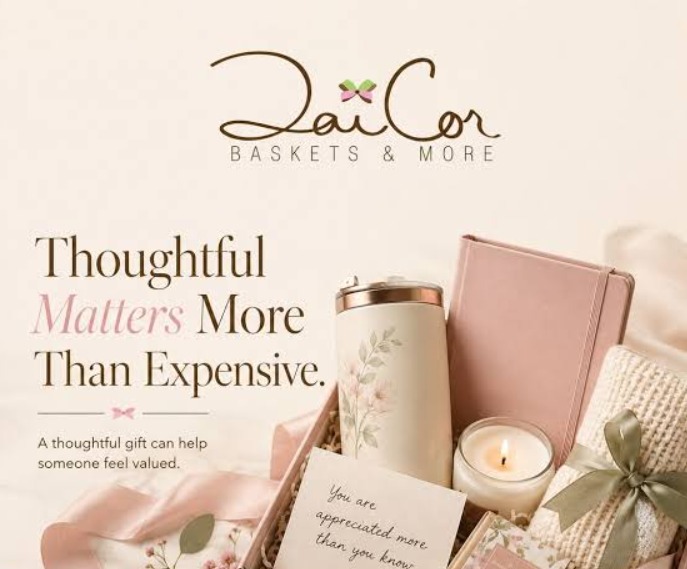


A few years back, I watched someone open two gifts at the same party. One was an expensive leather bag. The other was a used paperback with a note scribbled inside the cover, referencing an inside joke from years earlier. She thanked the bag politely and moved on. She cried a little over the book. That’s the whole argument, really. Price and meaning are not the same currency.
What Actually Makes a Gift Feel Thoughtful
A thoughtful gift has a reason behind it — not a receipt behind it. Before you buy anything, sit with a few questions:
- What does this person actually enjoy, not what do they say they enjoy on Instagram?
- Does this connect to something you’ve shared — a trip, a joke, a hard year?
- Would they use it, or would it sit in a drawer looking expensive?
People notice when a gift reflects who they are. Someone who hosts dinners every other weekend will remember a bottle that made the evening better. Someone who marks every anniversary with a small ritual will remember that you understood the ritual mattered, not just the date.
Price Doesn’t Create Meaning. Attention Does.
An expensive gift can land well. It can also land flat, if there’s no connection behind it. I’ve seen both happen at the same table.
So instead of asking “how much should I spend,” ask “what would this person actually appreciate.” It’s a small shift in the question, but it changes the whole shopping trip.
When a Gift Becomes Part of the Moment
Some gifts work because they don’t just sit on a shelf — they become part of the evening itself. Champagne does this well. It shows up at anniversary dinners, wedding toasts, birthday tables, the odd Tuesday that turned into a celebration for no particular reason.
For someone who already loves classic Champagne — the kind of person who has opinions about it, who orders it by name at a restaurant — Veuve Clicquot tends to be a safe, well-loved choice. It’s not flashy for the sake of being flashy. It’s familiar in a good way, and that familiarity reads as thoughtful when you know the recipient’s taste runs traditional. If that sounds like them, you can explore the options.
For a genuine milestone — a 50th birthday, a 25th anniversary, a promotion someone worked years toward — the gift can afford to feel bigger. Dom Pérignon fits that kind of occasion. It’s the bottle you don’t open on a random Friday; you save it, which is part of why it works as a milestone gift. Worth a look if the occasion calls for it: discover the gift selections.
For the person who never celebrates alone — the one who turns a Tuesday into a dinner party — Moët & Chandon tends to fit naturally. It’s the bottle that gets passed around a table, poured into too many glasses, photographed mid-laugh. If your recipient is that kind of host, take a look at the gifting range.
None of these are the “right” choice by default. The right one is whichever matches how the person actually celebrates.
Small Details Carry More Weight Than People Expect
You don’t need a bigger budget to make a gift feel personal. A few things that cost nothing but change everything:
- A handwritten note instead of a printed card
- A line about why you picked this specific thing
- Wrapping that matches the occasion instead of whatever paper was in the drawer
I still have a card from a friend that just said, “Because you never buy this for yourself.” Four words. I remember it more clearly than the gift.
Premium and Thoughtful Aren’t Opposites
Being thoughtful doesn’t mean staying cheap on principle. Spending more makes sense when the product actually fits the person and the moment — the price should support the choice, not be the choice.
A premium bottle of Champagne can be exactly right for someone who already loves it, or who’s marking something that deserves the extra weight. That same bottle might miss entirely for someone whose taste runs elsewhere. Knowing the person comes before knowing the price tag.
A Quick Way to Think It Through
- What’s the occasion, really? A thank-you and a wedding anniversary don’t need the same energy.
- Who are they, not who are gift-guides assuming they are? Their actual habits and taste matter more than the category they fall into.
- Will this become part of an experience, or just an object? Things that get used in a moment tend to be remembered longer than things that get displayed.
- Add the personal touch. A note, a reason, a memory referenced.
- Set a budget you’re comfortable with — then stop treating it as the main decision.
Why People Remember Thoughtful Gifts Longer
Ask someone about a gift they loved, and they rarely lead with the price. They lead with the moment — the anniversary dinner where the Champagne got poured a little too generously, the note that mentioned something they thought no one else remembered.
That’s the part that lasts. Not the receipt.
So next time you’re choosing a gift, skip the price tag question first. Start with the person. The rest tends to follow.