
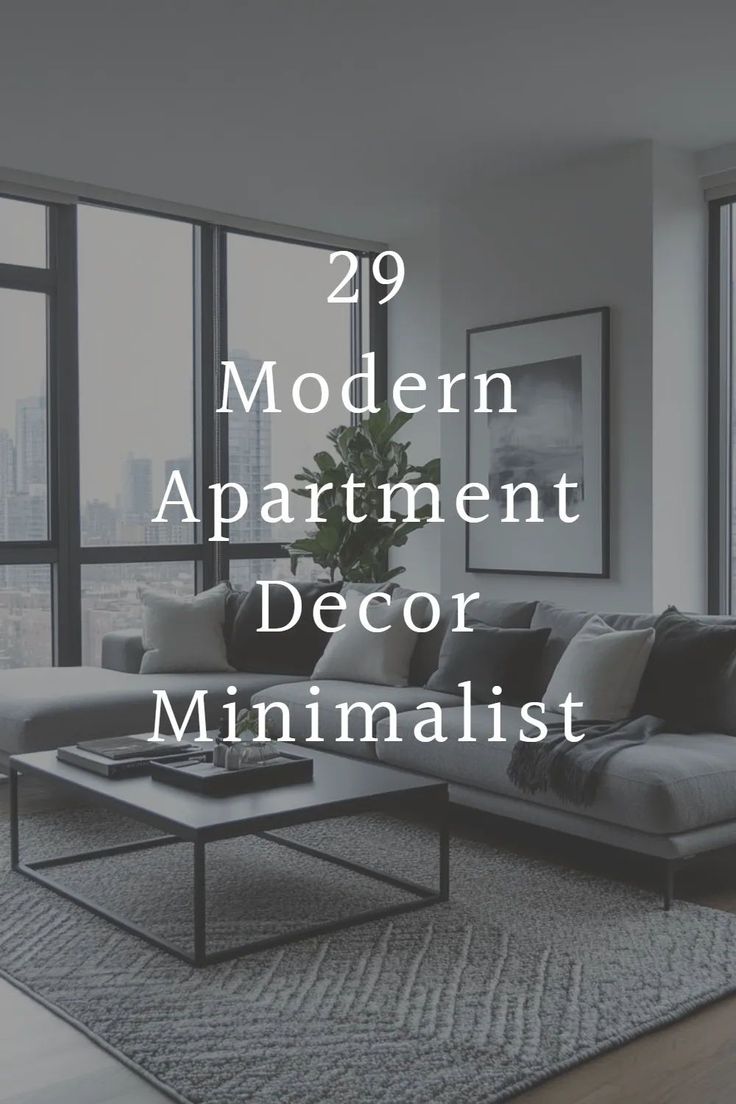


Introduction to Minimalist Home Design
Minimalist home design is a distinctive and transformative approach to interior and architectural design. Emerging as a significant movement in the mid-20th century, it traces its roots to the Bauhaus and De Stijl art movements, which emphasized form and function devoid of ornamentation. The core philosophy of minimalist design revolves around the idea of simplifying space to allow for a more tranquil and focused living experience. This concept extends beyond mere aesthetics; it encapsulates a lifestyle that prioritizes simplicity and intentionality in personal belongings and environments.
At its essence, minimalist home design advocates for the elimination of unnecessary elements, leading to a serene atmosphere that fosters peace and introspection. The belief is that physical clutter often translates to mental clutter. By reducing distractions, individuals can create a home that enhances functionality while providing comfort. Fundamental principles such as open space, neutral color palettes, and multifunctional furniture are pivotal in achieving this balance, contributing to a greater sense of wellbeing.
Moreover, minimalist design encourages a connection with nature. Use of natural materials and abundant natural light fosters harmony within the living space. The functionality of every item is critical to the minimalist approach; each piece must serve a purpose, reflecting the occupant’s values and priorities. Thus, to embrace minimalist design is not merely to pursue a visual aesthetic but to cultivate a lifestyle that cherishes quality over quantity, enriching the daily experience within a home.
Key Principles of Minimalism
Minimalist home design is anchored in a series of key principles that guide its aesthetic and functional implementation. The first principle emphasizes functionality, which calls for every item in a home to serve a practical purpose. This approach not only conserves space but also ensures that the environment remains organized and efficient. Choosing functional furniture and decor is essential in achieving a home that embodies minimalist ideals, allowing for a simpler living experience.
Decluttering stands as another fundamental principle of minimalism. By systematically removing unnecessary items, homeowners can create a more serene and focused environment. Decluttering involves evaluating possessions and eliminating those that do not contribute to one’s lifestyle or mental clarity. This process fosters a greater appreciation for the items that remain, encouraging a lifestyle centered around quality rather than quantity.
Comfort is also a crucial aspect of minimalism, often overlooked in favor of aesthetic simplicity. A minimalist home is not only about having fewer possessions; it is about creating a space where individuals feel comfortable and at ease. This can be achieved through the careful selection of textures, cozy furnishings, and natural light. Each component should contribute to a welcoming atmosphere, supporting relaxation and well-being.
The use of natural materials is a hallmark of minimalist design, reinforcing the connection between the home and the surrounding environment. Materials such as wood, stone, and linen bring warmth and authenticity, distinguishing minimalist interiors in terms of texture and appearance. Incorporating these elements fosters a harmonious ambiance that resonates with tranquility and simplicity.
Color Palette and Materials
In minimalist home design, the choice of color palette and materials plays a crucial role in creating a serene and uncluttered atmosphere. A hallmark of this design style is the use of neutral colors, which can range from soft whites and beiges to muted grays and taupes. These hues not only promote an airy feel but also provide a versatile backdrop that can seamlessly integrate with various types of furniture and decor.
The significance of textures in minimalist design should not be overlooked. Although the colors may be understated, incorporating different textures can add depth and interest to the space. For instance, a smooth glass surface combined with a rough-hewn wooden finish can create a serene balance, enhancing the overall aesthetic while maintaining simplicity. Textures can also be introduced through textiles, such as cushions or rugs in natural fibers, which can subtly enhance the minimalist ethos without overwhelming the senses.
When selecting materials for a minimalist home, it is advisable to opt for options that exemplify a clean and modern appeal. Wood, particularly in light finishes, provides warmth and organic beauty, making it a popular choice for flooring and structural elements. Meanwhile, metals, such as brushed stainless steel or aluminum, can lend a contemporary touch to a minimalist interior through fixtures, furniture, or decorative accents. Glass is another favored material, often used in windows, doors, and furniture, as it enhances visibility and light, making spaces appear larger and more open.
Ultimately, the successful application of a neutral color palette alongside thoughtfully selected materials allows minimalist design to flourish, fostering a tranquil and engaging living environment that remains free from visual clutter.
Furniture Selection for Minimalist Homes
When embarking on a minimalist home design journey, one of the most crucial aspects to consider is the selection of furniture. The philosophy behind minimalist living emphasizes simplicity and functionality, which should ideally be reflected in the choice of furnishings. Choosing the right pieces can dramatically influence the overall aesthetic and utility of your space.
One of the fundamental principles of minimalism is the importance of multifunctional furniture. Selecting pieces that serve multiple purposes helps in maintaining an uncluttered environment while maximizing the usability of each item. For instance, a coffee table that doubles as storage, or a sofa bed that can accommodate overnight guests, exemplifies this principle. Such furnishings not only reduce the need for extra items but also optimize the available space, enhancing the minimalist experience.
In addition to multifunctionality, quality should always trump quantity when it comes to minimalist design. Investing in fewer, high-quality pieces ensures durability and longevity, aligning well with the minimalist ethos of simplicity and elegance. Instead of filling a space with numerous low-quality items, selecting a few well-crafted pieces can create a more curated and sophisticated atmosphere. When considering quality, look for furniture made from sustainable materials and timeless designs that withstand changing trends.
Finally, the chosen furniture should contribute to open space rather than foster clutter. Opt for designs that evoke a sense of airiness, such as furnishings with legs that allow for visible floor space. Additionally, prioritize neutral colors and simple lines that blend seamlessly with the overall decor, thereby enhancing the minimalistic charm of the home. By carefully selecting furniture that embodies these principles, you can achieve a balanced and aesthetically pleasing minimalist environment.
Creating Functional Spaces
In minimalist home design, the objective extends beyond mere aesthetics; it encompasses the creation of functional spaces that serve distinct purposes while maintaining an uncluttered environment. To achieve this, it is essential to effectively zone areas for specific activities. This may involve delineating an area for work, relaxation, or dining while ensuring that each section feels cohesive within the overall design.
Open floor plans are often favored in minimalist designs, as they foster a sense of spaciousness and fluidity between different functional zones. By eliminating unnecessary walls, homeowners can create a seamless transition from one area to another, enhancing the overall spaciousness of the home. However, even within an open layout, it is crucial to define boundaries to ensure the spaces remain purposeful. This can be achieved through the strategic placement of furniture, rugs, or even lighting elements that distinctly highlight different functions.
When arranging furniture, it is important to prioritize functionality over ornamentation. Choose multi-functional pieces that serve several purposes, such as a coffee table that also functions as storage or a sofa bed that can accommodate guests. This practice not only minimizes clutter but also optimizes the use of space. Additionally, consider the flow of movement, ensuring that there is sufficient room to navigate between areas without obstruction.
In this context, implementing minimalist principles means stripping décor to its essentials, allowing for functional pieces to take precedence. Every item within a space should serve a purpose, and this mindset will guide you in creating an environment that emphasizes efficiency and simplicity.
Decor Tips for Minimalist Homes
Embracing a minimalist home design entails making intentional choices that embody simplicity and functionality. When it comes to decor, the goal is to enhance the aesthetic without overcrowding the space. One effective method is the use of art and accessories. Instead of filling the walls with numerous pieces, select a few impactful artworks that resonate with your personal style and values. A large, striking piece can serve as a focal point, drawing attention while keeping the overall design uncluttered.
Another key aspect of minimalist decor is understanding the importance of negative space. This principle relies on the deliberate use of empty areas, allowing each item in the home to have room to breathe. By maintaining open surfaces and avoiding excessive furnishings, one can create a visually calming experience. This does not suggest a lack of decor but rather a thoughtful selection where each piece is cherished and strategically positioned to enhance the environment.
Curating decor that reflects personal style can be seamlessly integrated into a minimalist approach. This can be achieved by selecting decor items that are both functional and aesthetically pleasing. Opt for high-quality materials and timeless designs that stand the test of time, such as a beautifully crafted wooden table or curated handmade ceramics. Such items convey personality without compromising the simplicity of the overall design.
Furthermore, when incorporating plants, choose a few larger specimens rather than multiple small ones to create a significant impact. This approach not only improves air quality but also adds a lively and organic feel while still adhering to minimalist principles. By following these decor tips, individuals can create a minimalist home that is both stylish and reflective of their unique identity.
Lighting and Atmosphere
Lighting plays a crucial role in the perception and functionality of minimalist home design. By maximizing natural light, homeowners can enhance the sense of openness and tranquility that is characteristic of minimalist spaces. To achieve this, consider orienting the room’s layout to take advantage of windows and skylights. Large, unobstructed windows can facilitate an abundance of sunlight during the day, promoting a brighter, more inviting environment. Additionally, using sheer or light-filtering window treatments can further diffuse light without sacrificing privacy.
In addition to harnessing natural light, the selection of artificial lighting fixtures is essential in minimalist home design. Simplicity should guide your choices; consider fixtures with clean lines and neutral colors. Pendant lights, wall sconces, and recessed lighting can effectively illuminate spaces without overwhelming them. Furthermore, strategically placing these light sources can create a layered effect, allowing for both ambient and task lighting. This approach not only serves functional purposes but also adds depth and warmth to the atmosphere.
Creating an inviting atmosphere that complements the minimalist ethos involves more than just the type of lighting used. The mood can be influenced by lighting temperature; warmer tones can evoke comfort and relaxation, while cooler tones might promote focus and productivity. Dimmer switches are a worthwhile addition as they allow for customizable brightness levels according to the time of day or the activities taking place. Integrating both natural and artificial lighting in a considered manner will cultivate an ambiance that embodies the serene simplicity of minimalist design.
Maintaining a Minimalist Home
Once you have successfully designed your minimalist home, the challenge remains to maintain this aesthetic and lifestyle. Adopting minimalist principles requires a commitment to regular decluttering and thoughtful purchasing habits. By integrating these strategies into your daily life, you can foster an environment that truly embodies the simplicity and tranquility that minimalist design seeks to achieve.
One effective approach for maintaining a minimalist home is to establish a regular decluttering routine. Consider implementing a monthly or seasonal review of your belongings. This practice not only helps identify items that are no longer needed but also reinforces the notion that material possessions should bring joy and utility. When you observe items that no longer serve a purpose or create a positive impact, consider donating or recycling them. This not only helps to keep your space tidy but reinforces the principles of minimalism.
Mindful purchasing habits play a crucial role in sustaining a minimalist lifestyle. Before acquiring new items, ask yourself critical questions: Does this item serve a purpose? Will it enhance the quality of my life? Functions that align with these questions lead to more intentional choices, minimizing unnecessary purchases. By limiting buying impulses, you can help avert clutter accumulation and maintain the aesthetic of your spaces.
Lastly, establish routines that promote organization within your minimalist home. Consider creating designated spaces for all belongings and implementing a “one in, one out” rule for new acquisitions. This strategy ensures that for every new item brought into the home, an existing item must be removed. Such practices cultivate a harmonious environment that reflects the minimalist philosophy, allowing you to enjoy a serene and clutter-free living space.
Conclusion and Final Thoughts
In summary, embracing minimalist home design principles can lead to a transformative experience for both your living space and your mental well-being. This guide has highlighted essential strategies and practices to help you create a serene and uncluttered home, enabling you to live more intentionally and with less distraction.
One of the primary takeaways is the importance of decluttering. By removing excess items and focusing on functionality, you can create a space that promotes peace and clarity. Minimalist design encourages selecting quality over quantity; investing in thoughtfully chosen furnishings can contribute to a more harmonious environment. Additionally, using a neutral color palette can enhance this effect, making your home feel open and inviting.
Furthermore, a minimalist lifestyle not only enhances your living area but also fosters a sense of calm and reduces stress. When surrounded by fewer distractions, individuals often find it easier to concentrate, leading to improved productivity and better mental health. The reduction of excess can create a freeing environment that allows for more meaningful relationships and engagements, both within the home and outside in one’s broader community.
As you consider the steps necessary to adopt a minimalist approach, think about how you can incorporate these principles into your daily life. Start small; perhaps initiate by decluttering a single room or corner of your home. The journey towards minimalism is personal and varies for everyone, so it’s okay to tailor your approach to fit your unique situation.
In conclusion, adopting minimalist design not only revolutionizes your home but also opens the door to a more peaceful and fulfilling lifestyle. As you take these steps, remember that minimalism is not merely about aesthetics; it’s about creating an environment that supports your well-being and lifestyle aspirations. Embrace the simplicity and enjoy the clarity it brings.