
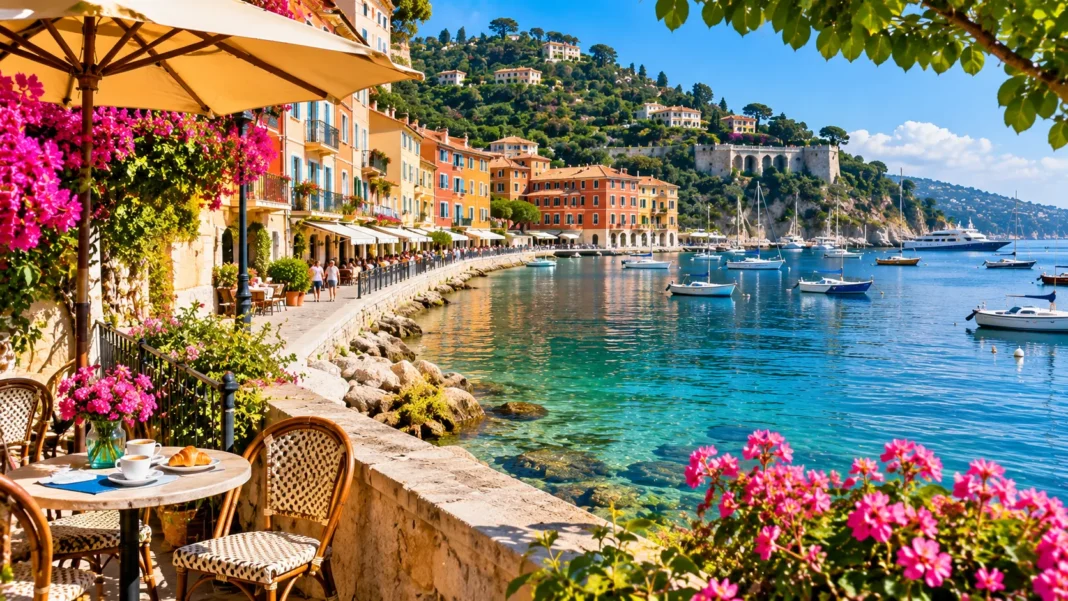


Planning a French Riviera vacation often begins with famous destinations such as Nice, Cannes, and Monaco. However, crowded attractions and busy streets can leave you searching for somewhere more relaxing. What if you could experience beautiful Mediterranean scenery without rushing between major tourist destinations?
Villefranche-sur-Mer offers exactly that kind of experience. With its colorful waterfront buildings, peaceful harbor, historic streets, and beautiful beaches, this coastal town provides a charming introduction to southern France.
Whether you are planning a day trip from Nice or a longer Mediterranean vacation, this guide will help you prepare. Discover the best attractions, local food, accommodation areas, transportation options, and practical travel tips for your first visit.
Where Is Villefranche-sur-Mer?
Villefranche-sur-Mer is a coastal town in southeastern France, within the Alpes-Maritimes department of the Provence-Alpes-Côte d’Azur region. It lies between Nice and Saint-Jean-Cap-Ferrat along the French Riviera. Monaco is also easily accessible from the surrounding area.
The town overlooks a beautiful natural harbor surrounded by Mediterranean hills. Its colorful buildings rise above the waterfront, creating a distinctive landscape. The sheltered bay has played an important role in the town’s maritime history.
Its convenient location makes Villefranche-sur-Mer an attractive destination for regional sightseeing. Visitors can explore the town independently or include it in a wider French Riviera itinerary. Regular regional transportation makes traveling between neighboring destinations relatively straightforward.
Why Is Villefranche-sur-Mer Worth Visiting?
Many French Riviera destinations are associated with luxury shopping, expensive accommodation, and busy entertainment districts. Villefranche-sur-Mer provides a different experience through its historic character and relatively relaxed atmosphere. Visitors can enjoy beautiful scenery without following a demanding sightseeing schedule.
The town combines traditional Mediterranean architecture with waterfront restaurants, public beaches, and historical attractions. Its compact center makes several major landmarks accessible on foot. You can explore centuries of local history and relax beside the sea within the same afternoon.
Photography enthusiasts, families, couples, and cultural travelers can all find enjoyable experiences here. The town is particularly appealing to visitors who prefer smaller coastal destinations. Its proximity to Nice also makes it convenient for first-time travelers.
10 Best Things to Do in Villefranche-sur-Mer
Choosing what to see can become difficult when you have limited vacation time. Fortunately, many Villefranche-sur-Mer attractions are concentrated around the old town and waterfront. These ten experiences provide a balanced introduction to the destination.
1. Explore the Colorful Old Town
The old town is one of the most memorable parts of Villefranche-sur-Mer. Its narrow streets, colorful houses, traditional shutters, and stone stairways reflect centuries of Mediterranean history. Exploring these streets provides a welcome alternative to conventional sightseeing.
Spend time discovering independent shops, small squares, and interesting architectural details. Many streets lead toward the waterfront, revealing beautiful views along the way. The pastel-colored buildings create excellent photography opportunities.
Visit earlier in the day if you prefer quieter surroundings. Wear comfortable footwear because some streets contain steep slopes and uneven surfaces. Allow yourself enough time to explore without rushing.
2. Discover the Rue Obscure
Walking through the old town reveals one of Villefranche-sur-Mer’s most unusual historical attractions. Rue Obscure is a medieval covered passageway that once formed part of the town’s defensive surroundings. Its stone walls and enclosed atmosphere contrast with the sunny waterfront.
The passage provides insight into how medieval towns were constructed and protected. Its distinctive architecture makes it particularly interesting for history enthusiasts. Visitors can appreciate the structure without needing a lengthy guided experience.
Remain within public areas and respect nearby residential entrances. Check local access notices because restoration work may occasionally affect historical locations. Combine your visit with other attractions throughout the old town.
3. Visit the Saint-Elme Citadel
Villefranche-sur-Mer’s maritime location made it strategically important during earlier centuries. The Saint-Elme Citadel was constructed in the 16th century to help defend the harbor. Today, its impressive stone walls remain an important part of the town’s heritage.
The citadel contains courtyards, gardens, cultural spaces, and impressive architectural features. Its elevated position provides interesting perspectives of the surrounding waterfront. Visitors can learn about the town’s historical relationship with maritime defense.
As of November 2026, the permanent museum rooms are undergoing renovation. Other areas may remain accessible depending on events and restoration activities. Check municipal announcements before planning your visit.
4. Relax at Plage des Marinières
Plage des Marinières is the town’s main beach and one of its most recognizable attractions. Its long shoreline sits beside the bay, surrounded by beautiful Mediterranean scenery. The nearby railway station makes it particularly convenient for day visitors.
The beach features a mixture of coarse sand and small pebbles. Visitors can relax beside the water, enjoy the scenery, or spend time reading beneath suitable shade. Public areas provide an accessible alternative to private beach facilities.
Summer weekends can become particularly crowded. Arrive earlier if you prefer a quieter experience, and bring drinking water and sun protection. Follow posted beach warnings and local safety guidance.
5. Admire the Port de la Santé
The Port de la Santé is closely connected with Villefranche-sur-Mer’s identity as a maritime town. Colorful buildings overlook fishing boats, visiting vessels, and waterfront restaurants. This picturesque setting attracts photographers throughout the year.
Take a leisurely walk along the public quays and appreciate the architecture reflected in the water. Stop for refreshments at a nearby café or enjoy the harbor scenery. The changing light creates different photographic opportunities throughout the day.
Visit in the morning for a potentially quieter atmosphere. Late afternoon can also provide attractive natural lighting. Respect working harbor areas and avoid restricted docks.
6. Discover Saint-Pierre Chapel
Saint-Pierre Chapel is a small but culturally significant landmark near the waterfront. It was historically associated with local fishermen and later became connected with French artist Jean Cocteau. He decorated its interior and exterior in the 1950s.
The artwork reflects maritime traditions and themes associated with Saint Peter. Its distinctive artistic style makes the chapel different from many larger historical buildings. Art and architecture enthusiasts may find this attraction particularly rewarding.
Check current opening hours and admission charges before visiting. Respect photography restrictions and the site’s cultural significance. A short visit can add meaningful historical context to your waterfront exploration.
7. Explore the Port Royal de la Darse
Visitors looking beyond the main tourist waterfront should consider the historic Port Royal de la Darse. This harbor has connections with the town’s naval and maritime history. Its traditional structures reflect a different aspect of coastal life.
The port contains historical buildings and facilities associated with maritime activities. Established public areas provide opportunities to appreciate boats, architecture, and waterfront scenery. Its atmosphere can feel quieter than the central harbor.
Remember that La Darse remains an active maritime area. Respect working facilities and follow posted access restrictions. Exploring authorized public spaces allows you to appreciate its heritage responsibly.
8. Spend Time at Plage de la Darse
Travelers seeking an alternative to the town’s main beach may appreciate Plage de la Darse. This smaller pebble beach lies near the historic harbor. Its surroundings provide a different perspective of the Mediterranean coastline.
The beach is suitable for relaxing and enjoying the natural scenery when conditions permit. Its smaller size creates a more intimate atmosphere than Plage des Marinières. However, it can still become busy during summer.
Bring suitable footwear because the shoreline contains pebbles. Check local safety notices and available facilities before visiting. Respect the surrounding natural environment and leave the beach clean.
9. Admire Saint-Michel Church
Saint-Michel Church is another important historical landmark within the old town. Its Baroque architectural features reflect the region’s artistic and cultural traditions. The building provides an interesting contrast to the colorful residential streets surrounding it.
Visitors interested in architecture can appreciate its historical details and traditional design. Its location makes it easy to include during a wider exploration of the old town.
Check visitor access arrangements and respect any ongoing services. Combine your visit with Rue Obscure and nearby historical streets. These attractions help explain Villefranche-sur-Mer’s development over time.
10. Enjoy Mediterranean Waterfront Dining
Exploring the town without experiencing its food culture means missing an important part of the French Riviera. Villefranche-sur-Mer’s waterfront restaurants provide opportunities to enjoy regional flavors alongside beautiful harbor views.
Menus may include fresh seafood, Mediterranean vegetables, traditional French dishes, and regional specialties. Smaller establishments away from the waterfront may provide different dining experiences and price ranges.
Compare menus before choosing a restaurant. Ask about ingredients if you have allergies or specific dietary requirements. Allow sufficient time to enjoy your meal rather than rushing toward another attraction.
Best Beaches in Villefranche-sur-Mer
Choosing the right beach can make a significant difference to your coastal vacation. Some locations provide convenient transportation access, while others offer quieter surroundings. Understanding their characteristics helps you choose according to your preferences.
| Beach | Main Features | Best For |
|---|---|---|
| Plage des Marinières | Long shoreline with coarse sand and pebbles | First-time visitors and families |
| Plage de la Darse | Smaller pebble beach near the harbor | Relaxed coastal sightseeing |
| Plage de l’Ange Gardien | Smaller beach toward the eastern side of the bay | Enjoying Mediterranean scenery |
| Plage de Grasseuil | Small coastal beach near Saint-Jean-Cap-Ferrat | Visitors exploring quieter areas |
Beach facilities and accessibility vary between locations. Check current conditions, lifeguard availability, and local restrictions before visiting. Choose established public areas appropriate for your travel group.
Best Hidden Gems in Villefranche-sur-Mer
Popular attractions deserve attention, but smaller experiences can reveal another side of the town. You do not need to explore unfamiliar or restricted locations to discover interesting places. Several established public spaces provide rewarding alternatives.
Consider these lesser-known experiences:
- Discover architectural details along the old town’s smaller streets.
- Explore the historical surroundings of Port Royal de la Darse.
- Visit local shops selling regional products.
- Appreciate the citadel’s accessible gardens and courtyards.
- Explore smaller public beaches during quieter periods.
- Discover traditional Mediterranean fountains and public squares.
Leave some flexibility in your itinerary for spontaneous discoveries. Respect private property and residential surroundings throughout your visit. Sometimes the most memorable experiences are the simplest ones.
What Is the Best Time to Visit Villefranche-sur-Mer?
Choosing the wrong travel season can affect accommodation prices, beach experiences, and sightseeing conditions. The French Riviera enjoys a Mediterranean climate, with warm summers and generally milder winters. Each season provides different advantages.
| Season | General Conditions | Best Experiences |
|---|---|---|
| March to May | Gradually warmer weather | Historical sightseeing and photography |
| June to August | Hot weather and higher visitor demand | Beach vacations and waterfront experiences |
| September to November | Warm early autumn followed by cooler conditions | Relaxed sightseeing and coastal visits |
| December to February | Cooler weather and quieter streets | Cultural attractions and peaceful short breaks |
May, June, and September can provide an appealing balance between comfortable weather and manageable crowds. July and August are particularly popular for beach vacations. However, accommodation and transportation demand may increase during these months.
Winter visitors should expect shorter daylight hours and potentially reduced seasonal services. Check attraction opening schedules before arranging your trip. Your preferred activities should determine the most suitable travel period.
How to Get to Villefranche-sur-Mer
Traveling to an unfamiliar coastal town may seem complicated, especially when arriving internationally. Fortunately, Villefranche-sur-Mer has convenient connections with Nice and neighboring French Riviera destinations.
Traveling from Nice by Train
Regional TER trains connect Nice-Ville railway station with Villefranche-sur-Mer. The journey typically takes approximately seven to ten minutes, depending on the service. The destination station is conveniently located near Plage des Marinières.
Check SNCF schedules and ticket requirements before departure. Allow additional time during weekends or railway maintenance periods. The train is generally a practical choice for day trips.
Traveling by Bus
Regional bus services connect Villefranche-sur-Mer with nearby communities. Traveling by bus can be useful when your accommodation is closer to a bus stop than a railway station.
Check current routes through the local transportation authority. Journey times depend on road traffic and your departure location. Remember that some bus stops are uphill from the waterfront.
Traveling from Nice Airport
Nice Côte d’Azur Airport is the nearest major international airport. Visitors can use a combination of tram and regional train services, taxis, or prearranged transfers to reach Villefranche-sur-Mer.
Compare transportation options according to luggage requirements and arrival times. Arrange reliable onward transportation if your flight arrives late. Confirm accommodation check-in arrangements before departure.
Where to Stay in Villefranche-sur-Mer
Selecting accommodation based only on photographs can create unexpected difficulties. Some properties offer beautiful sea views but require climbing steep streets or stairways. Location and accessibility should influence your decision.
| Accommodation Area | Best For |
|---|---|
| Old town | Historical surroundings and nearby restaurants |
| Central waterfront | Harbor scenery and convenient dining |
| Near the railway station | Day trips to neighboring towns |
| Hillside areas | Elevated Mediterranean views |
| Nearby Nice | Greater accommodation and transportation options |
Check whether your accommodation has stairs, elevators, luggage access, and air conditioning. Compare the complete booking price, including taxes and additional charges. A convenient location can make your vacation much more comfortable.
Best Local Foods to Try
French Riviera cuisine reflects Mediterranean ingredients and influences from nearby Italy. Visitors can discover regional specialties through bakeries, cafés, restaurants, and local food shops. Trying different dishes adds another memorable dimension to your trip.
Popular regional foods include:
- Socca: A traditional chickpea flour pancake.
- Salade niçoise: A regional salad commonly containing vegetables, eggs, and fish.
- Pissaladière: A savory onion-based flatbread traditionally prepared with olives and anchovies.
- Ratatouille: A vegetable dish featuring Mediterranean ingredients.
- Pan bagnat: A traditional sandwich associated with Nice.
- Fresh seafood: Fish and other seafood prepared in various regional styles.
Ask about preparation methods when you have allergies or religious dietary requirements. Explore bakeries and smaller restaurants alongside waterfront establishments. Comparing menus can help you discover enjoyable meals within your budget.
Best Day Trips from Villefranche-sur-Mer
Staying in one coastal town does not mean limiting yourself to one destination. Villefranche-sur-Mer’s location makes several French Riviera towns accessible through regional transportation. These nearby destinations can add variety to your vacation.
Nice
Nice offers a combination of historical streets, art museums, Mediterranean architecture, and coastal scenery. The Promenade des Anglais and the old town are among its most recognizable attractions.
Spend a full day exploring the city rather than attempting to combine too many destinations. Regional railway services make returning to Villefranche-sur-Mer relatively convenient.
Saint-Jean-Cap-Ferrat
This neighboring peninsula is known for its coastal scenery and historical properties. The Villa Ephrussi de Rothschild is a particularly interesting attraction for visitors who enjoy architecture and landscaped gardens.
Check admission requirements and opening hours before visiting. Allow sufficient time to explore the villa and gardens without rushing.
Èze
Èze is a medieval hilltop village with stone buildings, narrow streets, and impressive Mediterranean views. Its elevated position provides a different perspective of the French Riviera.
The hilltop village and Èze-sur-Mer railway station are in different locations. Arrange appropriate onward transportation rather than assuming the station is beside the village.
Monaco
Monaco offers cultural attractions, harbor scenery, gardens, and distinctive architecture. The Oceanographic Museum and the historic Monaco-Ville district provide enjoyable sightseeing opportunities.
Regional trains connect Villefranche-sur-Mer with Monaco. Check transportation schedules and attraction admission requirements before planning your visit.
How to Spend One Day in Villefranche-sur-Mer
Trying to visit every attraction within a few hours can make a day trip unnecessarily tiring. A balanced schedule provides opportunities to appreciate history, local food, and coastal scenery. Grouping nearby attractions together helps reduce unnecessary walking.
| Time | Suggested Activity |
|---|---|
| 9:00 AM | Arrive and explore the old town |
| 10:00 AM | Discover Rue Obscure and Saint-Michel Church |
| 11:00 AM | Explore accessible areas of Saint-Elme Citadel |
| 12:30 PM | Enjoy lunch near the waterfront |
| 2:00 PM | Visit Saint-Pierre Chapel if open |
| 3:00 PM | Relax at Plage des Marinières |
| 5:00 PM | Enjoy harbor views and refreshments |
| Evening | Return to Nice or your accommodation |
Adjust your schedule according to opening hours and personal preferences. Cruise arrivals, seasonal events, and weather conditions may influence crowd levels. Leave enough time for rest and unexpected discoveries.
Is Villefranche-sur-Mer Expensive to Visit?
Travel costs are an important consideration when visiting the French Riviera. Waterfront accommodation and restaurants can be relatively expensive, especially during summer. However, many of the town’s most enjoyable experiences require little or no admission spending.
Walking through the old town, enjoying public beaches, and appreciating harbor scenery are affordable activities. Regional trains can also help reduce transportation expenses compared with private transfers.
Visit during less crowded seasons, compare accommodation options, and purchase refreshments from local shops when appropriate. Prepare a realistic budget that includes meals, transportation, and attraction tickets. Enjoying the Mediterranean does not necessarily require a luxury vacation.
Essential Travel Tips for First-Time Visitors
Unexpected closures, steep streets, and busy transportation services can affect your first visit. Preparing for these practical details helps you enjoy the destination more comfortably.
Keep these recommendations in mind:
- Wear comfortable shoes for uneven streets and stairways.
- Check train schedules before traveling.
- Confirm historical attraction opening hours.
- Carry drinking water and appropriate sun protection.
- Reserve accommodation early during summer.
- Download offline maps for convenient navigation.
- Respect residential areas and working harbor facilities.
- Keep personal belongings secure in crowded locations.
- Follow beach safety warnings and weather alerts.
- Learn a few basic French greetings before arriving.
If you are arriving by cruise ship, confirm your tender arrangements and return deadline with the cruise operator. Allow sufficient time for transportation and unexpected delays. Keep your itinerary flexible rather than attempting to visit every nearby destination.
Conclusion
Villefranche-sur-Mer combines beautiful Mediterranean scenery, colorful architecture, historical attractions, and relaxed waterfront experiences. From the medieval old town and Saint-Elme Citadel to Plage des Marinières, the destination offers plenty to discover at a comfortable pace.
The town’s convenient location also makes exploring Nice, Monaco, and Saint-Jean-Cap-Ferrat relatively straightforward. Choosing suitable travel dates, accessible accommodation, and reliable transportation can help you avoid unnecessary frustrations.
Start by selecting your favorite attractions and deciding how much time you want to spend in the town. Check current visitor information, organize nearby destinations together, and create a flexible itinerary. Villefranche-sur-Mer is a destination best appreciated slowly.
Frequently Asked Questions
Is Villefranche-sur-Mer worth visiting?
Yes, Villefranche-sur-Mer offers beautiful beaches, colorful historical streets, Mediterranean cuisine, and impressive harbor scenery. Its convenient location near Nice makes it an excellent French Riviera destination for first-time visitors.
How many days do you need in Villefranche-sur-Mer?
One full day is sufficient to explore several major attractions. Two or three days provide additional time for relaxing, visiting beaches, discovering historical landmarks, and exploring nearby destinations.
What is the best month to visit Villefranche-sur-Mer?
May, June, and September generally provide pleasant sightseeing conditions without the busiest summer crowds. July and August are popular for beach vacations but may involve higher accommodation prices.
How far is Villefranche-sur-Mer from Nice?
Villefranche-sur-Mer is located a few kilometers east of central Nice. Regional trains from Nice-Ville typically reach the town in approximately seven to ten minutes, depending on the service.
Can you visit Villefranche-sur-Mer without a car?
Yes, regional trains and buses provide convenient transportation connections. Many major attractions are accessible on foot, although the old town’s steep streets and stairways may require additional accessibility planning.