
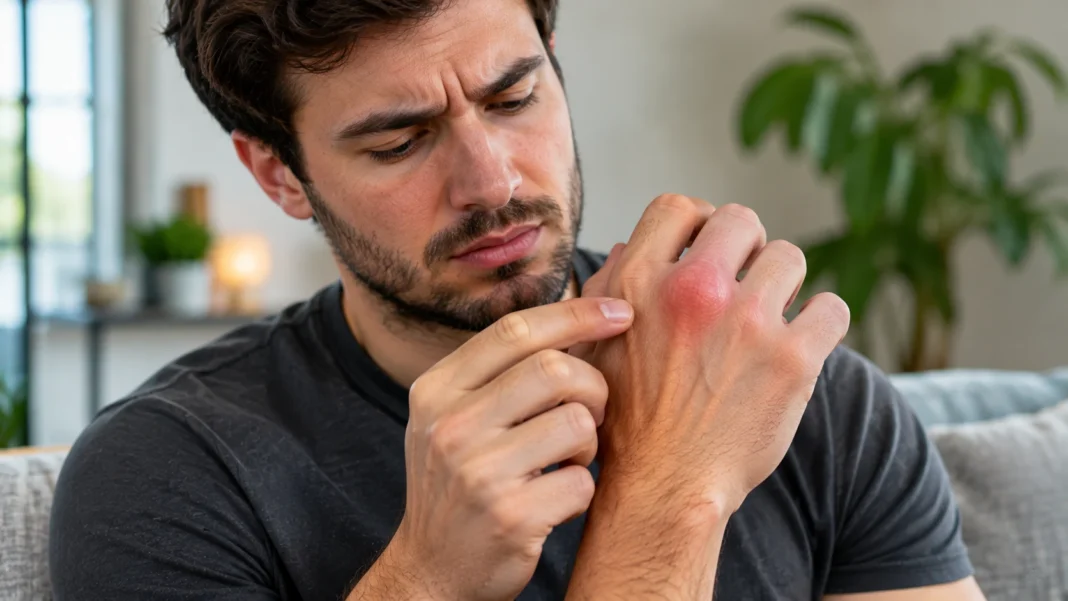


What Is a Swollen Knuckle?
A swollen knuckle occurs when one or more finger joints become enlarged due to inflammation, injury, fluid buildup, or an underlying health condition. The swelling may affect the joints near the fingertips, middle fingers, or where the fingers connect to the hand. Some people experience mild puffiness, while others notice pain, stiffness, redness, or difficulty moving their fingers.
Knuckle swelling can develop suddenly after an injury or gradually over several days or weeks. Common causes include sprains, arthritis, infections, and irritation from repetitive hand movements. Sometimes, swelling appears without an obvious injury, making the cause harder to identify. Understanding the accompanying symptoms helps determine whether simple home care or medical evaluation is necessary.
Most mild cases of knuckle swelling improve with appropriate rest and treatment, especially when caused by minor injuries. However, persistent or unexplained swelling should not be ignored because certain medical conditions require professional care. Early evaluation can help prevent complications and protect normal hand function. Knowing the possible causes and warning signs is an important first step.
Common Causes of Swollen Knuckles
Several conditions can cause swollen knuckles, ranging from temporary irritation to chronic joint disease. Minor injuries, overuse, and inflammatory conditions are among the most common explanations. The exact cause often depends on which joint is affected and whether pain, warmth, or stiffness accompanies the swelling. Identifying these patterns can help guide appropriate medical assessment.
Repetitive activities involving gripping, typing, sports, or manual work may irritate tissues around the finger joints. This irritation can produce discomfort and localized swelling, particularly when the hands receive insufficient recovery time. However, swelling after activity does not always indicate simple overuse. Persistent symptoms may suggest a tendon, ligament, or joint problem requiring further investigation.
Other possible causes include osteoarthritis, rheumatoid arthritis, gout, infections, and fluid-filled cysts near joints. Some conditions affect a single knuckle, while others involve several joints in both hands. Symptoms may also change throughout the day or worsen during particular activities. Because different problems can look similar, an accurate diagnosis may require a healthcare professional.
Swollen Knuckles After an Injury
Hand injuries are a frequent cause of sudden knuckle swelling, especially after falls, sports activities, or accidental impacts. A sprain occurs when ligaments supporting a joint become stretched or damaged. Typical symptoms include swelling, tenderness, bruising, and discomfort during movement. The severity can range from mild irritation to significant joint instability requiring medical attention.
A direct impact can also cause a fracture or joint dislocation, particularly when substantial force affects the hand. These injuries may produce severe pain, visible deformity, bruising, or difficulty moving the finger. However, some fractures do not cause obvious changes in appearance. Medical assessment and imaging may be needed to distinguish a broken bone from a sprain.
When swelling follows an injury, avoid repeatedly testing the finger or forcing movement through pain. Rest the affected hand, remove rings before swelling increases if they come off easily, and use a wrapped cold pack for temporary comfort. If the finger looks crooked, becomes numb, or cannot move normally, seek prompt medical evaluation. Early treatment supports proper healing and helps prevent lasting stiffness.
Arthritis and Inflammatory Joint Conditions
Arthritis is another important explanation for swollen knuckles, particularly when symptoms recur or develop gradually. Osteoarthritis occurs when joint tissues change over time, sometimes causing stiffness, tenderness, and bony enlargement. Finger joints may become less flexible or uncomfortable during everyday activities. Symptoms often affect the middle or end joints of the fingers and sometimes the thumb.
Rheumatoid arthritis is an autoimmune condition that causes inflammation within joints and surrounding tissues. It commonly affects knuckles near the base of the fingers and may involve both hands. Morning stiffness, warmth, tenderness, and difficulty gripping objects are possible symptoms. Early diagnosis matters because appropriate treatment can reduce inflammation and help limit long-term joint damage.
Other inflammatory conditions, including psoriatic arthritis and gout, can also produce painful finger swelling. Psoriatic arthritis may cause an entire finger to swell, while gout can trigger sudden, intense inflammation in a joint. Neither condition can be confirmed through appearance alone. Medical evaluation helps identify the underlying problem and determine which treatment is appropriate.
Can an Infection Cause a Swollen Knuckle?
An infection can cause knuckle swelling when bacteria enter through a cut, puncture, bite, or other break in the skin. The affected area may become red, warm, tender, and increasingly swollen. Some infections involve only nearby skin, while others can affect deeper structures. Because infections may progress quickly, worsening symptoms require prompt attention.
An infected finger joint, also called septic arthritis, is a serious condition that needs urgent medical assessment. Symptoms can include significant swelling, severe pain, warmth, and difficulty moving the affected joint. Fever may occur, but its absence does not rule out infection. Delayed treatment can damage joint structures, making early recognition especially important.
Avoid squeezing swollen areas, attempting to drain suspected infections, or applying irritating substances to broken skin. Keep minor wounds clean and covered while arranging appropriate care when infection is suspected. Rapidly spreading redness, fever, severe pain, or swelling following a bite warrants immediate medical attention. Professional treatment may include antibiotics or other interventions depending on the diagnosis.
Why Is One Knuckle Swollen Without an Injury?
A swollen knuckle without a remembered injury can develop for several reasons. Repetitive movements may irritate nearby tendons, while arthritis can cause inflammation without a sudden triggering event. Small cysts or localized tissue changes may also create noticeable swelling. The absence of an injury does not automatically indicate a harmless condition.
A ganglion cyst is a fluid-filled lump that can develop near a joint or tendon, although not every knuckle lump is a ganglion. These cysts may feel firm or slightly flexible and sometimes change in size. Some cause no discomfort, while others interfere with movement. A clinician can examine the lump and determine whether further testing is necessary.
Unexplained swelling that continues for several days, repeatedly returns, or affects normal hand function deserves medical evaluation. Pay attention to whether the joint feels warm, stiff, tender, or unusually difficult to bend. Also notice whether other finger joints develop similar symptoms. These details can help healthcare professionals investigate inflammatory conditions, joint problems, and other possible causes.
Symptoms That May Accompany Knuckle Swelling
Knuckle swelling can appear alongside several symptoms that provide clues about the underlying problem. Common signs include tenderness, stiffness, redness, warmth, and reduced finger movement. Some people notice discomfort only when gripping objects, while others experience pain even at rest. The combination and timing of symptoms can help guide medical evaluation.
Morning stiffness that lasts for an extended period may suggest an inflammatory joint condition, particularly when several joints are involved. Pain that worsens with repeated activity can occur with mechanical irritation or osteoarthritis. Sudden severe swelling and warmth may indicate gout, injury, or infection. However, these symptom patterns overlap and cannot establish a diagnosis independently.
Numbness, tingling, weakness, or changes in finger color deserve additional attention because they may indicate nerve or circulation problems. A visibly deformed joint after trauma is another concerning finding. Observe whether swelling improves with rest or continues getting worse. Recording symptom changes can provide useful information during a medical appointment.
How to Reduce a Swollen Knuckle at Home
Mild knuckle swelling caused by minor overuse or a simple injury may improve with conservative home care. Reducing activities that aggravate the joint gives irritated tissues an opportunity to recover. Avoid heavy gripping, forceful twisting, or repeated movements that increase discomfort. Gentle everyday movement may still be appropriate when it does not worsen pain or swelling.
Applying a cold pack can temporarily reduce discomfort and help manage swelling after a minor injury. Wrap the pack in a towel rather than placing ice directly against the skin. Use it for approximately 15 to 20 minutes at a time, allowing the skin to return to normal temperature between applications. Stop if you notice excessive discomfort or skin changes.
Keeping the hand comfortably elevated may also help reduce swelling, especially shortly after an injury. Remove tight jewelry before swelling increases, but never force a ring past an enlarged joint. Avoid tight bandages that restrict circulation or cause tingling. If home measures do not improve symptoms or the cause remains unclear, arrange a medical assessment.
Medicines, Support, and Exercises for Swollen Knuckles
Treatment for a swollen knuckle depends on the underlying cause rather than swelling alone. Some people may benefit from pain-relieving medication, while others require targeted treatment for arthritis or infection. Medication choices should consider age, medical history, allergies, and other medicines. A pharmacist or healthcare professional can help determine whether a particular option is appropriate.
Finger splints or supportive devices may sometimes protect injured joints and limit painful movement. However, unnecessary or prolonged immobilization can contribute to stiffness and reduced mobility. The correct type and duration of support depend on the injury or medical condition. Seek professional guidance rather than using an excessively tight splint or attempting to straighten a visibly injured finger.
Gentle hand exercises may help restore movement during recovery when a clinician confirms they are appropriate. Slowly bending and straightening fingers within a comfortable range can support flexibility in selected conditions. Do not force movement through significant pain or exercise a suspected fracture or infected joint. A qualified hand therapist can recommend suitable activities when recovery requires structured rehabilitation.
When to Worry About a Swollen Knuckle
A swollen knuckle should receive urgent medical attention when symptoms suggest infection, serious injury, or impaired circulation. Warning signs include rapidly increasing swelling, severe pain, spreading redness, significant warmth, or fever. Sudden difficulty moving the joint can also indicate a serious problem. These symptoms should not be managed solely with home remedies.
Seek emergency care when a finger becomes pale, blue, unusually cold, or severely numb, especially following an injury. Visible deformity, an open fracture, or an injury accompanied by loss of normal movement also requires immediate assessment. A swollen joint that is extremely painful and hot may need urgent evaluation for infection. Prompt treatment helps protect joint health and function.
Less severe but persistent symptoms also deserve attention, particularly when swelling lasts several days without improvement. Repeated episodes, prolonged morning stiffness, or swelling in multiple finger joints may indicate an underlying inflammatory condition. If discomfort interferes with school, work, sleep, or everyday activities, arrange a medical appointment. Earlier assessment can help identify treatable causes before complications develop.
How Doctors Diagnose a Swollen Knuckle
Diagnosing knuckle swelling usually begins with a medical history and physical examination. A healthcare professional may ask when symptoms started, whether an injury occurred, and which movements cause discomfort. They may examine the affected joint for tenderness, warmth, stability, and range of motion. These findings help determine which conditions need further investigation.
Imaging tests may be recommended when a fracture, dislocation, or structural joint problem is suspected. X-rays can reveal many bone injuries and certain arthritis-related changes, while ultrasound or MRI may help assess specific soft tissue problems. Blood tests can provide additional information when inflammatory disease or infection is possible. Not every swollen knuckle requires all these investigations.
Treatment recommendations depend on the diagnosis and the severity of symptoms. Minor injuries may require temporary activity changes, while inflammatory arthritis can need ongoing medical management. Suspected joint infections require urgent professional treatment rather than routine home care. Following the recommended plan and attending follow-up appointments can help support recovery and reduce the risk of persistent problems.
Conclusion
A swollen knuckle can result from minor injuries, repetitive movements, arthritis, infections, or other medical conditions. Some cases improve with rest and simple home measures, while others require professional treatment. Paying attention to pain, warmth, redness, stiffness, and movement changes helps identify concerning symptoms. Understanding the possible causes supports safer decisions about when to seek care.
For mild swelling without warning signs, reducing irritating activities, using a wrapped cold pack, and keeping the hand comfortably elevated may provide relief. Avoid forcing painful movements or using restrictive supports without appropriate guidance. Persistent, unexplained, or recurring symptoms should be discussed with a healthcare professional. Treatment is most effective when it addresses the actual underlying cause.
Never ignore severe pain, spreading redness, fever, noticeable deformity, or changes in finger sensation and color. These warning signs may indicate conditions that need urgent medical attention. Early evaluation can help prevent complications and protect normal hand movement. With appropriate care and timely treatment, many causes of knuckle swelling can be managed successfully.
Frequently Asked Questions
Why Is My Knuckle Swollen but Not Painful?
Painless knuckle swelling may result from a fluid-filled cyst, mild tissue irritation, or certain joint changes. If swelling persists, increases, or develops without an obvious explanation, consult a healthcare professional for evaluation.
How Long Does a Swollen Knuckle Take to Heal?
Recovery depends on the cause and severity of swelling. Minor irritation may improve within days, while sprains can take several weeks and fractures longer. Persistent symptoms or reduced movement require medical assessment.
Can Arthritis Cause Only One Swollen Knuckle?
Yes, arthritis can sometimes affect a single finger joint, particularly during early disease or certain inflammatory episodes. However, injury, infection, and other conditions can produce similar symptoms, so evaluation may be necessary.
Should I Use Ice or Heat for a Swollen Knuckle?
Ice is generally helpful for recent minor injuries accompanied by swelling. Gentle warmth may ease stiffness in some chronic conditions, but avoid heat on a newly injured, red, or hot joint until the cause is clear.
When Should I See a Doctor for a Swollen Knuckle?
Seek urgent care for severe pain, spreading redness, fever, deformity, or numbness. Arrange a routine medical assessment when swelling persists, repeatedly returns, affects several joints, or interferes with normal hand movement.