


Introduction
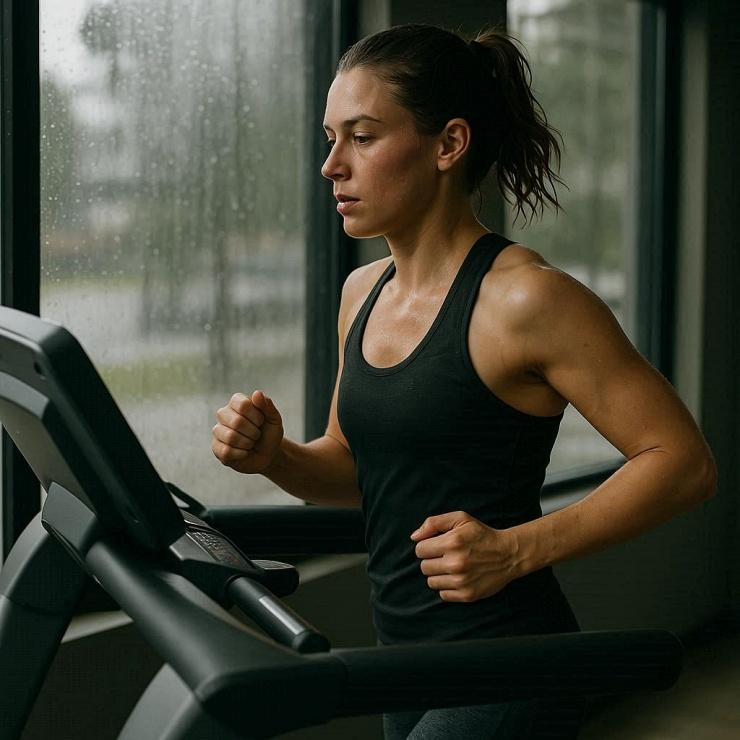
Weather has a surprisingly significant influence on people’s exercise habits. During pleasant months, going outside for a walk or run can feel like a natural part of the day. However, when temperatures become uncomfortable, rain becomes frequent, or daylight hours decrease, maintaining the same routine can be considerably more difficult.
For individuals who want to remain physically active throughout the year, relying entirely on outdoor exercise may not always be practical. Indoor fitness provides another possibility, allowing people to continue exercising without having to adjust their plans according to changing weather conditions.
Among the various types of home fitness equipment, treadmills are particularly versatile. They provide a controlled environment for walking, jogging, and running, making them suitable for people with different experience levels and exercise preferences.
How Changing Weather Affects Exercise Habits
Outdoor activities offer plenty of enjoyment, but they also involve factors that cannot always be controlled. Heavy rainfall, strong winds, excessive heat, and cold temperatures can all influence whether someone feels comfortable exercising outside.
During summer, exercising in direct sunlight can become unpleasant, particularly during the hottest hours. In winter, shorter days and lower temperatures may discourage people from going out after work. Rainy conditions can create additional difficulties, especially for those who prefer running on familiar routes.
These interruptions can make it harder to maintain a consistent schedule.
Indoor exercise provides a useful alternative because it reduces dependence on external conditions. Someone who normally enjoys running in a local park can use a treadmill when outdoor circumstances are unsuitable.
This does not mean that outdoor activities should be abandoned. Walking in parks, cycling, and running outside can remain enjoyable parts of a balanced lifestyle. An indoor option simply provides additional flexibility when outdoor exercise is inconvenient.
The Appeal of a Home Walking Environment
Walking is one of the most accessible forms of physical activity. It does not necessarily require advanced athletic skills, complicated training plans, or extensive preparation.
However, finding suitable opportunities to walk during a busy day can be challenging. Some neighbourhoods have limited pedestrian facilities, while others may experience traffic congestion or uncomfortable environmental conditions.
Having a walking surface at home offers an alternative.
A loopband voor thuis can provide a dedicated space for indoor movement. Users can walk before starting their daily responsibilities, take a short break during the afternoon, or complete a relaxed session in the evening.
This flexibility can be especially valuable for people who work remotely, manage household responsibilities, or have limited time available for travelling to a gym.
The experience can also be adjusted according to personal preference. Some people enjoy listening to music, while others prefer watching a programme or following a podcast during their walking sessions.
Walking and Running Offer Different Training Opportunities
Although walking and running use similar equipment, they serve different exercise preferences.
Walking is often suitable for beginners and people who want to introduce more movement into their daily schedules. It can be performed at a comfortable pace and gradually adjusted as fitness improves.
Running generally involves greater physical effort and requires equipment capable of supporting higher speeds and more dynamic movement.
A treadmill makes it possible to switch between these activities according to the user’s objectives.
For instance, someone might begin with a five-minute warm-up, continue with a brisk walking session, and finish with a slower recovery period. More experienced users may prefer alternating between jogging and walking.
These variations make indoor training adaptable rather than limiting users to one particular type of exercise.
Creating a Different Workout for Every Season
One advantage of exercising indoors is the ability to change workout intensity without changing the exercise environment.
During warmer months, users might prefer shorter sessions at comfortable speeds, particularly if their home is not air-conditioned. In cooler weather, longer indoor walking sessions may feel more appealing.
Seasonal changes can also provide an opportunity to establish new fitness objectives.
Spring: Rebuilding consistency
Spring can be a suitable time to establish regular exercise habits. People returning to fitness after a quieter winter period might begin with manageable walking sessions and gradually increase their activity.
Summer: Maintaining comfortable activity
During hot weather, indoor exercise can provide an alternative to walking outside in direct sunlight. Choosing suitable room ventilation and exercising at comfortable times can make sessions more pleasant.
Autumn: Preparing for shorter days
As daylight hours decrease, an indoor workout option can help maintain an existing schedule. Evening exercise becomes easier to organise without depending on outdoor lighting conditions.
Winter: Avoiding seasonal interruptions
Cold temperatures and wet conditions can discourage outdoor activity. A treadmill allows users to continue walking or running in a familiar environment.
The most important consideration is to adjust exercise according to individual comfort rather than following a fixed routine regardless of circumstances.
Understanding Different Treadmill Designs
Home fitness equipment is available in several formats, and understanding their differences can make the purchasing process easier.
Walking pads are generally designed for compact indoor walking. Their flat construction makes them suitable for apartments, smaller rooms, and workspaces where storage is important.
Traditional treadmills are usually better suited to people interested in combining walking with jogging or running. They commonly feature handrails, larger running surfaces, and additional workout controls.
Sportconic offers several models with different specifications.
The S7 walking pad provides speeds of up to 6 km/h and a 95 × 40 cm walking surface. It is designed for everyday walking and light activity.
The P106FA Pro offers a maximum speed of 12 km/h, a folding design, and a manual incline of up to 9%. This makes it suitable for users who want more flexibility in their workouts.
The T140 also reaches 12 km/h and includes twelve workout programmes alongside three incline settings. Its running surface measures 110 × 41 cm.
For people interested in a larger running area and higher maximum speeds, the T155 offers a maximum speed of 14 km/h and a 120 × 42 cm running surface.
These differences demonstrate that choosing a treadmill should involve considering the type of activity it will support rather than simply selecting the model with the highest specifications.
Why Incline Settings Can Make Indoor Training More Interesting
Walking on a flat surface is convenient, but repeating the same workout can eventually become monotonous.
Incline settings offer a straightforward way to introduce variation. By adjusting the angle of the running surface, users can create a walking experience that requires greater effort.
Incline walking can be particularly interesting for people who prefer not to run but still want to experiment with different exercise intensities.
For example, a session could begin with several minutes of ordinary walking before introducing a gentle incline. After a short interval, the treadmill can return to its original position for recovery.
Sportconic’s P106FA Pro includes an incline of up to 9%, while its T140 offers three preset incline levels. These features provide users with different ways to adjust their indoor sessions.
Beginners should start with lower settings and increase difficulty gradually. Maintaining comfortable movement and good balance should always take priority over attempting demanding workouts.
Keeping Fitness Equipment Suitable for Your Living Space
One common concern about indoor fitness equipment is the amount of room it occupies.
Not every household has a dedicated exercise room, and larger machines may be difficult to accommodate in smaller apartments.
Fortunately, folding treadmills and walking pads provide additional options.
Before making a purchase, measure the available floor area and consider where the equipment will be stored when not in use. Pay attention to the machine’s dimensions in both operating and folded positions.
Transport wheels can also be helpful when equipment needs to be moved between rooms.
Other practical considerations include floor protection, access to a suitable power supply, ventilation, and enough clearance around the machine.
A well-organised workout area does not need to be elaborate. Even a small, carefully arranged space can provide a useful environment for regular indoor activity.
How to Select the Right Equipment for Year-Round Use
People planning to loopband kopen should evaluate their requirements before comparing individual models.
Start by identifying the main purpose of the machine. Someone who mainly wants to walk during the winter may have very different requirements from a runner who plans to train several times a week.
Next, consider the maximum speed and running surface. These specifications should correspond with the intended activity and the user’s stride.
Storage is another important factor. Folding models can be useful when the treadmill must share space with other household furniture.
It is also worth reviewing the available programmes, incline settings, control systems, and safety features. A simple machine may be perfectly adequate for basic walking, whereas someone seeking greater workout variety might appreciate additional controls.
Finally, examine the warranty, maintenance instructions, delivery arrangements, and customer support. Reliable after-sales information is particularly important when purchasing equipment intended for regular use.
Making Indoor Exercise an Enjoyable Habit
A treadmill is useful, but purchasing one does not automatically create a consistent exercise routine.
The most effective approach is to make sessions manageable and enjoyable.
Begin with realistic goals. A short walking session several times a week can be a sensible starting point for someone who has not exercised regularly.
As the routine becomes familiar, users can gradually adjust duration, speed, or incline according to their comfort and abilities.
It can also help to connect exercise with an existing daily habit. For example, walking after breakfast or before an evening meal can make it easier to remember each session.
Keeping a simple record of completed workouts provides another way to recognise progress.
Most importantly, indoor exercise should complement other healthy habits, including sufficient sleep, balanced nutrition, hydration, and appropriate recovery.
Conclusion
Maintaining an active lifestyle throughout the year becomes easier when exercise is not entirely dependent on favourable weather or outdoor conditions.
A home treadmill offers a practical environment for walking, jogging, and running, providing flexibility for people with different schedules and fitness preferences.
From compact walking pads to larger running machines with incline settings and workout programmes, there are several options worth considering.
By selecting equipment that suits the available space and intended activities, individuals can create a convenient exercise environment at home. Rather than allowing seasonal changes to interrupt physical activity, they can maintain a routine that adapts to everyday circumstances and supports long-term fitness goals.