
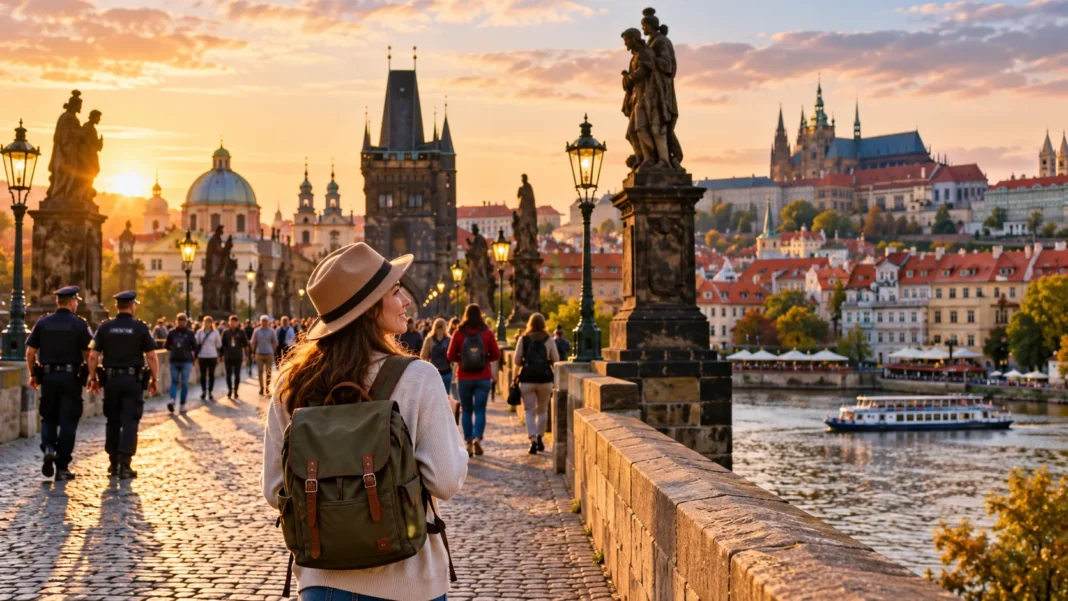


Prague is one of Europe’s most beautiful travel destinations, attracting visitors with its historic architecture, charming cobblestone streets, and impressive cultural landmarks. From the famous Charles Bridge to the magnificent Prague Castle, the city offers unforgettable experiences for travelers. However, before planning a trip, many visitors ask an important question: Is Prague safe to visit?
Yes, Prague is generally considered a safe destination for tourists. The capital of the Czech Republic, also known as Czechia, has relatively low levels of violent crime, and most visitors explore the city without serious problems. However, pickpocketing, tourist scams, and occasional overcharging can occur, particularly around crowded attractions and public transportation.
Understanding local safety conditions can help travelers enjoy Prague with greater confidence. Whether you are visiting alone, traveling with family, or exploring the city for the first time, simple precautions can make a significant difference. This guide explains Prague’s safety concerns, common scams, transportation safety, emergency services, and practical travel tips.
Is Prague Safe for Tourists?
Prague is widely regarded as a safe European capital for international tourists. The city has an established tourism industry, reliable public transportation, and numerous attractions that welcome visitors throughout the year. Most popular sightseeing districts are comfortable to explore during normal daytime hours. Nevertheless, travelers should remain aware of their surroundings and protect personal belongings.
The most common tourist-related safety concerns involve petty theft rather than serious violent crime. Pickpockets sometimes operate in crowded areas, especially around famous attractions, railway stations, and busy public transport services. Tourists who become distracted while taking photographs or navigating unfamiliar streets may be more vulnerable. Keeping valuables secure helps reduce these risks.
Prague also benefits from extensive public services, including police assistance and emergency medical support. Many central areas remain active into the evening, with restaurants, shops, and transportation available. However, safety conditions can vary depending on location and circumstances. Using normal urban travel precautions is a sensible approach when visiting the Czech capital.
How Safe Is Prague Compared to Other European Cities?
Prague has a reputation as a relatively safe destination compared with many major European tourist cities. Violent crime is generally uncommon, while petty theft remains a more noticeable concern in heavily visited locations. Travelers may encounter similar safety challenges in other popular European destinations. These include crowded public spaces, misleading offers, and occasional transportation-related overcharging.
One reason Prague feels comfortable to many visitors is its compact historic center. Important attractions are connected by pedestrian routes, public squares, and an extensive transportation network. Tourists can explore multiple landmarks without traveling long distances. However, busy central locations still require attention, especially when carrying bags, wallets, or mobile phones.
Comparing cities solely through general crime statistics can be misleading because reporting practices and local conditions differ. Individual experiences also depend on travel habits, accommodation choices, and the time of day. Prague should not be considered completely risk-free. Travelers benefit most from understanding the specific problems they might encounter rather than relying on broad city rankings.
Is Prague Safe to Walk Around at Night?
Prague is generally comfortable for evening sightseeing in its busy central districts. Areas around Old Town Square, Charles Bridge, and established tourist streets often remain active after sunset. Illuminated historic buildings create beautiful opportunities for photography and relaxed walking. However, nighttime travel requires additional awareness, particularly in unfamiliar or poorly illuminated locations.
Travelers should avoid isolated shortcuts, deserted parks, and quiet streets when safer, busier routes are available. Keeping a mobile phone charged and checking the return journey before leaving accommodation can make evening navigation easier. Walking with trusted companions may provide additional reassurance. It is also sensible to avoid unnecessary interactions with strangers behaving aggressively.
Late-night entertainment areas may occasionally experience disorderly behavior, loud crowds, or arguments. These situations do not represent the entire city, but they can make particular streets uncomfortable. Visitors should leave any environment that feels unsafe and use established transportation services when necessary. Remaining alert and choosing well-traveled routes supports safer evening exploration.
Is Prague Safe for Solo Travelers?
Prague is a popular destination for solo travelers because of its walkable historic center, accessible attractions, and extensive public transportation system. Independent visitors can explore museums, historic neighborhoods, and cultural landmarks without needing a large travel group. Many tourist areas provide clear directional signs and visitor services. Basic preparation makes navigating the city more straightforward.
Solo travelers should share their general itinerary with a trusted contact and keep important emergency information accessible. Choosing reputable accommodation and understanding nearby transport connections can reduce unnecessary difficulties. Personal belongings should remain secure in crowded areas. These precautions are useful for independent travel in most major cities.
Visitors exploring Prague alone should also trust their judgment when interacting with unfamiliar people. Unexpected invitations, requests involving money, or pressure to enter unfamiliar locations deserve caution. Staying connected with trusted contacts and arranging reliable transportation helps maintain independence without unnecessary risks. Solo travel can be enjoyable when practical safety habits are followed.
Is Prague Safe for Female Travelers?
Prague is generally considered a suitable destination for female travelers, including those visiting independently. The city offers established tourist infrastructure, public transportation, and accommodation options across different neighborhoods. Popular sightseeing areas attract visitors throughout the day. However, harassment and other uncomfortable encounters can occur, as they can in any major tourist destination.
Female travelers may feel more comfortable choosing centrally located accommodation with positive reviews and convenient transportation access. At night, busy streets and trusted transport services are preferable to unfamiliar isolated routes. Personal boundaries should be respected, and unwanted attention does not require engagement. Leaving an uncomfortable situation is a reasonable precaution.
When visiting entertainment venues or attending social events, travelers should remain aware of their surroundings and personal belongings. Staying in contact with trusted companions can also be helpful. If harassment or threatening behavior occurs, seek assistance from staff, local authorities, or emergency services. Planning ahead supports a more comfortable and independent travel experience.
Common Tourist Scams in Prague
Tourist scams are among the main concerns visitors should understand before exploring Prague. Some scams involve misleading currency exchange offers, inflated transportation charges, or unexpected service fees. Others rely on distraction or confusion in busy public places. Recognizing these situations helps travelers make informed decisions without becoming unnecessarily suspicious of ordinary local interactions.
Currency exchange problems can occur when visitors accept unfamiliar rates or agree to transactions without understanding the final amount. Offers from strangers on the street should be avoided because counterfeit or unsuitable currency may be involved. Using established financial institutions and checking transaction details provides greater transparency. Visitors should also verify amounts before approving card payments.
Another reported concern involves individuals pretending to represent official authorities or transport services. Travelers should be cautious if strangers unexpectedly request money, financial information, or access to personal belongings. Legitimate concerns can be verified through official channels. If an interaction feels suspicious or threatening, moving to a staffed public location and seeking assistance is appropriate.
Pickpocketing in Prague: What Tourists Should Know
Pickpocketing is one of the most frequently reported safety concerns in Prague’s busy tourist districts. Crowded attractions, railway stations, and public transportation can create opportunities for petty theft. Thieves may take advantage of distractions when travelers are looking at maps or taking photographs. Being aware of personal belongings helps reduce the likelihood of losing valuables.
Popular locations such as Charles Bridge, Old Town Square, and busy routes toward Prague Castle can become especially crowded during peak tourism periods. Visitors should keep bags closed and avoid placing wallets or phones in easily accessible outer pockets. Backpacks deserve additional attention in crowded vehicles. Important belongings should remain within sight whenever possible.
Travelers can also reduce inconvenience by separating essential items and maintaining secure digital copies of important documents. Carrying only what is needed for daily sightseeing can simplify organization. If belongings are stolen, reporting the incident to local police may be necessary for insurance documentation. Quick action can also help protect compromised payment cards or accounts.
Is Public Transportation in Prague Safe?
Prague has an extensive public transportation network consisting of metro services, trams, and buses. These services connect central attractions with residential neighborhoods, transportation hubs, and surrounding areas. Public transport is generally considered a reliable way to travel around the city. However, crowded vehicles can increase the risk of pickpocketing and accidental loss of belongings.
Travelers should pay attention to bags and personal possessions when boarding busy metro trains or trams. Keeping valuable items secure is especially important near station entrances and tourist routes. Visitors should also follow posted transportation rules and remain cautious around tram tracks. Trams require substantial stopping distance, making road awareness essential.
Understanding ticket rules is another important part of avoiding travel difficulties. Many paper tickets purchased before boarding must be validated before the journey begins, while certain tickets issued on vehicles are already activated. Digital tickets may follow separate activation requirements. Checking the current transport instructions helps prevent accidental violations and penalties.
Are Taxis and Ride Services Safe in Prague?
Taxis and app-based transport services are widely available in Prague, offering convenient alternatives to public transportation. Many travelers use them for airport journeys, evening transportation, or trips involving heavy luggage. Established operators generally provide clear booking procedures and identifiable vehicles. However, occasional overcharging remains a concern when using unfamiliar services.
Visitors should confirm the estimated fare and destination before beginning a journey. Using an established booking service or reputable taxi company can provide greater clarity about charges. Unmarked vehicles offering unsolicited transportation should be approached cautiously. Checking vehicle details against booking information helps reduce confusion and improves personal safety.
Airport arrivals deserve particular attention because tired travelers may be unfamiliar with local transport arrangements. Official airport transportation services and clearly identified booking points provide useful options. Travelers should avoid accepting unexpected offers from individuals claiming to provide special fares. Understanding available routes before arrival makes transportation planning easier.
Is Prague Safe for Families With Children?
Prague is a family-friendly destination with historic attractions, museums, parks, and sightseeing opportunities suitable for different age groups. Many central areas are accessible through public transportation, making it possible to explore without extensive driving. Families can enjoy cultural experiences and outdoor spaces throughout the city. However, busy attractions require additional supervision.
Parents and guardians should remain attentive in crowded locations such as Old Town Square, Charles Bridge, and major transportation stations. Establishing a simple meeting plan can help if family members become separated. Children should know how to recognize appropriate sources of help, including identifiable staff or police officers. These precautions support safer sightseeing.
Prague’s cobblestone streets, staircases, and uneven pedestrian surfaces can also create practical challenges for families. Comfortable footwear and careful route planning are useful, particularly when traveling with younger children. Weather conditions may influence outdoor activities during colder months. Choosing manageable daily itineraries helps families enjoy the city without unnecessary exhaustion.
Food, Water, and Health Safety in Prague
Prague offers a wide selection of restaurants, cafés, bakeries, and traditional Czech food establishments. Food hygiene standards are generally well established, although travelers should use normal precautions when choosing dining locations. Clean premises and properly handled food are important considerations. Visitors with dietary restrictions should communicate their requirements clearly when ordering meals.
Tap water in Prague is generally safe to drink because the city operates a regulated public water supply. Travelers can usually refill reusable bottles where drinking water is available. However, unusual water notices or specific property restrictions should always be followed. Staying hydrated is especially important during warm weather and extended sightseeing days.
Travelers should also consider routine healthcare preparation before departure. Suitable travel insurance can help with unexpected medical expenses, while necessary prescription medications should be kept in their original packaging. Hand hygiene and current health guidance remain important, particularly during seasonal illness outbreaks. Checking destination-specific health notices before traveling is a useful precaution.
Is Prague Safe During Winter?
Prague is a popular winter destination because of its festive atmosphere, historic architecture, and seasonal markets. The city often looks especially beautiful when streets and rooftops are covered with frost or snow. Winter travel is generally manageable, but cold weather introduces additional considerations. Visitors should prepare for low temperatures and shorter daylight hours.
Icy pavements, slippery cobblestones, and snow-covered steps can increase the likelihood of falls. Comfortable footwear with suitable grip is important when walking through older neighborhoods. Warm clothing, gloves, and waterproof outer layers can improve comfort during outdoor sightseeing. Travelers should also allow additional time when weather conditions affect transportation.
Winter visitors should continue following ordinary city safety precautions, especially in crowded markets and public squares. Seasonal events can attract large numbers of people, creating opportunities for pickpocketing. Weather forecasts may also affect day trips outside Prague. Checking local conditions and planning flexible activities helps make winter sightseeing safer and more enjoyable.
Safest Areas to Stay in Prague
Choosing a suitable neighborhood can make a Prague visit more convenient and comfortable. Central districts provide easy access to attractions, transportation connections, and visitor services. However, the best accommodation location depends on personal preferences, travel plans, and budget. Well-reviewed properties near established transport routes are often practical for first-time visitors.
Prague 1 includes famous areas such as Old Town and Mala Strana, which are popular with tourists because of their historic landmarks. Vinohrady is another established neighborhood offering restaurants, residential streets, and public transport connections. Parts of New Town also provide convenient accommodation options. Safety conditions can vary from street to street.
A neighborhood’s reputation does not guarantee that every property or surrounding street will feel equally comfortable. Travelers should review recent accommodation feedback, check transport accessibility, and consider nighttime surroundings. Selecting accommodation near reliable public transport may reduce the need for unfamiliar late-night walks. Practical location research can improve the overall travel experience.
Emergency Numbers and Police Assistance in Prague
Knowing how to contact emergency services is an important part of preparing for any international journey. In Prague and throughout Czechia, the European emergency number 112 connects callers with emergency assistance. Separate national emergency numbers are also available. Travelers should save this information before arriving and understand how to describe their location.
Important emergency contact numbers include:
| Emergency Service | Phone Number |
|---|---|
| General emergency assistance | 112 |
| Police | 158 |
| Ambulance | 155 |
| Fire and rescue | 150 |
If an emergency occurs, travelers should provide their location, explain what happened, and follow the operator’s instructions. Police assistance may also be necessary after theft or other criminal incidents. Prague’s numbered streetlamps can help emergency responders identify a location when an exact address is unavailable. Keeping accommodation details accessible provides another useful reference.
Essential Safety Tips for Visiting Prague
One of the simplest ways to improve travel safety is to prepare before leaving your accommodation. Check your route, understand transport arrangements, and carry essential contact information. Keeping valuables organized helps reduce distractions in crowded places. Travelers should also remain attentive when using mobile phones or checking directions near busy roads.
Financial precautions are equally important when visiting unfamiliar cities. Choose established currency exchange services, review payment amounts, and use ATMs in secure locations. Avoid carrying unnecessary amounts of cash or leaving valuable belongings unattended. These habits can reduce the inconvenience associated with petty theft or fraudulent transactions.
Travelers should also respect local laws and public behavior expectations. Czechia has identification requirements, transport regulations, and rules governing public conduct. Visitors should check which documents they must carry and follow instructions from legitimate authorities. Combining legal awareness with practical travel habits supports a safer and more enjoyable experience.
Conclusion
Prague is generally a safe and welcoming destination for tourists, offering beautiful historic attractions, reliable public transportation, and memorable cultural experiences. Most visitors can explore the city without encountering serious safety problems. However, common concerns such as pickpocketing, tourist scams, and transportation overcharging deserve attention, especially in busy sightseeing districts.
Simple precautions can significantly improve travel safety in Prague. Keeping personal belongings secure, using reputable transport services, checking currency exchange details, and planning nighttime journeys are practical steps. Families, solo travelers, and first-time visitors can also benefit from researching accommodation locations and understanding local emergency procedures before arrival.
Ultimately, the answer to whether Prague is safe to visit is generally yes, provided travelers follow normal city safety practices. No destination can guarantee complete safety, but preparation helps reduce avoidable risks. By remaining aware of their surroundings and respecting local guidance, visitors can focus on enjoying Prague’s architecture, history, and distinctive atmosphere.
Frequently Asked Questions
Is Prague Safe for First-Time Tourists?
Yes, Prague is generally safe for first-time visitors. The main concerns involve pickpocketing and occasional tourist scams, particularly in crowded areas. Basic precautions and reliable transportation planning help reduce these risks.
Is It Safe to Walk in Prague at Night?
Busy central areas of Prague are generally comfortable for evening walks. However, travelers should avoid isolated streets, remain aware of their surroundings, and use reliable transportation when returning late.
What Should Tourists Avoid in Prague?
Tourists should avoid unverified currency exchanges, suspicious transportation offers, and leaving belongings unattended. Crowded attractions and public transportation require extra attention because pickpocketing can occur in these locations.
Is Prague Safe for Solo Female Travelers?
Prague is generally suitable for solo female travelers. Choosing reputable accommodation, using established transportation services, and avoiding isolated places at night can help improve comfort and personal safety.
What Is the Emergency Number in Prague?
The general emergency number in Prague is 112. Travelers can also contact police directly at 158, ambulance services at 155, and fire and rescue services at 150.