
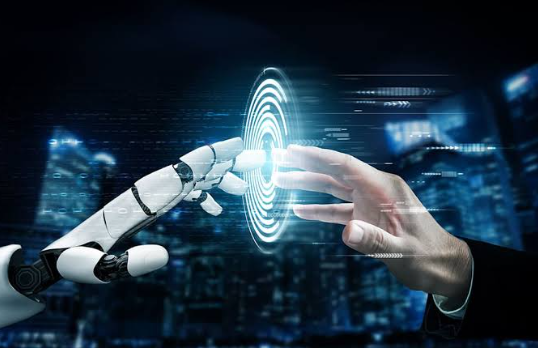

 across various industries, including healthcare, finance)
Introduction to Artificial Intelligence
Artificial Intelligence, commonly referred to as AI, is a field of computer science dedicated to creating systems capable of performing tasks that would typically require human intelligence. This includes activities such as problem-solving, learning, reasoning, and understanding natural language. While the concept of AI can be traced back to antiquity, it formally emerged in the mid-20th century, with notable milestones such as the Dartmouth Conference in 1956, where the term “artificial intelligence” was first coined.
Over the years, AI has evolved significantly, branching into various subfields that contribute to its growth and application. One of the most prominent branches is machine learning, which focuses on developing algorithms that can learn from and make predictions based on data. This technique is increasingly essential in shaping modern applications ranging from recommendation systems to complex autonomous vehicles.
Another vital area is natural language processing (NLP), which aims to enable machines to comprehend, interpret, and respond to human language in a meaningful way. With the rise of virtual assistants like Siri and chatbots, NLP has become a critical component of user interaction in technology.
Robotics
also plays a crucial role in the landscape of AI, integrating machine learning and sensor technolog
y to create machines that can perform tasks in varied environments. From industrial automation to personal assistant robots, robotics exemplifies the tangible impact of AI on everyday life.
As we continue to advance, the importance of artificial intelligence is underscored by its integration into diverse sectors such as healthcare, finance, and transportation. The convergence of AI technologies heralds a profound shift in how we interact with our environment and each other, positioning it as a cornerstone of technological advancement in the 21st century.
The Impact of AI on Various Industries
Artificial Intelligence (AI) is rapidly transforming a multitude of sectors, most notably in healthcare, finance, manufacturing, and entertainment. The integration of AI technologies into these industries is enabling companies to optimize operations, enhance productivity, and create innovative solutions tailored to existing limitations.
In the healthcare sector, AI is being utilized for predictive analytics and personalized medicine. Machine learning algorithms analyze vast datasets of medical records to predict patient outcomes and suggest tailored treatment plans. For instance, AI-driven tools can identify potential health issues long before traditional methods, allowing for earlier interventions and improved patient care.
Similarly, in the finance industry, AI enhances fraud detection and risk management processes. Algorithms are designed to examine transaction patterns and flag anomalies that may indicate fraudulent activities. Furthermore, robo-advisors provide automated investment advice by utilizing AI to analyze market trends and individual financial situations, thus democratizing access to financial planning.
Within manufacturing, AI is streamlining supply chains and improving operational efficiencies. Smart factories employ AI-powered robots to perform repetitive tasks, ensuring higher precision and boosting productivity levels. Additionally, predictive maintenance powered by AI algorithms can forecast equipment failures before they occur, reducing downtime and maintenance costs.
Lastly, the entertainment industry is experiencing a revolution through AI with content recommendation systems that personalize user experiences. Streaming services like Netflix utilize sophisticated algorithms to analyze viewer preferences, thereby suggesting titles that resonate with individual tastes. Moreover, AI is increasingly being used in content creation, from scriptwriting to editing, opening new avenues for creative expression.
As seen, AI’s contributions span across various industries, tackling age-old challenges and promoting efficiency through innovative solutions. The implications of its integration are profound, potentially leading to significant advancements and altered operational frameworks across these sectors.
AI and Automation: Revolutionizing Workplaces
Artificial Intelligence (AI) is markedly transforming the landscape of modern workplaces, primarily through the lens of automation. Automation refers to the use of technology to perform tasks that would traditionally require human effort, and AI adds a layer of intelligence that enhances productivity and efficiency. Organizations across various sectors are increasingly leveraging AI-driven automation to streamline processes, reduce operational costs, and improve service delivery.
However, the rise of automation powered by AI brings with it significant implications for the workforce. While businesses can enjoy enhanced efficiency and productivity, there is a palpable concern regarding job displacement. Roles that involve repetitive and routine tasks are particularly vulnerable to automation. Industries such as manufacturing, customer service, and data entry are already witnessing substantial changes, as systems and software increasingly handle these tasks, leading to a decline in demand for human labor in these areas.
To navigate this transition, organizations must adopt proactive strategies aimed at workforce adaptation. This includes investing in retraining and upskilling programs, enabling workers to transition into new roles that emerge as a result of AI advancements. For instance, as AI applications become more prevalent, there is an increasing demand for roles focused on AI oversight, machine learning specialists, and data analysts. Consequently, it is vital for employees to cultivate skills that complement AI technologies, ensuring they remain relevant in an evolving job market.
As companies integrate AI into their operations, they should also focus on fostering a culture of continuous learning. This approach not only equips employees to work alongside AI but also promotes innovation and adaptability within the workforce. Embracing change rather than resisting it will be key to leveraging the full potential of AI, ultimately leading to a future where both humans and machines can thrive collaboratively.
Enhancing Customer Experience through AI
Artificial Intelligence (AI) is fundamentally transforming the landscape of customer service and user experience. One of the most prominent applications of AI in this domain is the deployment of AI-driven chatbots. These intelligent systems are capable of simulating human conversation, enabling businesses to provide immediate assistance to customers at any time of day. Chatbots can handle inquiries ranging from simple FAQs to complex troubleshooting, significantly reducing the need for human intervention and enhancing response times. As a result, companies can maintain a high level of customer satisfaction while efficiently managing operational costs.
In addition to chatbots, AI technologies are revolutionizing how businesses deliver personalized recommendations. By analyzing vast amounts of customer data, including past purchases and browsing habits, AI can identify patterns and suggest products or services that align with individual preferences. This not only improves the customer experience but also drives sales by influencing purchasing decisions. For instance, e-commerce platforms harness the power of AI to provide tailored product suggestions, which can lead to increased customer loyalty and repeat business.
Moreover, sentiment analysis powered by AI is becoming invaluable in understanding customer emotions and feedback. By processing data from reviews, social media interactions, and other communication channels, businesses can gauge the sentiments of their audience towards their products or services. This insight allows companies to adjust their strategies in real-time, addressing concerns and enhancing the overall experience based on customer feedback. Through sentiment analysis, businesses can anticipate customer needs and respond proactively, fostering a more engaging and responsive relationship.
Ultimately, the integration of AI in customer service not only streamlines communication and fosters personalization but also enables businesses to adapt to the dynamic preferences of their clientele. As technology continues to evolve, the importance of AI in enhancing customer experience will only grow, making it a crucial element for organizations aiming to thrive in a competitive market.
Ethical Considerations in AI Development
The advancement of artificial intelligence (AI) technology presents numerous ethical challenges that must be carefully navigated. One of the predominant concerns is algorithmic bias, which occurs when AI systems produce results that are prejudiced due to flawed training data or unintended biases of developers. This can significantly impact critical sectors such as hiring, law enforcement, and lending, where biased algorithms might lead to unfair treatment of certain demographics.
Data privacy is another pressing ethical consideration in AI development. As AI systems often require massive amounts of data for training, the potential misuse or unregulated access to personal information raises serious concerns. Ensuring data transparency and acquiring informed consent from individuals before using their data are essential steps towards maintaining trust in AI technologies. Furthermore, AI models must be designed to protect user privacy, ensuring that sensitive information is not disclosed or exploited.
Decision-making transparency is also of utmost importance in AI systems. Many algorithms operate as “black boxes,” making it challenging to understand how decisions are made. This lack of transparency can hinder accountability and create distrust in AI systems, especially in high-stakes applications like healthcare and autonomous vehicles. Developers are increasingly called upon to create frameworks that enhance explainability, allowing users to comprehend how AI systems arrive at specific outcomes.
In response to these challenges, the field of AI ethics is gaining traction, with researchers and policymakers working to establish guidelines and frameworks for responsible AI development. Initiatives focusing on fairness, accountability, and transparency aim to mitigate risks associated with AI technologies. As the technology continues to evolve, it is imperative that stakeholders prioritize ethical considerations to foster a future where AI serves the interests of society equitably and responsibly.
The Future of AI: Trends and Predictions
The landscape of artificial intelligence (AI) is rapidly evolving, with numerous trends shaping its trajectory and influencing various sectors. One prominent trend is the increasing integration of AI in automation and robotics. Businesses are increasingly utilizing AI technologies to enhance efficiency, improve accuracy, and reduce operational costs. As AI systems become more sophisticated, we can expect further advancements in robotic process automation, enabling organizations to automate complex tasks previously reserved for human workers.
Another significant trend is the development of AI-driven analytics. Companies are leveraging AI algorithms to process vast amounts of data in real-time, allowing for more informed decision-making and strategic planning. This capacity for predictive analytics enhances business responsiveness, fostering a more adaptive approach to market changes. Consequently, organizations are encouraged to invest in AI technology to capitalize on these growing data capabilities.
However, the future of AI also presents potential challenges. Ethical considerations regarding data privacy, bias in algorithms, and job displacement must be addressed as AI technologies proliferate. Establishing clear regulatory frameworks and ethical guidelines is crucial for businesses aiming to navigate these challenges while responsibly adopting AI solutions.
In preparing for the AI-driven future, both businesses and society must prioritize education and reskilling initiatives. As jobs evolve under the influence of AI, individuals will need to acquire new skills to thrive in an increasingly automated workforce. Collaborations between educational institutions, industry leaders, and policymakers will be essential to ensure a workforce equipped for the challenges and opportunities that AI technology brings.
Looking ahead, the impact of AI on technology will likely be profound, shaping not only business practices but also societal interactions and daily life. Organizations that proactively embrace AI technologies while addressing ethical considerations will position themselves favorably in a transforming landscape.
AI in Everyday Life: Smart Technologies
Artificial Intelligence (AI) has steadily become an integral part of our daily lives, enhancing the way we interact with technology and improving our overall experiences. One of the most noticeable implementations of AI is in smart home devices. These innovations, such as smart thermostats, lights, and security systems, utilize machine learning algorithms to optimize energy consumption and ensure the safety of our homes. For instance, a smart thermostat can learn a user’s schedule and adjust the temperature automatically, thereby increasing comfort while minimizing energy use.
Virtual assistants, powered by AI, have also transformed the manner in which we communicate with our devices. Applications like Amazon’s Alexa, Apple’s Siri, and Google’s Assistant provide users with a seamless way to control smart devices, manage schedules, and retrieve information through simple voice commands. This hands-free convenience exemplifies how AI can facilitate daily tasks, making technology more accessible and user-friendly.
Moreover, AI-based mobile applications are revolutionizing numerous aspects of daily life by personalizing user experiences. From fitness tracking apps that analyze physical activity and dietary habits to language translation apps that use AI algorithms for real-time communication, these tools demonstrate the versatility and adaptability of artificial intelligence. Furthermore, AI-driven recommendation systems in streaming services and shopping platforms curate personalized suggestions based on user preferences, enhancing our entertainment and shopping experiences.
The permeation of AI into everyday technologies illustrates not only its practical benefits but also its role in shaping modern living. As these smart technologies continue to evolve and integrate into our routines, their impact on how we interact with our environments will likely deepen. This evolution invites us to consider the potential of AI in facilitating and enhancing various aspects of our everyday lives.
Case Studies: Successful AI Implementations
As businesses increasingly adopt artificial intelligence (AI) technologies, numerous case studies demonstrate the tangible benefits of these implementations across various industries. These cases highlight not only the challenges faced by organizations but also the solutions AI provided, showcasing its transformative potential.
One notable example is the retail giant Walmart, which faced challenges in inventory management and customer service. In response, Walmart implemented an AI-driven system that analyzed customer purchase data and forecasted demand patterns. By using machine learning algorithms, the company improved inventory accuracy and reduced waste, ultimately leading to a more efficient supply chain. This successful integration of AI technology not only enhanced operational efficiency but also enriched customer experiences through timely product availability.
Another compelling case can be found in the healthcare sector. The Mount Sinai Health System in New York harnessed AI to improve patient diagnoses and treatment plans. With the usage of natural language processing, their AI system analyzed electronic health records and historical data to identify patterns that could predict patient outcomes. This implementation resulted in faster diagnosis times and improved patient care, proving that AI can effectively streamline complex healthcare operations.
The automotive industry is also experiencing AI’s impacts, with companies like Tesla leading the way in autonomous driving technologies. Tesla’s AI-driven system utilizes deep learning to process data from various sensors, improving its self-driving capabilities. The successful implementation of AI in this capacity has not only enhanced vehicle safety but also redefined consumer expectations regarding transportation.
These instances illustrate the flexibility of AI applications in addressing diverse business challenges. Successful implementations demonstrate that when integrated thoughtfully, AI technologies can significantly enhance operational capabilities, improve decision-making processes, and provide a competitive edge in an increasingly technology-driven landscape.
Conclusion: Embracing AI for a Better Tomorrow
As we have explored throughout this blog post, the impact of artificial intelligence (AI) on various sectors is profound and transformative. This technology is reshaping industries, optimizing processes, and enhancing decision-making across the board. The ability of AI to analyze vast amounts of data allows businesses to derive actionable insights, streamline operations, and ultimately deliver better services to their customers.
However, while the advantages of adopting AI are clear, it is also crucial to acknowledge the challenges that accompany its implementation. Concerns regarding job displacement, ethical considerations, and data privacy issues need to be addressed proactively. The development of regulations and best practices around AI will play a crucial role in ensuring that this technology benefits society as a whole without compromising individual rights or ethical standards.
Looking ahead, embracing AI technology offers the potential for tremendous improvements in efficiency, innovation, and quality of life. It is a powerful tool that can amplify human capabilities, leading to new heights in creativity and productivity. The key lies in balancing the enthusiasm for AI advancements with a careful examination of their implications. Stakeholders, including businesses, governments, and educators, must work together to foster an environment where AI can be integrated meaningfully and ethically.
In summary, the promise of artificial intelligence is immense, but so are the responsibilities that come with it. Embracing AI for a better tomorrow requires a commitment not only to harness its potential but also to ensure that its development aligns with the values of society. By doing so, we can pave the way for a future where technology and humanity coexist harmoniously, resulting in a more prosperous and equitable world.