


Introduction
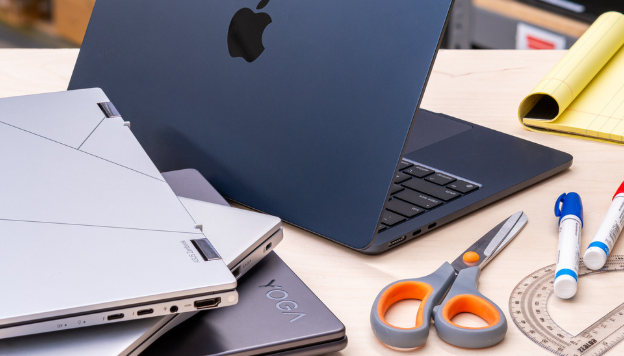
In today’s digital age, the significance of selecting the right laptop for students and professionals cannot be overstated. The diverse demands of modern education and workplaces require tools that enhance productivity, efficiency, and learning. A well-chosen laptop serves as a pivotal resource, enabling students to engage in research, complete assignments, and collaborate on projects, while professionals rely heavily on these devices for tasks ranging from data analysis to graphic design.
When evaluating laptops, several key factors emerge as crucial for optimizing user experience. Firstly, portability is essential; students often navigate between classes, study groups, and campus locations, necessitating a lightweight and compact device that is easy to carry around. This characteristic also appeals to professionals who may need to travel for work, ensuring their laptop can adapt to different environments effortlessly.
Performance is another critical consideration. Depending on academic or job-related requirements, individuals may need varying specifications. For instance, students in fields such as engineering or graphic design may benefit from high-performance laptops equipped with robust processors and graphics capabilities. Conversely, for general tasks like word processing and web browsing, a mid-range laptop may suffice.
Battery life is also paramount; a laptop that lasts through long lectures or workdays without the need for constant recharging can significantly enhance productivity. Moreover, the specific needs of different fields must be taken into account. A business student may require software that differs from that of a humanities major, while a programmer would benefit from a device that supports multiple coding environments.
In summary, choosing the right laptop involves carefully weighing portability, performance, battery life, and specific academic or professional needs, setting the stage for informed recommendations that will follow in this blog post.
Key Features to Consider
When selecting a laptop, students and professionals must prioritize several key features that directly impact usability and performance. One crucial specification is processor speed, often measured in gigahertz (GHz). A higher processor speed facilitates smoother performance, enabling users to run demanding applications and multitask effectively, which is vital for both academic and professional tasks.
Another important consideration is RAM size. Generally, a minimum of 8GB of RAM is recommended for students and professionals, as it allows for seamless multitasking between programs like word processors, spreadsheets, and web browsers. For individuals engaging in more intensive tasks such as video editing or programming, 16GB or more may be necessary.
Storage options also play a significant role in a laptop’s effectiveness. Solid State Drives (SSDs) are favored for their speed and reliability compared to traditional Hard Disk Drives (HDDs). An SSD can dramatically reduce boot times and application load times, enhancing productivity, which is crucial for those who need their laptops ready to perform at a moment’s notice. Students and professionals should also consider their storage capacity needs, typically opting for at least 256GB or higher.
Display quality cannot be overlooked; a high-resolution screen enhances the viewing experience, making reading and research more pleasant. Display resolution such as Full HD (1920×1080) or better is essential for extended use, while the laptop’s size affects portability. As many students and professionals frequently transition between locations, opting for lightweight models or those with a compact design significantly enhances convenience.
Lastly, battery life is a critical factor. A laptop that offers extended battery performance can support long hours of study or work without the constant need to recharge. Generally, students and professionals should aim for a machine with a battery life of at least 8 hours to accommodate their busy schedules.
Top Laptops for Students
Choosing the right laptop is crucial for students, who require a balance between performance, affordability, and portability. Below is a curated list of top laptops that cater to the unique needs of students, ensuring they can tackle their academic tasks with ease.
1. Dell XPS 13: The Dell XPS 13 is a premium choice that combines powerful performance with a compact design. It features Intel’s latest processors, ensuring fast performance for multitasking and demanding software. With its lightweight build and impressive battery life, the XPS 13 is ideal for students who are constantly on the move.
2. Apple MacBook Air: Known for its sleek design and outstanding longevity, the MacBook Air is another excellent option for students. Running macOS offers a seamless experience for those already within the Apple ecosystem. Its Retina display makes it perfect for graphics work and presentations, while the battery life ensures it lasts throughout the school day.
3. HP Pavilion x360: This versatile 2-in-1 laptop features a touchscreen display, making it suitable for both traditional and creative tasks. With reasonable pricing, decent performance, and homework-friendly features, the HP Pavilion x360 is a solid choice for budget-conscious students.
4. ASUS ZenBook 14: The ASUS ZenBook 14 excels in performance and portability. Equipped with the latest processors and a sharp Full HD display, this ultrabook is crafted for students who value both power and sleek design. Its remarkable battery life allows for extended use without needing frequent recharges, making it a great companion for those long study sessions.
5. Lenovo ThinkPad X1 Carbon: For those in need of a durable and high-performing laptop, the Lenovo ThinkPad X1 Carbon stands out. Renowned for its robust build quality, it features an ergonomic keyboard for comfortable typing. Its extended battery life and lightweight design are excellent for students who work remotely or travel frequently.
In conclusion, the best laptops for students vary based on individual needs, such as budget constraints and performance requirements. With an array of options available from different brands, students can find a laptop that perfectly aligns with their academic pursuits and personal preferences.
Top Laptops for Professionals
In today’s fast-paced work environment, professionals require laptops that offer not just performance but also reliability and efficiency. These devices are essential tools in industries ranging from software development to graphic design. Therefore, we must consider several factors such as processing power, multitasking capabilities, and design when selecting high-performance laptops suitable for professional use.
One of the standout models in the professional category is the Apple MacBook Pro. Known for its robust M1 chip, this laptop excels in handling resource-intensive applications smoothly. Its Retina display provides exceptional color accuracy, making it a prime choice for designers and content creators who require precision in their work. With a battery life that lasts up to 20 hours, it ensures that professionals can work longer without frequent recharging.
Another notable contender is the Dell XPS 15. This laptop features powerful Intel Core processors and NVIDIA graphics options, allowing for seamless multitasking and superior performance in demanding environments. The InfinityEdge display maximizes screen real estate, which is beneficial for professionals who often run multiple applications simultaneously. Ergonomically designed, this model is tailored for long hours of productive work without compromising comfort.
For those seeking versatility, the Microsoft Surface Laptop 4 stands out. Its lightweight design and high-resolution touchscreen make it an excellent choice for on-the-go professionals. The combination of Intel’s latest processors and ample RAM enables this laptop to handle various applications efficiently, making it ideal for business meetings or presentations.
Lastly, the Lenovo ThinkPad X1 Carbon deserves mention. Renowned for its durability and robust build quality, this laptop is often favored in business settings. The ThinkPad line is celebrated for its exemplary keyboard quality, making it suitable for long typing sessions, coupled with impressive battery life and performance.
Budget-Friendly Options
Choosing a laptop as a student or professional does not have to imply a hefty investment. There are numerous budget-friendly options available that strike a balance between quality and performance, catering specifically to the needs of cost-conscious buyers. These laptops come equipped with sufficient processing power, storage capability, and essential features to ensure productivity without incurring excessive costs.
One noteworthy option is the Acer Aspire 5. This model offers an AMD Ryzen 5 processor, a full HD display, and up to 8GB of RAM, making it ideal for multitasking. Priced attractively, it delivers commendable performance for students and professionals engaged in web browsing, document editing, and online meetings. Another viable choice is the Lenovo IdeaPad 3, which boasts similar specifications and provides excellent durability and battery life, enabling portability without frequent recharging.
For those who prefer a compact alternative, the HP Chromebook 14 serves as an adept, budget-friendly solution for students. Running on Chrome OS, it features efficient processing for everyday tasks such as email management and cloud-based applications. It is particularly valuable in educational settings, where access to Google Workspace and other online resources is essential.
To maximize your savings while acquiring a budget laptop, it is wise to explore seasonal sales events, such as Black Friday or back-to-school promotions. Additionally, subscribing to email newsletters from retailers can provide timely alerts on discounts and flash sales. Finally, consider certified refurbished models, as they often come with warranties and are thoroughly tested to ensure they function like new, providing an excellent way to obtain a high-quality laptop at a reduced price.
Premium Laptops for Advanced Users
When it comes to high-performance tasks such as graphic design, programming, or data analysis, having a premium laptop is essential. These advanced laptops are specifically designed to handle demanding applications, ensuring efficiency and reliability for professional users. Notably, premium models often boast powerful processors, ample RAM, and dedicated graphics cards, setting them apart from standard laptops.
One exemplary option in this category is the Apple MacBook Pro. Renowned for its sleek design and exceptional build quality, it offers advanced hardware configurations, including the latest M1 or M2 silicon chips. These processors deliver remarkable performance, making the MacBook Pro suitable for tasks that require significant computational power. Additionally, its Retina display provides stunning visuals, making it a preferred choice for graphic designers and video editors.
Another notable contender is the Dell XPS 15. This laptop features a robust Intel processor, up to 64GB of RAM, and an NVIDIA GeForce GTX 1650 Ti GPU, making it ideal for developers and data analysts who rely on high-end specifications. The XPS 15 also adopts a near-borderless InfinityEdge display, offering impressive color accuracy, which is crucial for design work. Furthermore, its strong build and premium materials enhance durability, justifying its higher price point.
HP’s Spectre x360 is also a remarkable choice for advanced users. This 2-in-1 convertible laptop combines powerful hardware with a stunning 4K OLED display. With options for Intel Core i7 processors and extensive SSD storage, it is perfect for multitasking across demanding applications. The versatility of a touchscreen also appeals to creative professionals who desire flexibility in their workflow.
In conclusion, premium laptops cater specifically to advanced users by offering superior specifications, build quality, and features designed to enhance productivity. While they may come with a higher price tag, the investment often translates into significant improvements in performance and user experience.
Comparison of Operating Systems
When selecting a laptop, the choice of operating system (OS) plays a pivotal role in meeting the specific requirements of both students and professionals. The three most prevalent operating systems are Windows, macOS, and Chrome OS, each offering distinct advantages and disadvantages.
Windows OS, developed by Microsoft, is widely recognized for its versatility and extensive compatibility with a diverse range of applications and hardware. This operating system supports a wide selection of software, including robust programs used for engineering, graphic design, and gaming. However, Windows laptops can vary significantly in terms of build quality and performance, often making it a mixed bag for users seeking reliability. Malware and security vulnerabilities are also concerns, necessitating regular system updates and security measures.
On the other hand, macOS caters to users who prioritize a seamless user experience combined with robust performance. Apple’s laptops, such as the MacBook Air and MacBook Pro, are optimized for creative software, thereby proving advantageous for students in design or multimedia fields. The macOS platform inherently offers better security due to its Unix-based architecture, thus minimizing the risks associated with malware. However, the higher price point of Apple products can be a limiting factor for budget-conscious students.
Lastly, Chrome OS is tailored for a streamlined, web-centric experience. This operating system is ideal for users primarily engaged in online tasks, such as browsing, streaming, and utilizing web-based applications. While Chromebooks are generally more affordable and boast impressive battery life, their limited offline capabilities may restrict functionality for users who require advanced software applications. Therefore, users dependent on specific programs should assess their workflow compatibility with Chrome OS.
Ultimately, the best operating system for a student or professional hinges on their specific use cases—Windows for extensive software compatibility, macOS for design and creativity, and Chrome OS for budget-friendly online tasks.
User Reviews and Testimonials
When selecting a laptop, the insights of actual users are invaluable in understanding how well devices meet the practical needs of students and professionals. Here, we delve into a range of user experiences pertaining to some of the best laptops available, providing a nuanced view of their performance.
Many users of the Dell XPS 13 laptop have praised its sleek design and excellent display quality, which is particularly beneficial for graphic design students. One user noted, “The 4K display makes my projects come to life, and the lightweight build makes it easy to carry around campus.” This sentiment is echoed by various professionals who appreciate the combination of portability and high performance for tasks such as video editing and software development.
On the other hand, the HP Pavilion has garnered attention for its affordability and robust performance. A satisfied student stated, “It offers everything I need for my studies without breaking the bank. The battery life is impressive, which is crucial for long days in classes and libraries.” Such feedback underscores the laptop’s suitability for budget-conscious individuals without sacrificing essential features.
Apple’s MacBook Air is frequently highlighted for its user-friendly interface and durability. A professional graphic designer shared, “I’ve been using it for over three years, and it runs as smoothly as day one. The ecosystem really helps me stay productive with my projects and collaborations.” This adaptability makes it a favored choice for many professionals in creative industries.
Lastly, the ASUS ZenBook has received commendations for its solid performance during intensive tasks. A university student remarked, “I often run multiple applications for my coursework, and the ZenBook handles it all seamlessly. I’m also impressed by the build quality.” Such testimonials reflect how critical user feedback is in evaluating the day-to-day functionality of these devices.
Conclusion and Final Recommendations
Choosing the best laptop for students and professionals involves considering various factors such as performance, portability, and price. Throughout this discussion, we have explored different models that cater to a wide range of needs, from high-performance devices suitable for demanding tasks to more affordable options that can handle day-to-day academic requirements.
It is essential to recognize that the ideal laptop is subjective, as individual needs may vary significantly based on usage. A graphic design student may prioritize a laptop with a powerful GPU and display capabilities, while a business professional might focus on battery life and lightweight design for ease of travel. Thus, identifying specific requirements is key to arriving at a well-informed decision.
Additionally, budget constraints play a crucial role in the selection process. With a plethora of options available across different price points, it is possible to find a model that aligns with both needs and finances. Moreover, personal preferences regarding operating systems—whether Windows, macOS, or Chrome OS—will also influence the final choice. Each system offers unique advantages and ecosystems that can enhance productivity.
Ultimately, the ‘best’ laptop is one that suits your distinct lifestyle and professional obligations. By carefully assessing your specific requirements, exploring available options, and considering features that are essential to your workflow, you will be well-equipped to make a decision that enhances your educational or professional journey. Investing time in research and understanding what each laptop can offer will bring you one step closer to finding the perfect device for your endeavors.